
Table of Contents >> Show >> Hide
- Soil Basics: What Your Houseplants Actually Need
- DIY Mix #1: All-Purpose Indoor Houseplant Soil
- DIY Mix #2: Gritty Succulent & Cactus Soil
- DIY Mix #3: Chunky Aroid & Tropical Mix
- How to Match Mixes to Your Plants (and Your Habits)
- Simple Signs Your Soil Mix Needs Tweaking
- Conclusion
- Real-World Experiences With DIY Houseplant Soil Mixes
If your houseplants could talk, they probably wouldn’t ask for fancy fertilizer or a gold-plated watering can.
They’d ask for better soil. The right potting mix is like a custom mattress for your plants: supportive, breathable,
and just cushy enough to keep them happy for years.
Store-bought potting mix can absolutely work, but many experienced gardeners quietly admit they “doctor” every bag
before it touches a pot. Why? Because indoor plants have different needssome want moisture, some crave fast drainage,
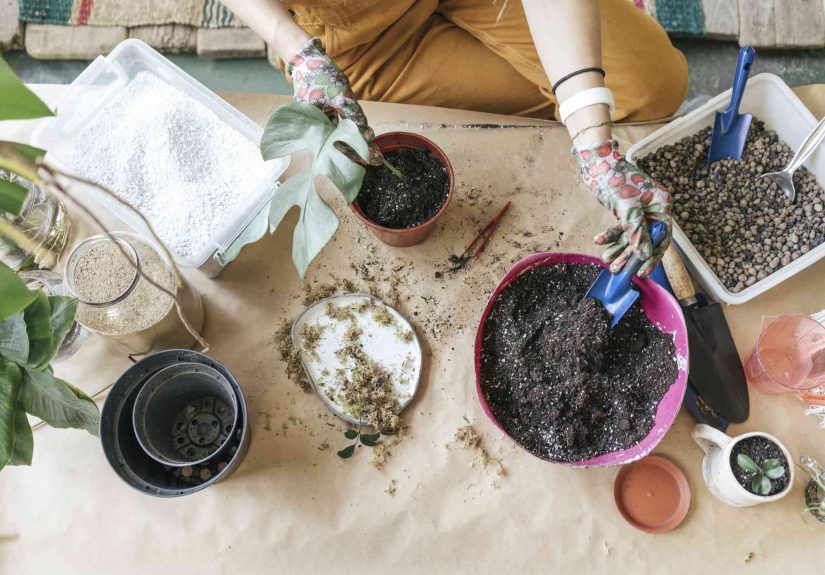
and some just want to live in a chunky jungle of bark and roots. With a few basic ingredients, you can mix your own
soil at home, save money, and grow stronger, healthier plants.
Below are three tried-and-true DIY soil mixes that home gardeners and houseplant enthusiasts swear by: an all-purpose
indoor mix, a gritty succulent/cactus mix, and a chunky aroid mix for monsteras, philodendrons, and other big-leaf show-offs.
You can tweak each recipe to match your climate and watering stylebut these formulas give you a rock-solid starting point.
Soil Basics: What Your Houseplants Actually Need
Before we start scooping ingredients like mad scientists, it helps to understand what makes a good indoor potting mix.
Houseplants generally need:
- Moisture retention so roots don’t dry out overnight.
- Drainage to keep water moving and avoid root rot.
- Aeration so roots can breathe (yes, they need oxygen too).
- Nutrients from compost or worm castings to fuel growth.
No single ingredient does all of that well. That’s why good potting mixes combine different components:
- Base materials like peat moss or coco coir hold moisture and create structure.
- Aerators like perlite, pumice, or coarse sand improve drainage and airflow.
- Organic matter like compost or worm castings feed the plant over time.
- Chunky bits like bark or charcoal keep mixes light and prevent compaction.
With that in mind, let’s build three DIY soil mixes your houseplants will love.
DIY Mix #1: All-Purpose Indoor Houseplant Soil
Think of this as your “house blend” for most foliage plants: pothos, philodendrons, peace lilies, spider plants,
prayer plants, and more. It’s moisture-retentive but still drains well, and it’s easy to adapt.
Ingredients
- 3 parts high-quality potting soil or coco-coir-based mix
- 2 parts compost or well-aged worm castings (vermicompost)
- 1 part perlite or pumice
- Optional: 0.5 part horticultural sand for extra drainage
- Optional: a small handful of horticultural charcoal per pot
Why This Mix Works
The potting soil or coco coir gives you moisture and structure. Compost and worm castings add slow-release nutrients
and beneficial microbes, helping roots develop a strong, resilient system. Perlite or pumice opens up the mix so water
can drain instead of pooling around roots. A bit of sand and charcoal keeps things from compacting and helps with
long-term stability and odor control.
Many indoor gardeners use a similar 3–2–1 ratio: three parts coir or peat, two parts compost, one part perlite or pumice.
It’s flexible, forgiving, and works for most “average” houseplants as long as you don’t overwater.
How to Mix It
- Use a clean tub or bucket large enough to stir everything together.
- Add the potting soil or coir first, then mix in compost or worm castings.
- Stir in perlite or pumice until the mix looks speckled and fluffy.
- Add sand and charcoal if using, breaking up any clumps.
- Moisten the mix lightly so it’s damp but not soggylike a wrung-out sponge.
To test the texture, squeeze a handful in your palm. It should hold together gently but crumble when you poke it.
If it stays in a tight, muddy lump, add more perlite or sand. If it falls apart like dry sugar, add a little more compost
or potting soil.
DIY Mix #2: Gritty Succulent & Cactus Soil
Succulents and cacti are adorable until you love them too muchwith water. These plants are adapted to dry, fast-draining
environments. When they sit in wet soil for too long, their roots rot, the leaves get mushy, and suddenly you’re having
a tiny funeral over a thrifted terracotta pot.
The fix? A gritty mix that lets water rush through quickly while still holding just enough moisture for the roots to drink.
Ingredients
- 1 part standard potting mix or all-purpose indoor mix
- 1 part coarse sand (horticultural, not play sand)
- 1–2 parts perlite, pumice, or small gravel (chicken grit works too)
- Optional: a handful of fine bark for structure
Why This Mix Works
Many indoor succulent growers use a 50/50 blend of potting mix and gritty material (like perlite, pumice, or coarse sand)
to create sharp drainage. Others go even more extreme, using one part soil to two parts grit. The goal is simple:
water should move through the pot quickly, and the soil should dry out within a few days, not linger damp for weeks.
Coarse sand and perlite create large air pockets between particles, which keeps the mix from compacting and gives roots
oxygen. The small amount of organic potting mix provides nutrients but doesn’t dominate the texture.
How to Mix It
- Start by combining the potting mix and coarse sand.
- Add perlite, pumice, or grit until the mix looks very chunky and light.
- Adjust the ratios based on your environment:
- Humid climate or heavy-handed watering: Use more grit (up to 2 parts).
- Dry climate or underwaterer: Use slightly more potting mix.
- Moisten the mix lightly before potting, but don’t soak it.
A quick visual cue: if your succulent mix looks “too pretty” and fluffy, it might still be too dense.
You want it to look almost like gravel with bits of soil clinging to it, not like a regular indoor potting mix.
Best Plants for This Mix
- Cacti of all kinds
- Echeveria, haworthia, and aloe
- String-of-pearls and other thin-stemmed succulents
- Snake plants and ZZ plants (they also love gritty, well-draining mixes)
DIY Mix #3: Chunky Aroid & Tropical Mix
Monsteras, philodendrons, anthuriums, pothos, and many other popular houseplants are aroids or tropicals that
naturally grow in loose, airy forest debris rather than compact soil. Their roots like to wander through bark, moss,
and leaf litter. If you’ve ever seen roots crawling out of the pot and across the surface, that’s your plant begging
for more air and less “mud.”
Ingredients
- 2 parts high-quality potting soil or coco-coir mix
- 1 part orchid bark (medium or fine grade)
- 1 part perlite or pumice
- 0.5 part worm castings or compost
- Optional: 0.5 part coconut husk chips or chunky coco coir
- Optional: a small handful of horticultural charcoal
Why This Mix Works
The bark pieces create big, irregular spaces that allow air to flow freely around the roots. Perlite or pumice keeps
everything from compacting and improves drainage. The potting soil and coco coir hold enough moisture to keep the mix
from drying out too fast, while worm castings add gentle nutrition without burning sensitive roots.
Many aroid growers use a ratio close to two parts soil to one part amendments (bark, perlite, sand, charcoal).
This keeps the mix fluffy and breathable while still holding moistureperfect for monsteras, philodendrons, and
other climbers that hate sitting in dense, heavy soil.
How to Mix It
- Combine potting soil and worm castings first so nutrients are evenly distributed.
- Fold in orchid bark and perlite until the texture looks loose and chunky.
- Add coco chips or extra bark if you want an even more open mix.
- Lightly moisten the mix and let it sit for a few minutes so the bark and coir absorb water.
When you scoop this mix, you should see lots of bark and white perlite chunks. If it looks like plain potting soil
with a few toppings, stir in more bark and aerators until it’s clearly “chunky.”
Best Plants for This Mix
- Monstera deliciosa and Monstera adansonii
- Heartleaf, split-leaf, and climbing philodendrons
- Syngoniums and pothos varieties
- Peace lilies that tend to suffer root rot in regular soil
How to Match Mixes to Your Plants (and Your Habits)
The perfect potting mix is not just about the plantit’s also about you and your home environment.
Consider Your Watering Style
- Overwaterers: Lean toward grittier mixes with more perlite, pumice, or bark.
- Underwaterers: Add a bit more coco coir or compost to hold moisture longer.
Consider Your Climate
- Dry indoor air (heaters, AC): Soils may dry quicklyslightly more organic matter helps buffer moisture.
- Humid climates: Chunky, fast-draining mixes are your best friends against root rot.
Don’t be afraid to “break the rules.” If your succulent is shriveling in a super-gritty mix because your home is
desert-dry, add a touch more potting soil. If your philodendron keeps getting yellow leaves, it may need a chunkier
aroid-style mix. Try small batch experiments and see how your plants respond over a few weeks.
Simple Signs Your Soil Mix Needs Tweaking
- Yellowing leaves + soggy soil: Too much moisture, not enough drainage. Add more perlite, sand, or bark.
- Crispy brown edges + bone-dry soil: Mix is drying too fast. Add more compost or coco coir.
- Mushy stems or rotten smell: Root rot. Repot into a fresher, airier mix and cut back on watering.
- Stunted growth in a dense pot: Roots may be suffocating. Move to a chunkier, better-aerated mix.
Remember: soil mix and watering go hand-in-hand. Even the best houseplant soil can cause problems if you water too often
or not enough. Always feel the top couple of inches of mix before wateringif it’s still damp, wait.
Conclusion
Mixing your own houseplant soil might sound like an extra chore, but it’s one of the easiest ways to upgrade your
indoor jungle. With a few simple ingredientspotting soil, compost, perlite, bark, and sandyou can tailor the texture
to match what your plants truly need: an all-purpose mix for everyday foliage, a gritty blend for succulents and cacti,
and a chunky aroid mix for monsteras and other tropical showpieces.
Start with these three DIY recipes, then adjust them based on how your plants behave in your unique home environment.
Watch the leaves, feel the soil, and don’t be afraid to experiment. Once you see thicker roots, faster new growth,
and far fewer sad, yellowing leaves, you’ll understand why so many gardeners say that great houseplants start with
great soil.
from all-purpose blends to gritty succulent and chunky aroid recipes.
sapo: Want greener leaves, fewer yellow “drama” moments, and houseplants that actually thrive
instead of slowly fading away? The secret isn’t a fancy fertilizerit’s the soil. By customizing what goes into your
pots, you can give each plant exactly what it needs: soft, moisture-holding mixes for everyday foliage, fast-draining
blends for succulents and cacti, and chunky, bark-rich soil for monsteras and other tropical show-offs. In this guide,
gardeners share three DIY potting soil recipes, plus practical tips for matching each mix to your watering habits and
climate so your indoor jungle can finally live its best life.
Real-World Experiences With DIY Houseplant Soil Mixes
Once you start mixing your own soil, something funny happens: you begin to notice tiny patterns and “personalities” in
your plants that you never saw before. Many gardeners say this is the point where houseplants stop feeling mysterious
and start feeling predictablein the best way.
For example, people who switch from straight bagged potting soil to a chunky aroid mix often report the same story.
Their monsteras had been sitting still for months, producing one small, half-fenestrated leaf at a time. After repotting
into a barky, airy blend, the next few leaves arrive larger, with deeper splits and a richer green color. The difference
can be dramatic enough that it feels like you secretly swapped in a new plant.
Succulent lovers notice changes too. Gardeners who struggled with “mysterious” succulent deaths frequently discover that
the culprit was slow-drying soil rather than light or fertilizer. After they move to a gritty mixhalf potting soil, half
perlite or pumice, sometimes with added gravelthey start seeing tighter rosettes, firmer leaves, and far fewer mushy stems.
One common comment: “I didn’t become a better waterer; I just gave my plants soil that forgave my mistakes.”
The all-purpose indoor mix also has its fan club. People who keep a big tub of homemade houseplant soil on hand say it
makes plant care quicker and less stressful. Whenever they bring home a new pothos, peace lily, or philodendron,
they simply scoop from the same batch, knowing it drains well and has enough food to carry the plant through the first
few months. Over time, they top-dress with compost or worm castings instead of constantly repotting, which keeps plants
growing steadily without shocking the roots.
Another common experience is the “humidity vs. soil” realization. Gardeners in dry climates often blame crispy leaves
on low humidity, only to discover that their soil mix is drying out too fast. By adding a bit more compost or coco coir
to their custom mix, or switching from a gritty succulent-style soil to a more moisture-retentive blend, they can keep
roots happier even if the air stays dry. Conversely, people in very humid areas realize that their old mixes were
basically swamp mud for houseplantsand that chunky, bark-heavy recipes nearly eliminate their root-rot problems.
Over time, most plant parents end up with “house rules” for soil that fit their style. Some keep a notebook of
favorite ratios for different plant groups. Others adjust by feel: if a plant sits in wet soil for more than a few days,
it moves to a grittier mix; if it wilts between waterings, the next batch gets a little more organic matter.
These experiments are how your personal, customized formulas are born.
Perhaps the biggest takeaway from gardeners who mix their own soil is confidence. Once you understand how ingredients
like perlite, bark, coco coir, compost, and sand change the behavior of a potting mix, you’re no longer at the mercy
of whatever comes in a bag. You can look at a plant’s roots, feel the soil, and think, “Okay, you need more air,” or
“You’re drying out way too fast,” and then fix the problem in a single afternoon.
That’s the quiet magic behind DIY houseplant soil mixes: they turn plant care from guessing into tweaking. With these
three base recipes and a willingness to experiment, you’ll quickly develop your own signature blendsand your plants
will repay you with lush growth, bigger leaves, and a home that feels just a little more alive.







 Close
Close