
Table of Contents >> Show >> Hide
- Before You Try Anything: Calm Down and Wash Your Hands
- Way 1: Rehydrate and Slide Out a Stuck Soft Contact Lens
- Way 2: Remove a Lens Trapped Under the Upper Eyelid
- Way 3: Remove a Stuck Rigid Gas Permeable Lens or Lens Fragment
- How to Know When to Stop Trying
- Why Contact Lenses Get Stuck in the First Place
- Prevention Tips: Keep Lenses From Staging a Sit-In
- Common Mistakes People Make With Stuck Contacts
- After You Remove the Lens: What Comes Next?
- Experience-Based Advice: What It Feels Like and What Actually Helps
- Conclusion
Note: This article is for general educational purposes and is not a substitute for care from an eye doctor. If you have severe pain, worsening redness, light sensitivity, vision changes, or you cannot remove the lens safely, stop trying and contact an eye care professional right away.
A stuck contact lens can turn a normal Tuesday into a tiny eye drama starring you, a bathroom mirror, and a lens that has apparently decided to pay rent on your cornea. The good news: in most cases, a contact lens is not truly “lost,” and it cannot travel behind your eyeball. The eye has natural tissue barriers that prevent that horror-movie scenario. The less fun news: if you panic, rub, poke, or launch a full excavation mission with your fingernails, you can irritate or scratch the eye.
Learning how to remove stuck contact lenses safely is part patience, part technique, and part knowing when to wave the white flag and call your eye doctor. Whether you wear soft contact lenses, rigid gas permeable lenses, daily disposables, or reusable lenses, the basic rule is the same: slow down, lubricate, and be gentle. Your eye is not a stubborn jar lid. It does not need “just a little more muscle.”
Below are three safe, practical ways to remove a stuck contact lens, plus prevention tips, warning signs, and real-life experience-based advice for those moments when the lens seems to have developed a personality.
Before You Try Anything: Calm Down and Wash Your Hands
Before touching your eye, wash your hands with soap and water, then dry them with a clean, lint-free towel. This step sounds boring, which is exactly why people skip it. Please do not. Your hands may carry oils, bacteria, lotion, makeup residue, or the mysterious dust of everyday life. Introducing any of that to an already irritated eye can make the situation worse.
Next, take a breath. A stuck contact lens often feels more dramatic than it is. Dryness, sleeping in lenses, allergies, wind, long screen time, or wearing contacts longer than recommended can cause a lens to cling to the eye or slide under the upper eyelid. Your goal is not to “grab” the lens immediately. Your goal is to rehydrate the lens, locate it, and remove it without scratching the eye.
What Not to Do
Do not use fingernails, tweezers, cotton swabs directly on the cornea, tap water, saliva, hydrogen peroxide solution, or random eye drops not approved for use with contact lenses. Do not put another lens into the eye to “see better” while searching for the missing one. Do not keep digging if your eye becomes painful, red, or blurry. That is not determination; that is how a small problem auditions for a bigger problem.
Way 1: Rehydrate and Slide Out a Stuck Soft Contact Lens
The most common stuck-contact situation involves a soft contact lens that has dried out and is still sitting somewhere on the front of the eye. It may feel glued in place, especially after a nap, a long day, or hours in dry air. The safest first move is lubrication.
Step 1: Use Contact Lens Rewetting Drops or Sterile Saline
Place several drops of contact lens rewetting solution or sterile saline into the eye. Blink slowly and gently. Give the drops a minute or two to loosen the lens. This is not a race; the lens needs time to rehydrate and become flexible again. Think of it like softening a dry pancake, except please do not put syrup in your eye.
Only use drops labeled safe for contact lenses. Some medicated or redness-relief drops are not meant to be used while lenses are in the eye. Never use hydrogen peroxide cleaning solution directly in the eye. Hydrogen peroxide systems require neutralization before lenses are safe to wear again.
Step 2: Look in the Mirror and Find the Lens
Stand in front of a well-lit mirror. Look straight ahead first. If the lens is centered, you may see its faint outline over the colored part of your eye. If it is not centered, look up, down, left, and right while gently lifting the lids. The lens may be folded, off to one side, or tucked under the upper eyelid.
Step 3: Slide the Lens to the White Part of the Eye
Once the lens is moist and visible, use the pad of a clean fingertip to gently slide it toward the white part of your eye. The white part is less sensitive than the cornea, which makes removal more comfortable. Then use your thumb and index finger pads to gently pinch the lens and lift it away.
The key word is “pads.” Not nails. Not claws. Not the same gripping energy used to open a bag of chips that refuses to cooperate. If the lens does not move, add more drops, blink, and try again after a short pause.
When This Method Works Best
This method works best when the contact lens is still on the front of the eye but feels dry, tight, or stuck. It is especially useful for soft lenses worn too long, lenses exposed to dry air, or contacts that feel uncomfortable after screen-heavy days. If the lens slides easily after lubrication, you are likely dealing with dryness rather than a serious problem.
Way 2: Remove a Lens Trapped Under the Upper Eyelid
Sometimes a contact lens shifts upward and hides under the upper eyelid. This can happen if you rub your eye, put the lens in off-center, blink hard, or wear a lens that folds. It may feel like something is scratching every time you blink. It may also feel like the lens has vanished into another dimension. It has not. It is probably just being annoying under your eyelid.
Step 1: Lubricate First
Again, begin with contact-safe rewetting drops or sterile saline. A dry lens under the lid can stick to tissue and irritate the eye. Lubrication helps the lens move more freely and reduces the urge to rub.
Step 2: Look Down and Gently Massage the Upper Lid
Close your eye and look downward. With a clean fingertip, gently massage the upper eyelid in small motions, moving from the top of the lid downward toward the lashes. The goal is to guide the lens back toward the visible part of the eye. Do not press hard. You are coaxing the lens, not kneading pizza dough.
After a few gentle passes, open the eye and look in the mirror. If the lens has moved down, slide it to the white part of the eye and remove it with clean fingertips.
Step 3: Try the Eyelid-Lift Technique
If the lens is still hiding, look down and gently lift the upper eyelid by the lashes or lid edge. You may be able to see the lens sitting high under the lid. Blink slowly while continuing to look down. Sometimes the lid movement helps push the contact lens back into view.
If you can see the lens, do not jab at it. Add more drops, blink, and try to move it down with gentle lid massage. Once it is on the visible part of the eye, remove it as you would a normal soft lens.
What If You Still Cannot Find It?
If you cannot see the lens and your eye feels irritated, it is possible the lens already fell out, folded, or tore. A foreign-body feeling can remain even after a lens is gone, especially if the eye is dry or scratched. Do not keep searching aggressively. If discomfort continues, your eye doctor can check under the lids and confirm whether a lens or lens fragment is still there.
Way 3: Remove a Stuck Rigid Gas Permeable Lens or Lens Fragment
Rigid gas permeable lenses, often called RGP or hard contacts, require a different approach than soft lenses. They are smaller, firmer, and do not fold the same way. If an RGP lens feels stuck, the issue may be dryness, suction, or lens position. Soft-lens pinching techniques are not always the best choice for rigid lenses.
For a Centered RGP Lens: Use Drops and Blink
Start with lubricating drops approved for contact lens wearers. Blink several times to help fluid move under the lens. Sometimes the lens will loosen naturally once the eye is wet enough. If your eye doctor has taught you to use a lens removal plunger for RGP lenses, use it only as instructed and only on the lens itself, never directly on the eye.
For an Off-Center RGP Lens: Move It Back First
If the RGP lens is off-center, do not try to yank it from the white part of the eye. First, locate it by looking in the opposite direction of where you feel it. Use gentle eyelid pressure, not fingernail pressure, to guide it back toward the center or toward a safer removal position. Then remove it using the technique your eye care provider taught you.
For a Torn Soft Lens or Broken Hard Lens: Stop and Get Help
A torn soft contact lens can leave a small fragment under the eyelid. If you see a soft lens piece, you may be able to flush the eye with sterile saline and remove the fragment gently once it moves into view. However, if you cannot find it, if your eye hurts, or if you suspect a rigid lens has broken, contact an eye doctor promptly. Broken rigid lens pieces can be sharp enough to irritate or injure the eye.
How to Know When to Stop Trying
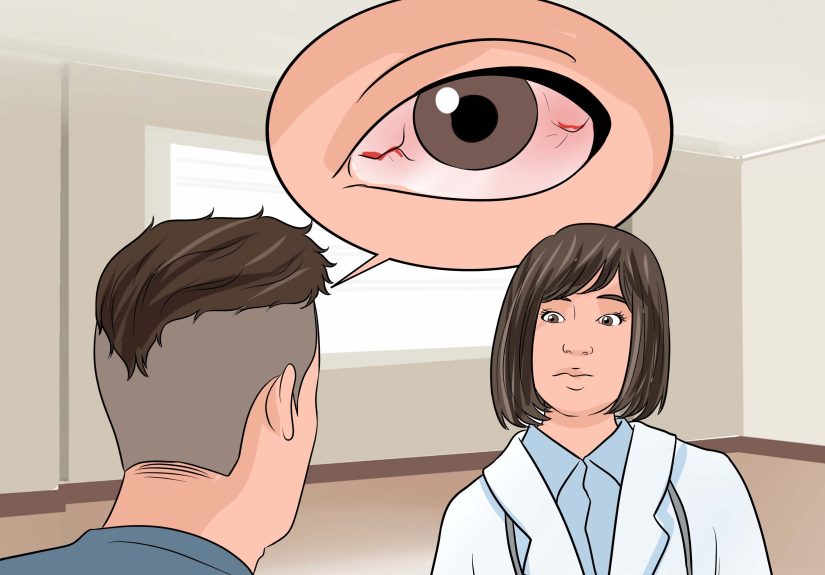
There is a fine line between “I am calmly removing my lens” and “I have been staring into the mirror for 30 minutes like a detective in a medical thriller.” If your eye becomes increasingly red, painful, watery, sensitive to light, or blurry, stop. If the lens will not move after repeated lubrication and gentle attempts, stop. If you think part of the lens is missing, stop. Your eye doctor has tools, magnification, dye, and training. You have a bathroom mirror and hope. Hope is lovely, but it is not an eye exam.
Seek professional help the same day if you cannot remove the lens, if you suspect a tear or fragment, or if irritation continues after the lens is removed. Seek urgent care immediately for severe pain, sudden vision changes, injury, or intense light sensitivity.
Why Contact Lenses Get Stuck in the First Place
Contact lenses usually get stuck because the eye or lens becomes too dry. Tears create a smooth layer that allows the lens to move comfortably with each blink. When that moisture layer thins, the lens can cling to the eye surface. Dry indoor air, allergies, dehydration, long screen sessions, sleeping in contacts, wearing lenses past their recommended time, or using old lenses can all contribute.
Another common cause is rubbing the eye. Rubbing can push a lens off-center, fold a soft lens, or tuck it under the eyelid. Poor fit can also be a factor. If your lenses frequently move around, stick, dry out, or feel uncomfortable, your prescription or lens type may need adjustment. Contact lenses are medical devices, not fashion stickers for your eyeballs. Fit matters.
Prevention Tips: Keep Lenses From Staging a Sit-In
Follow Your Wearing Schedule
Do not stretch daily lenses into “just one more day” or monthly lenses into “technically still a month if I ignore the calendar.” Replace lenses on schedule. Overused contacts collect deposits and become less comfortable, which can increase dryness and irritation.
Avoid Sleeping in Contacts Unless Your Doctor Says So
Sleeping in contact lenses can increase dryness and raise the risk of eye infection. Even if a lens is approved for extended wear, it should be used exactly as directed by your eye care provider. If you accidentally sleep in lenses, use lubricating drops before removal and give your eyes a break afterward.
Keep Water Away From Contacts
Do not rinse lenses with tap water, shower in contacts, or swim in contacts unless your eye doctor has given specific guidance. Water can carry microorganisms that do not belong near contact lenses. Use fresh contact lens solution for cleaning and storage, and replace your case regularly.
Use the Right Drops
Choose rewetting drops labeled for contact lens use. If you often need drops, that is a sign to discuss dryness, allergies, screen habits, or lens material with your eye doctor. Your eyes may be asking for a better plan, not just more drops.
Common Mistakes People Make With Stuck Contacts
The first mistake is panic. Panic makes hands shaky, blinking frantic, and decisions questionable. The second mistake is rubbing. Rubbing may move the lens farther under the lid or scratch the eye if debris is present. The third mistake is using the wrong liquid. Tap water, saliva, and peroxide solution do not belong in your eye. The fourth mistake is trying too many times. Repeated attempts can irritate the eye even if each attempt seems gentle.
Another common mistake is assuming the lens is still there when it may have fallen out. If you feel something in your eye but cannot find the lens, check the sink, towel, cheek, shirt, and floor. Contact lenses are tiny escape artists. Sometimes the “stuck lens” is actually a mildly irritated eye after the lens has already left the building.
After You Remove the Lens: What Comes Next?
Once the lens is out, inspect it. Is it torn? Folded? Dried out? Dirty? If it is a daily disposable, throw it away. If it is reusable and still intact, clean and disinfect it according to your eye doctor’s instructions. Do not put the same lens right back in if your eye is red, sore, watery, or irritated.
Wear glasses for the rest of the day if your eye feels sensitive. Use contact-safe lubricating drops if recommended, and avoid rubbing. If symptoms do not improve, call your eye doctor. A minor corneal scratch can feel like a boulder under the lid, and professional evaluation can prevent complications.
Experience-Based Advice: What It Feels Like and What Actually Helps
Anyone who has worn contact lenses long enough probably has a stuck-lens story. It usually begins with confidence: “I will just take these out quickly.” Then one lens pops out like a polite little guest, while the other one decides it has unfinished business. Suddenly, you are leaning into the mirror with one eye open, one eye watering, and the facial expression of someone trying to solve a crime.
The first experience lesson is that dryness is often the villain. Many people notice stuck lenses after long computer sessions, air travel, air conditioning, studying late, driving with vents blowing toward the face, or accidentally napping in contacts. In those cases, the eye may feel tight, gritty, or sticky. Adding rewetting drops and waiting a few minutes often works better than immediately trying to pinch the lens. The waiting part is hard because your brain is yelling, “Remove it now!” But your eye is quietly saying, “Moisture first, drama later.”
The second lesson is that lighting matters. A bright bathroom light or a small mirror near natural light can make the lens edge easier to see. Looking in different directions can reveal whether the lens is centered, folded, or hiding near the lid. Some people discover the lens is not stuck at all; it is simply sitting off-center. Once they stop staring straight ahead and actually move the eye around, the lens becomes visible.
The third lesson is to treat the upper eyelid with respect. A lens under the upper lid can feel alarming, but rough rubbing usually makes everything angrier. Gentle lid massage with the eye closed, combined with downward gaze and lubrication, is often more effective. The lens may slowly slide back into view. This is not the moment for superhero strength. It is the moment for calm, boring, careful technique.
The fourth lesson is that nails are not tools. Even short nails can scratch the eye or tear a soft lens. If you wear long nails, use extra caution and rely on the pads of the fingers. Some contact lens wearers learn removal techniques specifically designed for longer nails from their eye care provider. The safest technique is the one that removes the lens without poking the eye, pinching skin, or turning the whole event into a tiny wrestling match.
The fifth lesson is to keep supplies nearby. A small contact lens kit with rewetting drops, sterile saline, a clean lens case, backup glasses, and fresh solution can save you from improvising. Improvising is fine for dinner leftovers; it is not ideal for eye care. If you travel, bring extra lenses and glasses. If your eyes get dry often, ask your eye doctor whether a different lens material, replacement schedule, or dry-eye strategy would help.
The sixth lesson is to stop sooner than your ego wants to. Many people keep trying because they feel embarrassed. They think, “It is just a contact lens. I should be able to do this.” But eye doctors remove stuck contacts all the time. They will not gasp, ring a shame bell, or add your name to a secret list of lens failures. They will simply help. If your eye hurts, your vision changes, or you cannot remove the lens after gentle attempts, getting help is the smart move.
The final lesson is that prevention is less annoying than rescue. Replace lenses on time. Wash hands. Avoid water exposure. Do not sleep in contacts unless your eye doctor specifically approves it. Give your eyes breaks during long screen sessions. Keep your lens case clean and replace it regularly. And if one brand or type of lens repeatedly dries out or sticks, do not assume you are “bad at contacts.” You may simply need a better fit or different lens material.
Conclusion
Removing stuck contact lenses safely comes down to three practical approaches: rehydrate and slide out a dry soft lens, gently guide a lens out from under the eyelid, and use the correct technique for rigid lenses or lens fragments. In every case, patience beats force. Clean hands, contact-safe drops, good lighting, and gentle movement are your best friends. Fingernails, panic, tap water, and endless poking are very much not invited.
If the lens comes out and your eye feels normal, you can usually move on with your day, preferably while giving your eyes a little rest. If your eye remains red, painful, blurry, watery, or sensitive to light, contact an eye doctor. A stuck contact lens is usually manageable, but your vision is worth protecting. Treat your eyes kindly; they do a lot of unpaid work for you.







 Close
Close