
Table of Contents >> Show >> Hide
- Why Pantry Organization Matters
- 33 Kitchen Pantry Ideas for All Your Storage Needs
- 1. Start With a Full Pantry Clean-Out
- 2. Create Pantry Zones
- 3. Use Clear Storage Bins
- 4. Add Labels That Are Easy to Read
- 5. Decant Dry Goods Into Airtight Containers
- 6. Keep Cooking Instructions
- 7. Install Adjustable Shelving
- 8. Use Shelf Risers for Cans and Jars
- 9. Try Tiered Spice Racks
- 10. Bring in Lazy Susans
- 11. Use the Pantry Door
- 12. Add Pull-Out Baskets
- 13. Create a Breakfast Station
- 14. Build a Snack Zone
- 15. Make a Baking Center
- 16. Store Cans by Category
- 17. Use Deep Bins for Bulk Items
- 18. Choose Matching Containers for a Cleaner Look
- 19. Use Baskets to Hide Visual Clutter
- 20. Add Lighting
- 21. Use Narrow Pull-Out Storage
- 22. Add Drawer Dividers
- 23. Store Appliances in the Pantry
- 24. Add Outlets for Appliance Storage
- 25. Use Clear Jars for Grains and Legumes
- 26. Keep Heavy Items Low
- 27. Make Use of the Highest Shelf
- 28. Add a Rolling Cart
- 29. Store Produce Properly
- 30. Create a Meal Prep Shelf
- 31. Use Vertical Dividers
- 32. Add a Grocery Inventory System
- 33. Schedule a Monthly Pantry Reset
- Small Pantry Ideas That Make a Big Difference
- Walk-In Pantry Ideas for Maximum Storage
- Pantry Design Tips for a More Stylish Kitchen
- Common Pantry Organization Mistakes to Avoid
- of Real-Life Pantry Experience: What Actually Works
- Conclusion
A well-organized kitchen pantry is one of those home upgrades that feels small until it changes your entire cooking life. Suddenly, the pasta is not hiding behind the pancake mix. The cinnamon is not pretending to be chili powder. And the snack shelf no longer looks like a raccoon hosted a birthday party there.
Whether you have a walk-in pantry, a narrow cabinet, a pull-out shelf, or one brave corner of your kitchen trying its best, smart pantry organization can help you store more, waste less, and cook faster. The best kitchen pantry ideas are not just prettythey solve real problems: deep shelves, bulky packaging, disappearing spices, snack chaos, awkward corners, and that mysterious collection of half-used bags of rice.
Below are 33 practical pantry storage ideas for every kitchen size, budget, and lifestyle. Use them as a full pantry makeover plan or pick a few quick wins for this weekend.
Why Pantry Organization Matters
A pantry is not simply a place to stash food. It is the command center for meal prep, grocery planning, school lunches, baking projects, weeknight dinners, and emergency chocolate. When it is organized well, you can see what you own, use ingredients before they expire, avoid buying duplicates, and keep countertops cleaner.
The main goal is simple: every item should have a home, and every home should make sense. Cereal near breakfast foods. Oils and vinegars near cooking staples. Baking supplies together. Snacks where kids or busy adults can grab them without starting an archaeological dig.
33 Kitchen Pantry Ideas for All Your Storage Needs
1. Start With a Full Pantry Clean-Out
Before buying a single basket, remove everything from the pantry. Check dates, toss stale food, wipe down shelves, and group similar items together. This step is not glamorous, but neither is discovering three open bags of flour because they were all hiding in different corners.
2. Create Pantry Zones
Divide your pantry into zones such as breakfast, baking, snacks, canned goods, dinner staples, beverages, paper goods, and backstock. Zones make the pantry easier to maintain because items naturally return to the correct area.
3. Use Clear Storage Bins
Clear bins are pantry superheroes. They let you see what is inside, pull items forward easily, and prevent small packages from sliding into the forgotten-food dimension. Use them for granola bars, spice packets, pasta pouches, fruit snacks, baking chips, and tea bags.
4. Add Labels That Are Easy to Read
Labels are not just for people who alphabetize their sock drawer. They help everyone in the household know where things belong. Use simple labels like “Snacks,” “Breakfast,” “Baking,” “Pasta,” “Cans,” and “Kids’ Lunch.” Fancy script is optional; readability is not.
5. Decant Dry Goods Into Airtight Containers
Flour, sugar, rice, oats, cereal, pasta, and beans often store better in airtight containers than in flimsy packaging. Decanting also creates a cleaner look and makes it easier to see when you are running low. For best results, choose containers with wide openings so scooping is simple.
6. Keep Cooking Instructions
If you move food into jars or canisters, cut out cooking directions from the original package and tape them to the back or bottom of the container. Future you will be grateful when making quinoa at 7 p.m. with exactly 14% brain power left.
7. Install Adjustable Shelving
Adjustable shelves let your pantry grow with your needs. Move shelves closer together for cans and spices, or create taller spaces for cereal boxes, appliances, and bulk goods. This is especially helpful in small pantries where every inch has to earn rent.
8. Use Shelf Risers for Cans and Jars
Shelf risers create vertical layers so you can see what is hiding in the back. They work well for canned tomatoes, beans, soup, peanut butter, jam, and small jars. Instead of moving six cans to find one, you get instant visibility.
9. Try Tiered Spice Racks
A tiered spice rack turns a messy spice shelf into a mini stadium where every jar gets a front-row seat. Arrange spices alphabetically, by cuisine, or by frequency of use. If you cook often, keep everyday seasonings at eye level.
10. Bring in Lazy Susans
Lazy Susans are ideal for deep shelves, corners, oils, vinegars, sauces, nut butters, condiments, and baking extracts. One spin and the sesame oil appears like magic. Use divided turntables for small packets or bottles that tend to topple.
11. Use the Pantry Door
The back of the pantry door is prime storage real estate. Add an over-the-door rack for spices, snacks, wraps, foil, sandwich bags, or small jars. Hooks can hold measuring spoons, reusable shopping bags, aprons, or a grocery list clipboard.
12. Add Pull-Out Baskets
Pull-out baskets make deep cabinets easier to use. They are perfect for potatoes, onions, snacks, baking supplies, or pantry backstock. Instead of reaching into a dark cabinet and hoping for the best, you slide the whole basket forward.
13. Create a Breakfast Station
Group cereal, oatmeal, pancake mix, syrup, granola, coffee, tea, and breakfast bars in one area. Mornings are already dramatic enough; your pantry should not add a plot twist before 8 a.m.
14. Build a Snack Zone
A snack zone keeps chips, crackers, fruit cups, popcorn, nuts, and granola bars together. Use open bins for easy grabbing. If you have kids, place approved snacks on a lower shelf so they can help themselves without climbing like tiny mountaineers.
15. Make a Baking Center
Store flour, sugar, brown sugar, powdered sugar, baking powder, baking soda, chocolate chips, sprinkles, extracts, parchment paper, and cupcake liners together. Add a small bin for decorating supplies so they do not scatter across the pantry like edible confetti.
16. Store Cans by Category
Group canned goods by type: beans, vegetables, tomatoes, soups, seafood, fruit, and coconut milk. Use can risers or narrow bins to keep rows tidy. Put older cans in front so they are used first.
17. Use Deep Bins for Bulk Items
Bulk purchases can save money, but they can also eat your pantry alive. Use deep bins for warehouse-size bags, extra cereal boxes, paper towels, and backup condiments. Label the bins clearly so backstock does not become invisible stock.
18. Choose Matching Containers for a Cleaner Look
Matching containers make a pantry look calm and intentional. They do not have to be expensive. Mason jars, stackable plastic containers, or simple glass canisters can all work. The key is consistency in shape and size.
19. Use Baskets to Hide Visual Clutter
Wicker, wire, bamboo, or fabric baskets are excellent for hiding packaging that looks loud. Use them for chips, bread, produce, paper goods, or lunch supplies. Add labels so style does not become a guessing game.
20. Add Lighting
A dark pantry makes it harder to find what you need. Battery-powered puck lights, motion-sensor strips, or plug-in lights can brighten shelves instantly. Good lighting also helps you notice spills, crumbs, and almost-empty containers.
21. Use Narrow Pull-Out Storage
If you have a slim gap beside the fridge or between cabinets, consider a narrow pull-out pantry. It can hold spices, oils, canned goods, or baking bottles. Small kitchens benefit the most from these sneaky storage zones.
22. Add Drawer Dividers
If your pantry has drawers, dividers can organize tea, coffee pods, snack bars, spice packets, candy, and small baking items. Without dividers, pantry drawers can quickly become a junk drawer wearing a grocery costume.
23. Store Appliances in the Pantry
If your pantry has enough room, store small appliances such as a blender, waffle maker, rice cooker, slow cooker, or toaster oven inside. This frees counter space and keeps the kitchen looking cleaner. For frequently used appliances, place them on sturdy waist-level shelves.
24. Add Outlets for Appliance Storage
In a walk-in or butler’s pantry, outlets can turn the space into a functional prep zone. You can charge small devices, use a coffee maker, run a blender, or keep appliances ready without crowding the main kitchen counter.
25. Use Clear Jars for Grains and Legumes
Rice, lentils, quinoa, beans, barley, and couscous look tidy in clear jars. More importantly, you can see quantities at a glance. This helps with meal planning and prevents buying yet another bag of rice when you already own enough to feed a small village.
26. Keep Heavy Items Low
Store heavy items like flour bins, large drink packs, bulk cans, and appliances on lower shelves. This is safer and easier on your back. Reserve higher shelves for lightweight extras such as paper towels, napkins, and party supplies.
27. Make Use of the Highest Shelf
The top shelf is best for occasional-use items: holiday baking supplies, serving pieces, extra paper goods, and backup ingredients. Keep a small folding step stool nearby if the shelf is high. Pantry organization should not require advanced gymnastics.
28. Add a Rolling Cart
A rolling cart can act as a mini pantry in apartments, rentals, dorm-style kitchens, or homes without built-in storage. Use it for coffee supplies, baking ingredients, snacks, or produce. When needed, roll it out; when finished, tuck it away.
29. Store Produce Properly
Some produce stores well in a cool, dry pantry, including onions, garlic, potatoes, squash, and certain fruits. Use breathable baskets or bins and keep onions and potatoes separated to help them last longer. Avoid sealed containers for produce that needs airflow.
30. Create a Meal Prep Shelf
Designate one shelf for easy weeknight dinners. Stock pasta, rice, sauces, canned beans, tuna, broth, tortillas, and quick-cooking grains. When dinner panic arrives, this shelf becomes your calm little emergency department.
31. Use Vertical Dividers
Vertical dividers are useful for baking sheets, cutting boards, serving trays, reusable grocery bags, and large flat items. They prevent the leaning tower of pans from collapsing every time you reach for parchment paper.
32. Add a Grocery Inventory System
Keep a small whiteboard, notepad, or phone list for pantry staples. When something runs low, add it immediately. This prevents duplicate purchases and helps you shop with purpose instead of vibes.
33. Schedule a Monthly Pantry Reset
A pantry does not stay organized forever on good intentions alone. Schedule a quick monthly reset: straighten bins, wipe shelves, check dates, refill containers, and move older food forward. Ten minutes can prevent a full pantry meltdown later.
Small Pantry Ideas That Make a Big Difference
Small pantries need smart systems more than large ones. When space is limited, focus on vertical storage, door storage, stackable containers, and slim bins. Avoid oversized packaging whenever possible. Remove snacks from bulky boxes and place individual packets in open bins. Use risers so short items do not disappear behind taller ones.
For apartment kitchens or homes without a pantry, create one using a freestanding cabinet, bookcase, bar cart, wall-mounted shelves, or a section of kitchen cabinets. The best pantry is not defined by size. It is defined by whether you can find the pasta before the water boils.
Walk-In Pantry Ideas for Maximum Storage
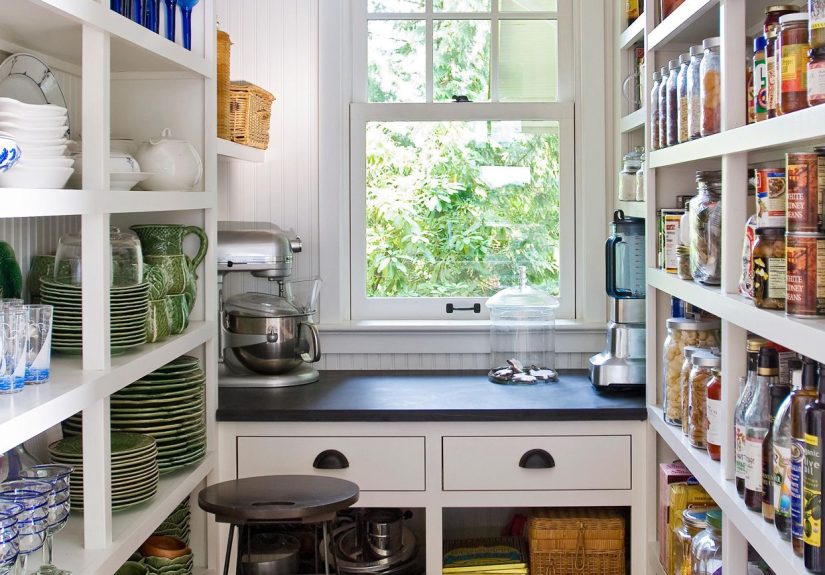
If you have a walk-in pantry, think beyond shelves. Add counter space for small appliances, baskets for produce, drawers for packets, pull-outs for deep storage, and labeled zones for every category. Keep everyday items at eye level and less-used items higher up.
A walk-in pantry can also become a secondary prep space. With lighting, outlets, and a small counter, it can hold a coffee station, breakfast station, baking area, or smoothie setup. This keeps mess away from the main kitchen and makes busy mornings smoother.
Pantry Design Tips for a More Stylish Kitchen
Function comes first, but style matters too. A beautiful pantry encourages everyone to keep it tidy. Choose containers that match your kitchen’s style, whether that means glass jars, bamboo lids, wire baskets, white bins, or natural woven baskets. Add shelf liners for easy cleaning and a polished look.
If your pantry is open or visible from the kitchen, use fewer packaging colors and more uniform storage pieces. If the pantry has a door, you can be more relaxed, but clear zones and labels still help. For a soft decorative touch, consider a curtain, frosted glass door, painted pantry door, or wallpaper inside the pantry.
Common Pantry Organization Mistakes to Avoid
The biggest mistake is buying organizers before measuring. Measure shelf width, depth, and height before purchasing bins or containers. Otherwise, you may end up with gorgeous baskets that fit absolutely nowhere, which is a very fancy way to create more clutter.
Another mistake is decanting everything without a plan. Airtight containers are helpful for staples, but not every item needs to leave its package. If you rarely use an ingredient, keeping it in the original package may be easier. Focus on foods you use often.
Finally, avoid overstocking. A pantry packed to the ceiling is not necessarily efficient. Leave breathing room so items are visible and easy to remove. Empty space is not wasted space; it is what keeps the system functional.
of Real-Life Pantry Experience: What Actually Works
After organizing many types of kitchensfrom tiny rental cabinets to roomy walk-in pantriesthe biggest lesson is that pantry organization must match real habits, not fantasy habits. A perfect pantry that only works for a photoshoot will collapse by Tuesday. A practical pantry that works for tired humans will last.
For example, clear bins are often more useful than decorative closed boxes because people can see what is inside. When snacks are hidden in opaque containers, someone usually opens three bins, gives up, and leaves everything slightly more chaotic than before. Clear bins reduce the guessing. They are especially helpful for kids, roommates, and anyone who claims they “looked everywhere” while standing directly in front of the crackers.
Another experience-based tip: do not create too many categories. “Organic gluten-free high-protein afternoon snacks” may sound organized, but it is too specific for daily life. Broad labels like “Snacks,” “Baking,” “Dinner,” and “Breakfast” are easier to maintain. A good pantry system should be simple enough that a guest could put away groceries without needing a training manual.
Deep shelves are a common frustration. The solution is almost always pull-forward storage. Bins, baskets, sliding drawers, and turntables make deep shelves usable. Without them, the back of the shelf becomes a food museum. You may discover ancient pasta, three jars of salsa, or a spice blend you bought for one recipe in 2019 and never emotionally recovered from.
For families, snack zones are life-changing. Put parent-approved snacks in one visible bin or drawer. This reduces repeated questions and makes lunch packing faster. For households without children, the same idea works for protein bars, coffee supplies, workout snacks, or quick office lunches.
Decanting is helpful, but only when it solves a problem. Flour, sugar, rice, oats, cereal, and pasta are great candidates because their original packaging is often messy or bulky. But tiny specialty ingredients may not need containers. The goal is not to make your pantry look like a boutique grocery store. The goal is to make cooking easier.
Lighting is another underrated upgrade. A dark pantry feels cluttered even when it is organized. Simple battery-powered lights can make a pantry feel cleaner, brighter, and more expensive. Plus, you are less likely to knock over olive oil while searching for taco shells.
The final secret is maintenance. Every pantry needs a reset. Not a dramatic, cancel-your-plans resetjust a quick monthly check. Refill containers, toss stale items, move older food forward, and return wandering items to their zones. Pantry organization is not about perfection. It is about building a system that forgives real life and still helps you get dinner on the table.
Conclusion
The best kitchen pantry ideas combine visibility, accessibility, and realistic habits. Whether you install pull-out shelves, label clear bins, add turntables, create zones, or simply stop letting cereal boxes form a cardboard skyscraper, every improvement makes your kitchen easier to use.
Start with one shelf, one category, or one problem area. A pantry makeover does not have to happen in a single day. With the right storage tools and a practical system, your pantry can become cleaner, smarter, and much less likely to hide the peanut butter from you.






 Close
Close