
Table of Contents >> Show >> Hide
Money talks, sure. But some jobs practically yell back.
There is a point where a paycheck, even a very handsome one, starts losing arguments against exhaustion, danger, trauma, isolation, public blame, or the kind of stress that makes Sunday afternoon feel like a spoiler for Monday misery. In other words, salary matters right up until a job begins asking for your sleep, your spine, your social life, and occasionally your peace of mind.
That is why certain roles stay notoriously hard to fill, even when they come with premium wages, overtime, hazard pay, bonuses, or elite status. Some are physically dangerous. Some are emotionally brutal. Some look glamorous from a distance and feel like a pressure cooker once you are inside. And some are a special blend of all three, which is the employment equivalent of a triple espresso served in a lightning storm.
This list is not about mocking hardworking professionals. Quite the opposite. Many of these careers are essential, respectable, and even admirable. But admiration does not automatically equal mass appeal. Plenty of people look at the risks, responsibilities, and lifestyle tradeoffs and think, “That salary is nice, but I would also like to remain a functioning human being.”
Why high pay is not always enough
When people avoid a job despite strong compensation, the reason usually comes down to one or more of five things: danger, burnout, trauma exposure, unpredictability, or accountability so crushing it could flatten a small sedan. A role may offer six figures, but if it also delivers 3 a.m. calls, chronic fatigue, high injury risk, or daily encounters with human suffering, the money starts looking less like a reward and more like hazard seasoning.
That is especially true in careers where mistakes carry enormous consequences. In some jobs, an error means an awkward email. In others, it can mean a catastrophic accident, a medical emergency, a lawsuit, a public scandal, or a lifetime memory nobody asked for. Those are the roles that make outsiders pause and quietly back away while saying, “You know what, accounting suddenly sounds thrilling.”
37 jobs many people would rather admire from a safe distance
Dangerous, dirty, and physically punishing
- Logger Logging has long been one of those jobs that makes even brave people think twice. It combines heavy machinery, unpredictable terrain, brutal weather, and massive falling timber. Great pay does not erase the fact that the work itself feels like an argument with gravity.
- Commercial fisher Life at sea sounds poetic until it is freezing, slippery, isolated, and mechanically unforgiving. Commercial fishing can pay well in the right conditions, but the danger, fatigue, and time away from home make it a hard sell for most people.
- Roofer Roofing is honest work, but it is also hot, elevated, physically punishing work done on surfaces that were apparently designed by chaos. A strong paycheck does not magically make heights relaxing.
- Structural ironworker Some people can casually balance high above a city skyline and keep working. Most people, meanwhile, would prefer both feet on the ground and their heart rate below hummingbird level.
- Construction laborer Construction can offer steady pay and overtime, but it also demands endurance, weather tolerance, physical toughness, and acceptance of real injury risk. Your back usually learns about the job before your bank account does.
- Electrical power-line installer and repairer The pay can be strong, especially after storms, but the danger is obvious. Workers face heights, electricity, bad weather, and emergency callouts that can turn one rough day into a sleepless week.
- Underground mining machine operator Underground work remains a psychological “no thanks” for a lot of people. Confined spaces, darkness, machinery, dust, and disaster risk are not exactly recruiting slogans that make hearts flutter.
- Refuse and recyclable material collector Garbage collection pays better than many assume, but it is physically demanding, messy, schedule-heavy, and tied to road hazards. Somebody has to do it. Most people just do not want that somebody to be them.
- Driver-sales worker or long-haul truck driver The road can be lucrative, but it can also be lonely, exhausting, and punishing on sleep, posture, diet, and family life. A bigger paycheck loses some shine when every week feels like a highway-shaped time warp.
- Oil rig worker Offshore roles can deliver eye-catching compensation, but they also involve long rotations, high risk, harsh conditions, and living far from normal life. Some people love the intensity. Others hear “weeks away on a metal platform” and immediately choose a desk.
- Deep-sea welder This is one of those jobs that sounds made up by an action-movie screenwriter. It can pay extremely well because it combines technical skill with hazardous environments where almost every variable feels unfriendly.
- Farmer or agricultural manager Farming may not fit the stereotype of a flashy high-salary role, but when operations scale up, the financial upside can be significant. So can the stress, the machinery risk, the weather dependence, and the reality that nature does not honor weekends.
- Grounds maintenance worker in hazardous settings Outdoor upkeep looks simple until it involves heavy tools, traffic exposure, heat, repetitive strain, and chemical contact. It is one of those jobs people underestimate until they actually do it.
Public safety and emergency roles that demand a lot more than courage
- Police officer Law enforcement carries danger, unpredictability, public scrutiny, and emotional wear. Even for people who respect the profession, the daily pressure alone is enough to keep many from signing up.
- Firefighter Firefighting comes with admiration and purpose, but also heat, toxic exposure, trauma scenes, irregular schedules, and enormous physical strain. Heroic, yes. Easy, absolutely not.
- EMT or paramedic Emergency medical work demands speed, calm, physical stamina, and the ability to function while other people are having the worst day of their lives. For many, no amount of overtime can make that sustainable forever.
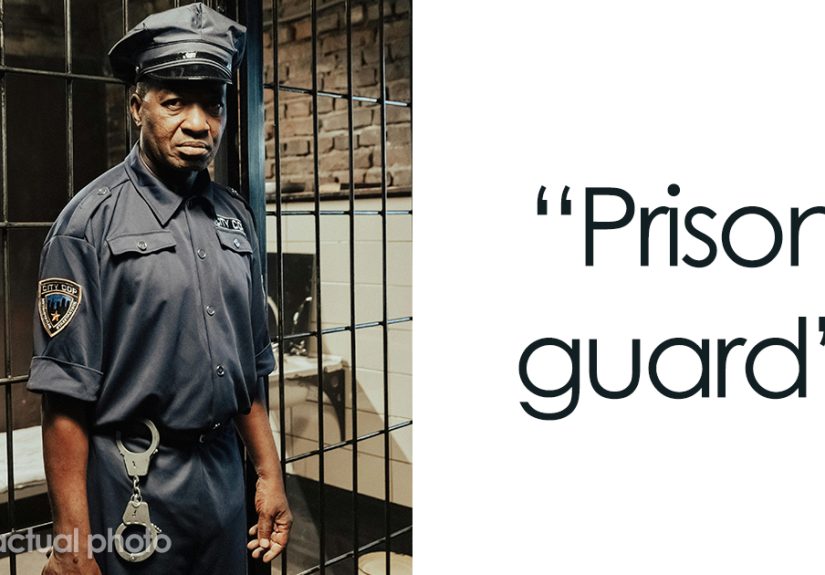
- Correctional officer Prison work is often avoided because the stress is relentless. Threat assessment becomes second nature, tension never fully leaves the room, and burnout can build from a hundred small pressures instead of one dramatic event.
- Probation officer On paper, it sounds administrative. In reality, it can involve high caseloads, safety concerns, difficult home visits, courtroom pressure, and emotionally heavy decisions that follow workers home.
- 911 dispatcher This job is proof that trauma does not always wear boots or a uniform. Dispatchers absorb panic all day, must think clearly under pressure, and rarely get the public appreciation that frontline responders receive.
- Air traffic controller Excellent pay, yes. But the mental load is enormous. It is a profession built on precision, sustained concentration, irregular schedules, and the knowledge that a lapse is not just inconvenient. That is enough to make most people politely decline.
- Security officer in high-risk environments Security work can range from routine to deeply volatile. Once a role includes confrontation, overnight shifts, weapons concerns, or unpredictable public interactions, the paycheck starts earning every cent.
Healthcare jobs that can pay well but demand emotional armor
- Emergency room physician ER doctors are highly skilled and often highly paid, but the work is fast, relentless, and emotionally punishing. You do not just treat illness. You manage chaos.
- Trauma surgeon The compensation may be elite, but so is the pressure. Long training, brutal hours, life-or-death decisions, and cumulative stress make this a career many admire but very few truly want.
- Anesthesiologist This role pays well for a reason. The work requires extreme accuracy, constant vigilance, and zero appetite for avoidable mistakes. It is not dramatic in a movie way. It is dramatic in a “one wrong decision is enormous” way.
- ICU nurse Intensive care nursing demands technical excellence and emotional stamina in equal measure. It is deeply meaningful work, but the intensity is enough to send many would-be candidates in search of gentler careers.
- Emergency department nurse ER nursing adds fast turnover, unpredictable cases, violence risk, exposure risk, and constant overload. The job can be rewarding, but nobody accidentally wanders into it because they heard it was relaxing.
- Nursing assistant or orderly These workers do physically strenuous, highly personal care work that can be emotionally draining and hard on the body. The role is essential, but the demands are a major reason people hesitate.
- Hospice worker Hospice requires grace, compassion, and emotional resilience that most people underestimate. Even when the work feels meaningful, living so close to grief every day can be exhausting.
- Veterinary emergency clinician This job combines medicine, grief, client emotion, injury risk, and long hours. Many animal lovers discover that loving pets and working emergency vet shifts are two very different things.
- Social worker in crisis settings Social work may not always come with sensational salaries, but specialized roles can pay solidly. The challenge is the emotional weight: trauma, bureaucracy, impossible caseloads, and outcomes nobody can fully control.
- Child protective services investigator This is one of the clearest examples of a job people avoid because the emotional cost is too high. High stakes, difficult family situations, and constant moral pressure do not leave much room for carefree evenings.
- Funeral director or embalmer The pay can be respectable and the work is deeply valuable, but many people simply cannot imagine spending their career in close contact with death, grief, and unusual hours.
High-paying white-collar jobs that can quietly wreck your life
- Investment banker The salary is legendary. So are the hours. Many people hear “prestige” and “bonus” and then learn the role may also involve chronic sleep deprivation and a relationship with work that borders on hostage negotiation.
- Corporate lawyer or trial attorney The money can be enormous, but so can the pressure. Tight deadlines, adversarial environments, high-billable expectations, and reputational stakes turn the profession into a marathon run at sprint speed.
- Crisis public relations executive When everyone else is panicking, this person is supposed to sound calm, strategic, and somehow caffeinated without trembling. The pay can be strong, but your phone effectively stops respecting bedtime.
- Cybersecurity incident responder High salaries attract talent, but the reality can mean on-call alerts, breach response, night work, and constant vigilance. It is hard to “switch off” when your job is literally spotting threats.
- Turnaround CEO or restructuring specialist In theory, this is elite leadership. In practice, it often means walking into a fire, smiling professionally, and being blamed if the building was already smoldering.
- High-stakes sales executive Big commission sounds wonderful until every quarter feels like a cliff edge. Public targets, travel, rejection, and constant performance pressure make this role far less shiny than the pay stub suggests.
What these jobs have in common
At first glance, these careers look wildly different. A logger and an anesthesiologist do not exactly share a dress code. But they often share the same underlying problem: the compensation is trying to offset something most people do not want in bulk. Maybe it is danger. Maybe it is fatigue. Maybe it is moral stress, relentless responsibility, traumatic exposure, or the slow erosion of work-life balance.
That is why salary alone is a bad career filter. A high number can hide a messy reality. It can also attract people for the wrong reason, which usually ends badly. The smarter question is not “How much does it pay?” but “What is this job asking me to trade away in order to earn it?” Sometimes the answer is time. Sometimes it is comfort. Sometimes it is emotional steadiness. And sometimes it is your knees, your sleep, and your ability to enjoy a ringtone ever again.
The real lesson for job seekers
None of this means people should avoid difficult work. It means they should understand it. Every hard job has people who genuinely thrive in it. Some workers love structure, adrenaline, service, physical grit, or high accountability. Others feel a sense of mission that matters more than inconvenience. But choosing one of these professions should come from fit, not fantasy.
If you are considering a tough, high-paying role, ask practical questions before the salary hypnotizes you. What is the schedule really like? How much sleep disruption comes with it? What does the stress do to families? How often do workers leave? What kind of support exists for burnout, injury, or trauma exposure? And perhaps most importantly, what do people in the field say when they are being honest instead of recruiting?
Because a tantalizing salary can open a door, but it cannot always make you want to walk through it twice.
Experiences people often describe in these hard-to-fill jobs
Talk to people who have worked in dangerous or high-burnout roles, and their stories often sound different on the surface but strangely similar underneath. One person talks about twelve-hour shifts that became fourteen. Another talks about missing birthdays, school plays, anniversaries, or holidays because the job does not care what day the calendar thinks it is. Someone else describes the weird emotional whiplash of earning great money while feeling too exhausted to enjoy any of it. That may be the most common theme of all: the paycheck arrives, but the energy to spend the life it is supposed to improve does not always show up with it.
Workers in emergency response and healthcare often describe an “always on” nervous system. Even when the shift ends, the body does not always get the memo. Sleep can become shallow. Meals become irregular. Conversations at home get interrupted by work memories, not because people want to be dramatic, but because stress has a way of hanging around like an uninvited roommate. Many professionals in these fields also talk about emotional compartmentalization. It helps them perform. It also makes it harder to switch back into ordinary life, where nobody wants a clinical answer to the question, “How was your day?”
People in physically dangerous jobs describe a different but equally revealing reality. They often become hyperaware of routine risks that outsiders never notice: weather, footing, fatigue, equipment condition, timing, blind spots, shortcuts, and the habits of coworkers. That constant situational awareness can become mentally tiring all by itself. A construction worker, line installer, or roofer may finish the day not just physically worn out, but cognitively drained from having to stay sharp every minute.
In high-pressure white-collar work, the stories shift from physical danger to psychological saturation. People talk about inboxes that never sleep, clients who believe everything is urgent, and careers where success often buys more responsibility rather than more peace. The status can be real. So can the burnout. A surprising number of professionals eventually realize they are being paid not just for skill, but for availability, pressure tolerance, and willingness to let work colonize their personal time.
Still, many workers stay because these jobs can also bring pride, mastery, camaraderie, and purpose. That is the complicated truth. The same role that scares one person away can make another feel useful, capable, and alive. But those positive experiences usually come when workers enter with clear eyes, realistic expectations, and support systems that protect them from becoming another cautionary tale with a nice salary and no weekends left.
Conclusion
The jobs people avoid most are not always the lowest paid. Often, they are the ones where the compensation has to fight against danger, stress, isolation, or emotional wear and tear. That does not make these careers bad. It makes them costly in ways that a salary figure cannot fully capture. For job seekers, the smartest move is to measure the whole package, not just the number on the offer letter. A big paycheck can be attractive. A sustainable life is usually more attractive.







 Close
Close