
Table of Contents >> Show >> Hide
- What Counts as “Cold Water Therapy”?
- The Short List: 5 Potential Benefits
- Who Should Skip or Be Extra Careful?
- Smart Starter Protocols (Beginner-Friendly)
- Risks & How to Reduce Them
- Cold vs. Heat vs. Contrast: When to Use Which?
- FAQs (Short, Friendly, and Useful)
- Bottom Line
- Conclusion
- Personal & Practitioner Experiences (500+ Words)
From ice baths to brisk cold showers, here’s what the science actually saysplus how to try it safely without turning yourself into a popsicle.
What Counts as “Cold Water Therapy”?
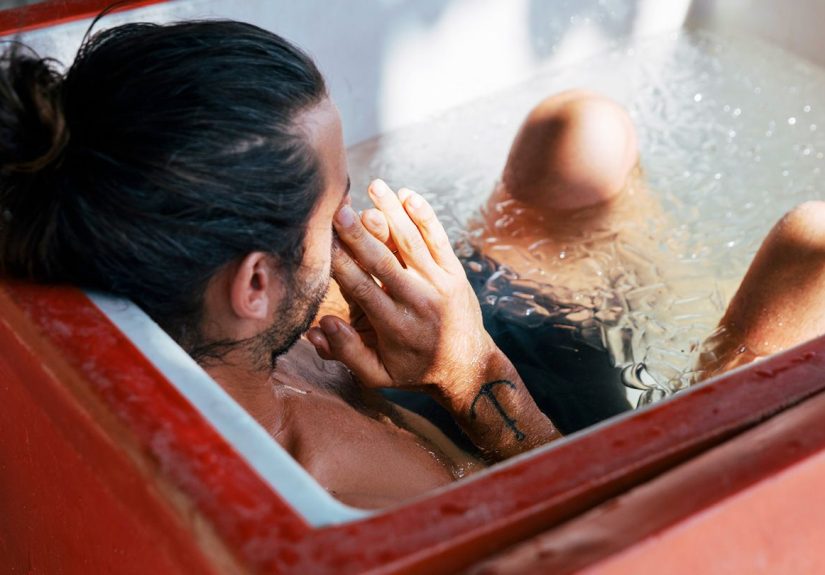
Cold water therapy (CWT) generally means brief, controlled exposure to cool or cold waterthink cold showers, ice baths, cold plunges, or open-water dips. Most protocols fall between 50–60°F (10–15.5°C) for a few minutes. The goal isn’t suffering; it’s a short, tolerable stressor that nudges your body to adapt in useful ways.
Quick safety recap: If you have a heart condition, high blood pressure, Raynaud’s, are pregnant, or have any medical concerns, talk to your clinician first. Start warmer and shorter, never go alone, and always warm up gradually afterward.
The Short List: 5 Potential Benefits
1) May Reduce Post-Workout Muscle Soreness (DOMS)
If you’ve ever finished a hard leg day and walked like a baby giraffe the next morning, you know delayed onset muscle soreness. Meta-analyses suggest that cold-water immersion can modestly reduce soreness in the first 24–48 hours after intense exercise compared with passive recovery. The effect size isn’t huge and results vary by temperature, duration, and timing. Translation: it can help you feel a bit better, especially after grueling sessions or tournaments.
How to try: After high-intensity or repeated-bout days, consider 5–10 minutes at 50–59°F (10–15°C). If your main goal is building muscle size or strength, avoid ice baths immediately post-lift; use them on rest days or after endurance sessions to minimize any interference with adaptations.
2) Might Lift Mood and Ease Stress (Hormesis at Work)
Brief cold exposure triggers a neurochemical cocktailnorepinephrine, dopamine, and endorphinsthat many people perceive as an immediate mood lift. Early studies and reviews note improved perceived stress, vigor, and sleep quality in some groups using cold showers or plunges. The mechanism appears to be “hormesis”: a small, controlled stressor that nudges resilience upward. It’s not a cure for anxiety or depression, but paired with standard care, some people report it as a helpful adjunct.
How to try: Begin with a 30–60 second cool finish at the end of your shower, then progressively work down to 2–3 minutes of cold. Pair with slow, nasal breathing to blunt the initial gasp reflex.
3) May Support Recovery by Taming Inflammation (Short Term)
Cold causes vasoconstriction and can temporarily dampen inflammatory signaling. In sports settings, that often translates to feeling less stiff and more ready for the next session. Reviews suggest contrast water therapy (alternating hot and cold) can also reduce perceived soreness. Just remember: short-term anti-inflammation is useful for tournament schedules, but chronic icing could, in theory, blunt some training adaptations over time if overused right after resistance work.
How to try: For a heavy training block or multi-day competition, rotate 1–2 plunges per week or use contrast sessions (1–2 minutes cold, 1–2 minutes warm, repeat 3–5 times).
4) Could Nudge Metabolism via Brown Fat Activation
Cold exposure activates brown adipose tissue (BAT)</strong), which burns energy to create heat (non-shivering thermogenesis). Human studies show that regular, brief cold exposures can increase cold tolerance and may raise energy expenditure in the short term. Don’t expect dramatic fat loss from plunges alonenutrition and activity still do the heavy liftingbut BAT activation is one plausible, modest lever.
How to try: Consistency beats heroics. A few minutes of cool/cold exposure several times a weekplus brisk walks in chilly weather with appropriate clothingcan provide the adaptive nudge without undue risk.
5) May Improve Sleep and Perceived Recovery
Some participants in controlled studies report better sleep quality and lower perceived stress after ice baths or cold showers, with benefits sometimes appearing hours after exposure. Mechanistically, a mild post-cold rebound in parasympathetic tone and core temperature dynamics might contribute. Treat this as a “might help” tool rather than a magic button.
How to try: Finish an early-evening shower cool for 1–2 minutes. Avoid very cold plunges right before bed, which can be too stimulating for some people.
Who Should Skip or Be Extra Careful?
- Cardiovascular disease, uncontrolled hypertension, arrhythmias: Cold shock spikes heart rate and blood pressure. Get medical clearance.
- Raynaud’s disease, peripheral neuropathy, or poor circulation: Higher risk of vasospasm or tissue injury.
- Pregnancy or complex medical conditions: Discuss with your clinician first.
- Open water risks: Cold shock and involuntary gasp can lead to drowning; never swim alone, and wear a flotation device.
Smart Starter Protocols (Beginner-Friendly)
- Cold-finish showers: End with 30–60 seconds cold. Add 15–30 seconds each session until you reach 2–3 minutes. Breathe slowly through the nose; relax the jaw and shoulders.
- At-home plunge or tub: Target 50–59°F (10–15°C) for 2–5 minutes, 2–4x/week. Keep sessions time-boxed; you’re practicing consistency, not hardship.
- Post-cardio vs. post-lift: Prefer plunges after endurance/conditioning days. If you’re chasing strength/size, wait at least 4–6 hours after liftingor use cold on rest daysto avoid blunting gains.
- Warm up wisely: Dry off, dress warmly, sip something hot, and move lightly (march in place, gentle mobility). Avoid scalding showers right away.
Risks & How to Reduce Them
Cold shock & hyperventilation: The first 10–30 seconds are the spiciest; pre-commit to calm nasal breathing and keep your head above water at first.
Hypothermia: Keep sessions short, especially below 55°F (13°C). Shivering is your “yellow light”end the session and rewarm.
Skin & nerve injury: Skip prolonged or extreme exposures, especially near-freezing water.
Open-water safety: Use supervised locations, wear a bright cap, and know exit points. Wind + wet skin = rapid heat loss.
Cold vs. Heat vs. Contrast: When to Use Which?
- Cold: Acute soreness control, tight competition turnarounds, perceived stress relief.
- Heat (sauna, hot bath): Great for relaxation, chronic stiffness, and cardiovascular conditioning on non-training days.
- Contrast: Alternating hot/cold may reduce perceived sorenesshandy during congested training weeks.
Think of these as tools in a kit. Use the one that matches your goal for the dayrecovery, performance, or adaptation.
FAQs (Short, Friendly, and Useful)
Will cold plunges boost my immunity? You might see fewer “down days” anecdotally, but strong clinical proof is limited. Prioritize sleep, nutrition, and vaccines; treat cold exposure as a nice-to-have.
How cold is “cold enough”? If you can stay calm but it still feels challenging, you’re there. For most people, 50–59°F (10–15°C) hits the sweet spot.
How often? Two to four brief sessions per week works for many. Daily isn’t necessary for benefits and raises risk if you go too long or too cold.
Weight loss miracle? No. It may add a small metabolic bump (BAT activation), but nutrition and movement dominate body-composition outcomes.
Bottom Line
Cold water therapy is best viewed as a small, strategic boosta way to reduce soreness, steady your mood, and possibly nudge metabolism and sleep. The evidence base is promising but mixed, so treat it like any training tool: use with intention, respect the risks, and keep your eyes on fundamentals (training, nutrition, sleep, and stress management).
Conclusion
sapo: Cold plunges and cool showers are having a moment. From easing post-workout soreness to lifting mood and sleep quality, cold water therapy offers several possible benefits when used safely and intentionally. This in-depth guide walks through what counts as “cold,” who should be cautious, how to start, when to use cold vs. heat, and practical protocols you can copy todayno hype, just evidence-informed advice with real-world examples.
Personal & Practitioner Experiences (500+ Words)
My first month of cold showers: I started with 20-second cool finishes at the end of my normal shower and added 10–15 seconds every other day. The first week felt like wrestling a snowstorm, but by day 10 I noticed calmer breathing and a surprisingly quick shift from “nope” to “okay, I’ve got this.” On days I did steady-state cardio, a 2-minute cold finish left my legs less heavy; after heavy squats, I waited until evening to avoid dampening strength adaptations. Sleep tracked by a wearable didn’t change dramatically, but I fell asleep faster on nights I finished with a cool rinse before 8 p.m.
What athletes reported during a tournament block: Working with a club team during a 3-games-in-2-days weekend, we used 6–8 minute plunges at ~55°F (13°C) immediately post-match, plus gentle pedaling and a warm drink. Athletes rated soreness ~1 point lower (0–10 scale) the next morning versus the prior tournament where we used only foam rolling and stretching. Two players who tried 45°F (~7°C) for 10 minutes reported feeling “drained cold” afterward and had sluggish warm-ups the next daygood reminder that more is not more.
Open-water community tips: Cold-water swimmers swear by the “three hats” rule: one on the head, one on the body (wetsuit or thermal layer), one for safety (bright cap or tow float). They also stress the “afterdrop”that weird period when your core temp keeps falling after you exit. The fix: dress dry and warm immediately, drink something hot, and do light movement. No racing friends to the coffee shop while still in wet gear.
If you strength train: A common strategy is “separate the stressors.” Lift in the morning, then (if desired) use a cold plunge late afternoon or evening. On hypertrophy blocks, skip post-lift plunges entirely for a few weeks and rely on sleep, protein timing, and an easy walk for recovery. Re-introduce cold on conditioning days or deload weeks when reducing soreness matters more than squeezing every ounce of adaptation.
Finding your dose: The “minimum effective chill” looks different for everyone. One executive client thrived on a 60-second cold finish after lunchtime walks to reset focus. A busy parent found 2 minutes of cold right after a Saturday tempo run made yardwork feel less brutal. Another person hated plunges but loved winter walks in a breathable jacket; that mild cold exposure still built tolerance without the dread.
Mindset matters: The first 15–30 seconds trigger an urge to bail. Pre-program your breath (four slow nasal inhales, four slow exhales) and anchor your gaze on a fixed point. Treat it like a meditation in uncomfortable clothing. When the shock passes, most people can stay calm through the remainder of the set.
Red flags we respect: Uncontrollable shivering, numb fingertips or toes, dizziness, chest discomfort, or confusion = session over, warm up, and reassess your plan. If you’re trying an outdoor dip, go with an experienced friend, scout exit points, and skip if wind + water temp + fatigue stack up against you.
Bottom line from the field: Cold water therapy isn’t a personality test or a pain contest. It’s a small lever. Use it to reduce soreness in crunch weeks, to practice composure under stress, or to add a tiny metabolic nudgethen move on with your day. The win is consistency, not bravado.





 Close
Close