
Table of Contents >> Show >> Hide
- What Exactly Is Bhringraj Oil?
- Bhringraj Oil Benefits: What It Can (and Can’t) Do
- 1) Helps condition the scalp and reduce the “tight, dry” feeling
- 2) Makes hair look shinier and feel softer
- 3) May reduce breakage when used smartly
- 4) Supports a healthier “scalp environment” for hair growth
- 5) “Hair growth” claims: promising but not a slam dunk
- 6) Premature graying: manage expectations
- Who Should Try Bhringraj Oil (and Who Should Be Cautious)?
- How to Use Bhringraj Oil
- How Often Should You Use It?
- Patch Test and Safety Tips (Please Don’t Skip This Part)
- How to Choose a Good Bhringraj Oil
- Common Questions About Bhringraj Oil
- Real-World Experiences (About ): What People Actually Notice
- Conclusion
If your hair-care shelf is starting to look like an oil museum (argan here, castor there, coconut everywhere),
you’ve probably seen bhringraj oil pop up as the “Ayurvedic secret” for stronger-looking hair.
And yesits nickname is basically “the king of hair.” (Bold claim. Hair royalty has a lot to live up to.)
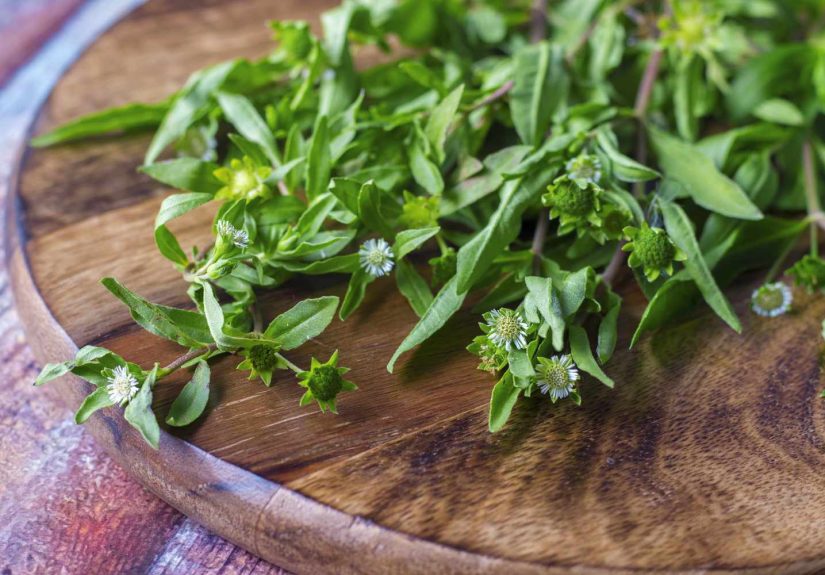
Bhringraj oil is usually a carrier oil (like coconut or sesame) infused with the herb
bhringrajmost commonly Eclipta prostrata (sometimes referred to as Eclipta alba in older naming).
In traditional Ayurveda, bhringraj is used for scalp and hair support, and it’s also discussed in broader wellness contexts.
In modern hair routines, it’s mainly used as a scalp oil or pre-wash treatment.
Here’s the realistic take: bhringraj oil can be a helpful scalp-conditioning and hair-softening step,
and early research on the plant is interestingbut it’s not a guaranteed “grow hair overnight” potion.
The best results typically come from using it consistently, using the right amount for your scalp type,
and treating it like part of a whole routine (cleansing, gentle styling, and patienceso much patience).
What Exactly Is Bhringraj Oil?
Bhringraj oil is an herbal oil made by steeping or processing bhringraj leaves/extract in a base oil.
Depending on the brand, the formula may include other Ayurvedic botanicals such as amla, brahmi, neem, hibiscus,
or fenugreek. The base oil matters because it does a lot of the heavy lifting for feel and performance:
- Coconut oil base: richer feel; great slip; can feel heavy on fine hair.
- Sesame oil base: traditional in many Ayurvedic preparations; often medium-weight.
- Mineral oil base: sometimes used in mass-market hair oils; adds shine but doesn’t “feed” hair.
- Blend bases: lighter feel options sometimes combine oils for easier rinse-out.
The herb itself contains compounds that have been studied for various biological activities.
Hair-focused research is still emerging, but some lab and animal studies suggest Eclipta prostrata extracts
may influence hair-cycle signaling (for example, pathways tied to the growth phase of hair). Human-quality evidence
is limited, so it’s best to view this as “promising, not proven.”
Bhringraj Oil Benefits: What It Can (and Can’t) Do
Let’s separate likely benefits (based on how oils and scalp care work + traditional use)
from possible benefits (based on early research) and myths (based on vibes alone).
1) Helps condition the scalp and reduce the “tight, dry” feeling
If your scalp feels dryespecially after shampooingan oil step can reduce that stripped sensation.
Bhringraj oil works like other hair oils: it can help reduce moisture loss from the skin surface and improve comfort.
If you’re flaky due to dryness, a consistent routine may help your scalp look calmer over time.
2) Makes hair look shinier and feel softer
Oils don’t “heal” hair (hair is dead keratin), but they can coat the hair shaft, improving slip and shine.
That can mean less snagging, fewer tangles, and hair that feels smootherespecially on the lengths and ends.
3) May reduce breakage when used smartly
Breakage often comes from friction: rough towel drying, aggressive brushing, heat styling, tight ponytails,
and “I swear I barely touched it” detangling sessions. Oil can reduce friction and help the hair glide,
which can mean fewer snapped strands during combing.
4) Supports a healthier “scalp environment” for hair growth
Hair growth is mostly biology (genetics, hormones, age, health conditions), but the scalp environment still matters.
A comfortable, clean scalp with minimal irritation is a better place for hair to thrive than one that’s inflamed,
overly oily, or constantly scratched.
5) “Hair growth” claims: promising but not a slam dunk
Here’s where bhringraj oil gets famous. Some research on Eclipta prostrata suggests it may influence hair
follicle signaling and promote the growth phase in experimental models. That’s exciting science, but it’s not the same
as large, well-controlled human trials proving that bhringraj oil regrows hair in everyone.
Translation: bhringraj oil may be a supportive additionespecially for dryness, breakage, and scalp comfort
but if you’re dealing with sudden shedding, bald patches, scalp pain, or persistent dandruff, you’ll want a clinician
to rule out conditions like fungal scalp issues, psoriasis, thyroid problems, iron deficiency, postpartum shedding,
traction alopecia, or androgenetic hair loss.
6) Premature graying: manage expectations
Traditional use often mentions bhringraj for maintaining natural hair color. In reality, graying is driven by
genetics and pigment-cell biology. While oils can make hair look glossier (and darker-looking because shiny hair
reflects light differently), they won’t reliably reverse true gray hair.
Who Should Try Bhringraj Oil (and Who Should Be Cautious)?
Good candidates
- Dry scalp or “tight scalp” after washing
- Dry, textured, curly, or coily hair that likes richer oils
- People focusing on reducing breakage and improving softness
- Anyone who enjoys scalp massage as part of self-care (10/10 for relaxation)
Use caution if you…
- Have a very oily scalp or get scalp acne easily (heavy oil can contribute to buildup)
- Have eczema, frequent irritation, or known fragrance sensitivity
- Are prone to clogged pores around the hairline (oil can migrate onto skin)
- Plan to ingest itdon’t. Hair oils are not meant to be taken internally.
Also important: some Ayurvedic products marketed to treat disease may be illegally marketed in the U.S.,
and U.S. regulators have warned that certain unapproved Ayurvedic drug products may contain harmful heavy metals.
That’s not meant to scare you away from all Ayurvedic-inspired cosmeticsit’s a reminder to buy from reputable brands,
avoid medical claims, and look for quality testing when possible.
How to Use Bhringraj Oil
There isn’t one “correct” method. The best approach depends on your scalp type, hair texture, and how easily oil
builds up for you. Below are the most common, practical ways to use bhringraj oil without turning your pillowcase
into a slip-and-slide.
Method 1: Pre-wash scalp massage (most popular)
- Start small: use 1–2 teaspoons total for the scalp (more if you have very thick hair).
- Section hair: apply oil directly to the scalp in parts, not just on top of your hair.
- Massage 3–5 minutes: use fingertips (not nails). Think “gentle kneading,” not “scratch lottery ticket.”
- Let it sit: 30–90 minutes is usually plenty.
- Shampoo well: you may need two rounds if the base oil is heavy.
This method is great for people who love the benefits of oil but don’t want a constant oily feel.
Method 2: Overnight oiling (only for certain hair/scalp types)
Overnight oiling can be comforting for very dry hairbut it can also cause buildup or irritation for oily or acne-prone
skin. If you try it, keep the amount light, protect bedding, and wash out in the morning.
If your scalp gets itchy overnight, that’s your sign to stop and switch to shorter contact time.
Method 3: Ends-only shine and frizz control (great for fine or oily scalps)
If your scalp gets greasy easily, skip the roots and apply a drop or two to the mid-lengths and ends
on damp hair. This helps reduce frizz and improves softness without weighing down the scalp.
Method 4: Hot oil treatment (spa vibes at home)
Warm the bottle in a mug of hot water for a few minutes (don’t microwave; nobody wants “scalp soup”).
Apply to scalp and hair, cover with a shower cap, and leave 20–30 minutes before washing out.
How Often Should You Use It?
Frequency depends on your hair type and how your scalp behaves:
- Dry scalp / textured hair: 1–3 times per week (start with once weekly and adjust).
- Normal scalp: 1 time per week or every other week.
- Oily scalp / fine hair: every other week or just as an ends-only oil as needed.
Consistency matters more than intensity. Using half a bottle once is not “self-care,” it’s a slip hazard.
Patch Test and Safety Tips (Please Don’t Skip This Part)
Even “natural” products can cause irritation or allergic reactionsespecially when formulas include fragrance,
essential oils, or multiple botanicals. A patch test is a simple way to lower your odds of a bad reaction.
How to patch test bhringraj oil at home
- Apply a small amount to a discreet area (like the inner arm).
- Use it twice daily for 7–10 days in the same spot.
- Watch for redness, itching, rash, or swelling.
If you react, stop using the product. If you have a significant reaction, contact a healthcare professional.
Extra safety notes
- Don’t ingest hair oil. Products made for hair aren’t formulated or tested to be taken internally.
- Avoid broken skin: don’t apply to open cuts or inflamed areas.
- Be mindful of buildup: heavy oil can trap product residue and contribute to scalp issues if not washed properly.
- Stop if irritation starts: “tingly” is not always “working.” Sometimes it’s just irritated.
How to Choose a Good Bhringraj Oil
The label tells you a lotif you know what to look for.
Look for
- Clear ingredient list: identify the base oil and how bhringraj is included (infusion, extract, etc.).
- Simple formula: fewer irritants if you’re sensitive.
- Reputable brand behavior: avoids disease-treatment claims and provides basic quality info.
- Testing signals: third-party testing or quality standards when available (especially if marketed as “Ayurvedic medicine”).
Be cautious about
- Strong medical promises: “cures hair loss” or “treats disease” is a red flag.
- Unclear sourcing: mystery oils with mystery herbs are not adventurous; they’re unpredictable.
- Overloaded fragrance: can be a trigger for sensitive scalps.
Common Questions About Bhringraj Oil
How long does it take to see results?
For softness and shine, you might notice benefits after the first wash. For breakage reduction, give it a few weeks
of consistent use along with gentle styling habits. For anything related to “growth,” think in monthsnot days.
Hair grows slowly, and any routine that claims otherwise is selling you a fantasy novel.
Can bhringraj oil help dandruff?
If your flakes are mainly from dryness, oiling may help. But if you have persistent, greasy flakes, itching,
or redness, dandruff can be related to yeast overgrowth or other scalp conditionsthose may need targeted
shampoo ingredients rather than more oil.
Will it make my hair darker?
It can make hair look glossier, which can visually deepen color. But it won’t reliably reverse true graying.
Can I mix it with other oils?
Yes. Many people blend bhringraj oil with lighter oils (like jojoba) to reduce heaviness, or with a favorite scalp oil.
Just keep your scalp type in mind and patch test new blends.
Real-World Experiences (About ): What People Actually Notice
You can read ingredient lists all day, but most people end up asking the same question:
“Okay…but what does it feel like in real life?” Here are a few patterns you’ll often hear from people who try
bhringraj oilespecially those using it as a pre-wash scalp oil.
1) “My scalp feels calmer after wash day.”
A common first impression is comfort. People with a tight or dry scalp often say the biggest difference isn’t dramatic
“growth” (yet), but that their scalp feels less cranky after shampooing. That makes sense: applying an oil before
washing can reduce that squeaky-clean, over-stripped feeling. Many describe it as the difference between “my scalp is
arguing with me” and “my scalp has left me on read.”
2) “My hair looks shinier, but I had to find the right amount.”
Bhringraj oil is frequently made with coconut or sesame oilboth can be rich. People with fine hair often report an
early mistake: using too much and then wondering why their hair looks like it’s auditioning for a role as “wet hair #3.”
After a few tries, they tend to scale downjust a few drops on ends, or a small amount on the scalpand the results
look more like healthy shine than an oil spill.
3) “It helped my breakage more than my shedding.”
This is an important distinction people learn over time. Shedding is hair falling from the root (often normal), while
breakage is hair snapping along the shaft. Many users say bhringraj oil made detangling easier and reduced breakage
during brushingespecially when paired with gentle habits like a wide-tooth comb, less heat, and fewer tight styles.
In other words, the oil wasn’t “forcing growth,” but it helped them keep more of what they already had.
4) “Consistency mattered more than the ‘perfect’ routine.”
People who stick with it usually settle into a realistic cadence: once a week pre-wash, or every other week if their
scalp gets oily. The all-or-nothing approach (“I used it once, why am I not Rapunzel?”) tends to fade when they treat
it like skincaresmall, repeatable actions. Over time, they’re more likely to notice improved softness, fewer tangles,
and a scalp that’s less reactive.
5) “My scalp did not love the scented version.”
Another common experience is that heavily fragranced or multi-herb blends can irritate sensitive scalps. People with
eczema or fragrance sensitivity often do best with simpler formulas, shorter contact time, and a patch test first.
Some also learn to keep oil away from the hairline and forehead if they’re prone to clogged pores or breakouts.
Bottom line: in real life, bhringraj oil is often appreciated most as a comfort + conditioning step.
The best “results” usually look like healthier-feeling hair, improved manageability, and less breakagebuilt slowly
with consistent use and a routine that fits your scalp type.
Conclusion
Bhringraj oil is an Ayurvedic-inspired herbal hair oil that’s primarily used for scalp conditioning,
softness, shine, and breakage support. While early research on the bhringraj plant (Eclipta prostrata)
is intriguing, strong human evidence for dramatic regrowth is limitedso the smartest approach is to use it as a
supportive habit, not a miracle shortcut.
If you want to try it, start small, patch test, choose a reputable formula, and use it consistently as a pre-wash
scalp oil or an ends-only finisher. And if your hair loss is sudden, severe, or paired with scalp symptoms, get a
professional evaluationbecause the best hair care is the kind that’s based on what’s actually going on.





 Close
Close