
Table of Contents >> Show >> Hide
- 1) Choose the Right Spot: Sun, Shelter, and Smart Spacing
- 2) Water Wisely: Deep Drinks, Not Daily Sprinkles
- 3) Feed the Soil (Then the Tree): Fertilizer Without the Drama
- 4) Prune and Train: Shape It for Light, Air, and Easier Harvests
- 5) Protect Against Pests, Disease, and Winter Weather
- Bonus: Harvesting and Everyday Fig Tree Care Tips
- Conclusion: A Happy Fig Tree Is Mostly Good Habits
- Real-World Experiences: “Common Fig Tree Lessons Learned the Funny Way”
- Experience #1: The Overwatered Fig That Looked “Sad” (Because It Was Drowning)
- Experience #2: The “It’s Fine in Partial Shade” Myth (Spoiler: It Was Not Fine)
- Experience #3: The Nitrogen “Muscle-Building Phase” That Never Ended
- Experience #4: The Prune-Happy Moment That Delayed the Harvest
- Experience #5: The Freeze Surprise and the “I Thought It Was Dead” Rebound
Fig trees are the overachievers of the backyard: handsome foliage, sweet fruit, and an attitude that says,
“I can thrive on neglect… but I’d prefer a little pampering, thanks.” Whether you’re growing a classic
Ficus carica in the ground or babysitting a container fig on the patio like it’s a VIP guest,
the basics of fig tree care are refreshingly straightforward.
This guide breaks down five practical, no-fuss ways to care for a fig treewith enough detail
to keep your tree productive, but not so much that you need a horticulture degree (or a therapist).
Expect real-world tips on sun, watering, soil, fertilizer, pruning, pests, and winter protectionplus
a longer “been-there-done-that” experience section at the end.
1) Choose the Right Spot: Sun, Shelter, and Smart Spacing
If fig trees had a dating profile, it would read: “Seeking full sun, good drainage, and someone who understands
boundaries.” Translation: location mattersa lot. Give your fig the best start by thinking about sunlight,
airflow, and how big it can get once it decides your yard is its forever home.
Give your fig a sun obsession (in a healthy way)
For strong growth and sweeter fruit, aim for full sunthe more direct light, the better.
If you’re in a cooler region, a warm microclimate helps. A south- or southwest-facing wall can act like a
heat battery, soaking up warmth during the day and slowly releasing it at night.
Drainage is non-negotiable
Figs tolerate a range of soils, but they hate “wet feet.” Choose a spot where water doesn’t puddle after rain.
If your soil is heavy clay, you have options: amend with organic matter, plant on a slight mound, or grow your
fig in a large container where you control the soil mix.
Plan for the mature size (your future self will thank you)
Many figs can become substantial shrubs or small trees. Spacing depends on how you train them:
a bush form needs less room than a single-trunk tree form. If you’re planting more than one, give them
space so sunlight and air can move through the canopythis reduces disease pressure and improves fruiting.
- In-ground figs: Great for warm climates and gardeners who want a low-maintenance, long-term plant.
- Container figs: Ideal for cold climates, small yards, or anyone who likes the option to “evict” the tree into a garage in winter.
One more thing: most “common” figs grown in U.S. home gardens are self-fruitful, meaning you typically don’t
need a second tree for pollination. That’s excellent news for your space, your budget, and your spouse who’s
already side-eyeing your “just one more plant” habit.
2) Water Wisely: Deep Drinks, Not Daily Sprinkles
If you take only one thing from this article, make it this: consistent moisture beats dramatic swings.
Figs have relatively shallow, spreading roots and appreciate regular waterespecially when young and when fruit is developing.
But overwatering is a fast track to root trouble and disappointing growth.
The first year: consistent watering builds a resilient root system
New fig trees need steady moisture while they establish. A deep soak encourages roots to expand outward and downward.
A light daily sprinkle, on the other hand, trains roots to stay near the surfacelike a teenager who refuses to leave the couch.
A practical approach: water deeply, then wait until the top few inches of soil begin to dry before watering again.
In hot, dry spells, that might be more frequent. In cooler or rainy periods, much less.
Established trees: drought-tolerant… but not fruit-proof
Mature figs can handle some drought, but fruit quality suffers when the tree swings from too dry to suddenly soaked.
Those dramatic changes can lead to issues like fruit splitting or dropping. During fruiting season, aim for “evenly moist,”
not “swampy” and not “cracked desert.”
Container figs: they dry out fast and they will tell you
Pots heat up and dry out quicklyespecially on patios and balconies. Check the soil with your finger:
if the top couple of inches are dry, it’s usually time to water. Water slowly so the potting mix absorbs moisture
instead of letting it rush out the drainage holes like it’s late for an appointment.
Mulch: the underrated MVP of fig tree watering
A thick layer of organic mulch (wood chips, shredded leaves, pine straw, composted bark) helps stabilize soil moisture,
reduces weeds, and moderates soil temperature. Keep mulch a few inches away from the trunk to discourage rot and pests.
3) Feed the Soil (Then the Tree): Fertilizer Without the Drama
Fig trees don’t need constant feeding, and they definitely don’t need you panic-fertilizing every time you see a yellow leaf.
In fact, one of the most common fig care mistakes is too much nitrogen, which can produce gorgeous leafy growth
with fewer figs. Your tree becomes a fashion model, not a fruit machine.
Start with soil health
Before you reach for fertilizer, think “soil.” Compost, aged manure (well-composted), and organic matter improve structure
and nutrient availability. If you’re planting a fig in the ground, it’s smart to do a soil test so you aren’t guessing
about pH and nutrients.
Many fig-growing guides recommend not fertilizing at planting time. Let the young tree focus on root establishment
and use stored energy to push initial growth. After it settles in, you can introduce light feeding if needed.
When to fertilize
Generally, feed in spring as growth begins. If your fig is in a container, it may benefit from a steady, mild nutrient supply,
since potting mixes don’t hold nutrients as long as garden soil.
How to tell if your fig actually needs fertilizer
- Good growth and healthy leaf color: you may need little to nothing beyond compost and mulch.
- Weak growth, pale leaves, poor vigor: consider a balanced fertilizer or an organic nitrogen source in spring.
- Excessive leafy growth with few figs: cut back on nitrogen, avoid overfeeding, and reconsider watering balance.
A simple, sane feeding routine
For many home growers, this works well:
top-dress with compost in spring, maintain mulch through the season, and use a light, balanced fertilizer only
if the tree’s growth is clearly weak. If you use synthetic fertilizer, follow the label carefully and avoid late-season nitrogen.
Late feeding can push tender growth that’s more vulnerable to cold damage.
4) Prune and Train: Shape It for Light, Air, and Easier Harvests
Pruning scares people because it looks permanent (and because it involves sharp tools). The good news:
figs usually require minimal pruning compared to many fruit trees. The goal is simple:
remove what’s unhelpful and encourage a structure that supports fruiting and airflow.
Best timing: dormant season (with climate common sense)
In most regions, do major pruning when the tree is dormanttypically late winter into early spring.
In colder climates, wait until the harshest cold has passed, but prune before vigorous spring growth starts.
The point is to reduce stress and avoid encouraging new growth right before a freeze.
Know your form: bush vs tree
In freeze-prone areas, figs are often trained as multi-stem shrubs (bush form). If the top dies back,
the plant can regrow from the base. In warmer regions, a single-trunk tree form can be attractive and easy to manage.
Neither is “right” for everyonechoose what fits your climate and your willingness to protect the tree in winter.
What to remove (a quick checklist)
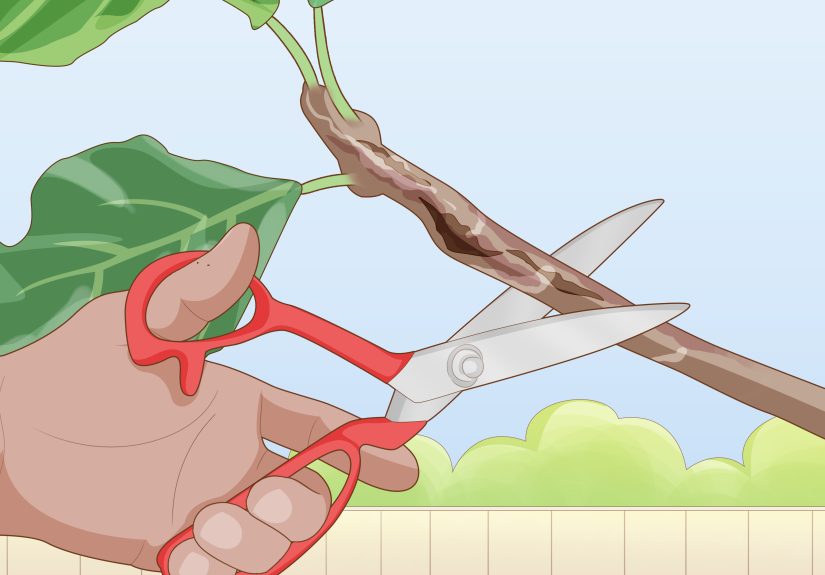
- Dead, damaged, or diseased wood
- Branches that cross and rub
- Very low branches that drag fruit into the dirt
- Overcrowded interior growth that blocks light and airflow
- Suckers you don’t want (unless you’re maintaining a bush form)
Pruning intensity: less is often more
Heavy pruning can delay fruit ripening, especially if you remove too much productive wood. A conservative approach
keeps the tree productive while still improving structure. Think “haircut,” not “buzz cut.”
After-planting tip: gentle heading can help branching
Some planting guides recommend cutting back a young tree at planting (or soon after) to encourage lateral branching
and balance the root-to-top ratio. If you do this, keep it modest and focus on building a strong framework.
5) Protect Against Pests, Disease, and Winter Weather
Fig trees are tough, but they’re not invincible. Most problems are manageable when you combine three strategies:
good growing conditions, sanitation, and timely intervention.
That’s gardener-speak for: “Don’t ignore it until it becomes a soap opera.”
Common pest issues (and what to do)
In many U.S. regions, the most common fig pests are various scale insects and sap-suckers. You might notice sticky honeydew,
sooty mold, or little bumps on stems and leaves. Early action helps:
- Small infestations: wipe or prune out heavily infested sections.
- Broader infestations: consider horticultural oil or insecticidal soap (following label directions).
- Ants everywhere: manage ants, because they “farm” sap-suckers like tiny livestock ranchers.
Fig rust and fungal leaf problems: airflow and hygiene matter
In humid climates, fig rust and other leaf spot issues can show up as yellow-brown spots and early defoliation.
The most helpful non-chemical actions are:
- Keep the canopy open with light pruning for airflow
- Avoid overhead watering when possible
- Remove and discard heavily infected leaves (and clean up fallen leaves)
- Keep the area under the tree tidy to reduce disease carryover
Wildlife: because squirrels also love your figs
If your figs keep disappearing right as they ripen, it’s not a mysteryit’s a buffet. Netting can help, and harvesting
promptly is key. Figs don’t sweeten much after picking; they’re best when fully ripe on the tree, so watch closely and pick often.
Winter protection: the secret weapon in cold climates
If you live where winter can damage figs, don’t give upadjust your strategy.
Cold-climate fig growers often use one of these approaches:
- Container growing: move the dormant plant to an unheated garage, shed, or sheltered spot.
- Mulch the base heavily: insulate roots and lower stems with thick mulch (still keeping it off the trunk).
- Wrap or protect stems: in-ground figs can be wrapped with insulating material, especially young plants.
- Encourage dormancy: ease off supplemental water in fall so the plant slows growth before cold arrives.
The goal is simple: keep the plant alive and ready to push new growth when warmth returns. Even if top growth dies back,
many figs can rebound strongly from the base in springespecially when trained as a multi-stem shrub.
Bonus: Harvesting and Everyday Fig Tree Care Tips
Caring for a fig tree isn’t only about what you do in spring and winter. Small habits during the season make a big difference:
- Harvest when ripe: figs are ready when they soften, droop slightly, and look richly colored for the variety.
- Pick gently: ripe figs bruise easily; use two hands and avoid yanking.
- Clean up regularly: fallen fruit attracts insects and diseaseremove it promptly.
- Watch the weather: a sudden heat wave or drought often means you need to check moisture more often.
Conclusion: A Happy Fig Tree Is Mostly Good Habits
Fig tree care isn’t complicatedit’s just consistent. Give your fig sun, keep the soil
evenly moist (not soggy), build fertility with compost and thoughtful feeding,
prune during dormancy to maintain a healthy structure, and stay ahead of problems with
sanitation, airflow, and winter protection.
Do those five things well, and your fig tree will reward you with lush growth, fewer headaches, and fruit that tastes like
summer decided to be generous. Also: you will become the person who says, “Oh, you’ve never eaten a warm fig off the tree?”
and then offers one like you’re the neighborhood’s unofficial dessert sommelier.
Real-World Experiences: “Common Fig Tree Lessons Learned the Funny Way”
The internet is full of fig tree advice, but the most useful wisdom often comes from patternswhat backyard growers
repeatedly do right (and wrong). Below are “experience-based” scenarios pulled from common outcomes gardeners describe.
If you recognize yourself in any of these, congratulations: you’re officially a real gardener now.
Experience #1: The Overwatered Fig That Looked “Sad” (Because It Was Drowning)
A common story: someone sees a droopy fig and assumes it’s thirsty, so they water daily. The leaves don’t perk up,
so they water more. At some point, the fig becomes a mushy, sulky plant with yellowing leavesclassic overwatering stress.
The fix usually isn’t “more water,” it’s better timing: deep watering followed by a drying period in the
upper soil layer. In containers, the lesson lands even harder because a pot can hold moisture in the lower half while the
top looks dry. The win: once growers switch to checking soil moisture with a finger test and watering slowly, the tree often
rebounds with stronger new growth.
Experience #2: The “It’s Fine in Partial Shade” Myth (Spoiler: It Was Not Fine)
Figs will survive in less-than-ideal light, and that’s where the trouble startsbecause survival looks like success… until
fruit season. Gardeners often report leafy, decent-looking trees that set few figs or ripen them too slowly. Moving the plant
(or planting the next one) into full sun changes the whole game: stronger growth, better fruit set, and sweeter figs.
The funny part is how quickly the tree seems to “forgive” you. Give it sun and it acts like it had the plan all along.
Experience #3: The Nitrogen “Muscle-Building Phase” That Never Ended
Another classic: a gardener feeds a fig heavily because it “seems hungry,” and suddenly the tree becomes a leafy monster.
The canopy looks amazinglike a tropical vacation brochurebut the fruit production is underwhelming. This is one reason
experienced growers talk about figs as “light feeders.” Too much nitrogen can push vegetative growth at the expense of fruit.
The comeback plan usually involves compost instead of constant fertilizer, a more balanced nutrient approach, and avoiding
late-season feeding that can produce tender growth right when the weather is about to get rude.
Experience #4: The Prune-Happy Moment That Delayed the Harvest
Pruning feels productive. It’s tidy. It’s satisfying. It’s also easy to overdo. Gardeners frequently learn that a severe prune
can delay ripening, especially if they remove too much potential fruiting wood. The best “aha” moment is when someone shifts
from aggressive pruning to targeted pruning: removing dead wood, opening the canopy for airflow, and keeping a
manageable structure. The harvest tends to improve, and the tree looks good without looking like it survived a hurricane.
Experience #5: The Freeze Surprise and the “I Thought It Was Dead” Rebound
In colder zones, many first-time fig growers experience the heartbreak of dieback after a hard freeze. The unexpected twist:
figs are often tougher than they look. Gardeners report that even when the top dies back, new shoots can emerge from the base
once spring warms upespecially if the root zone was protected with mulch. This is why cold-climate growers love bush form and
container growing. The big lesson is planning: reduce late-season growth by easing off watering, protect the base, and treat winter
like a predictable event, not a plot twist. When you do, figs stop being a gamble and start being a routine.
The unifying theme across these experiences is comforting: fig trees don’t demand perfection. They respond to simple corrections.
Give them sun, balance water, avoid overfeeding, prune with restraint, and protect them when your climate gets dramatic.
That’s not just fig tree carethat’s basically good life advice, too.






 Close
Close