
Table of Contents >> Show >> Hide
- Before You Start: Use the Right Harmonica
- 1. Play Single Notes with the Pucker Method
- 2. Play with Tongue Blocking for Bigger Tone and More Effects
- 3. Play Chords and Rhythms Like a One-Person Rhythm Section
- 4. Play Melodies in First Position
- 5. Play Blues in Cross Harp with Bends
- Common Mistakes That Make Beginners Sound Worse Than They Need To
- What Learning These 5 Ways Actually Feels Like
- Conclusion
The harmonica is one of the few instruments that can live in your pocket, start a party, soundtrack a road trip, and make you sound vaguely mysterious in under ten seconds. It is small, cheap compared with most instruments, and surprisingly expressive. That is also the trap. A harmonica looks simple enough to master during a commercial break, then five minutes later you are wheezing into hole 2 like you are trying to inflate a stubborn pool float.
Still, that is exactly why people love it. A harmonica gives beginners quick wins, but it also rewards patience with tone, phrasing, groove, and that gritty emotional sound people associate with blues, folk, country, rock, and old-school Americana. The good news is that there is not just one “correct” way to play it. There are multiple approaches, and each one gives you a different sound, feel, and musical purpose.
In this guide, we will cover five practical ways to play a harmonica, from clean single-note melody playing to chugging rhythm to bluesy cross-harp riffs. Think of it as a starter map for your musical adventure, minus the confusing pirate symbols and plus a lot more breathing.
Before You Start: Use the Right Harmonica
If you are a beginner, start with a 10-hole diatonic harmonica in the key of C. That is the standard choice used in most beginner lessons, songbooks, and self-teaching methods. It is simple, widely available, and friendly to first-time players. A chromatic harmonica can do more notes because of its slide button, but it is usually not where complete beginners should start unless they have a specific reason.
Also, do yourself a favor and buy a decent instrument instead of the musical equivalent of a gas-station burrito. A poor harmonica leaks air, fights your breath, and makes learning harder than it needs to be. A solid beginner harp helps you focus on technique instead of arguing with your equipment like an exhausted stage manager.
1. Play Single Notes with the Pucker Method
What it is
The pucker method, often called lip pursing or lip blocking, is usually the first technique beginners learn for playing clear single notes. Instead of blowing across several holes at once, you shape your lips so that air goes through just one hole. This is how you begin playing melodies instead of accidental cowboys-at-sunset chords.
How to do it
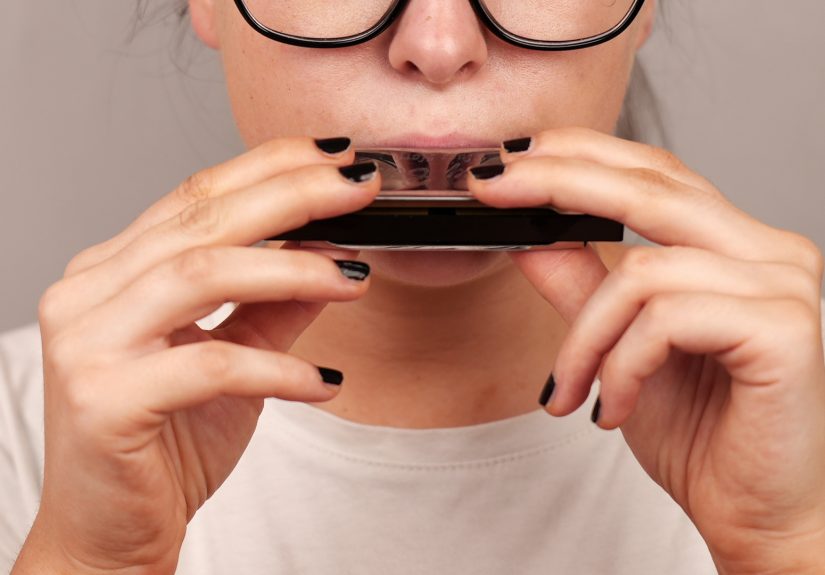
Open your mouth a little wider than feels natural, relax your lips, and bring the harmonica to your mouth rather than poking your face toward it like a suspicious pigeon. Seal your lips gently over the cover plates and aim your breath through one hole. Start around holes 4 through 6, where the harp feels friendliest and the notes usually speak more easily.
Do not blow harder to force a clean note. That usually creates a louder mess, not a better one. Instead, relax your mouth, narrow the opening, and use steady breath. The harmonica likes calm confidence more than drama.
Why it works
The pucker method is great for beginners because it makes single-note melodies easier to understand. It also helps you hear pitch clearly, learn the note layout, and start reading harmonica tab without feeling like you need a PhD in tiny rectangles and arrows.
Best uses
This approach is ideal for learning simple tunes, practicing accuracy, and building breath control. If you want to play “Oh! Susanna,” “Jingle Bells,” or your own homemade masterpiece called “I Finally Hit Hole 4 Correctly,” this is your doorway.
Practice tip
Try this simple pattern: 4 blow, 4 draw, 5 blow, 5 draw, 6 blow, 6 draw. Then go back down. Keep the sound clean and even. Your goal is not speed. Your goal is not sounding haunted. Your goal is control.
2. Play with Tongue Blocking for Bigger Tone and More Effects
What it is
Tongue blocking is another way to isolate a single note, but instead of using only your lips, you place your mouth over several holes and use your tongue to block the ones you do not want. Usually, the note sounds on the right side of your mouth while the tongue rests on holes to the left.
Why players love it
This technique opens the door to richer tone, rhythmic slaps, octaves, split intervals, and many of the sounds associated with traditional blues and classic harmonica masters. If puckering is the neat handwriting version of harmonica, tongue blocking is the version with swagger, coffee stains, and great stories.
How to do it
Put three or four holes in your mouth, then cover the left holes with your tongue so one hole on the right remains open. At first, it feels awkward. This is normal. Most players do not glide into tongue blocking on a cloud of instant competence. They grunt, miss notes, look confused, and then slowly improve.
When to use it
Tongue blocking shines when you want a fuller, more traditional blues sound. It is also useful for rhythmic accents. A tongue slap, for example, briefly lets more holes sound before the tongue lands and isolates the target note. That quick burst creates punch and attitude.
A smart beginner mindset
You do not have to choose one embouchure forever. Many strong players use both puckering and tongue blocking depending on the phrase. Start with whichever helps you get clean notes, then add tongue blocking as your control improves. Music is not a cult. You are allowed options.
3. Play Chords and Rhythms Like a One-Person Rhythm Section
What it is
One of the most fun ways to play harmonica is to stop obsessing over single notes for a minute and just let the instrument breathe. Because a diatonic harmonica is designed with blow and draw note groupings, it naturally creates simple chords when you play multiple holes together. That means rhythm playing comes built in.
Why it matters
This is one reason the harmonica feels so rewarding early on. Even before you can play a polished melody, you can make music. Rhythmic chord patterns can sound earthy, driving, and musical right away. Folk players, blues players, and train-rhythm enthusiasts all owe a debt to this part of the instrument.
How to do it
Relax your mouth and cover several holes at once. Blow for one chord, draw for another, and listen to the push-pull feel. On a C harmonica, the blow notes create a homey major-chord sound, while the draw notes create a different harmonic color that feels like movement and tension.
Try a simple pattern of four steady blows followed by four steady draws. Then experiment with short bursts: blow-blow, draw-draw, blow-draw-blow-draw. Suddenly you are not just practicing. You are building groove.
Classic sounds to try
Train rhythms are the obvious entry point. They are playful, physical, and excellent for learning breath timing. Country-style accompaniment also lives here, especially when you want a pulsing back-and-forth pattern that supports singing. If melody playing is the conversation, chord rhythm is the body language that makes the conversation interesting.
Why beginners should not skip this
Some players get so focused on “perfect” single notes that they ignore rhythm. That is a mistake. Great harmonica playing is not just about hitting notes. It is about pulse, phrasing, and feel. Chord work teaches all three.
4. Play Melodies in First Position
What it means
First position, often called straight harp, means you play in the same key as the harmonica. So if you have a C harmonica, you play in C major. This is the most natural setup for folk tunes, simple songs, and melody-focused playing.
Why first position is beginner-friendly
The harmonica was built to make first-position playing feel logical. The middle and upper sections of the instrument give you a useful stretch of scale notes, especially around holes 4 through 7. That is why so many beginner songs live there. The notes line up in a way that makes melody learning feel less like algebra and more like actual music.
What it sounds like
First position tends to sound bright, open, and tune-friendly. It is a natural fit for children’s songs, folk melodies, campfire standards, and old-time material. If your goal is to play recognizable tunes with clear phrasing, first position is your best friend.
How to practice it
Start with the middle range of the harmonica and learn how the blow and draw notes alternate. Practice short phrases instead of entire songs at once. For example, play the first line of a simple tune, stop, repeat it, and clean it up before moving on. Treat each phrase like a sentence. If the sentence is mushy, the song will be mush soup.
Musical benefit
Melody playing teaches ear training, breath direction, note memory, and phrasing. It also teaches you something more important: patience. A tune only sounds musical when the notes connect smoothly. The harmonica may be tiny, but it punishes rushed playing with the confidence of a strict middle-school band director.
5. Play Blues in Cross Harp with Bends
What cross harp means
Cross harp, or second position, is the most famous approach in blues harmonica. Instead of playing in the harmonica’s labeled key, you play in a different key centered around the draw notes. On a C harmonica, cross harp puts you in G. This setup makes blues phrasing, riff playing, and expressive bends much more natural.
Why blues players use it
Second position gives you access to a tougher, earthier sound, especially in the lower holes. The draw notes become powerful anchors, and the instrument feels built for call-and-response licks, groove patterns, and all the cool stuff that makes listeners do that approving face musicians make when they want to look casual but are secretly impressed.
What bending is
Bending changes pitch by reshaping the inside of your mouth and throat so the reed responds differently. It is not just a trick. It is one of the defining expressive tools of blues harmonica. A bent note can sound pleading, gritty, mournful, or downright dangerous in the best way.
How to start
Do not begin by attacking the harp with maximum lung power. Bending comes from mouth shape, tongue position, and relaxed airflow. Many teachers describe it as changing the internal chamber of your mouth, almost like saying a quiet “ee” and moving toward a darker “oo” or using a subtle “K” shape farther back in the tongue. You are sculpting air, not arm-wrestling it.
Start on draw bends that beginners commonly attempt, such as hole 4 draw. Even then, progress may be slow. Your first bend might arrive after a week of trying, or it might appear suddenly at 11:47 p.m. when you were supposed to be done practicing twenty minutes ago. That is part of the harmonica experience.
What to play in cross harp
Use short riffs. Think in phrases, not scale drills. A simple two-bar lick repeated with slight variation already sounds musical. You can also explore 12-bar blues structure, where the I, IV, and V chords give you a map for when to repeat, answer, climb, or lay back.
Common Mistakes That Make Beginners Sound Worse Than They Need To
Playing too hard
Louder is not automatically better. The harmonica responds beautifully to controlled breath. Overblowing makes tone thin, harsh, and tiring.
Tensing the mouth
A tight face creates tight sound. Relax your jaw, lips, and throat. The harmonica is not impressed by your determination face.
Skipping rhythm
Even if you love melody, practice steady pulse. Timing separates pleasant noodling from actual music.
Ignoring tone
A correct note with bad tone still sounds bad. Spend time making one note sound warm, clear, and intentional.
Trying to master everything at once
Pick one lane at a time. Maybe today is single notes. Maybe tomorrow is chord rhythm. Layer skills instead of creating a personal chaos festival.
What Learning These 5 Ways Actually Feels Like
Learning the harmonica is a funny mix of instant gratification and humbling reality. On day one, you can make sound immediately. That is exciting. You blow into the thing, it sings back, and for a moment you feel like you have unlocked a secret musical superpower. Then you try to play one clean note and discover your new superpower is mostly “accidentally summoning three notes at once.” Welcome to the club.
The first real victory usually comes when you finally isolate a single hole cleanly. It is not a glamorous milestone. Nobody throws confetti. There is no national holiday for “Success on 4 Blow.” But it feels huge because you suddenly realize the instrument is not random anymore. The harmonica starts to become a map instead of a mystery.
Then comes the phase where you become very aware of breathing. Not normal breathing, the kind you do while existing. Harmonica breathing. The weird, deliberate, musical kind. You start noticing how inhale notes feel different from exhale notes, how some phrases feel easy and others leave you sounding like you just jogged up a hill while carrying groceries. This is when many beginners learn that playing a wind instrument is not passive. It is physical. Tiny instrument, surprisingly serious cardio.
Tongue blocking often arrives like a second first day. You think, “Great, I already learned how to play a note. Why am I starting over?” Because this technique changes your sound. That is why. The first attempts can feel clumsy, but when it clicks, the harmonica gets fatter, punchier, and more soulful. You hear a note with more personality, and suddenly all those classic recordings make a little more sense.
Chord rhythm is where a lot of players fall in love with the instrument for real. Melody is satisfying, but rhythm is fun in a different, almost primitive way. Chugging back and forth on blow and draw patterns can feel like driving an old truck down a dusty road in a movie, even if you are actually standing in your bedroom wearing mismatched socks. The harmonica has that power. It can upgrade the mood instantly.
Cross harp and bending bring the next emotional stage: obsession. At this point, you stop asking, “Can I play harmonica?” and start asking, “Why can’t I bend hole 4 consistently and what dark pact must I sign to make it happen?” Bending teaches patience because it rarely responds to brute force. It rewards subtle adjustments, careful listening, and repetition. When your first real bend appears, it feels less like a note and more like a plot twist.
There is also a very specific joy in carrying a harmonica around. It slips into a pocket, a backpack, a glove compartment, or a desk drawer. That means practice happens in little moments: five minutes before dinner, ten minutes after homework, a quick session before bed, a tiny break between bigger tasks. The instrument quietly fits itself into real life, and that makes improvement feel possible.
Most importantly, these five ways of playing do not stay separate forever. Single notes improve your melodies. Tongue blocking improves your tone. Chord work improves your rhythm. First position sharpens your ear. Cross harp and bends expand your expression. Over time, the harmonica stops feeling like five separate skills and starts feeling like one voice with different moods. And that is when the instrument gets really good: when it no longer sounds like you are learning a technique, but like you are finally saying something.
Conclusion
If you want to play harmonica well, do not chase shortcuts. Chase sound. Start with a good 10-hole diatonic in C, learn to play clean single notes, build up tongue blocking and rhythm, explore first-position melodies, and then step into cross harp and bending when you are ready. Each approach teaches a different part of musicianship, and together they turn a small pocket instrument into a surprisingly big musical voice.
So yes, there are five ways to play a harmonica. In truth, there are many more. But these five will give you the foundation, the flavor, and the confidence to sound like a musician instead of a confused goose with ambition.






 Close
Close