
Table of Contents >> Show >> Hide
- Before You Start: Identify the Type of Plastic Problem
- Tools and Supplies You May Need
- 1. Use Warm Soapy Water for Light Plastic Film
- 2. Apply Heat to Soften Plastic and Adhesive
- 3. Use Oil to Break Down Sticky Plastic Residue
- 4. Use Rubbing Alcohol, Vinegar, or Acetone for Stubborn Residue
- 5. Scrape Carefully for Hardened or Melted Plastic
- What Not to Use on Glass
- How to Make Glass Shine After Removing Plastic
- Choosing the Right Method Quickly
- Extra Experience: Real-World Lessons from Removing Plastic from Glass
- Conclusion
Plastic stuck to glass is one of those tiny household disasters that feels personally insulting. One minute you are peeling a label off a new candle jar, cleaning a glass stovetop, or trying to save a favorite drinking glass. The next minute, there is a stubborn patch of plastic residue clinging to the surface like it signed a long-term lease.
The good news: glass is usually more forgiving than wood, fabric, or painted surfaces. It is nonporous, smooth, and tough enough to handle several cleaning methods when used carefully. The not-so-good news: glass can still scratch, crack from sudden temperature changes, or lose coatings if you attack it like a medieval knight with steel wool. So the smartest way to remove plastic from glass is to match the method to the problem.
This guide covers five practical ways to remove plastic from glass, including sticker film, melted plastic, plastic wrap residue, tape adhesive, and those mysterious gummy patches that appear after price tags. You will also learn what not to do, which tools are safest, and how to restore the shine without turning your glass into a sad, scratched science project.
Before You Start: Identify the Type of Plastic Problem
Not all plastic stuck on glass behaves the same way. A thin sticker label on a jar needs a different strategy than melted plastic on a glass cooktop. Before grabbing a scraper or solvent, take a quick look at what you are dealing with.
Common Types of Plastic on Glass
Plastic sticker film: This is the clear or colored layer left behind after a label peels badly. It often appears on glass bottles, picture frames, candle jars, mirrors, and windows.
Sticky adhesive residue: This is the tacky glue under labels, tape, decals, or protective plastic sheets. It attracts dust instantly, because apparently it enjoys making the problem more dramatic.
Melted plastic: This happens when a plastic bag, lid, wrapper, cutting board, or utensil touches hot glass, especially a glass stovetop, oven door, fireplace glass, or hot light cover.
Hardened plastic bits: These are small raised pieces that have cooled and bonded to the glass surface. They may need controlled scraping after softening.
Plastic protective film: New glass items sometimes arrive with a protective sheet. If left in heat or sunlight too long, the film can become brittle, sticky, or welded-looking around the edges.
Tools and Supplies You May Need
You do not need a laboratory or a professional cleaning cart. Most plastic removal jobs can be handled with common household items. Gather a few of these before starting:
- Microfiber cloths
- Warm water
- Dish soap
- White vinegar
- Rubbing alcohol
- Cooking oil, mineral oil, or baby oil
- Baking soda
- Plastic scraper, old credit card, or nylon spatula
- Single-edge razor blade or glass scraper
- Hair dryer
- Ice cubes or an ice pack
- Acetone nail polish remover for tough residue
- Commercial adhesive remover, if needed
- Gloves and eye protection for solvent use
Always test cleaners on a hidden corner first, especially on tinted glass, coated glass, shower doors, appliance glass, or decorative glass. Plain glass is tough, but coatings can be picky. They are the divas of the glass world.
1. Use Warm Soapy Water for Light Plastic Film
Warm soapy water should be your first move when removing plastic from glass. It is gentle, cheap, and surprisingly effective on sticker film, fresh label residue, plastic wrap marks, and light adhesive. It works by softening the adhesive and lubricating the surface so the plastic can slide away instead of tearing into confetti.
Best For
This method is ideal for glass jars, drinking glasses, windows, mirrors, glass shelves, picture frames, and candle containers with paper labels or thin plastic stickers.
How to Do It
- Fill a sink, bowl, or spray bottle with warm water and a few drops of dish soap.
- Soak small glass items for 15 to 30 minutes. For vertical glass, press a warm wet cloth over the plastic area.
- Use your fingers, a plastic scraper, or an old credit card to lift the softened plastic.
- Rub the remaining residue with a microfiber cloth.
- Rinse with clean water and dry completely to prevent streaks.
If the plastic starts rolling into little rubbery crumbs, that is a good sign. Keep wiping and rinsing. Avoid using paper towels during heavy adhesive removal because they can shred and join the mess like uninvited guests at a party.
Pro Tip
For bottles and jars, add a splash of white vinegar to the warm soapy water. Vinegar can help loosen mineral deposits and some types of glue. It will not dissolve every adhesive, but it often gives soap a helpful boost.
2. Apply Heat to Soften Plastic and Adhesive
Heat is one of the best ways to remove plastic from glass when the plastic is flexible, rubbery, or bonded by adhesive. A hair dryer can soften glue and plastic film enough to peel it away cleanly. This method is especially useful for window decals, product labels, tape residue, and protective plastic sheets.
Best For
Use heat for plastic stickers, window clings, adhesive film, tape marks, and labels on sturdy glass surfaces. It is also helpful before scraping because softened plastic is less likely to chip into tiny stubborn pieces.
How to Do It
- Set a hair dryer to warm or medium heat.
- Hold it several inches from the glass and move it back and forth over the plastic for 30 to 60 seconds.
- Try lifting one edge with your fingernail or a plastic scraper.
- Peel slowly while continuing to warm the area as needed.
- Clean leftover glue with soap, rubbing alcohol, or oil.
The key is patience. Do not blast one spot with high heat for too long. Sudden temperature changes can stress glass, especially if the glass is cold. If you are working on a window in winter, warm the area gradually. Glass does not enjoy thermal shock, and nobody enjoys replacing a cracked pane because a sticker got dramatic.
When Not to Use Heat
Avoid this method on cracked glass, very thin glass, antique glass, or glass with delicate coatings unless the manufacturer says it is safe. Also avoid using an open flame. A lighter or torch may seem faster, but it can scorch residue, damage coatings, or create a fire risk. The goal is to remove plastic, not audition for a disaster documentary.
3. Use Oil to Break Down Sticky Plastic Residue
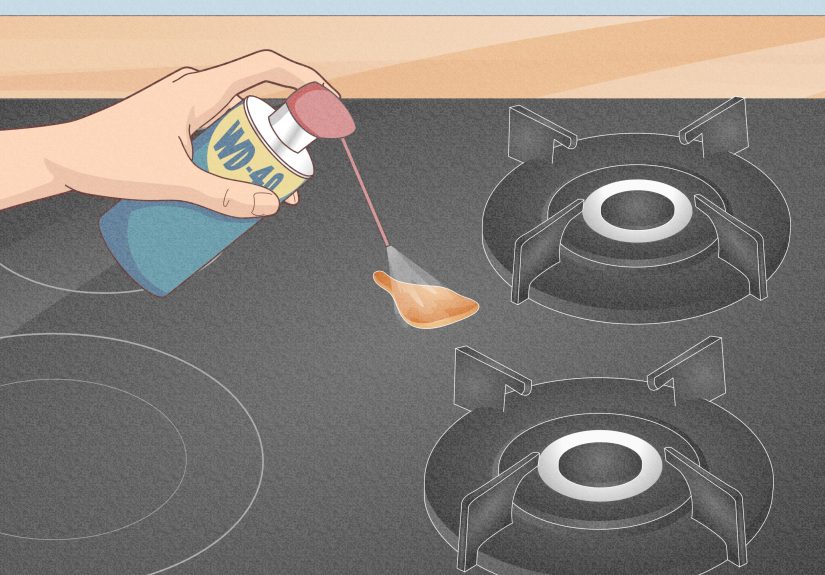
Oil is excellent for removing sticky residue from glass because many adhesives soften when coated with a greasy substance. Cooking oil, olive oil, coconut oil, mineral oil, and baby oil can all help loosen leftover glue from plastic labels and tape. This is a gentle option for glass items that do not respond to soap alone.
Best For
Oil works well on sticker residue, tape glue, price tag marks, candle jar labels, glass bottles, and decorative glass pieces. It is not the best choice for hot appliances or surfaces that need to be completely grease-free before use, unless you clean thoroughly afterward.
How to Do It
- Apply a small amount of oil to the plastic residue.
- Let it sit for 10 to 20 minutes.
- Rub with a microfiber cloth in small circles.
- Use a plastic scraper to lift softened residue.
- Wash the glass with dish soap and warm water to remove oily film.
- Dry and polish with a clean cloth.
For extra cleaning power, mix baking soda with oil to make a soft paste. The baking soda adds mild abrasion while the oil loosens the adhesive. Use a light touch. Even though glass is harder than baking soda, aggressive scrubbing can still damage coatings or leave haze on delicate surfaces.
Example
If you are reusing a glass pasta sauce jar and the plastic label leaves gummy glue behind, coat the area with a little cooking oil. Let it sit while you make coffee, answer one email, or stare into the pantry wondering why you bought three jars of paprika. Then rub the residue away and wash the jar with dish soap.
4. Use Rubbing Alcohol, Vinegar, or Acetone for Stubborn Residue
When soap and oil are not enough, solvents can help dissolve tougher adhesive. Rubbing alcohol is a good starting point because it evaporates quickly and works on many sticky residues. White vinegar can help with certain glues and films. Acetone, commonly found in nail polish remover, is stronger and can tackle stubborn residue, but it requires more caution.
Best For
This method is useful for stubborn sticker glue, tape adhesive, plastic label residue, dried glue spots, and residue that smears instead of lifting.
How to Use Rubbing Alcohol
- Soak a cloth or cotton pad with rubbing alcohol.
- Press it onto the residue for a few minutes.
- Rub gently until the plastic or glue loosens.
- Scrape with a plastic card if needed.
- Rinse and dry the glass.
How to Use Vinegar
- Warm white vinegar slightly, but do not boil it.
- Apply it to the plastic film or adhesive with a cloth.
- Let it sit for 10 to 15 minutes.
- Wipe, scrape gently, and repeat if needed.
How to Use Acetone Safely
Acetone can be effective, but it is flammable and has strong fumes. Use it only in a well-ventilated area, away from flames, sparks, hot surfaces, and running appliances. Wear gloves, use a small amount, and keep it away from plastic trim, painted frames, rubber seals, and tinted coatings because acetone can damage materials around the glass.
- Apply a small amount of acetone to a cotton pad.
- Test a hidden area first.
- Rub the residue gently, working from the outside edge toward the center.
- Wipe immediately with a clean damp cloth.
- Wash the glass with dish soap and water.
Never mix cleaning chemicals. Do not combine vinegar with bleach, ammonia, or random cleaners from under the sink. Household chemistry is not the place for improvisational jazz.
5. Scrape Carefully for Hardened or Melted Plastic
Scraping is sometimes necessary, especially when plastic has hardened on glass. The safest scraping tool depends on the glass surface. A plastic scraper or old credit card is best for ordinary sticker residue. A razor blade or dedicated glass scraper may be needed for hardened plastic on flat, uncoated glass or glass cooktops.
Best For
Use scraping for hardened plastic bits, thick sticker film, dried adhesive, paint-like residue, and melted plastic on glass stovetops. This method should be slow and controlled.
How to Scrape Plastic from Regular Glass
- Soften the plastic first with warm soapy water, heat, oil, or rubbing alcohol.
- Hold a plastic scraper almost flat against the glass.
- Push gently under the edge of the plastic.
- Wipe away loosened pieces often so they do not scratch the surface.
- Finish with glass cleaner or dish soap and water.
How to Remove Melted Plastic from a Glass Stovetop
Melted plastic on a glass cooktop needs special care because appliance glass can be damaged by burned-on plastic or aggressive tools. If the plastic is still hot, turn off the burner immediately. Do not touch it with bare hands. Ventilate the kitchen if there are fumes.
If your appliance manual gives specific instructions, follow those first. In many cases, the process looks like this:
- Turn off the heat and remove cookware safely.
- If the plastic is soft and the manufacturer allows it, use an oven mitt and a razor scraper designed for glass cooktops to move the spill away from the hot zone.
- Once the surface is cool enough to clean safely, apply cooktop cleaner or a small amount of approved cleaner.
- Hold the razor scraper at a low angle, often around 45 degrees, and gently shave the residue away.
- Wipe clean with a damp cloth and polish dry.
Do not gouge, dig, or use the corner of the blade like a tiny sword. Keep the blade flat, use even pressure, and replace dull blades. A dull blade can chatter across the glass and leave marks.
Ice Trick for Brittle Plastic
If the plastic is thick and raised, try hardening it with ice. Place ice cubes in a sealed plastic bag, hold it over the plastic for several minutes, then gently lift the brittle edge with a scraper. This can work well for waxy or rubbery residue, but avoid extreme temperature changes on hot glass.
What Not to Use on Glass
Removing plastic from glass is easier when you avoid tools that create new problems. Here are a few troublemakers to skip:
- Steel wool: It can scratch many glass surfaces and leave metal particles behind.
- Sandpaper: It is too aggressive for most household glass cleaning jobs.
- Knives: They are harder to control than a flat razor scraper and can chip edges.
- Boiling water on cold glass: Sudden temperature changes can crack glass.
- Open flames: They can damage glass, release fumes, or start a fire.
- Harsh oven cleaners on appliance glass: Use only cleaners approved for that surface.
How to Make Glass Shine After Removing Plastic
Once the plastic is gone, the glass may still look cloudy or streaky. That is normal. Adhesive removers, oils, and solvents can leave a film. Wash the area with warm water and dish soap first. Then rinse with clean water and dry with a microfiber cloth.
For a streak-free finish, spray a small amount of glass cleaner or a vinegar-and-water solution on the surface, then wipe from top to bottom. If you are cleaning a glass cooktop, use a cleaner made for cooktops and follow the appliance instructions. The final polish is the satisfying part, where the glass goes from “crime scene” to “sparkly little victory.”
Choosing the Right Method Quickly
If you are not sure where to begin, use this simple decision guide:
- Fresh sticker or label: Start with warm soapy water.
- Plastic film that peels badly: Use heat from a hair dryer.
- Sticky glue residue: Try oil, rubbing alcohol, or vinegar.
- Very stubborn adhesive: Use acetone carefully or a commercial adhesive remover.
- Hardened or melted plastic: Soften first, then scrape carefully.
- Glass cooktop: Check the manual and use a cooktop-safe scraper and cleaner.
Extra Experience: Real-World Lessons from Removing Plastic from Glass
After dealing with plastic stuck to glass in kitchens, bathrooms, craft rooms, and moving-day chaos, one lesson stands above the rest: the fastest-looking method is not always the fastest method. People often start by scraping aggressively because it feels productive. You see plastic, you grab a blade, and suddenly you are in battle mode. But most of the time, softening the plastic first saves more time and protects the glass.
For example, label residue on glass jars almost always responds better after soaking. A dry label may tear into fuzzy strips, leaving glue behind like it is trying to form a second career as wallpaper. But after 20 minutes in warm soapy water, the same label may slide off in one piece. This is especially true for jars you want to reuse for pantry storage, candles, crafts, or homemade sauces. The cleaner the removal, the less scrubbing you need later.
Another practical lesson: oil works beautifully, but it must be washed off completely. If you remove label glue from a glass spice jar with olive oil and forget the dish soap step, the jar may look clean but feel slippery. That leftover oil also attracts dust. So oil is not the final cleaner; it is the adhesive loosener. Think of it as the charming assistant, not the star of the show.
Heat is also useful, but it rewards patience. A hair dryer can loosen a window decal or protective plastic sheet without chemicals. The trick is to warm a small section, lift one edge, and peel slowly. Pulling too quickly can stretch the plastic and leave glue behind. A slow peel at a low angle usually works better than yanking straight up. This is one of those household jobs where pretending you are defusing a tiny sticky bomb actually helps.
Glass cooktops deserve special respect. Melted plastic on a stovetop is not the same as a sticker on a jar. The surface can be damaged if plastic burns in or if you use the wrong scraper angle. When this happens, turn off the burner, ventilate the area, and avoid touching the mess until you can handle it safely. If the manufacturer’s manual gives instructions, follow those before any internet tip. Appliance glass can be strong, but it is also expensive, and expensive things have a talent for punishing shortcuts.
One surprisingly effective habit is keeping an old gift card or expired credit card in a cleaning drawer. It is firm enough to lift softened plastic but much safer than a knife. For most everyday glass surfaces, a plastic card plus warm water solves more problems than you might expect. It also reduces the temptation to use metal tools on surfaces that do not need them.
Finally, the best removal method is prevention. Peel labels before washing jars in hot water or putting them near heat. Remove protective film from new glass items soon after purchase. Keep plastic bags, bread wrappers, and utensils away from hot glass stovetops. The easiest plastic to remove from glass is the plastic that never gets stuck there in the first place. Unfortunately, life happens, labels rebel, and someone always sets the grocery bag too close to the burner. When that happens, start gentle, work patiently, and let the glass tell you how stubborn the job really is.
Conclusion
Removing plastic from glass does not have to be a wrestling match. Start with the gentlest option: warm soapy water. If that fails, move to heat, oil, vinegar, rubbing alcohol, or careful scraping. For melted plastic on glass cooktops, slow down and follow appliance-safe cleaning steps. The main rule is simple: soften first, scrape second, polish last.
With the right method, you can rescue glass jars, windows, mirrors, stovetops, and decorative pieces without scratches or stress. And yes, you may feel a tiny burst of heroic pride when the last sticky patch disappears. That is allowed. Cleaning victories count.
Note: This article is based on practical household cleaning guidance, appliance-care recommendations, and common safety advice for using heat, scrapers, oils, alcohol, vinegar, and acetone on glass. Always check the care instructions for your specific glass item or appliance before using solvents or blades.






 Close
Close