
Table of Contents >> Show >> Hide
- Why Soup Consistency Matters More Than You Think
- 1. Simmer the Soup Uncovered to Reduce It Naturally
- 2. Use a Slurry for a Fast, Easy Fix
- 3. Build Depth With a Roux
- 4. Blend or Mash Some of the Soup Itself
- 5. Add Ingredients That Naturally Create Body
- Common Mistakes That Can Ruin Soup Texture
- Which Soup-Thickening Method Should You Choose?
- Final Thoughts on How to Thicken Soup Like a Pro
- Real Kitchen Experiences: What Usually Happens When Soup Turns Out Too Thin
- SEO Tags
Soup should feel comforting, not confusing. Yet every home cook has had that moment: you lift the ladle, tilt it ever so slightly, and realize your “hearty soup” has the body of mildly emotional bathwater. Tragic? A little. Fixable? Absolutely.
Learning how to thicken soup is one of those kitchen skills that instantly makes you look more confident, even if you are still wearing pajama pants and stirring with a spoon you forgot was slightly melted on one side. The good news is that there is no single “right” method. The best thickening technique depends on the kind of soup you are making, the flavor you want, and whether you need a quick rescue or a slow, flavor-building upgrade.
In this guide, you will learn five reliable ways to thicken soup to achieve the perfect consistency, plus when to use each one, what mistakes to avoid, and how to keep your soup rich instead of gluey. Whether you are making potato soup, vegetable soup, chicken soup, chowder, or a cozy tomato bisque, these methods can help you take your bowl from thin and sad to luxuriously spoon-worthy.
Why Soup Consistency Matters More Than You Think
A well-balanced soup is not just about flavor. Texture matters just as much. If a soup is too thin, the ingredients can feel disconnected, as if the broth and the vegetables are simply renting the same apartment and avoiding eye contact. When the consistency is right, the broth coats the spoon lightly, the flavors feel more concentrated, and every bite tastes intentional.
That is why experienced cooks often think about thickening soup as both a texture move and a flavor move. Some methods add body without changing taste much. Others deepen richness, add creaminess, or create a more velvety finish. The trick is choosing the method that helps your soup, instead of bullying it.
1. Simmer the Soup Uncovered to Reduce It Naturally
If you want to thicken soup without adding anything extra, start here. Simmering a soup uncovered allows excess liquid to evaporate, which naturally concentrates the broth and creates a thicker texture. It is the simplest method, and often the one with the best flavor payoff.
Why this method works
As water evaporates, the soup becomes denser and more flavorful. This works especially well for broth-based soups, tomato soup, vegetable soup, and pureed soups that are just a little too loose. It is also ideal when you do not want to alter the ingredient list.
How to do it
Bring the soup to a gentle simmer, not a roaring boil. Leave the pot uncovered and stir occasionally so nothing sticks to the bottom. Check the texture every few minutes. A small reduction can make a big difference.
Best for
- Tomato soup
- Vegetable soup
- Chicken soup
- Bean soups with already-developed flavor
Watch out for this
Reduction intensifies everything, including salt, spice, and acidity. If your soup is already heavily seasoned, taste often. Otherwise, you may accidentally turn “deeply savory” into “why does this taste like the ocean?”
2. Use a Slurry for a Fast, Easy Fix
When dinner is in 10 minutes and your soup still looks suspiciously watery, a slurry is your best friend. A slurry is simply starch mixed with cold liquid before being whisked into hot soup. Cornstarch is the classic choice, but potato starch, tapioca starch, and arrowroot can also work.
Why this method works
Starch thickens quickly and usually without changing the flavor much. It is the fastest way to rescue a soup that needs more body right now. It also gives a smoother finish than dumping flour straight into the pot, which is a wonderful way to create lumps and regret.
How to do it
In a small bowl, whisk about 1 tablespoon of starch with 2 tablespoons of cold water, broth, or milk until completely smooth. Stir it into simmering soup a little at a time, then let the soup cook for a few minutes so the starch activates and the texture settles. Add more only if needed.
Best for
- Chicken noodle soup
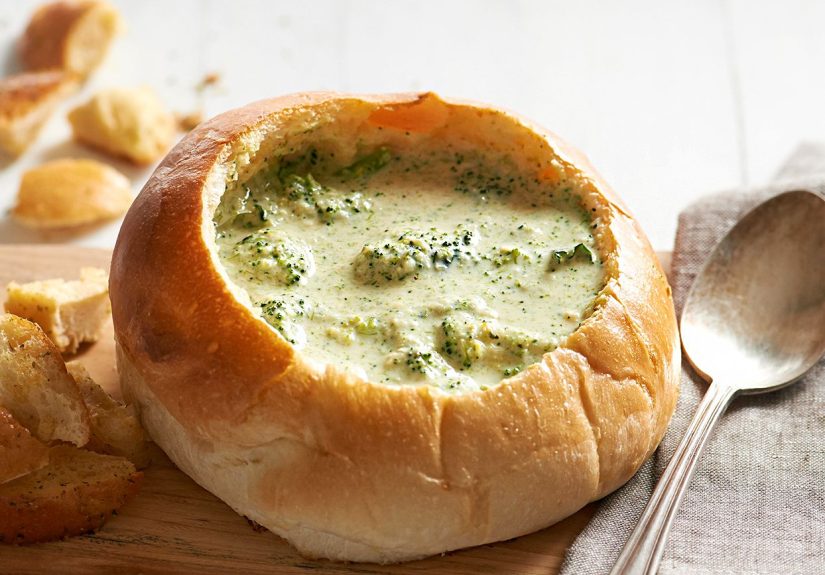
- Broccoli soup
- Chowders
- Quick weeknight soups that need thickening at the end
Watch out for this
Never add dry starch directly to hot soup unless your goal is tiny gummy clumps. Also, do not overdo it. Too much slurry can make soup glossy in a way that feels more cafeteria than cozy. For make-ahead soups, flour- or potato-based thickening can sometimes hold up better than cornstarch after chilling and reheating.
3. Build Depth With a Roux
If you want a thicker soup with a richer, more classic texture, use a roux. A roux is made by cooking equal parts fat and flour together before adding liquid. It thickens the soup while also adding a subtle toasted flavor and a more luxurious mouthfeel.
Why this method works
A roux does not just thicken soup. It builds structure. That is why it shines in cream soups, chowders, and savory soups where you want the broth to feel silky and substantial rather than simply starchy.
How to do it
In a separate pan, melt butter over medium heat and whisk in an equal amount of flour. Cook for a minute or two, stirring constantly, until the raw flour smell disappears. Then whisk in a little hot broth to loosen it, and add the mixture back into the soup. You can also start the soup itself with a roux, which is common for chowders and creamy soups.
Best for
- Clam chowder
- Potato soup
- Cheese soup
- Creamy chicken and wild rice soup
Watch out for this
Undercooked roux can leave a raw flour taste. Overcooked roux thickens a bit less and turns darker. Neither is the end of the world, but it is worth paying attention. Think of it as five calm minutes that save your soup’s reputation.
4. Blend or Mash Some of the Soup Itself
One of the smartest ways to thicken soup is to use ingredients already in the pot. If your soup contains potatoes, beans, lentils, rice, squash, carrots, cauliflower, or other soft vegetables, you can blend part of it and stir it back in. This thickens the soup naturally and keeps the flavor cohesive.
Why this method works
When starchy vegetables or legumes break down, they release body into the broth. Blending part of the soup creates creaminess without extra cream, which is handy if you want a thick soup that still tastes fresh and balanced.
How to do it
Use an immersion blender to puree a portion of the soup directly in the pot, or transfer 1 to 2 cups to a blender and then stir it back in. You can also mash beans or potatoes with the back of a spoon or a potato masher for a more rustic texture.
Best for
- Black bean soup
- Lentil soup
- Potato soup
- Butternut squash soup
- Vegetable soup
Watch out for this
Do not blend soup carelessly when it is piping hot. If using a countertop blender, work in small batches and vent the lid so steam can escape. Otherwise, your kitchen may become a very dramatic soup geyser zone.
5. Add Ingredients That Naturally Create Body
Sometimes the best way to thicken soup is not with a formal thickener at all, but with ingredients that add body, creaminess, or starch. This method is especially useful when you want the soup to taste fuller, not just thicker.
Great options to use
- Beans: White beans, chickpeas, and cannellini beans can be mashed or blended into soup for creaminess and protein.
- Potatoes: Diced potatoes, mashed potatoes, or even a spoonful of instant potato flakes can help thicken the broth.
- Cooked rice or grains: Rice can break down slightly and add body to vegetable or tomato-based soups.
- Bread: A small amount of stale bread blended into the soup can create a hearty, old-world texture.
- Dairy: Heavy cream, half-and-half, sour cream, yogurt, or crème fraîche can add richness and a thicker finish.
Best for
- Tuscan-style bean soup
- Tomato soup
- Rustic vegetable soup
- Creamy chowders and bisques
Watch out for this
If you use dairy, stir it in near the end of cooking and avoid boiling the soup afterward. High heat can make dairy separate or curdle. Bread and potato-based additions also thicken as they sit, so leave a little wiggle room if the soup will rest before serving.
Common Mistakes That Can Ruin Soup Texture
Even the best thickening method can go sideways if you rush it. Here are a few common mistakes to avoid:
Adding too much thickener at once
Soup can go from pleasantly hearty to spoon-standing-up weird in a hurry. Always add thickener gradually.
Not letting the soup simmer after thickening
Slurries and roux need a few minutes to fully do their job. Judge the final texture after the soup has had time to settle.
Forgetting the flavor balance
When soup thickens, the seasoning can taste stronger. Taste again before serving and adjust with broth, salt, pepper, herbs, or a splash of acid if needed.
Choosing the wrong method for the soup
A roux is excellent in chowder but unnecessary in a brothy vegetable soup. Cream is lovely in tomato soup but less useful in a clear chicken broth. Match the thickening method to the style of soup you actually want to eat.
Which Soup-Thickening Method Should You Choose?
If you want a quick cheat sheet, here it is:
- Need a fast fix? Use a slurry.
- Want richer flavor too? Make a roux.
- Prefer no extra ingredients? Reduce it uncovered.
- Want a natural, wholesome texture? Blend or mash part of the soup.
- Want extra creaminess or heartiness? Add beans, potatoes, bread, grains, or dairy.
That is the real secret to perfect soup consistency: it is not about following one magic rule. It is about understanding what your soup needs. Some soups need concentration. Some need starch. Some need structure. Some just need a potato to step up and do something useful.
Final Thoughts on How to Thicken Soup Like a Pro
When you know how to thicken soup the right way, you stop treating thin soup like a kitchen emergency and start seeing it as an easy adjustment. A gentle simmer can deepen flavor. A slurry can rescue dinner in minutes. A roux can turn a plain pot into a restaurant-style bowl. And blending ingredients already in the soup is one of the smartest ways to build body without making the flavor feel heavy.
The best soups do not just taste good. They feel right on the spoon. So the next time your soup looks a little too brothy, do not panic. Pick the thickening method that suits the recipe, stir with confidence, and carry on. Your future bowl will thank you.
Real Kitchen Experiences: What Usually Happens When Soup Turns Out Too Thin
Anyone who cooks soup regularly has a memory of standing over the stove, doing that slow ladle test, and silently negotiating with the pot. Maybe it was a vegetable soup that smelled amazing but looked like the broth had completely abandoned the vegetables. Maybe it was a chowder that promised cozy weekend energy but arrived with the texture of milk wearing a winter coat. Either way, the lesson is almost always the same: soup thickness changes everything.
One of the most common experiences happens with homemade chicken soup. You start with good intentions, add stock, onions, carrots, celery, chicken, noodles, maybe a little garlic, and then suddenly realize the noodles soaked up less liquid than expected and the broth still feels thin. In that situation, many cooks reach for a slurry because it is fast and forgiving. The change can happen in minutes, and the soup goes from “light lunch” to “yes, this is dinner.”
Tomato soup teaches a different lesson. It often does not need more ingredients. It usually needs patience. A quick simmer with the lid off can transform it from watery to velvety while also making the tomato flavor taste deeper and sweeter. This is the moment many home cooks realize that thickening soup is not always about adding something new. Sometimes it is about letting the soup become more like itself.
Bean soups and lentil soups are where cooks often have their biggest a-ha moment. At first, the soup may seem too loose, and the instinct is to add flour or cornstarch. But once you mash some beans or blend a scoop of the soup and stir it back in, the whole pot suddenly feels rounder, heartier, and more natural. It tastes less “fixed” and more finished. That experience tends to convert people into lifelong believers in the power of using what is already in the pot.
Then there is chowder, which is where many people learn the value of a roux. A roux-based soup feels different from a soup thickened with a slurry. It is not just thicker. It is more structured, more velvety, more old-school in the best possible way. The first time someone makes a proper roux for potato soup or corn chowder, there is often a brief moment of surprise that two humble ingredients, butter and flour, can produce such a cozy result.
And of course, there is the dramatic save. The soup is done, guests are coming, and it is still too thin. That is when experience teaches restraint. Add a little slurry, not half the bowl. Blend a cup, not the whole pot. Stir in cream at the end, not during an aggressive boil. The cooks who get consistently good soup are rarely the ones using fancy tricks. They are the ones making small adjustments, tasting often, and understanding that texture can be built step by step.
That is why soup making becomes easier over time. You stop expecting perfection on the first stir. You start noticing whether a soup needs evaporation, starch, blending, or richness. And eventually, instead of asking, “Why is my soup too thin?” you start asking the far more useful question: “What kind of thickness would make this soup taste best?” That is the point where soup stops being just a recipe and starts becoming real cooking.







 Close
Close