
Table of Contents >> Show >> Hide
- What Menopause Actually Means (and Why This Matters)
- 1) Surprise: Menopause Is One Day. Perimenopause Is the Long Season.
- 2) Surprise: Hot Flashes Can Last Longer Than You Were Told
- 3) Surprise: “Brain Fog” and Mood Changes Are Real, Not a Character Flaw
- 4) Surprise: Menopause Affects More Than PeriodsIt Also Changes Vaginal and Urinary Health
- 5) Surprise: Weight Changes in Menopause Are About Biology, Not Willpower
- 6) Surprise: Menopause Is a Heart-and-Bone Health Turning Point (and a Treatment Window)
- Conclusion: Menopause Isn’t the End of “You”It’s a New Operating System
- Extended Section: 500+ Words of Real-Life Menopause Experiences
If you think menopause is just “a few hot flashes and then business as usual,” welcome to the plot twist.
Menopause is one of the biggest biological transitions in adult life, yet it’s still treated like a side note in
many doctor visits, family conversations, and workplace chats. The good news? Once you understand what’s actually
happening, menopause feels less like random chaos and more like a phase you can actively manage.
In this guide, we’ll break down six surprising menopause facts that most people wish they learned earlierfrom
sleep and mood shifts to bladder changes, heart health, and treatment options that are far more personalized than
old myths suggest. You’ll also get practical, realistic strategies you can use now.
What Menopause Actually Means (and Why This Matters)
Quick myth-buster: menopause is not “that whole decade where your hormones act like a roller coaster.”
Technically, menopause is diagnosed after 12 straight months without a menstrual period. Everything leading up to
that milestone is called perimenopause, and it can last several years. That distinction matters because
most confusing symptoms happen during perimenopause, not just after menopause itself.
Translation: if your period is irregular, your sleep is weird, your patience is shorter than your coffee order,
and you’re wondering if your body got a software update without asking your permissionyou may be in perimenopause.
You are not “making it up,” and you are definitely not alone.
1) Surprise: Menopause Is One Day. Perimenopause Is the Long Season.
Most women are taught that menopause “happens in your early 50s.” True-ish. But what many don’t hear is that the
transition often starts in the 40s and can stretch over years. During perimenopause, estrogen and progesterone can
fluctuate unpredictably, which is why symptoms can seem random: one month you’re fine, the next month your sleep
disappears and your period goes off-script.
Why this surprises people
We like neat timelines. Biology likes improvisation. Hormones can rise and fall unevenly, so symptoms are often
inconsistent before they settle. That’s why a normal lab test one day doesn’t always capture how you feel over
several months.
What to do
- Track symptoms for 8–12 weeks (sleep, cycle changes, mood, hot flashes, bladder symptoms).
- Bring your log to a clinician; patterns are more useful than one-time snapshots.
- If pregnancy is not desired, keep using contraception until you’re truly past the menopause threshold.
2) Surprise: Hot Flashes Can Last Longer Than You Were Told
Many people still hear the old line: “Hot flashes last a year or two.” For some, yes. For many others, symptoms
last longer. Large U.S. research has shown that frequent vasomotor symptoms (hot flashes and night sweats) can
persist for years, sometimes well into postmenopause.
And hot flashes aren’t just “feeling warm.” They can interrupt work calls, derail sleep, trigger anxiety, and
create a domino effect of fatigue and irritability. If your shirt changes three times a day, that’s not a
personality traitit’s a symptom.
What helps
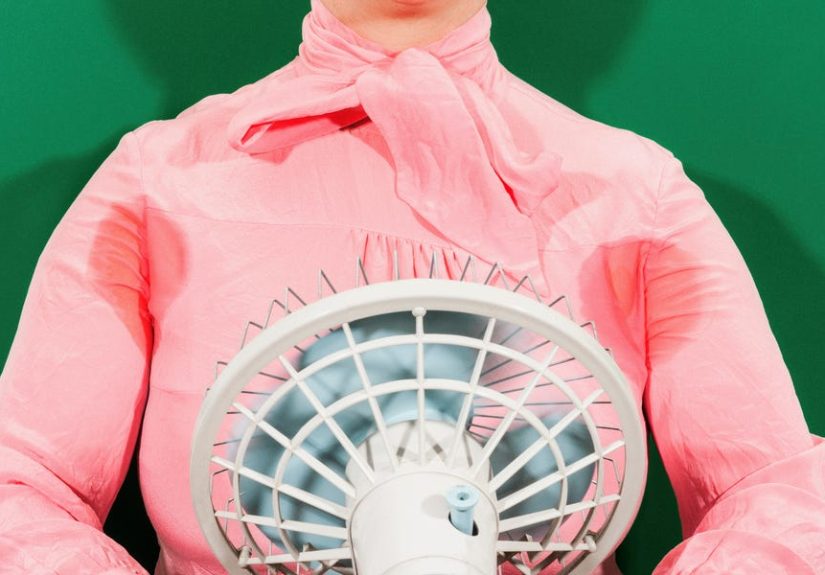
- Layering + cooling habits: breathable fabrics, fan at bedside, cooler room temperature.
- Trigger awareness: alcohol, spicy food, heat exposure, and stress can worsen symptoms for some people.
- Treatment options: hormone and nonhormonal approaches are both valid, depending on your health profile.
Bottom line: if symptoms are affecting sleep, work, or relationships, that’s enough reason to seek treatment.
You don’t have to “just tough it out.”
3) Surprise: “Brain Fog” and Mood Changes Are Real, Not a Character Flaw
Forgetfulness. Word-finding problems. Feeling emotionally thinner-skinned than usual. Trouble concentrating in
meetings you normally run with your eyes half-closed. Sound familiar?
Midlife cognitive and mood changes are common during perimenopause. Hormone shifts can interact with sleep
disruption, stress load, and life-stage pressures (aging parents, career intensity, kids launching, relationship
changes). It’s often not one single factorit’s a stack.
The sleep connection is huge
Night sweats and insomnia can amplify low mood, anxiety, and memory lapses. In other words, your “brain fog” may
be partly a sleep debt problem wearing a hormone costume.
What helps in real life
- Treat sleep as medical self-care: consistent sleep/wake times, reduced late caffeine, device curfew before bed.
- Use external memory systems: lists, reminders, calendar blocks, and “single-tasking windows.”
- If symptoms are significant, discuss mood and sleep treatment directly with your cliniciandon’t wait.
If mood symptoms become intense or persistent, get professional support quickly. Menopause is not a “grin and bear
it” contest.
4) Surprise: Menopause Affects More Than PeriodsIt Also Changes Vaginal and Urinary Health
Here’s one of the most under-discussed pieces: menopause can affect the vulva, vagina, bladder, and urinary tract
together. This cluster is called genitourinary syndrome of menopause (GSM).
Symptoms can include vaginal dryness, burning, irritation, pain with sex, urinary urgency, leakage, and recurrent
urinary discomfort. Many women assume this is “just aging,” then silently avoid intimacy, travel, exercise, or
social activities. But GSM is typically treatable.
Treatment is not one-size-fits-all
- For mild symptoms: vaginal moisturizers and lubricants can help.
- For moderate to severe symptoms: local vaginal therapies may be appropriate for many patients.
- Pelvic floor therapy and bladder habit retraining can improve urgency and leakage.
If you’ve been quietly planning your life around restroom locations, that’s your sign to get evaluated.
You deserve better than “strategic bathroom mapping” as a long-term lifestyle.
5) Surprise: Weight Changes in Menopause Are About Biology, Not Willpower
Many women report, “I’m eating the same way, but my body is changing.” That experience is common. During and
after menopause, body composition can shift toward more abdominal fat and less lean muscle. Even if body weight
changes only a little, the distribution can change in ways that affect health risk.
So if your old routine suddenly stops working, it doesn’t mean you “failed.” It means your strategy needs an
update for your current biology.
What works better than crash dieting
- Strength training: protects muscle, metabolism, balance, and bone.
- Protein-forward meals: supports satiety and muscle maintenance.
- Cardio + movement “snacks”: regular activity helps cardiometabolic health.
- Sleep protection: poor sleep increases cravings and worsens insulin regulation.
Menopause is a terrible time for extreme diets and a great time for sustainable habits.
6) Surprise: Menopause Is a Heart-and-Bone Health Turning Point (and a Treatment Window)
Menopause is not only about symptom relief; it’s also about prevention. As estrogen levels decline, many women see
shifts in cholesterol, blood pressure, body fat distribution, vascular health, and bone turnover. Risk for heart
disease and osteoporosis can rise after menopause.
This is why midlife checkups matter so much. Think of this stage as a prevention window: what you do now affects
your 60s, 70s, and beyond.
Where hormone therapy fits
Menopause hormone therapy is often misunderstood as either “always dangerous” or “magic for everyone.”
The truth is more nuanced. For appropriately selected patientsespecially those younger than 60 or within about
10 years of menopause onset and without contraindicationsbenefit-risk balance may be favorable for bothersome
symptoms and bone protection. But treatment must be individualized.
What to discuss with your clinician
- Your symptom priorities (sleep, hot flashes, mood, sexual comfort, bladder function).
- Personal and family history (clotting, stroke, breast/endometrial concerns, liver disease).
- Whether hormonal or nonhormonal therapy (or both) matches your risk profile and goals.
- Bone strategy: calcium/vitamin D intake, resistance exercise, and when to consider bone density testing.
- Heart strategy: blood pressure, lipids, blood sugar, activity, and smoking/alcohol counseling.
Conclusion: Menopause Isn’t the End of “You”It’s a New Operating System
Menopause can feel surprising, frustrating, and occasionally ridiculous (yes, even in the middle of a grocery
aisle while wearing a winter coat in air conditioning). But it doesn’t have to feel mysterious.
The biggest shift is this: stop treating menopause as a private inconvenience and start treating it as a major
health phase worthy of informed care.
If there’s one takeaway from these six surprises, it’s this: your symptoms are valid, your risks are manageable,
and your options are broader than you think. Menopause care today can include lifestyle tools, sleep strategies,
pelvic support, hormonal and nonhormonal therapies, and targeted prevention for heart and bone health.
That’s not “just getting older.” That’s smart, modern healthcare.
Extended Section: 500+ Words of Real-Life Menopause Experiences
The following are composite experiences based on common real-world patterns women report during perimenopause and
menopause. They are not individual medical case records, but they reflect situations many readers will recognize.
Experience 1: “I thought I was burning out at work”
Dana, 47, is a team lead who could run a product launch and a school pickup schedule at the same time.
Then sleep started falling apart. She woke at 2:17 a.m. like it was a scheduled appointment. Her patience got
shorter, her memory got patchy, and she started saying things like, “What was I saying?” three times in one
presentation. She assumed she was failing at stress management.
What changed things was tracking symptoms for two months. She noticed night sweats on many of the same nights she
slept badly, and worse mood after poor sleep. Once she worked with her clinician on symptom-targeted treatment and
improved bedtime habits, her concentration improved and morning dread eased. Her quote now: “I wasn’t broken.
I was in transition and needed a different plan.”
Experience 2: “No one warned me about bladder urgency”
Melissa, 53, expected hot flashes. She did not expect planning every errand around nearest bathrooms.
She stopped long walks because urgency made her anxious. She skipped date nights because intercourse became painful,
and she felt embarrassed discussing it. For months she told herself this was just normal aging.
A menopause-focused visit changed her script. She learned about genitourinary syndrome of menopause and discovered
there were practical treatment options. With a combination of vaginal support therapy, moisturizer routine, and
pelvic floor guidance, she gradually resumed exercise and intimacy. “I wish I had asked sooner,” she says.
“The silence was worse than the symptoms.”
Experience 3: “My old diet stopped working overnight”
Priya, 50, had maintained her weight for years with the same eating pattern. Suddenly she noticed increased belly
fat and lower energy. She blamed herself and tried aggressive calorie cuts, which made sleep and mood worse.
A better strategy was less dramatic and more effective: progressive strength training three days a week, protein at
each meal, walking after dinner, and realistic sleep targets. She didn’t “hack menopause in 10 days,” but over six
months she improved stamina, waist measurements, and confidence. “I stopped fighting my body and started coaching
it,” she says.
Experience 4: “I was scared of hormone therapy because of old headlines”
Angela, 56, had severe hot flashes and fragmented sleep. She had heard conflicting things about hormone therapy:
some friends called it dangerous, others called it life-changing. She felt stuck between fear and fatigue.
During a detailed risk-benefit discussion, her clinician reviewed age, timing since menopause, family history, and
treatment goals. They chose a personalized plan with regular follow-up and clear milestones for reassessment.
Her sleep improved within weeks, and daytime function followed. “What helped most,” she says, “was not being pushed
in either direction. I got informed choices, not pressure.”
Experience 5: “The biggest surprise was emotional”
Renee, 51, describes menopause as “a loud invitation to renegotiate everything.” She expected physical symptoms but
did not expect the emotional layer: grief about aging, relief from no periods, fear about health, pride in
resilience, and a new willingness to set boundaries at work and home.
Her practical toolkit became simple but powerful: weekly strength sessions, a sleep routine, regular medical
follow-ups, and an honest friend group chat where nobody pretended to be fine all the time. “Menopause didn’t make
me smaller,” she says. “It made me more specific about what I need.”
If these experiences sound familiar, that’s the point. Menopause is deeply personal, but no one should have to
figure it out in isolation. The earlier you name symptoms and seek evidence-based care, the faster life gets more
predictableand a lot more comfortable.







 Close
Close