

Table of Contents >> Show >> Hide
- What Is Histamine Intolerance (HIT)?
- HIT Symptoms: What It Can Look Like
- What Causes Histamine Intolerance?
- High-Histamine Foods (and “Histamine Liberators”)
- How Is Histamine Intolerance Diagnosed?
- Treatment for HIT: What Actually Helps?
- Prevention: Reducing Histamine Load Without Living in a Bubble
- HIT vs. Food Allergy vs. “Something Else”: A Quick Comparison
- Conclusion
- Real-World Experiences With HIT (What People Commonly Report)
If you’ve ever eaten leftovers, sipped wine, and then spent the next few hours wondering why your body is acting like it just watched a horror movie, you’ve probably googled “histamine intolerance.” Histamine intolerance (often shortened to HIT) is a suspected condition where histamine builds up faster than your body can break it downleading to symptoms that can look a lot like allergies, but aren’t always true allergies.
Here’s the catch: HIT is real enough that major medical organizations and clinics discuss it, but it’s also messy enough that there isn’t one universally accepted test that confirms it for everyone. That doesn’t mean your symptoms are imaginary. It means we need a practical, evidence-aware plan that prioritizes safety, reduces guesswork, and avoids turning your grocery list into a sad poem.
What Is Histamine Intolerance (HIT)?
Histamine is a natural chemical messenger in your body. It plays roles in immune responses (hello, allergy symptoms), digestion (it helps stimulate stomach acid), and even brain function (wakefulness and signaling). Under normal circumstances, your body makes histamine and also breaks it down efficiently.
Histamine intolerance is generally described as an imbalance: you’re getting too much histamine (from food, your own cells, or both), and/or you’re breaking it down too slowly. One key enzyme involved is diamine oxidase (DAO), which helps break down histamine in the gut. When DAO activity is reduced or blocked, histamine from food may be more likely to contribute to symptoms.
Important nuance: HIT is often described as a non-allergic food hypersensitivity. In other words, it can mimic an allergic reaction, but it isn’t always driven by the classic IgE antibody mechanism behind many food allergies. That’s why people can have “allergy-like” symptoms yet test negative on standard allergy testing.
HIT Symptoms: What It Can Look Like
HIT symptoms can be frustratingly broad. Histamine acts in multiple organs, so symptoms can show up in the skin, gut, head, nose, and cardiovascular systemsometimes all on the same day (because your body loves variety).
Commonly reported symptoms
- Digestive: bloating, abdominal pain, diarrhea, nausea, reflux-like symptoms
- Skin: flushing, itching, hives, rashes, eczema-like flares
- Head/neurologic: headaches or migraine-like episodes, dizziness
- Nasal/respiratory: runny or stuffy nose, sneezing, throat irritation (occasionally wheeze in some people)
- Cardiovascular: palpitations, rapid heart rate, lightheadedness (especially after meals)
- General: fatigue or “wired but tired” feelings after certain foods
Red flags: when to seek urgent care
If you have symptoms of a severe allergic reactiontrouble breathing, swelling of lips/tongue/throat, fainting, or rapidly worsening hivestreat it like an emergency. HIT is not an excuse to “wait it out” if you might be having anaphylaxis or another serious reaction.
What Causes Histamine Intolerance?
HIT isn’t usually one single villain twirling a mustache. It’s more like a crowded group chat where everyone is talking at once: enzymes, gut health, medications, alcohol, and even food storage can all influence histamine load.
1) Reduced DAO activity (or blocked DAO)
DAO helps break down histamine in the intestines. Lower DAO activity is often discussed as a contributor to HIT. Why DAO may be lower (or less effective) can varygenetics, gut inflammation, and certain medications have all been proposed as factors.
2) Gut conditions that increase histamine load
The gut is a major “histamine decision-maker.” When the intestinal lining is inflamed or the microbiome is altered, histamine handling may change. Some people notice symptoms alongside issues like IBS-type patterns or other GI disorders. This doesn’t prove HIT, but it can be part of the puzzle: a stressed gut may be less forgiving of histamine-rich foods.
3) Alcohol and fermented foods
Fermentation and aging tend to increase histamine in foods. Alcohol can be a double-whammy because some alcoholic beverages are high in histamine and alcohol may interfere with histamine breakdown in susceptible people. Translation: that “one glass of red wine” can hit like a plot twist.
4) Medications and supplements
Some medications may worsen histamine-related symptoms in certain people by affecting histamine metabolism or DAO activity. This is highly individualized and should be reviewed with a clinicianespecially before stopping any prescribed medication.
5) Histamine-rich meals + time + temperature
Histamine in food can rise as food ages or spoils, especially in certain proteins. This is why “freshness” and storage practices matter so much in histamine strategies. In extreme cases, spoiled fish can cause scombroid (histamine) poisoning, which can look like an allergic reaction and comes on quickly after eating contaminated fish.
High-Histamine Foods (and “Histamine Liberators”)
No two HIT food lists match perfectlyannoying, yes, but it reflects reality: histamine content varies by processing, aging, and storage. Still, there are repeat offenders that show up across reputable guidance.
Foods often higher in histamine
- Aged cheeses; cured/processed meats
- Fermented foods (kimchi, sauerkraut, yogurt/kefir in some cases, soy sauce)
- Alcohol (especially wine and beer)
- Canned, smoked, or not-fresh fish; shellfish (individual tolerance varies)
- Vinegar-heavy or pickled foods
Foods that may trigger histamine release (for some people)
Some foods aren’t necessarily “histamine bombs” themselves but may trigger symptoms in certain individuals. This is why a personalized approach beats memorizing a list like it’s the lyrics to a breakup song.
Practical reality check: “Low histamine” doesn’t mean “no histamine”
It’s nearly impossible (and not recommended) to eliminate histamine entirely. A more realistic goal is identifying your threshold and your triggers, then lowering histamine exposure enough to feel better without shrinking your diet into three foods and a tear.
How Is Histamine Intolerance Diagnosed?
Diagnosis is where HIT can feel like trying to nail Jell-O to a wall. There’s no single gold-standard test accepted everywhere. In practice, clinicians often diagnose HIT through a combination of history, symptom patterns, ruling out other conditions, and response to dietary intervention.
Step 1: Rule out the “must not miss” conditions
- True food allergy (especially if reactions are immediate and severe)
- Scombroid poisoning (rapid onset after fish that may have been improperly stored)
- Mast cell disorders or other causes of histamine excess (considered when symptoms are systemic and persistent)
- GI conditions (celiac disease, inflammatory conditions, infections, etc.) that could explain symptoms
Step 2: Track symptoms like a friendly detective
A food-and-symptom diary is surprisingly powerful. Note what you ate, how it was stored (fresh vs. leftovers), alcohol intake, stress, sleep, menstrual cycle patterns (if relevant), and the timing of symptoms. HIT symptoms may appear after meals, but timing can vary.
Step 3: A short-term elimination and reintroduction trial
Many clinicians and dietitians use a short-term low-histamine diet (often 2–4 weeks) followed by systematic reintroduction. The goal is not permanent restrictionit’s learning which categories matter for you.
Step 4: Testing (useful sometimes, not definitive)
You may hear about tests for DAO levels or histamine. These can be discussed with a clinician, but results don’t always correlate cleanly with symptoms. If testing is used, it’s typically as one part of a broader clinical picturenot a stand-alone “yes/no” stamp.
Treatment for HIT: What Actually Helps?
The best HIT plan is usually a layered strategy: lower histamine exposure, support gut health where appropriate, and use medications carefully when clinically indicated.
1) The low-histamine diet (short term, personalized)
A low-histamine diet is often the first-line non-drug approach. Key principles:
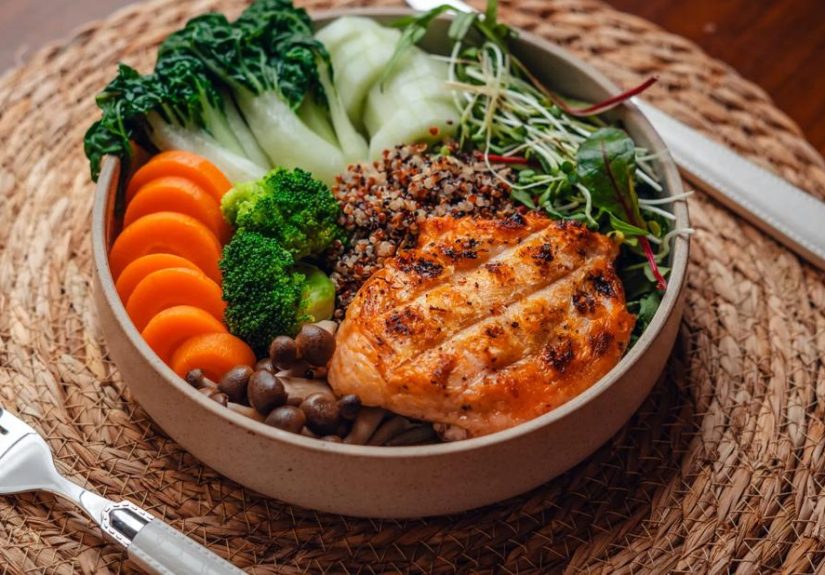
- Favor freshness: fresh meats and freshly cooked meals tend to be better tolerated than aged, fermented, or long-stored foods.
- Manage leftovers: freeze promptly if you’re sensitive (histamine can increase as food sits).
- Reduce fermented/aged items: then re-test later if symptoms improve.
- Don’t under-eat: overly restrictive diets can cause nutritional gaps and increase food anxiety.
2) Address underlying gut issues
If symptoms overlap with chronic GI problems, treating the underlying condition (with appropriate medical care) may reduce histamine burden and improve tolerance. This might include managing reflux, addressing infections when present, or working on IBS strategies under guidance.
3) Antihistamines (H1 and sometimes H2)
Some people experience symptom relief with antihistamines, but these should be used thoughtfully and ideally with clinician guidanceespecially if you have other medical conditions, take other medications, or are pregnant.
- H1 blockers are commonly used for allergy-type symptoms (itching, hives, sneezing).
- H2 blockers may help with certain histamine-related digestive symptoms in some contexts.
Be aware that some antihistamines can cause drowsiness and other side effects, especially older “first-generation” products.
4) DAO supplements: promising idea, mixed evidence
DAO supplements are marketed for HIT. Some studies suggest potential benefit for certain symptoms in some people, but research quality and consistency vary. If you try DAO, treat it as an experiment: track outcomes, keep expectations realistic, and discuss it with your clinicianparticularly if you have complex symptoms or take multiple medications.
5) Lifestyle support: the underrated stuff
Stress, poor sleep, intense exercise spikes, and alcohol can all shift how reactive you feel. While these don’t “cause” HIT on their own, they can lower your tolerance thresholdmeaning foods that were fine last week suddenly aren’t. Annoying? Yes. Common? Also yes.
Prevention: Reducing Histamine Load Without Living in a Bubble
Prevention isn’t about avoiding every histamine molecule (you can’t). It’s about reducing unnecessary histamine exposure and preventing big spikes.
Food-handling habits that matter
- Buy fresh, eat fresh: especially for fish and meats.
- Chill quickly: refrigerate promptly; freeze leftovers quickly if you’re sensitive.
- Be cautious with fish: improperly stored fish can cause scombroid poisoning, which is histamine-driven and fast-onset.
Medication review
If your symptoms started after a new medication or supplement, ask your clinician or pharmacist whether it might affect histamine pathways for you. Never stop a prescribed drug without medical advice.
Plan for social life (because you deserve one)
If restaurant meals trigger symptoms, aim for simpler orders: freshly cooked proteins, plain rice or potatoes, and non-fermented sauces. You’re not “being difficult.” You’re being strategic.
HIT vs. Food Allergy vs. “Something Else”: A Quick Comparison
One reason HIT is confusing is because it overlaps with many conditions. Here’s a practical way to think about it:
- Food allergy: immune-mediated; can be life-threatening; often consistent reactions to specific foods.
- HIT: non-allergic hypersensitivity; symptoms may depend on dose, food storage, alcohol, stress, and gut health.
- Scombroid poisoning: rapid onset after contaminated fish; resembles allergy; usually resolves within a day or two.
- Other mimics: IBS, reflux, mast cell-related conditions, medication side effects, and more.
If you’re unsure which bucket you’re in, that’s not a personal failure. It’s the nature of the beastand a good reason to work with an allergist, gastroenterologist, or dietitian experienced in food sensitivities.
Real-World Experiences With HIT (What People Commonly Report)
Because HIT can be so individualized, people often describe a “weird pattern” phase before they ever hear the term. A common story goes like this: someone eats a meal that seems totally normalmaybe tomato sauce, aged cheese, a glass of wine, or a bowl of leftovers that’s been sitting in the fridge for two days. Within hours, they’re flushed, itchy, congested, bloated, or dealing with a headache that feels personal. They might even get palpitations, which is the symptom that tends to turn a casual inconvenience into a full-on “Okay, I’m calling my doctor” moment.
Many people describe HIT as a threshold problem. On low-stress weeks with good sleep, they tolerate foods better. On high-stress weeks, the same foods feel like a prank. Some notice symptoms cluster after alcohol, intense workouts, or poor sleep. Others notice that their “safe foods” shift depending on how fresh the meal isfreshly cooked chicken is fine, but the same chicken as leftovers becomes a problem. That’s often when the concept of histamine increasing with food aging starts to make sense and people become meticulous about freezing portions immediately.
There’s also the “medical odyssey” experience. Because symptoms overlap with allergies, IBS, reflux, migraines, anxiety, and even panic symptoms, people may bounce between specialists. Some get negative allergy tests and feel confused“If it’s not an allergy, why does my face turn red and my nose run?” That confusion can lead to overly restrictive diets built from internet lists. In real life, this is where people often report feeling worse, not better: too few calories, too little variety, and rising anxiety around eating. The turning point is usually when they work with a clinician or dietitian who treats the diet as a short-term experiment, not a lifetime sentence.
Social situations can be the hardest. People commonly report they can manage HIT at home but struggle at restaurants and partiesespecially when meals include fermented foods, sauces, and alcohol (aka “the fun stuff”). Many do best with a strategy that’s boring but effective: choose freshly cooked simple foods, skip high-histamine drinks for a while, and focus on reintroducing foods systematically so life doesn’t become an endless “no” list. When reintroductions go well, it feels like getting tiny pieces of normal life backcoffee dates, dinner out, the ability to eat without scanning your body for doom signals.
Another frequently reported experience is that HIT management improves when people focus on the basics: sleep, stress reduction, and gut-friendly routines that don’t involve “supplement roulette.” Some people experiment with antihistamines or DAO supplements under guidance; others find their biggest wins come from freshness, fewer leftovers, and limiting alcohol. And many discover that their HIT symptoms were partially amplified by an underlying issueuntreated reflux, chronic constipation, or a GI condition that needed direct care. When that underlying issue improves, their histamine “bucket” feels larger.
The most consistent theme across experiences is this: people feel best when they stop chasing a perfect list and start building a personal tolerance map. HIT, for many, isn’t solved by banning foods foreverit’s managed by understanding patterns, reducing unnecessary histamine load, and returning to a diet that’s varied, nourishing, and realistically livable.






 Close
Close