
Table of Contents >> Show >> Hide
- Why oil stains are so stubborn
- Before you start: know your driveway material
- 8 ways to clean oil off a driveway
- 1. Blot and absorb fresh oil immediately
- 2. Use dish soap and hot water for light or fresh stains
- 3. Make a baking soda or powdered laundry detergent paste
- 4. Grind in clay cat litter for deeper absorption
- 5. Apply a commercial driveway degreaser
- 6. Try a poultice or overnight stain remover for old, deep-set stains
- 7. Use TSP for very stubborn concrete stains
- 8. Finish with careful pressure washing
- What not to do when cleaning oil off a driveway
- How to keep oil stains from coming back
- Conclusion
- Real-world experience: what actually helps when you are standing in the driveway with a brush in one hand and regret in the other
Oil stains have a special talent for making an otherwise decent-looking driveway seem like it has given up on life. One little drip from a car can turn into a dark blotch that shouts, “Yes, something is leaking, and no, I have not dealt with it.” The good news is that removing oil from a driveway is usually possible. The less-fun-but-still-useful news is that the method depends on how old the stain is, how much oil spilled, and whether your driveway is concrete or asphalt.
If you want the best results, think like a stain detective. Fresh spill? Focus on absorption. Old stain? You need to break down the oil, pull it out of the surface, and then rinse carefully. Concrete is porous, so oil likes to sink in and make itself at home. Asphalt is a little trickier because petroleum products can soften it, which means aggressive cleaning can sometimes cause its own drama. In other words, the goal is not just to clean oil off a driveway, but to do it without creating a second repair project.
Why oil stains are so stubborn
Driveway oil stains are not just sitting on top of the surface like spilled coffee on a countertop. On concrete, oil seeps into tiny pores. On asphalt, it can interact with the binder itself. That is why a quick spray with the garden hose rarely works. In fact, hosing it down too soon often spreads the mess, sends grime toward the curb, and leaves you with a larger stain plus a guilty conscience.
That is also why most effective driveway oil stain removal methods follow the same basic sequence: absorb, scrub, dwell, rinse, repeat. Glamorous? No. Effective? Very often, yes.
Before you start: know your driveway material
Concrete driveways
Concrete can usually handle a wider range of cleaners, including baking soda paste, laundry detergent paste, degreasers, and even stronger options for deep-set stains. Because it is porous, old oil stains may lighten gradually rather than vanish in one heroic afternoon.
Asphalt driveways
Asphalt requires a gentler touch. If you scrub too hard with harsh petroleum-based products, you may remove not just the stain but some of the surface character too. Mild detergent, absorbent materials, and carefully tested driveway cleaners are the smarter first moves here. If the oil has softened the asphalt or left a gummy, pitted area, you may be looking at repair instead of true cleaning.
8 ways to clean oil off a driveway
1. Blot and absorb fresh oil immediately
If the spill just happened, speed matters. The faster you act, the less oil soaks in. Blot pooled oil with rags or paper towels first. Then cover the spot with an absorbent material such as clay cat litter, baking soda, cornmeal, sawdust, or another oil-absorbing powder.
For the best results, let the absorbent sit for several hours. Overnight is even better for a larger spill. On a concrete driveway, this first step can save you a lot of scrubbing later. On an asphalt driveway, it is even more important because you want to remove as much oil as possible before it starts softening the surface.
Best for: fresh drips, small leaks, and those “I will deal with it later” moments that luckily lasted only five minutes.
2. Use dish soap and hot water for light or fresh stains
Dish soap is not just for frying pans and the occasional coffee mug that sat too long in the sink. A grease-cutting dish soap can work surprisingly well on newer driveway oil stains, especially if the stain has not fully settled into the surface.
Apply the soap directly to the stain, add a little hot water, and scrub with a stiff nylon brush. Not a wire brush. A nylon brush is firm enough to do the job without being unnecessarily rough on the surface. Work from the outside of the stain inward so you do not spread it into a bigger halo.
This method is ideal when the stain is more “fresh annoyance” than “ancient driveway fossil.” You may need two or three rounds, but it is simple, affordable, and less harsh than jumping straight to specialty chemicals.
3. Make a baking soda or powdered laundry detergent paste
When dish soap is too mild and the stain is still hanging around like an uninvited guest, a paste can help. Mix baking soda with a little water and dish soap, or make a paste with powdered laundry detergent and water. Spread it thickly over the stained area and scrub it into the surface.
Let the paste sit for 15 to 30 minutes before rinsing. For older stains, you can let it sit longer as long as it does not bake rock-hard in direct sun before you have a chance to work it. This method helps dissolve and lift oil without making your driveway smell like an auto shop chemistry experiment.
Best for: older concrete stains, moderate discoloration, and homeowners who prefer to start with common household products before buying a specialty cleaner.
4. Grind in clay cat litter for deeper absorption
Yes, cat litter deserves its own section. Not all cat litter, though. Clay or clumping litter is the useful one here. Crystal litter is great for other jobs, but driveway oil cleanup is not really its time to shine.
Pour a generous amount over the stain and grind it in with your shoe or a stiff broom. This helps the litter contact oil that is sitting just below the surface. Leave it in place for at least an hour, or overnight for older stains, then sweep it up. This method is especially handy for concrete and for fresh oily spots on asphalt where you want maximum absorption with minimum chemical fuss.
Think of it as low-tech, slightly ridiculous-looking, but genuinely effective.
5. Apply a commercial driveway degreaser
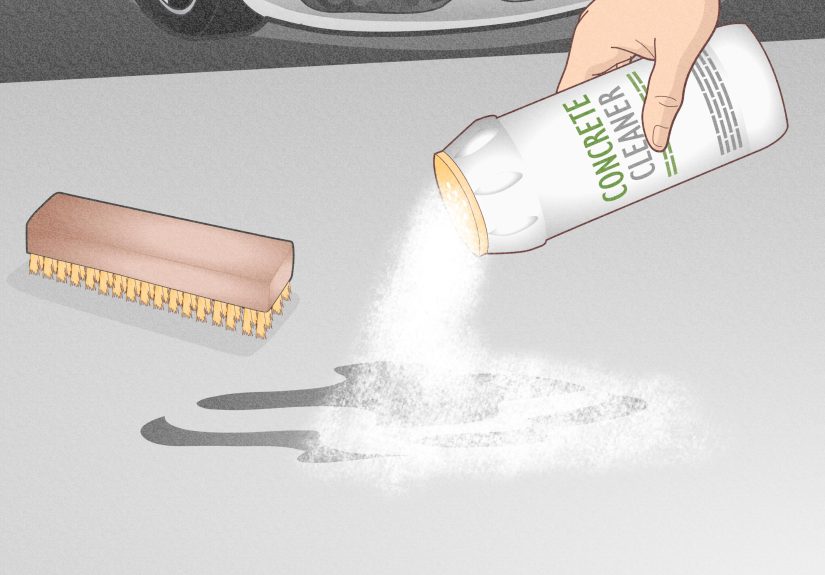
Sometimes the stain laughs in the face of baking soda. That is when a commercial concrete or driveway degreaser becomes useful. These cleaners are designed to loosen oil so it can be scrubbed away more effectively. Many are made for concrete, masonry, brick, and in some cases asphalt, but always read the label before you pour with confidence.
Apply the cleaner according to the directions, work it in with a stiff brush, let it dwell for the recommended time, and then rinse thoroughly. Do not let the product dry on the surface unless the directions specifically tell you to. That is a classic way to make cleaning harder, not easier.
If you are cleaning asphalt, test the product on a small hidden area first. Some degreasers can strip natural oils from the surface and leave it looking faded or uneven. If that happens, resealing may be needed after cleaning.
Best for: stubborn concrete stains, bigger spill areas, and greasy spots that have been collecting road grime for weeks or months.
6. Try a poultice or overnight stain remover for old, deep-set stains
Deep oil stains in porous concrete often need more than a quick scrub. They need something that can break down the oil and pull it upward as it dries. That is where a poultice-style treatment or overnight oil stain remover comes in.
You can make a simple DIY version by combining an absorbent powder such as diatomaceous earth or another fine absorbent with a cleaner strong enough to break down oil. Spread the thick paste over the stain, press it into the surface, and let it dry fully before scraping it away. Store-bought overnight removers work on the same basic idea, just with less guesswork and often with a more convenient formula.
This is one of the best ways to remove old oil stains from a concrete driveway when the stain has settled below the surface. It is not fast, and it may take repeat applications, but it can make a big difference where soap alone has failed completely.
7. Use TSP for very stubborn concrete stains
For heavy stains on concrete, trisodium phosphate, better known as TSP, is one of the classic stronger options. Mix it according to the directions, usually with hot water, apply it to the stain, let it soak, then scrub and rinse well.
This is not the “casual flip-flops and vibes” step. Wear gloves, eye protection, and older clothes, and keep pets and kids away from the work area. TSP is effective, but it is also one of those products that deserves respect. It is best reserved for concrete, not asphalt, and only when milder methods have not done enough.
If you are trying to remove a long-standing black oil patch from an unsealed concrete driveway, this method can be a turning point. It may not restore that section to showroom perfection, but it can significantly lighten the stain and clean the surface for follow-up washing or sealing.
8. Finish with careful pressure washing
A pressure washer can be the satisfying final act, but it works best after the stain has been pretreated. Spraying first and hoping for magic is usually a good way to waste water and keep the stain.
Use a low setting at first, especially on older concrete or asphalt. Keep the nozzle moving, and stay at a safe distance rather than hovering inches from the surface like you are trying to carve your initials into it. Hot water pressure washing is especially helpful for greasy residue. On concrete, it can remove cleaner residue and lift what the scrubbing loosened. On asphalt, it should be used more cautiously and never as an excuse to get overly aggressive.
Best for: rinsing after degreasers, finishing concrete stain removal, and getting the whole area to look more evenly clean.
What not to do when cleaning oil off a driveway
- Do not hose oily residue into the street. That runoff can move into storm drains and local waterways.
- Do not assume concrete and asphalt behave the same way. Concrete is porous; asphalt can soften from petroleum exposure.
- Do not let cleaners dry on the surface unless the product directions specifically tell you to do so.
- Do not expect every old stain to vanish completely. Some deep stains lighten a lot but leave a faint shadow.
- Do not ignore the source of the leak. Cleaning the driveway while your car continues dripping oil is a bit like mopping during a rainstorm with the window open.
How to keep oil stains from coming back
The easiest driveway stain to remove is the one that never gets a chance to settle in. Fix vehicle leaks promptly, place a drip pan or cardboard under a suspected leak, and keep a bag of clay cat litter in the garage for fast action. If your driveway is concrete, applying a quality sealer after the surface is fully clean and dry can make future spills far easier to remove.
For asphalt, resealing on schedule can help protect the surface and improve the appearance of areas that look faded after cleaning. Also, sweep rather than hose whenever possible, especially when you are dealing with oily residue. It is better for the driveway, the curb appeal, and the storm drain that did absolutely nothing to deserve a motor oil bath.
Conclusion
If you need to clean oil off a driveway, the best method depends on the age of the stain and the driveway material. Fresh spills often respond well to absorbents and dish soap. Older concrete stains may need a paste, a degreaser, a poultice, or even TSP. Asphalt stains require a little more caution, since oil and harsh cleaners can damage the surface. In most cases, the secret is not one miracle product. It is using the right method in the right order, with enough patience to let the cleaner do its job.
So yes, your driveway can look better. Maybe not “luxury-car-commercial-at-sunrise” better, but definitely “the neighbors stopped wondering what exploded” better. And honestly, that is already a win.
Real-world experience: what actually helps when you are standing in the driveway with a brush in one hand and regret in the other
The first thing I learned from dealing with driveway oil stains is that people massively underestimate the power of acting quickly. The time I cleaned up a fresh oil drip within an hour, the stain barely had a chance to settle. I threw down clay cat litter, stepped on it a few times to grind it in, swept it up later, and followed with dish soap and hot water. The spot was not just lighter. It was almost unnoticeable the next day. That felt like cheating, in the best possible way.
The second thing I learned is that old stains are humbling. There is a very specific kind of optimism that comes from looking at a dark, year-old stain and thinking, “I bet one scrub will do it.” It will not. Old stains usually need layers of effort. On one section of concrete, a paste made from powdered laundry detergent lightened the stain, but only after two rounds. A commercial degreaser helped more, but the real improvement came when I stopped rushing. Letting the cleaner sit, scrubbing thoroughly, and rinsing carefully made a bigger difference than using more product.
I also learned that pressure washing is useful, but only at the right point in the process. Early on, I made the classic mistake of trying to blast away the stain before breaking it down. The result was a driveway that was wetter, louder, and somehow still stained. Once I started pretreating first, pressure washing became the finishing move instead of the whole strategy.
Another lesson: concrete and asphalt absolutely do not respond the same way. A relative tried cleaning an asphalt spot with a stronger product that seemed fine on concrete, and the cleaned area ended up looking oddly dull compared with the surrounding surface. The stain was lighter, yes, but the driveway looked patched before it was actually patched. Since then, I have been much more cautious with asphalt. Mild cleaners, absorbents, and spot testing are worth the extra few minutes.
What surprised me most was how much better the driveway looked once I cleaned the entire section around the stain instead of only the stain itself. Sometimes the oil spot lightens enough that the freshly cleaned patch becomes the only thing you notice because the rest of the driveway is dingy. Giving the surrounding area a broader wash made the finish look intentional and far less blotchy.
And finally, the biggest real-world truth: fixing the leak matters more than finding the perfect cleaner. Cleaning the same spot over and over because a car is still dripping oil gets old fast. Once the mechanical issue was handled, the cleaning actually felt worthwhile. Until then, the driveway and I were basically stuck in a very annoying sequel.





 Close
Close