
Table of Contents >> Show >> Hide
- Why Cat Pee Smell Is So Hard to Remove (And Why Air Freshener Loses Every Time)
- Before You Start: Your Cat-Pee Odor Removal Kit
- How to Remove Cat Urine Smell From Carpet and Rugs (Fresh Stains)
- How to Remove Cat Urine Smell From Carpet (Dried or “Old” Stains)
- How to Remove Cat Pee Smell From Upholstery and Furniture
- How to Remove Cat Urine Smell From Hardwood, Laminate, Tile, and Concrete
- How to Get Cat Pee Smell Out of Clothes, Bedding, and Washable Fabrics
- Common Mistakes That Keep Cat Urine Smell Coming Back
- Preventing Repeat Accidents (Because Cleaning Forever Is Not a Hobby)
- Conclusion: The “Smell-Free House” Game Plan
- Real-World Experiences and Lessons Learned (What People Commonly Run Into)
- SEO Tags
Cat urine smell is the kind of “small problem” that can make your whole house feel like it’s auditioning for a
low-budget crime show called CSI: Litter Box. The good news: you can absolutely remove cat urine odor.
The slightly annoying news: you have to do it the right way, because cat urine is stubborn on purpose (your cat
did not choose peace).
In this guide, you’ll learn exactly how to get rid of cat pee smell from carpet, upholstery, hard floors, laundry,
and those “mystery areas” that only smell weird when it rains. We’ll also cover the biggest mistakes that lock in
odors (steam cleaning, I’m looking at you), plus how to prevent repeat performances.
Why Cat Pee Smell Is So Hard to Remove (And Why Air Freshener Loses Every Time)
Cat urine doesn’t just “smell bad.” It changes over time. When it dries, odor-causing compounds can cling to fibers
and porous materials. Then humidity (or re-wetting) can wake that smell back up like a villain in a sequel nobody
asked for.
That’s why masking the odor with candles or spray just creates a new scent profile called “Lavender Regret.”
To remove cat urine smell for good, you need to remove the urine and break down what’s left behind.
In most cases, that means an enzymatic cleaner designed for pet urine.
Before You Start: Your Cat-Pee Odor Removal Kit
Grab these items first so you’re not running around mid-clean with wet socks and a bad attitude:
- Paper towels or clean absorbent cloths (paper is great for maximum “throw it away” energy)
- Cool water (hot water can set stains/odors in some fabrics)
- Enzymatic pet urine cleaner (follow label directionsdifferent products behave differently)
- Rubber gloves (optional, but highly recommended if you enjoy having hands)
- Wet/dry vacuum or carpet extractor (helpful, not mandatory)
- Baking soda (for deodorizing after the urine is actually removed)
- UV/black light flashlight (optional, for finding old stains)
Safety note (non-negotiable)
Do not mix cleaning chemicals. Especially never mix bleach with anything other than
plain water, and never combine bleach with ammonia (urine contains ammonia). Also avoid combining vinegar with
hydrogen peroxide. Use one product at a time, rinse thoroughly between steps, and ventilate the area.
How to Remove Cat Urine Smell From Carpet and Rugs (Fresh Stains)
If the accident is still wet, you’re in the “best-case scenario” timeline. Move fast and you’ll remove far more
urine before it soaks deep into padding.
Step 1: Blot like your security deposit depends on it
Place a thick layer of paper towels over the spot and press down. Don’t scrub. Scrubbing pushes urine deeper and
spreads it sidewaysbasically turning one stain into a franchise.
Keep replacing towels until you’re no longer pulling up much moisture. If you can, stand on the towels for steady
pressure. Yes, it feels ridiculous. Yes, it works.
Step 2: Rinse with cool water, then blot again
Lightly rinse the area with cool water (don’t flood it), then blot again to pull out diluted urine. If you have a
wet/dry vacuum, this is where it shines: you can rinse and extract repeatedly without soaking the carpet forever.
Step 3: Saturate with enzymatic cleaner (this is the “magic,” but only if you do it right)
Enzyme cleaners need contact time. That usually means you must apply enough product to reach the same depth as the
urine. For carpet, that can be deeper than you think.
- Follow the label for how much to use and how long it should sit.
- Keep pets away from the area while it works.
- Let it air dry fully. Fans can help, but avoid heat blasting that can set odors in some materials.
Step 4: Deodorize after it’s dry
Once the area is completely dry and you’ve confirmed the odor is mostly gone, sprinkle a light layer of baking soda,
let it sit for several hours (or overnight), then vacuum thoroughly. Baking soda is great at absorbing leftover
odorsbut it’s not a substitute for removing urine.
How to Remove Cat Urine Smell From Carpet (Dried or “Old” Stains)
Old stains are tougher because the urine has had time to bond with fibers and sink into carpet padding. The fix is
still possible, but it often takes repetition and patience (two things cats never need to practice).
Step 1: Find every spot (because your nose is good, but it’s not a GPS)
Use your nose, inspect in daylight, and consider a UV/black light to reveal dried urine you can’t see. Mark the edges
so you treat the full area, not just the center.
Step 2: Rehydrate, extract, then enzyme-clean
Dried urine needs to be loosened. Lightly re-wet the area with cool water, then blot or extract. Repeat once or twice,
then apply enzymatic cleaner generously and let it dwell per label instructions.
Step 3: When the padding is contaminated
If the smell keeps returning, urine may be in the carpet pad or even the subfloor. At that point, surface cleaning can
’t fully solve it. You may need to pull up the carpet, replace padding in that area, and treat (or seal) the subfloor.
If that sounds like “a weekend project that becomes a life event,” hiring a pro can be worth it.
How to Remove Cat Pee Smell From Upholstery and Furniture
Upholstery is basically carpet’s dramatic cousinsame odor-trapping talent, fewer easy cleaning options. The keys:
blot fast, avoid over-wetting delicate pieces, and use the right cleaner for fabric.
Upholstery quick method
- Blot thoroughly (no scrubbing).
- Rinse lightly with cool water on a cloth, then blot again.
- Apply enzymatic cleaner appropriate for upholstery. Test in a hidden spot first.
- Let it dwell (contact time matters), then blot excess moisture.
- Air dry fully and repeat if needed.
If cushion covers unzip, remove and wash (see laundry section). If the urine soaked into foam, you often must treat
the foam itselfslowly and thoroughlybecause foam holds odor like it’s storing memories.
How to Remove Cat Urine Smell From Hardwood, Laminate, Tile, and Concrete
Hard surfaces seem easieruntil urine seeps into cracks, seams, or porous materials. The “right” method depends on
whether the surface is truly non-porous.
Tile, sealed vinyl, and linoleum (usually easier)
- Wipe up urine immediately.
- Clean with mild soap and water, then rinse.
- Apply enzymatic cleaner and let it sit per label.
- Wipe, rinse, and dry thoroughly.
Hardwood and laminate (proceed carefully)
Wood is the tricky one: it can absorb urine between boards or through worn finish. Blot immediately and avoid flooding.
Use an enzymatic cleaner labeled safe for sealed wood, and test first.
If odor persists, the urine may be under the finish or in the subfloor. In those cases, deeper solutions include
targeted sanding/refinishing or sealing after proper cleanupoften best handled with professional guidance.
Concrete and unfinished basement floors
Concrete is porous. You’ll typically need repeated enzyme applications with adequate soak time. Once cleaned and fully
dry, sealing the concrete can help prevent old odor from resurfacing during humid weather.
How to Get Cat Pee Smell Out of Clothes, Bedding, and Washable Fabrics
Laundry is where people accidentally “bake in” odor by using heat too early. Your goal is to remove urine before you
tumble-dry.
Laundry steps that usually work
- Rinse with cool water if the item is fresh.
-
Wash and re-wash if needed: Use your regular detergent. If odor remains, wash again and add an
enzymatic laundry additive (follow the product directions). - Air dry if possible until you’re sure the smell is gone. Heat can set lingering odor.
For tough cases, some people add baking soda to the wash to help deodorize. Just remember: deodorizing is helpful, but
enzymes are usually the real “finish the job” step when cat urine is involved.
Common Mistakes That Keep Cat Urine Smell Coming Back
-
Using ammonia-based cleaners: Urine contains ammonia, and ammonia-scent cleaners can encourage repeat
marking in the same area. - Steam cleaning urine: Heat can permanently set odor and stains into carpet and upholstery.
-
Not saturating the area with enzyme cleaner: If the urine went deep, surface-only cleaning won’t
reach the problem. - Layering fragrances: “Ocean Breeze + Cat Pee” is not a winning combination.
- Mixing chemicals: Dangerous and unnecessary. Use one product at a time and rinse between steps.
Preventing Repeat Accidents (Because Cleaning Forever Is Not a Hobby)
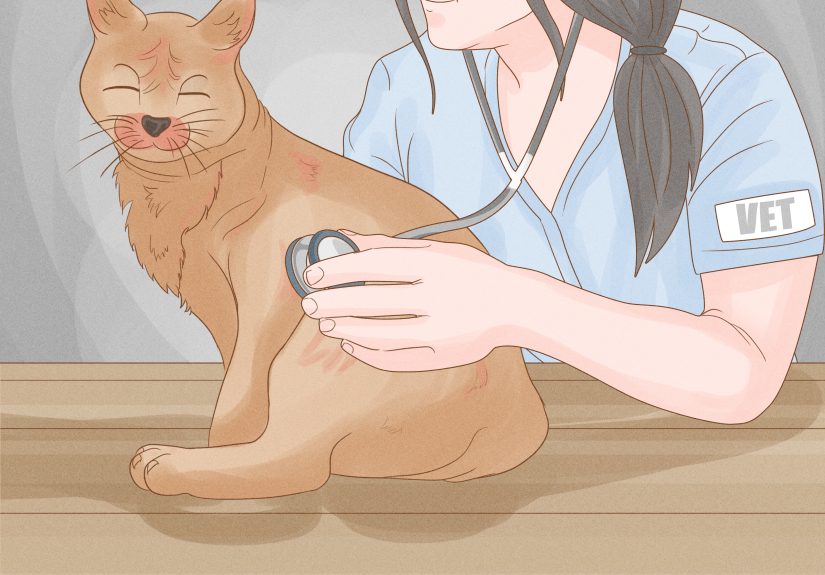
If your cat is urinating outside the litter box repeatedly, cleaning is only half the solution. Many cats do this due
to stress, territorial marking, litter box preferences, or medical problems. If accidents are new or frequent, a vet
check is a smart first move.
Quick prevention checklist
- Scoop daily and deep-clean boxes regularly with mild, unscented soap.
- Use enough litter boxes: a common guideline is one per cat, plus one extra.
- Place boxes in low-stress locations where your cat won’t feel trapped.
- Reduce stress triggers (new pets, outdoor cat sightings, household changes).
- Thoroughly clean accident zones so your cat isn’t drawn back by lingering scent.
Conclusion: The “Smell-Free House” Game Plan
To remove cat urine smell, you need a strategy that’s more “science” than “spray-and-pray”:
blot and extract as much urine as possible, rinse appropriately, use an enzymatic cleaner with enough saturation and
dwell time, and deodorize only after the urine is truly removed. For old stains, find every spot (UV light helps),
repeat enzyme treatment, and be willing to go deeper if padding or subfloors are contaminated.
And if the accidents keep happening, treat the causenot just the carpetby improving litter box setup, lowering stress,
and getting a vet evaluation when needed. Your nose (and any future houseguests) will thank you.
Real-World Experiences and Lessons Learned (What People Commonly Run Into)
Here are a few experiences pet owners and cleaners commonly describeshared here so you can skip the frustrating part
and go straight to the “my home smells normal again” ending.
1) The “It’s Gone… Wait, It’s Back” Mystery. A very common story: someone cleans the spot, the odor
seems gone for two days, and then a rainy afternoon hits and suddenly the room smells like a cat confession booth.
What’s happening? Usually, some urine remained deep in carpet padding or in a crack along the baseboard. Humidity
reactivates the odor, making it feel like the stain reappeared out of thin air. The fix is almost always the same:
find the full contaminated area (a UV light can be helpful), rehydrate and extract, then re-apply enzymatic cleaner
with enough saturation and time. If the padding is heavily affected, replacing just that section can be the turning
point between “manageable” and “why does my hallway hate me?”
2) The Vinegar Phase (A Classic). Many people try vinegar first because it’s cheap and feels
“natural.” Sometimes it helps a littleespecially on non-porous surfaces. But a common experience is that vinegar
reduces the smell briefly and then the odor returns. That’s usually because vinegar doesn’t fully break down the
stubborn compounds in dried cat urine the way enzyme cleaners are designed to do. The most successful “vinegar story”
is when it’s used gently for rinsing hard surfaces, followed by proper enzymatic treatment where appropriatewithout
mixing chemicals.
3) The Over-Scrub Problem. People understandably want to scrub the stain like they’re trying to erase
it from history. But vigorous scrubbing can drive urine deeper into carpet fibers and spread it outward. A lot of folks
report their “small stain” turned into a larger odor zone after scrubbing. The better experience is boring but
effective: blot, press, extract, repeat. It’s less satisfying in the moment, but it keeps the mess from expanding.
4) The “My Cat Keeps Going There” Loop. Another common experience: even after cleaning, the cat returns
to the same spot. Usually one of two things is going on. Either (a) the smell isn’t fully gone to your cat’s nose, or
(b) the spot has become the cat’s stress/territory location (near a window where outdoor cats appear is a frequent
pattern). People often get better results when they combine deep cleaning with a behavior reset: add or relocate a
litter box temporarily, block access to the area while it dries, and reduce stress triggers (like closing blinds at
night if outdoor cats are a factor).
5) The “Everything Smells Like Cleaner Now” Mistake. When panic sets in, some people try multiple
products in one afternoon. That often leads to chemical soup, lingering fragrance, and sometimes a worse smell overall.
The more successful experience is slower but safer: choose one primary method (usually enzyme-based), follow directions,
let it fully dry, reassess, and repeat if needed. Progress is usually faster when you avoid stacking products and focus
on complete drying between rounds.






 Close
Close