
Table of Contents >> Show >> Hide
- The short answer: Yesmushrooms can be great for diabetes
- Why mushrooms make sense for blood sugar management
- What the research says (and what it doesn’t)
- Which mushrooms are “best” for diabetes?
- How to eat mushrooms in a diabetes-friendly way
- Potential downsides and precautions
- FAQ: Quick answers to common questions
- Real-Life Experiences: What people notice when they add mushrooms (about )
- Conclusion
If you live with diabetes (or you’re trying to avoid an awkward “my blood sugar did what?” moment),
you’ve probably side-eyed your plate and wondered which foods are secretly plotting against you.
Good news: mushrooms are not on Team Chaos. In fact, they’re one of those rare foods that feel
indulgentsavory, meaty, satisfyingwhile staying pretty friendly to blood sugar goals.
But let’s keep it honest: mushrooms aren’t a cure, a detox, or a magical fungus that whispers sweet
nothings to your pancreas. What they can do is help you build meals that are lower in carbs,
higher in nutrients, and more fillingwithout feeling like you’re being punished by a salad.
The short answer: Yesmushrooms can be great for diabetes
For most people with diabetes, mushrooms are a smart choice because they’re naturally low in
carbohydrates and calories, and they bring fiber, minerals, and helpful plant-like compounds
(fungi are their own category, but you get the idea). They’re especially useful when they replace
higher-carb sides or heavily processed foods.
The only big “however” is this: there’s a difference between culinary mushrooms
(the kind you sauté for dinner) and mushroom supplements (powders, extracts, gummies,
“mushroom coffee,” and capsules). Supplements can be inconsistent in strength and quality, may interact
with medications, and shouldn’t be treated as diabetes treatment.
Why mushrooms make sense for blood sugar management
1) They’re low-carb, but they don’t feel “diet food”
Many mushroom varieties are very low in carbs, which means they generally won’t drive large blood sugar
spikes on their own. Even better: mushrooms add chew, umami flavor, and a “meaty” vibe that helps meals
feel satisfyingso you’re less likely to go hunting for snacks like a raccoon in a pantry.
Practical win: swapping a starchy side (like fries, chips, or a big mound of white rice) for a mushroom-heavy
veggie side can lower the overall carbohydrate load of the mealoften the biggest lever for post-meal
glucose control.
2) Fiber and mushroom polysaccharides may help slow the “carb rush”
Mushrooms contain fiber and unique polysaccharides (including beta-glucans in some varieties). Fiber can
slow digestion and help smooth out post-meal glucose swings, especially when mushrooms are part of a plate
that includes other non-starchy vegetables, protein, and healthy fats.
Think of fiber as the traffic controller for carbs: it doesn’t ban them from entering, it just prevents them
from all sprinting into your bloodstream at once.
3) They bring micronutrients that matter for metabolic health
People often talk about carbs and sugar, but diabetes management also depends on overall heart and metabolic
health. Mushrooms can contribute nutrients like B vitamins, selenium, potassium, and copper.
They’re also one of the few foods that can provide meaningful vitamin D when exposed to ultraviolet (UV) light
during growing or processing.
Why it matters: many people with diabetes are also working on blood pressure, cholesterol, and heart risk.
Building meals around nutrient-dense, lower-calorie foods like mushrooms supports that bigger picture.
4) Antioxidants: not a buzzword, but not a miracle either
Mushrooms contain antioxidants such as ergothioneine and glutathione. Antioxidants help protect cells from
oxidative stress, which is frequently discussed in the context of chronic conditions. The important nuance:
antioxidants in foods support overall health habitsbut they don’t “erase” diabetes or replace medication.
They’re a bonus, not a loophole.
What the research says (and what it doesn’t)
Culinary mushrooms: strong “food logic,” limited direct diabetes trials
There’s plenty of nutrition-based reasoning for mushrooms in a diabetes-friendly eating pattern:
low carbs, low calories, fiber, and nutrients. There are also studies looking at how adding mushrooms to
typical food patterns affects nutrient intake overallgenerally showing mushrooms can boost certain nutrients
without adding much saturated fat or sodium.
But if you’re hoping for a giant, definitive clinical trial where people eat portobellos and their A1C drops
like a mic at a rap battleno, we’re not there. Most direct “blood sugar” research tends to focus on specific
mushroom extracts or powders rather than the mushrooms you buy at the grocery store.
Medicinal mushrooms and extracts: promising signals, mixed results
Some reviews discuss bioactive compounds in mushrooms (like polysaccharides and terpenoids) that may influence
glucose metabolism in lab and animal studies, and in some small human trials. However, human evidence is not
consistent, and results can vary by mushroom species, dose, product quality, and study design.
A good example of “mixed” evidence: one well-designed randomized controlled trial of Ganoderma lucidum
(reishi/lingzhi) in people with type 2 diabetes and metabolic syndrome found no meaningful improvement
in A1C or fasting glucose over 16 weeks. Other trials (including newer ones) have reported improvements in glucose
measures, but these findings still need confirmation and careful interpretation.
Bottom line: mushrooms as food are a reliable, practical choice. Mushrooms as supplements are a “maybe,” and
definitely a “talk to your clinician” if you’re on glucose-lowering meds.
Which mushrooms are “best” for diabetes?
The best mushroom is the one you’ll actually eatconsistentlywithout drowning it in sugary sauce. Most edible
mushrooms fit well in diabetes-friendly meals, so focus on variety and preparation.
-
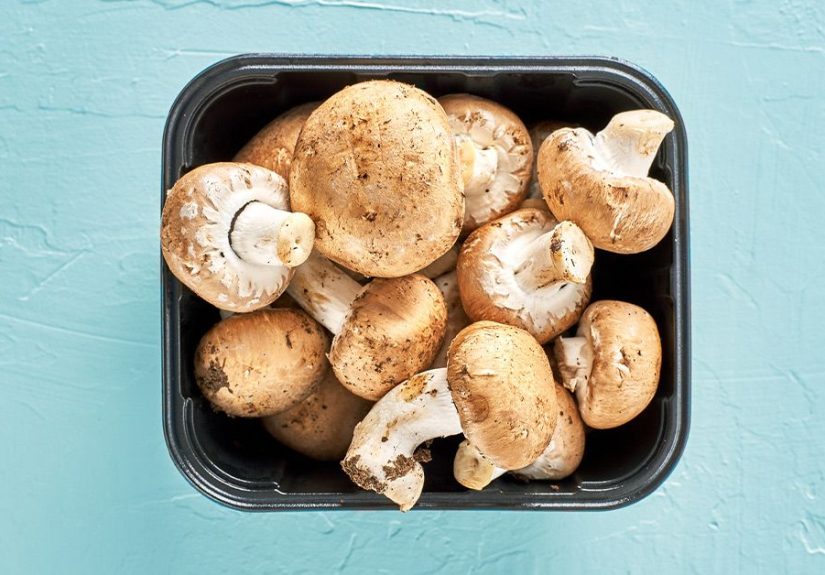
White button / cremini / portobello: easy, affordable, mild flavor; great roasted, sautéed,
or grilled; portobellos can stand in for a burger patty. -
Shiitake: big umami flavor; excellent in stir-fries and soups; pairs well with ginger, garlic,
sesame, and lean proteins. - Oyster mushrooms: tender texture; nice for quick sautés and tacos (yes, tacos can be diabetes-friendly).
-
Maitake (hen of the woods): rich flavor; often discussed in supplement research; as food,
it’s simply a delicious option. -
Lion’s mane: popular for “brain” marketing; as food, it has a seafood-like texture and works
well pan-seared.
If you’re experimenting with “functional” mushrooms (reishi, chaga, cordyceps) in teas or powders, treat them
like supplementsbecause functionally, that’s how they’re being used.
How to eat mushrooms in a diabetes-friendly way
Use the plate method (no calculator required)
One of the simplest diabetes-friendly frameworks is the plate method: fill about half your plate with non-starchy
vegetables, a quarter with protein, and a quarter with quality carbohydrates (like beans, whole grains, fruit, or
starchy vegetables). Mushrooms fit beautifully into the non-starchy side of the plate.
A typical serving of non-starchy vegetables is often described as about 1 cup raw or 1/2 cup cookeduse that as a
starting point, then adjust based on hunger, glucose response, and your clinician’s advice.
Cook them like a chef, not like a carnival
The health halo disappears fast if mushrooms are battered, deep-fried, and served with a sugary glaze the size of
a small swimming pool. Instead, aim for cooking methods that keep the carb load low and the flavor high:
- Sauté: olive oil or avocado oil, garlic, onions, herbs; finish with lemon.
- Roast: high heat + a little oil + salt/pepper = caramelized umami magic.
- Grill: portobellos with a simple marinade (think vinegar, herbs, mustard).
- Soup: mushroom-forward broths with lean protein and extra veggies.
Use mushrooms as a “swap” that lowers carbs or saturated fat
Mushrooms are a stealth upgrade when they replace part of something else:
- Blend burgers: mix chopped sautéed mushrooms into ground turkey or lean beef.
- Swap half the pasta: use mushrooms (and zucchini ribbons or roasted cauliflower) to bulk up the bowl.
- Replace croutons: top salads with roasted mushrooms for texture and flavor.
- Go bun-light: serve a burger in a lettuce wrap with sautéed mushrooms on top.
Easy meal ideas (that don’t taste like “sad wellness”)
- Breakfast: veggie omelet or tofu scramble with mushrooms, spinach, and peppers.
- Lunch: big salad + grilled chicken + roasted mushrooms + a vinaigrette (skip sugary bottled dressings).
- Dinner: stir-fry with shiitake, broccoli, and shrimp over a smaller portion of brown rice or quinoa.
- Snack: stuffed mushroom caps with herbed ricotta (or a dairy-free alternative) and chopped walnuts.
Potential downsides and precautions
Mushroom supplements can interact with medications
If you take insulin or other glucose-lowering medications, be cautious with medicinal mushroom extracts
(especially concentrated powders). Some may lower blood sugar, which can increase the risk of hypoglycemia
when combined with meds. Quality and dosing can also vary widely between brands.
Also: “natural” does not automatically mean “safe for everyone.” If you’re considering supplements, it’s worth a
quick conversation with your clinician or pharmacistespecially if you take blood thinners, blood pressure meds,
immunosuppressants, or diabetes drugs.
Chaga deserves an extra caution note
Chaga is often marketed as a wellness powerhouse, but case reports have linked excessive chaga powder intake to
oxalate-related kidney injury. That doesn’t mean “never,” but it does mean “not casually, not in mega-doses,
and not without medical guidance,” especially if you have kidney disease or a history of kidney stones.
Don’t forage wild mushrooms unless you’re truly trained
Grocery store mushrooms are cultivated and generally safe when properly cooked and handled. Wild mushrooms are a
different story. Mistaken identification can lead to serious poisoning, and accidental ingestions send people to
emergency departments every year. If you’re not an expert, skip the woodland scavenger hunt.
Allergies and digestion
Some people are sensitive or allergic to mushrooms. Others find mushrooms cause bloating if they eat a large amount
at once (especially in supplements). If mushrooms consistently upset your stomach, try a smaller portion, cook them
thoroughly, or choose a different vegetable.
FAQ: Quick answers to common questions
Are mushrooms good for type 1 diabetes too?
Generally, yesmushrooms can fit well into meals for type 1 diabetes because they’re low in carbs. The key is still
the total meal (sauces, breading, portion sizes) and matching insulin to carbs as directed by your care team.
Do mushrooms lower blood sugar?
As a food, mushrooms are unlikely to “lower” blood sugar in a dramatic way; they’re more likely to help by replacing
higher-carb items and making meals more filling. Some supplement forms have shown glucose effects in some studies,
but results are mixed and not reliable enough to treat diabetes.
How much should I eat?
A practical starting point is adding mushrooms as part of the non-starchy vegetable half of your plateoften around
1 cup raw or 1/2 cup cooked as a “serving.” Many people comfortably eat more than that when mushrooms are part of a
veggie-rich meal.
What about mushroom coffee?
“Mushroom coffee” products vary widely. Some contain added sugars, sweeteners, or multiple extracts. If you’re curious,
check the label, watch your glucose response, and talk with your clinician if you take glucose-lowering meds.
Real-Life Experiences: What people notice when they add mushrooms (about )
The most useful “experience-based” insight about mushrooms and diabetes is surprisingly unglamorous:
mushrooms help when they make healthy meals easier to stick with. Below are a few common, realistic patterns
people describe when mushrooms become a regular part of the menu. (These are general examples, not guarantees
diabetes is personal, and your glucose response can vary.)
Experience #1: The breakfast upgrade that doesn’t feel like a downgrade
A lot of people start with breakfast because it’s the easiest place to swap in mushrooms without rewriting their
entire life story. Instead of toast-heavy meals, they add sautéed mushrooms to eggs (or tofu) with spinach and
peppers. The “experience” here isn’t that mushrooms magically fix morning glucoseit’s that the meal feels bigger
and more satisfying with fewer refined carbs. People using continuous glucose monitors (CGMs) often say they like
the steadier post-breakfast curve when the plate is mostly protein + veggies, with carbs chosen intentionally.
Experience #2: The “I can still have burgers” moment
One of the most popular real-world tricks is blending chopped mushrooms into burger patties, meatballs, or taco meat.
People often report two wins: (1) the portion feels generous because mushrooms add volume and texture, and
(2) it’s easier to keep the rest of the meal balanced (salad, roasted veggies, or a smaller carb side).
The best part is psychological: it doesn’t feel like dieting. It feels like hacking flavor.
Experience #3: The pasta bowl that doesn’t spike quite as hard
Pasta is a frequent “love it / fear it” food for diabetes. A common compromise is to keep pasta, but bulk up the bowl
with mushrooms and other non-starchy vegetables. People often describe this as the “I’m not giving up pasta, I’m just
making it less of a solo act” approach. In practice, that might mean half the usual pasta portion, plus sautéed mushrooms,
zucchini, and a protein like chicken or shrimp. Many find it easier to stop at a comfortable portion because the dish is
more filling. Some also notice that when pasta is paired with fiber and protein, the post-meal rise can be less dramatic.
Experience #4: The supplement detour (and the return to real food)
It’s also common for people to get curious about medicinal mushroom powdersreishi, chaga, cordycepsbecause the internet
markets them like side quests that unlock secret health powers. The experience people describe here is mixed: some feel
nothing, some get stomach upset, and some worry about interactions with medications. A recurring theme is that many people
eventually come back to basics: whole mushrooms in meals, consistent routines, and checking glucose response rather than
trusting hype. If someone still wants to try supplements, the “experienced” approach is to involve a clinician, choose
reputable brands, and avoid mega-dosing.
Takeaway from these experiences: mushrooms tend to help most when they support habits you can repeatmore vegetables,
balanced plates, satisfying meals, and fewer “oops, I’m hungry again” moments two hours later.
Conclusion
So, are mushrooms good for diabetes? For most people: yes. They’re a low-carb, nutrient-dense, satisfying
addition to meals, and they’re especially useful as a swap that helps keep plates balanced. Focus on mushrooms as food
(sautéed, roasted, grilled, added to veggie-forward meals) and be cautious with concentrated mushroom supplementsespecially
if you take diabetes medications or have kidney or liver concerns.
If you want the most practical next step, make mushrooms part of your “non-starchy vegetable” routine a few times a week,
then watch how you feeland how your blood glucose respondswithin the plan your clinician recommends.







 Close
Close