
Table of Contents >> Show >> Hide
- Why Buy a Home Weather Station in 2025?
- How to Choose the Best Home Weather Station
- Best Home Weather Stations 2025: Top Picks
- 1. WeatherFlow Tempest Weather System – Best Overall for Most People
- 2. Ambient Weather WS-2902C – Best Value All-Purpose Weather Station
- 3. Ambient Weather WS-5000 – Best Customizable Smart Weather Station
- 4. Davis Vantage Vue & Vantage Pro2 – Best for Serious Weather Enthusiasts
- 5. AcuRite Iris / Atlas – Best for Reliable Performance on a Budget
- 6. Netatmo Smart Weather Station – Best for Smart Home & Apartment Living
- 7. La Crosse and Other Budget Stations – Best for Casual Weather Watching
- Key Features to Look For in 2025
- Conclusion: Which Home Weather Station Is Best for You?
- Real-World Experiences with Home Weather Stations (Extra Insights)
If you’ve ever looked at a weather app, glanced outside, and thought, “Hmm, that’s not what it looks like out there,” you’re exactly the kind of person who needs a home weather station. In 2025, these gadgets are smarter, more accurate, and more connected than ever. From solar-powered, no-moving-parts marvels to old-school, pro-grade workhorses, there’s a personal weather station for every backyard, balcony, and budding meteorologist.
This guide walks you through what matters in a home weather station right now, then breaks down the best models for different types of userscasual weather watchers, gardeners, storm chasers, and full-blown weather geeks. We’ll talk accuracy, durability, connectivity, and ease of use, plus share some hard-earned real-world tips at the end.
Why Buy a Home Weather Station in 2025?
Weather apps are greatuntil they aren’t. Most apps rely on data from airports or distant official stations, which can be miles from your home and sitting in a wide-open field that looks nothing like your tree-lined cul-de-sac. A home weather station lets you measure what’s actually happening where you live: the wind ripping through your backyard, the rain hitting your roof, and the temperature on your shaded patio versus your sun-blasted driveway.
Modern weather stations also do much more than just temperature and humidity. Many models now:
- Track wind speed and direction, rainfall, barometric pressure, and UV or solar radiation.
- Connect to Wi-Fi so you can check live data from your phone, tablet, or browser.
- Integrate with smart home platforms to trigger lights, sprinklers, or alerts when certain conditions are met.
- Upload to online networks and even community science projects, contributing to hyper-local climate data.
Independent tests and buying guides from U.S. outlets like Popular Mechanics, The Spruce, TechHive, Field & Stream, TechGearLab, The Weather Station Experts, and specialized weather retailers all agree on one thing: accuracy and durability matter more than flashy features. The best home weather stations balance precise sensors with solid construction and reliable connectivity so they keep working year after year, not just through one stormy season.
How to Choose the Best Home Weather Station
Before you pick a model, think about how serious you are about weatherand how much tinkering you actually enjoy.
1. Accuracy and Sensor Quality
Accuracy is the whole point of buying a home weather station. Look for stations from established brands that have been independently tested and reviewed, not just generic devices with a long feature list and suspiciously glowing marketing copy.
- High-end systems from Davis Instruments (like the Vantage Pro2 and Vantage Vue) are known for professional-grade accuracy and durability, often used by farmers and serious enthusiasts. They cost more but can run for many years when maintained properly.
- Enthusiast-level systems from Ambient Weather (WS-2902, WS-5000) and WeatherFlow (Tempest) deliver excellent accuracy for most home users with less complexity and easier setup.
Pay attention to how the station measures rainfall and wind. Traditional tipping-bucket rain gauges and cup anemometers are proven, while newer ultrasonic or haptic sensors reduce maintenance but may need software calibration or can struggle with certain types of rain or wind.
2. Connectivity and Smart Features
Most of the best home weather stations in 2025 offer Wi-Fi connectivity and a companion app. Some go further with smart home integration.
- Look for Wi-Fi support so you can upload data to the cloud and check conditions from anywhere.
- If you’re into home automation, check support for Alexa, Google Assistant, IFTTT, or HomeKit (Netatmo and some Ambient Weather and Tempest setups shine here).
- Check if the station can upload to popular weather networks (like Weather Underground or the manufacturer’s network) if you want to share or compare data.
3. Power and Installation
Outdoor sensors are usually powered by batteries, solar panels, or a hybrid of both.
- Solar + battery backup is ideal for set-and-forget operation.
- Make sure mounting options fit your space: some stations clamp to a 1-inch pole, others require a mast or bracket.
- Good siting is critical: wind sensors should be above roofline if possible, while temperature sensors should be shaded and well-ventilated for accurate readings.
4. Ease of Use and Display
Some stations are app-only; others include large color consoles. Large, high-contrast displays are easier to read from across the room. If you’re buying for an older family member or someone who doesn’t want to pull out their phone every time, a good console is worth paying for.
5. Budget and Use Case
As a rough guide:
- Under $200: Good for casual users and indoor/outdoor basics.
- $200–$400: Sweet spot for most homeownersfull sensor suites plus Wi-Fi and good apps.
- $400+: Best for serious hobbyists, small farms, schools, and research-minded users.
Best Home Weather Stations 2025: Top Picks
Based on recent expert reviews, user feedback, and long-term performance reports from reputable U.S. sources, here are the standout models to consider in 2025.
1. WeatherFlow Tempest Weather System – Best Overall for Most People
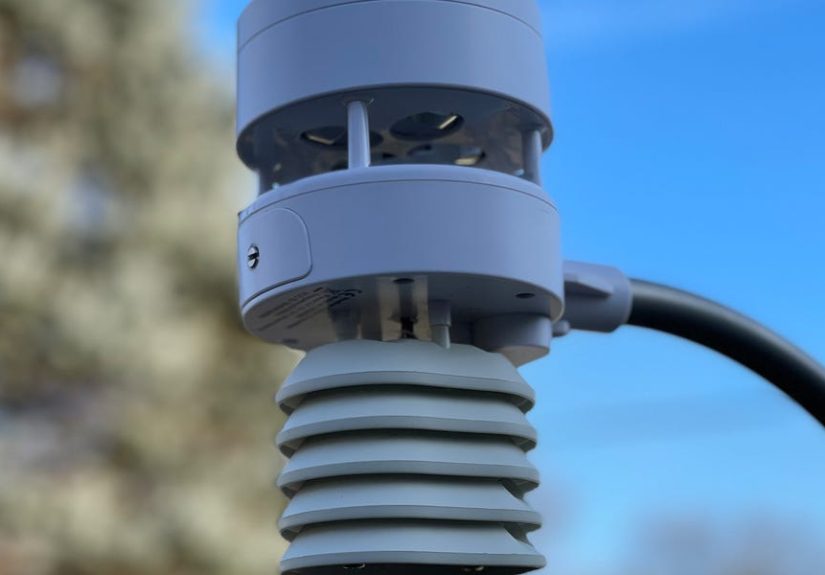
The WeatherFlow Tempest is often highlighted as one of the best all-around home weather stations thanks to its sleek, all-in-one design and solar-powered, solid-state sensors. There are no moving parts, which means almost no mechanical maintenance. It measures temperature, humidity, pressure, wind, and rainfall, and uses machine learning in the cloud to improve its forecasts over time.
The Tempest sends data directly to your Wi-Fi and app, and integrates with various smart home platforms. Independent testing and user reviews praise its convenience and rapid setupmany people mount it, connect the app, and are collecting usable data in minutes. Some users note that the haptic rain sensor can be less precise during very light drizzle or certain wind conditions, but software calibration and ongoing algorithm updates have significantly improved accuracy.
Best for: Homeowners who want a modern, app-centric, low-maintenance station with strong smart-home integration and good overall accuracy.
2. Ambient Weather WS-2902C – Best Value All-Purpose Weather Station
The Ambient Weather WS-2902C consistently appears on “best of” lists because it delivers a full sensor suite and solid performance at a mid-range price. You get measurements for wind speed and direction, temperature, humidity, rainfall, barometric pressure, UV index, and solar radiation, plus calculated values like dew point, wind chill, and heat index.
The color console is bright and detailed, and the station uploads data via Wi-Fi to AmbientWeather.net and popular weather networks. Independent lab tests and field reviews note that the WS-2902C offers excellent accuracy for the price, especially when properly sited on an unobstructed mast.
Best for: People who want a feature-rich, accurate station without spending pro-level money.
3. Ambient Weather WS-5000 – Best Customizable Smart Weather Station
The WS-5000 is Ambient Weather’s higher-end system aimed at enthusiasts who want flexibility and expansion. Instead of spinning cups, it uses an ultrasonic wind sensor for quieter, low-maintenance measurements. The system supports additional sensors for soil moisture, air quality, and more, allowing you to build a mini weather research lab in your backyard.
Reviewers regularly praise its crisp, full-color console and robust integration with smart home platforms. It’s more complexand more expensivethan the WS-2902C, but if you love data and customization, the WS-5000 is a strong contender.
Best for: Weather geeks, gardeners, and smart home tinkerers who want modular expansion and premium features.
4. Davis Vantage Vue & Vantage Pro2 – Best for Serious Weather Enthusiasts
Davis Instruments is the brand everyone mentions when talking about long-term reliability. The Vantage Vue is a compact, all-in-one station that delivers excellent accuracy; the Vantage Pro2 is a more advanced, configurable system widely used by schools, farms, and research projects.
Real-world case studies show Davis stations surviving brutal conditions for many years with only routine maintenance. Users and reviewers often highlight how Davis hardware stays accurate over time and how the optional WeatherLink Live or WeatherLink Console makes data access more modern and convenient. The trade-offs: higher upfront cost and a more “classic” look and setup experience compared to slick, app-only systems.
Best for: Power users, small farms, schools, and anyone who prioritizes accuracy and durability over cosmetic polish.
5. AcuRite Iris / Atlas – Best for Reliable Performance on a Budget
AcuRite has a long history of making accessible home weather products. The AcuRite Iris (5-in-1) and Atlas systems usually cost less than high-end stations but still provide reliable data for most households. These models measure temperature, humidity, wind, rain, and pressure, with some versions adding lightning detection and UV monitoring.
Recent expert roundups often cite the Iris and Atlas as excellent “step-up” options from basic indoor/outdoor thermometers. They may not be as rugged as a Davis or as futuristic as a Tempest, but they hit a sweet spot for families who want real weather data without high prices.
Best for: Budget-conscious users who want more than just a basic thermometer but don’t need pro-grade hardware.
6. Netatmo Smart Weather Station – Best for Smart Home & Apartment Living
The Netatmo Smart Weather Station focuses on sleek design and integration with smart home ecosystems. It’s popular among apartment dwellers and smart-home enthusiasts who want indoor and outdoor modules that look good on a shelf and play nicely with platforms like Apple HomeKit and voice assistants.
Netatmo emphasizes air quality and comfort metrics indoors, along with outdoor temperature, humidity, and pressure. Optional add-ons can extend it with wind and rain sensors. It’s not aimed at hardcore weather hobbyists, but if you care about design, automation, and indoor comfort as much as the forecast, Netatmo is a compelling choice.
Best for: Smart home users and renters who want stylish, modular weather and air-quality monitoring.
7. La Crosse and Other Budget Stations – Best for Casual Weather Watching
For people who just want a nicer-than-average indoor/outdoor setup, brands like La Crosse Technology and entry-level AcuRite models still deserve a mention. They often lack full sensor suites and advanced connectivity, but they’re easy to set up, affordable, and perfectly adequate if you simply want to know whether to grab a jacket or an umbrella.
Best for: Casual users, gifts, and anyone who wants to dip a toe into home weather monitoring without a big investment.
Key Features to Look For in 2025
Accuracy vs. Convenience
High-end systems like Davis often edge out the competition on raw accuracy and longevity, while systems like Tempest win on convenience and low maintenance. Decide which matters more for your use case.
Smart Home Integration
If you love automation, prioritize stations with robust APIs and integrations. Imagine your sprinklers pausing when rain starts, or your dehumidifier kicking on when outdoor humidity spikes.
Expandability
Some systemsespecially Ambient’s WS-5000 and many Davis setupslet you add sensors for soil moisture, leaf wetness, extra temperature probes, and more. Gardeners, small growers, and hobby farmers can build a tailored monitoring system over time.
Support and Community
Brands with active user communities, good documentation, and long-term support make life easier. A strong community means more help with siting, troubleshooting, and getting the most from your station.
Conclusion: Which Home Weather Station Is Best for You?
There’s no single “best” home weather station for everyone in 2025but there is a best station for you:
- Choose the WeatherFlow Tempest if you want sleek, solar-powered simplicity and strong smart-home features.
- Pick the Ambient Weather WS-2902C if you want maximum value and a full set of sensors.
- Go for the Ambient WS-5000 or Davis Vantage Pro2/Vue if you’re serious about data and long-term reliability.
- Stick with AcuRite, Netatmo, or budget La Crosse models if your needs are simple and your budget modest.
Whichever route you choose, the right personal weather station turns vague forecasts into concrete, local data. You’ll water the lawn smarter, prep for storms better, and absolutely win every “it wasn’t that windy” argument in the neighborhood group chat.
Real-World Experiences with Home Weather Stations (Extra Insights)
Reading specs is one thing; living with a weather station is another. Here are some experience-based lessons that don’t always show up in the marketing blurbs but matter a lot once the station is bolted to your roof.
1. Siting Makes or Breaks Your Data
Many disappointed reviews boil down to poor installation. If your anemometer is halfway down a fence line behind a row of tall trees, of course the wind readings will look low. If your temperature sensor is baking over a dark roof or concrete patio in direct sun, it will run hot.
In practice, the best compromise for many homeowners is:
- Mount the station higher than nearby fences and sheds to reduce wind blockage.
- Keep some distance from roofs and walls to avoid heat reflection.
- Use a sturdy mast or pole; wobble equals noisy data.
Even a great station will look “inaccurate” if it’s installed badly. Spending an extra hour planning your mounting location is often worth more than spending an extra $100 on a fancier model.
2. Maintenance Is Realbut Manageable
“No maintenance” is a myth. Even stations with no moving parts need occasional care. Dust, pollen, spiderwebs, and bird “contributions” will eventually find their way onto sensors.
Most long-time owners settle into a rhythm:
- Give the station a visual check monthlyare there cobwebs, leaves, or bird nests nearby?
- Clean rain gauge funnels or haptic sensor surfaces every few months, especially after pollen season.
- Check mounts and brackets before and after big storms to ensure nothing loosened up.
For solar-powered systems, make sure panels stay reasonably clean. For battery-based systems, keep a set of fresh batteries on hand and make a note of when you last changed them.
3. Calibration and Expectations
It’s normal for your station to disagree slightly with a nearby airport or a neighbor’s station. Microclimates are real, and even two high-quality stations a few blocks apart can see different wind patterns and rainfall totals.
Rather than chasing exact agreement, focus on consistency and trend. Does your station respond quickly to changing conditions? Does it track rising and falling pressure, increasing winds, or incoming storms in a way that makes sense for your location?
Some systems, especially smart ones like Tempest, improve after a few weeks as software calibration kicks in. If your rainfall looks odd at first, give the system time and make sure your mounting is solid before assuming the hardware is at fault.
4. How People Actually Use Their Data
Owners often start out checking their console every hour, then settle into more practical routines:
- Gardeners look at rainfall and soil moisture (where supported) to decide when to irrigate.
- Outdoor enthusiasts check wind and temperature before runs, rides, or hikes.
- Parents and pet owners watch heat index and UV levels to time outdoor play or dog walks.
- Storm fans keep an eye on barometric pressure drops and wind gusts, sometimes sharing screenshots with friends during big events.
Many users also find unexpected usesfor example, checking past wind data after a fence blew down, or verifying rainfall amounts for insurance claims after a heavy storm.
5. The “Weather Geek” Effect
One side effect you should absolutely expect: you will become the unofficial weather person for your social circle. Friends will text you, “Is it really going to rain?” or “How bad is the wind at your place?” You’ll be the one posting graphs before and after a storm, and you might find yourself teaching neighbors the difference between relative humidity and dew point.
For many owners, that’s part of the fun. A personal weather station doesn’t just provide data; it turns everyday weather into something you can observe, understand, and share. If you love that idea, you’re exactly the person these stations are built for.







 Close
Close