
Table of Contents >> Show >> Hide
- What exactly is blue cheese?
- Types of blue cheese: from creamy to “did someone open a cave in here?”
- Nutrition snapshot: what you get in a 1-ounce crumble
- Potential benefits (and what the evidence can and can’t say)
- Risks and downsides
- Who should limit or avoid blue cheese?
- How to buy blue cheese like you know what you’re doing
- Storage and food safety at home
- How to eat blue cheese (without overpowering your entire life)
- Real-life blue cheese experiences (to make this guide extra useful)
- The first-bite strategy (a.k.a. don’t start with the boss level)
- The “one crumble rule” that converts skeptics
- Blue cheese on wings: why it hits different
- The salad-bar phenomenon (and how to avoid overdoing it)
- How people accidentally fall in love with blue cheese
- The “mini tasting board” experience that teaches your palate fast
- Conclusion
Blue cheese is proof that the food world has a sense of humor. Someone looked at milk, said “Let’s add a mold culture,”
poked holes in it on purpose, and the result became a beloved topping for salads, burgers, steaks, wings, and late-night
fridge raids. Love it or “absolutely not,” blue cheese is a real, regulated, nutrient-dense food with some legit perks
plus a few “know-before-you-crumb” cautions.
This guide breaks down the major types of blue cheese, what’s actually in it nutritionally, potential
benefits, possible risks, and how to shop, store, and enjoy it without turning your entire meal into a flavor grenade.
(Blue cheese is powerful. Respect the crumble.)
What exactly is blue cheese?
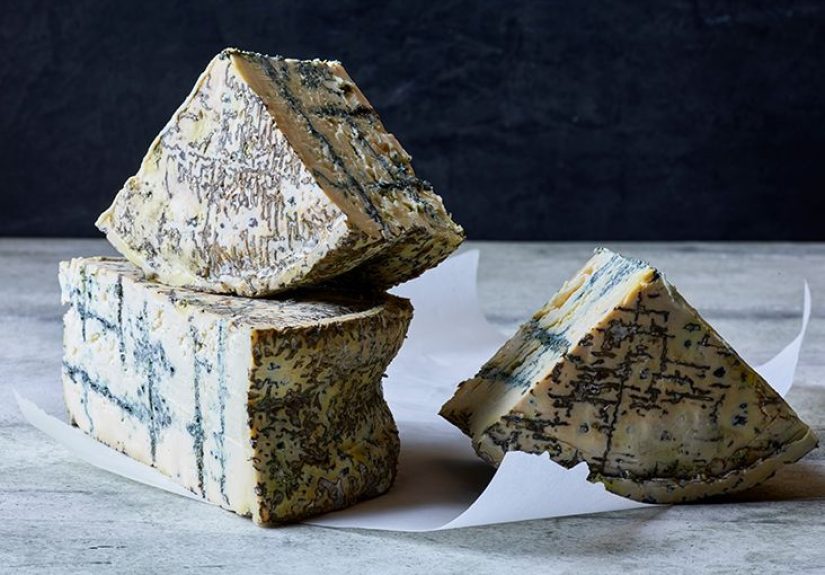
“Blue cheese” (or “bleu cheese”) is a category of cheeses made with special edible mold cultures that create blue-green
veins or pockets. Those veins aren’t a sign your cheese went roguethey’re the point.
The mold that makes it “blue”
Most blue cheeses use a mold called Penicillium roqueforti (and sometimes closely related species). During aging,
the mold produces compounds that create blue cheese’s signature aroma and sharp, savory bite. Think: peppery, tangy,
salty, sometimes a little sweetlike a cheese that studied abroad and came back with opinions.
How blue cheese is made (in plain English)
- Milk becomes curds: Milk (cow, sheep, or goat) is cultured and set into curds.
- Mold culture is introduced: The blue-cheese mold is added so it can develop later.
- Wheels are formed and salted: Salting helps flavor and preservation.
- Air is invited to the party: Cheesemakers often pierce the cheese so oxygen can travel inside. The mold needs oxygen to grow, which is how the famous blue veining forms.
- Aging does the magic: Weeks to months of controlled aging develop texture (creamy to crumbly) and flavor (mild to “whoa”).
Types of blue cheese: from creamy to “did someone open a cave in here?”
Blue cheese comes in a wide range of intensities. Some are buttery and mellow; others are boldly funky with a salty kick.
If you’ve only had blue cheese dressing from a bottle, you’ve met blue cheese… but you haven’t met blue cheese.
The classic styles you’ll see everywhere
| Type | Milk | Texture | Flavor vibe | Best uses |
|---|---|---|---|---|
| Gorgonzola (Italy) | Usually cow | From creamy to crumbly | Buttery, tangy; can be mild (“dolce”) or stronger | Pasta, pizza, pears, risotto |
| Stilton (England) | Cow | Crumbly yet creamy | Rich, nutty, balanced funk | Cheese boards, port pairing, soups |
| Roquefort (France) | Sheep | Moist, crumbly | Salty, sharp, assertive | Salads, steak butter, sauces |
| Cabrales (Spain) | Often mixed milks | Soft to semi-firm | Bold, rustic, spicy-tangy | Crumbled on roasted veggies or meat |
| Danish Blue (Danablu) | Cow | Creamy, sliceable | Salty, smoother, approachable | Dressing, burgers, melts |
Notable American blue cheeses worth knowing
- Rogue River Blue (Oregon): A celebrated seasonal blue, aged and traditionally wrapped in grape leaves soaked in pear spirits. Complex, rich, and often a “special occasion” cheese.
- Maytag Blue (Iowa): One of the most recognizable American bluesfirm, crumbly, and cleanly tangy.
- Point Reyes blues (California): Their lineup includes bold, creamy blues (some made with raw milk, some pasteurizedlabels matter).
- Clemson Blue Cheese (South Carolina): A classic regional favorite with devoted fans and a long history.
A quick “choose your blue” cheat sheet
- New to blue cheese? Start with Danish Blue or a milder Gorgonzola (often labeled “dolce”).
- Want creamy and spreadable? Look for softer, higher-moisture blues or “blue brie” styles.
- Want bold and crumbly? Stilton-style blues and firmer American blues are your people.
- Want salty and intense? Roquefort-style sheep’s milk blues tend to bring extra punch.
Nutrition snapshot: what you get in a 1-ounce crumble
Blue cheese is nutrient-dense, meaning you get a decent amount of nutrition in a small serving. That’s the good news.
The other news is that it’s also dense in sodium and saturated fatso it’s best treated like a flavor “accent,” not a
main food group.
Macros and key nutrients
A typical 1-ounce (28g) serving of blue cheese has about 100 calories, roughly
6g protein, and around 8g fat. It also provides minerals like calcium
(around 150 mg per ounce) and phosphorus, which are important for bones and teeth.
Where the sodium and saturated fat sneak in
The same 1-ounce portion can contain roughly 300+ mg sodium and about 5g saturated fat.
Translation: blue cheese can fit in a balanced diet, but portions matterespecially if you’re watching blood pressure,
cholesterol, or overall saturated fat intake.
Potential benefits (and what the evidence can and can’t say)
Blue cheese isn’t a miracle food, but it can contribute useful nutrients and make healthy meals more satisfyingoften the
most underrated “benefit” of all.
1) Protein that helps meals feel more filling
Protein supports muscle maintenance and tends to increase satiety (that satisfied “I’m good” feeling). Blue cheese won’t
compete with chicken breast, but it can add protein to salads, grain bowls, and veggie platesespecially when paired with
other protein foods (beans, eggs, chicken, tofu, salmon).
2) Calcium and phosphorus for bone support
Dairy foods are common dietary sources of calcium, and blue cheese contributes a meaningful amount in a small serving.
Pairing calcium-rich foods with strength-building activity is a practical one-two punch for long-term bone health.
3) Fermentation perks (with realistic expectations)
Blue cheese is a fermented food, and fermentation can create interesting compounds that influence flavor and texture.
Some fermented dairy foods (like yogurt with live cultures) have clearer evidence for probiotic benefits, but not every
aged cheese functions like a probiotic supplement. Still, fermented foods can be part of a varied, gut-friendly pattern
of eatingespecially alongside fiber-rich plants.
4) Big flavor = easier portion control
A little blue cheese goes a long way. Strong flavor can help you feel satisfied with lesslike using a teaspoon of Dijon
mustard instead of drowning your sandwich in mayo. A tablespoon of crumbles can make a salad feel restaurant-level.
Risks and downsides
Blue cheese is generally safe for healthy people when stored properly. The main concerns are food safety
for higher-risk groups, and high sodium/saturated fat if portions creep up.
Food safety and Listeria: who should be extra careful
Certain people are at higher risk for serious illness from Listeria, including pregnant people, adults
over 65, and people with weakened immune systems. The key detail with blue cheese is pasteurization.
Many blue cheeses in U.S. grocery stores are made with pasteurized milk, but some artisan blues are made with raw milk.
For higher-risk groups, choosing pasteurized-milk cheese is the safer move.
Sodium and saturated fat: heart health reality check
Sodium and saturated fat add up quickly with cheese. If you’re managing high blood pressure, heart disease risk, or high
cholesterol, you don’t necessarily have to ban blue cheese foreveryou just want to be intentional:
measure the portion, balance the rest of the day, and lean on flavor boosters like herbs, citrus, vinegar, and toasted nuts.
Histamine, tyramine, and medication interactions
Aged cheeses can be higher in tyramine, which matters for people taking certain antidepressants called
MAOIs (monoamine oxidase inhibitors). If you’re on an MAOI, your clinician will likely recommend avoiding
high-tyramine foodsoften including blue cheeses.
Also, aged and fermented foods can be higher in histamine. Some people who are sensitive may notice
headaches, flushing, or digestive discomfort with aged cheeses. This isn’t everyone’s experience, but it can be a helpful
pattern to notice if you’re troubleshooting symptoms with a clinician.
Allergies and mold sensitivity
Blue cheese contains dairy proteins, so it’s not appropriate for people with a true milk allergy. People with mold
sensitivities may also prefer to avoid it. (If you’re not sure whether you have an allergy vs. intolerance, it’s worth
discussing with a healthcare professionalguessing games are overrated.)
Who should limit or avoid blue cheese?
- Pregnant people: Choose blue cheese made with pasteurized milk; avoid unpasteurized options.
- Older adults (65+) and immunocompromised people: Same guidancepasteurized is the safer pick.
- People on MAOI medications: Aged cheeses (including blue cheeses) may be restricted due to tyramine.
- People with high blood pressure or sodium limits: Keep portions small and watch the rest of the day’s sodium.
- Dairy allergy: Avoid entirely.
How to buy blue cheese like you know what you’re doing
1) Read the label (especially for pasteurization)
If pasteurization status matters for you, don’t rely on “it looks fancy, so it must be safe.” Check the label for
pasteurized vs. raw/unpasteurized. If you’re buying from a cheese counter, ask.
Cheesemongers love questionsthis is their Super Bowl.
2) Decide: wedge vs. crumbles
- Wedge: Better flavor and texture; great for cheese boards and cooking.
- Crumbles: Convenient and portion-friendly; great for salads and wings.
3) Use your eyes (but don’t panic at blue veins)
Healthy blue cheese should look consistent for its type: creamy whites with blue-green veining, maybe a rind depending on
style. Avoid cheese that looks slimy, has odd colors (pink/orange/black fuzz), or smells sharply like ammonia in a way
that seems “new” and unpleasant.
Storage and food safety at home
How to wrap it
Wrap blue cheese so it can breathe a little but doesn’t dry out: parchment or wax paper, then a loose layer of foil, then
into a container or zip-top bag. This helps prevent the cheese from drying out while keeping its aroma from moving into
your butter (and then into your toast, and then into your whole personality).
How long it lasts
In a typical refrigerator, many blue cheeses keep their best quality for a few weeks after opening. Pre-crumbled products
often have “use by” guidancefollow it. When in doubt, prioritize safety.
How to tell when it’s gone off (yes, even though it has mold)
- Texture change: slimy, excessively wet, or gummy when it wasn’t before
- Smell change: harsh ammonia or “chemical” odor beyond its usual funk
- Unexpected colors: fuzzy black, bright pink, or orange growth that isn’t typical for that cheese
- Flavor: if it tastes sharply “wrong,” don’t keep testing your luck
How to eat blue cheese (without overpowering your entire life)
Classic pairings that actually work
- Sweet + salty: pears, apples, figs, dates, honey, or a swipe of fruit jam
- Crunch: walnuts, pecans, pistachios, toasted pepitas
- Acid: balsamic, lemon, pickled onions, vinaigrette
- Heat: buffalo wings, roasted broccoli, grilled steak
Simple ways to use a little for big payoff
- Upgrade a salad: a tablespoon of crumbles + vinaigrette + crunchy nuts = restaurant energy.
- Make a quick sauce: melt a small amount into warm yogurt or a light cream base with black pepper and lemon.
- Stuff a burger: mix crumbles into a lean ground-meat or plant-based patty for a tangy punch.
- Roast veg glow-up: finish roasted cauliflower or Brussels sprouts with a small crumble + lemon.
Real-life blue cheese experiences (to make this guide extra useful)
Facts are great, but blue cheese is one of those foods that people experienceoften dramatically. Below are real-world
moments and practical “been there” strategies that help blue cheese make sense in everyday life.
The first-bite strategy (a.k.a. don’t start with the boss level)
Many people “hate” blue cheese because their first try was the strongest version, eaten alone, with no supporting cast.
That’s like meeting a comedian only during their darkest crowd-work set and deciding you’re done with humor forever.
For a smoother entry, start with a milder blue (like Danish Blue or a gentle Gorgonzola) and eat it with
something: a slice of apple, a cracker, a drizzle of honey, or even a bite of warm bread. Sweetness and crunch soften the
sharp edges. Once your palate understands the tangy-salty idea, stronger blues become less shocking and more interesting.
The “one crumble rule” that converts skeptics
If you’re serving guests, try this: offer blue cheese as an optional finishing crumble rather than a main ingredient.
Put a small bowl on the side with a spoon. People who love it can pile it on. People who fear it can test-drive one crumble
at a time. This tiny choice removes pressureand pressure is the #1 enemy of adventurous eating.
Blue cheese on wings: why it hits different
Blue cheese and buffalo wings are a classic pairing for a reason: the cool creaminess balances heat and acidity.
But here’s the trick many people miss: the best dipping experience usually comes from chunky blue cheese dressing
(or a simple yogurt-based dip with real crumbles) instead of a thin, overly sweet bottled dressing.
When you get actual bits of cheese, the flavor is more complex and less “mystery tang.”
The salad-bar phenomenon (and how to avoid overdoing it)
Salad bars are where portion sizes go to do cardio and still somehow gain weight. Blue cheese crumbles are delicious,
but they’re easy to pile on like snow. A practical approach: start with one tablespoon, toss the salad,
taste, and only then add more. You’ll often find the first spoonful is enough because blue cheese distributes flavor
quicklyespecially when it clings to greens with vinaigrette.
How people accidentally fall in love with blue cheese
The most common “conversion stories” sound like this:
- Someone tried a burger with a small amount of blue cheese and realized it tasted like savory magic, not “mold.”
- Someone paired blue cheese with pears or honey and discovered the sweet-salty combo was the missing piece.
- Someone tasted a high-quality wedge instead of pre-crumbled cheese and noticed it was richer and smoother.
Translation: context matters. Blue cheese is rarely meant to be eaten like a big bite of cheddar. It’s more like a spice:
powerful, intentional, and best when it’s playing with other flavors.
The “mini tasting board” experience that teaches your palate fast
If you want to understand blue cheese in one evening, do a small tasting at home. Pick two blues:
one mild and one bold. Add a sweet fruit (pear or grapes), something crunchy (nuts), something starchy (crackers or baguette),
and something acidic (pickles or a quick vinaigrette). Take small bites and notice how the same cheese changes depending on
what it’s paired with. This is the easiest way to figure out what you like without committing to a whole wedge you might
side-eye for three weeks.
Conclusion
Blue cheese is a flavor-forward, fermented cheese style with a wide range of varietiesfrom creamy and mild to crumbly and
intensely savory. Nutritionally, it offers protein and minerals like calcium in a small serving, but it also tends to be
high in sodium and saturated fat, so portions matter. The biggest “risk” topic is food safety for higher-risk groups:
choose pasteurized-milk blue cheese if you need extra protection. For everyone else, smart storage, reasonable servings,
and good pairings can make blue cheese one of the most satisfying “little luxuries” in the fridge.






 Close
Close