
Table of Contents >> Show >> Hide
- The Short Answer: Yes, but Usually for Specific Reasons
- When Pumpkin Seeds Can Actually Make You Sick
- What Symptoms Might Happen?
- Are Raw Pumpkin Seeds Safe to Eat?
- Who Should Be More Careful?
- How Much Is Too Much?
- How to Eat Pumpkin Seeds Without Regret
- When Should You Call a Doctor?
- Final Verdict
- Real-World Experiences People Often Report After Eating Pumpkin Seeds
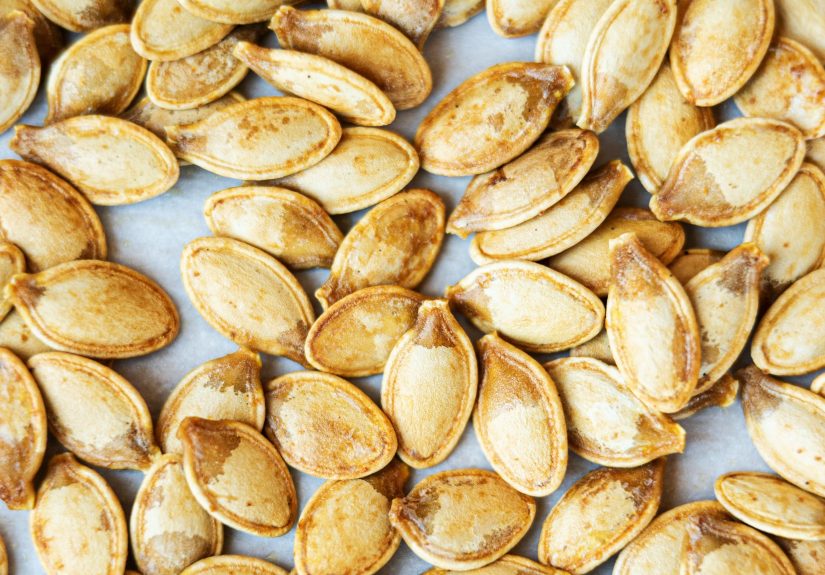
Pumpkin seeds have one of the best reputations in the snack world. They are crunchy, nutty, portable, and somehow manage to look wholesome even when you eat them by the handful while standing in your kitchen like a raccoon with life goals. They are packed with minerals, healthy fats, protein, and fiber, which is why they show up in trail mix, salad toppers, smoothie bowls, and every “healthy snack ideas” list on the internet.
But here is the question people do not always ask until their stomach starts writing an angry email: can pumpkin seeds make you sick? The honest answer is yes, they can. The better answer is that they usually do not. Most people can eat pumpkin seeds without any drama at all. Trouble usually shows up when you eat too many, have a seed allergy, eat a product that has gone bad, or run into a contaminated batch tied to a recall.
So no, pumpkin seeds are not little edible villains plotting against humanity. But they are not magically risk-free either. Like many healthy foods, they can go from “great snack” to “why is my stomach negotiating with me?” depending on how much you eat, how your body responds, and whether the product is safe.
The Short Answer: Yes, but Usually for Specific Reasons
If pumpkin seeds make you sick, it is usually because of one of four things: digestive overload, allergy, contamination, or individual sensitivity. In other words, the seeds themselves are not automatically the problem. The context is.
For most healthy adults, a moderate portion of pumpkin seeds is perfectly fine and can even be a smart snack choice. The issue is that “moderate portion” and “I accidentally ate half the bag while watching one episode that turned into four” are not the same experience. Your body notices. Your digestive system definitely notices.
When Pumpkin Seeds Can Actually Make You Sick
1. You Ate Too Many in One Sitting
This is the most common reason people feel lousy after eating pumpkin seeds. They contain fiber and fat, both of which are useful and healthy in reasonable amounts. But if you suddenly eat a large amount, especially if your usual diet is not very high in fiber, your stomach and intestines may respond with bloating, gas, cramping, or loose stools.
Think of it as a “healthy food plot twist.” Your body likes fiber, but it prefers a polite introduction, not a surprise invasion. A small serving can feel great. A giant serving can feel like your abdomen is inflating a backup balloon for a parade.
This can be even more noticeable with shell-on pumpkin seeds. They tend to bring more roughage to the party, which can be harder on people with sensitive digestion. If you already deal with bloating, IBS-like symptoms, or a generally dramatic stomach, eating a lot of pumpkin seeds at once may not end well.
2. Your Digestive System Does Not Love Sudden Fiber Bombs
Pumpkin seeds are often praised for their fiber content, and that praise is deserved. Fiber supports digestion and can help with fullness and regularity. But the keyword is supports, not stampedes. Add too much fiber too quickly and your body may push back with gas, cramping, bloating, or diarrhea.
This is why one person can eat a sprinkle on yogurt and feel virtuous, while another person demolishes a bowl of roasted seeds and spends the afternoon regretting every life decision that led to that moment.
If you are not used to high-fiber foods, start small. Drink water. Chew well. And maybe do not make pumpkin seeds the opening act, headliner, and encore of the same snack break.
3. You Have a Pumpkin Seed Allergy
Yes, pumpkin seed allergy is possible, though it is considered uncommon. Still, uncommon does not mean imaginary. If you are allergic, even a small amount can cause symptoms. These may include itching in the mouth, hives, swelling, stomach cramps, vomiting, diarrhea, coughing, wheezing, or trouble breathing.
That last part matters. An allergy is not the same thing as simple stomach upset. If pumpkin seeds make your mouth tingle, your lips swell, or your breathing changes, that is not your body being quirky. That is a medical issue.
Some people also react to seeds more broadly, not just pumpkin seeds alone. So if you have a known history of food allergy or seed allergy, it is smart to read labels carefully and talk to a healthcare professional if you notice symptoms after eating them.
4. The Product Is Contaminated or Recalled
This is the most serious scenario. Like many packaged foods, pumpkin seeds can sometimes be recalled because of contamination, including Salmonella or Listeria. These bacteria can cause foodborne illness, and when they do, symptoms may include diarrhea, stomach cramps, nausea, vomiting, and fever. In some cases, the illness can be severe, especially for young children, older adults, pregnant people, and anyone with a weakened immune system.
This is why food recalls matter, even when the product looks and smells perfectly normal. A seed does not need to look suspicious to cause a very suspicious weekend.
If you recently ate pumpkin seeds and then developed fever, diarrhea, or persistent stomach symptoms, check for active recalls and keep the package if you still have it. That boring-looking lot code may suddenly become very interesting.
5. You Are Sensitive to the Shells, Oil, or Added Ingredients
Sometimes the problem is not the pumpkin seed itself, but what came with it. Very salty flavored versions, spicy coatings, extra oil, or heavily seasoned snack mixes can irritate some people. Others find that the shell-on variety feels harder to digest than hulled pepitas.
So if plain pepitas sit just fine with you, but barbecue-blasted, extra-salty, shell-on gas grenades do not, the seeds may be innocent bystanders in a much more seasoned crime scene.
What Symptoms Might Happen?
If pumpkin seeds do not agree with you, the symptoms usually fall into one of two buckets: digestive symptoms or allergic symptoms.
Digestive Symptoms
These are the more common complaints and may include:
bloating, gas, abdominal discomfort, cramping, nausea, loose stools, diarrhea, or the heavy “why did I eat so many?” feeling that shows up about an hour too late to be useful.
Allergic Symptoms
These are less common but more concerning. They can include:
itching in the mouth, rash, hives, swelling of the lips or face, vomiting, wheezing, throat tightness, dizziness, or trouble breathing.
If symptoms involve breathing trouble, throat swelling, or signs of a severe allergic reaction, that needs emergency care right away.
Are Raw Pumpkin Seeds Safe to Eat?
Raw pumpkin seeds can be safe, but they are not automatically safer than roasted ones, and they are not risk-free. Any minimally processed food can carry bacteria if it was contaminated during harvesting, processing, packaging, or storage. Roasting may improve texture and flavor, but safe handling and proper storage still matter.
In practical terms, the bigger concern is not whether the seed is raw or roasted. It is whether it is fresh, stored correctly, and not part of a recall. If the seeds smell off, taste rancid, look damp, or have been hanging around your pantry since your last seasonal identity shift, it may be time to let them go.
Who Should Be More Careful?
Some people have more reason to be cautious with pumpkin seeds than others.
People with Sensitive Digestion
If high-fiber foods tend to upset your stomach, pumpkin seeds may trigger gas, bloating, or cramps, especially in larger portions.
People with Food Allergies
If you have reacted to seeds before, do not assume pumpkin seeds get a free pass just because they sound healthy.
Young Children
Whole seeds can be a choking concern for small children, and heavily salted or seasoned varieties are not ideal for little stomachs either.
Higher-Risk Groups During Foodborne Illness Events
Pregnant people, older adults, and people with weakened immune systems need to take food recalls especially seriously because infections like Salmonella or Listeria can hit harder in these groups.
How Much Is Too Much?
There is no universal “you crossed the line at exactly 47 seeds” rule. But for most people, a small serving, such as about an ounce, is a sensible place to start. That gives you nutrition without turning snack time into a gastrointestinal experiment.
If you are trying pumpkin seeds for the first time, or adding more fiber to your diet in general, keep the portion modest. Your stomach appreciates gradual change far more than ambitious snacking.
Also remember that pumpkin seeds are calorie-dense. That is not a reason to fear them. It is just another reason to treat them like a concentrated food, not popcorn’s healthier cousin that can be inhaled indefinitely.
How to Eat Pumpkin Seeds Without Regret
If you want the benefits without the unpleasant side effects, a few simple habits go a long way.
Start Small
Especially if you do not usually eat many nuts or seeds, begin with a modest amount.
Drink Water
Fiber behaves better when your hydration is not running on vibes alone.
Choose Plain or Lightly Seasoned Varieties
Less salt, less oil, and fewer aggressive flavor coatings can make the snack easier on your stomach.
Store Them Properly
Keep pumpkin seeds in a cool, dry place, and watch for off smells or odd taste. Rancid is not a flavor profile. It is a warning.
Check Recall Notices
If you hear about a food safety alert involving seeds, do not assume your bag is exempt from reality. Check the brand, lot code, and package size.
When Should You Call a Doctor?
Most mild digestive discomfort after overeating pumpkin seeds will pass on its own. But some symptoms should not be brushed off.
Get medical advice if you have severe or lasting diarrhea, signs of dehydration, bloody or black stools, high fever, serious abdominal pain, repeated vomiting, or symptoms that do not improve. Seek emergency care immediately if you have trouble breathing, throat swelling, or other signs of a severe allergic reaction.
Basically, if your body has moved from “mild complaint” to “full emergency press conference,” it is time to get help.
Final Verdict
Can pumpkin seeds make you sick? Yes, but usually not because they are inherently bad. The most common reasons are overeating, sudden fiber overload, allergy, or contaminated product. For most people, pumpkin seeds are a nutritious snack that can fit nicely into a healthy diet. The key is moderation, safe storage, and paying attention to how your body responds.
So enjoy the crunch. Respect the portion size. And maybe do not let “just a handful” turn into a half-bag situation with your digestive system filing formal complaints by midnight.
Real-World Experiences People Often Report After Eating Pumpkin Seeds
One of the most common experiences is the classic healthy-snack overconfidence moment. Someone buys a fresh bag of roasted pumpkin seeds because they want a better snack than chips. Great plan. Then they sit down at a desk, a couch, or the driver’s seat in a parked car, and they keep eating because the seeds are small and delicious and weirdly easy to shovel into your face without noticing. An hour later, the stomach starts to feel tight. Then comes the bloating. Then maybe gas. Then that slow realization that “healthy” did not mean “bottomless.” This is not unusual. It is often just too much fiber and fat in one sitting, and the body responds like it was asked to process a small forest.
Another common experience involves shell-on seeds. Some people love them because they are salty and satisfying, but others find them much rougher on digestion. They might feel fine with hulled pepitas in a salad or oatmeal, then feel surprisingly uncomfortable after eating a large amount of whole roasted seeds from a snack bag. The discomfort can feel like cramping, heaviness, or that odd sensation where your stomach seems both full and annoyed at the same time. It does not necessarily mean anything dangerous is happening, but it can be a clue that your digestive system prefers a gentler version.
Then there is the “I thought it was food poisoning, but it was actually just too much” experience. This happens when people eat a large amount of seeds along with other rich foods, maybe during a road trip, sports game, fair, or holiday gathering. They feel nauseated later and immediately suspect the worst. Sometimes it is simply digestive overload. But if symptoms include fever, persistent vomiting, or significant diarrhea, that is when the concern shifts toward infection or contamination and it becomes important to think about what was eaten, how long symptoms lasted, and whether the product could have been part of a recall.
A more serious experience is the allergy surprise. This can happen when someone has never knowingly reacted to pumpkin seeds before, then notices mouth itching, lip swelling, hives, vomiting, or coughing soon after eating them. That kind of reaction feels very different from ordinary indigestion. People often describe it as sudden, odd, and unmistakably wrong. It can begin with a tingling mouth and quickly escalate. That is why first-time or unusual reactions should never be brushed off as “just a weird snack day.”
There is also the slow-burn experience of eating pumpkin seeds regularly in a way that simply does not fit your body well. Maybe you add them to smoothies, yogurt bowls, and snacks because they seem healthy, but you keep feeling bloated every afternoon. Sometimes the issue is not that pumpkin seeds are bad; it is that the portion is too large, the seed is too heavily seasoned, or your gut just tolerates smaller amounts better. In real life, a food does not have to be dangerous to be a bad fit at a certain dose. That is why paying attention to patterns matters. Your body is often less mysterious than it seems. It usually leaves clues. Sometimes those clues are subtle. Sometimes they arrive with trumpet sounds from your abdomen.






 Close
Close