
Table of Contents >> Show >> Hide
- What Are Asymmetrical Eyes?
- Common Causes of Asymmetrical Eyes
- 1. Natural facial asymmetry and genetics
- 2. Aging and eyelid changes
- 3. Ptosis
- 4. Brow asymmetry
- 5. Thyroid eye disease
- 6. Eye muscle imbalance or strabismus
- 7. Nerve conditions
- 8. Myasthenia gravis
- 9. Facial paralysis or Bell’s palsy
- 10. Trauma, surgery, swelling, or orbital changes
- 11. Unequal pupils
- When Asymmetrical Eyes Are a Medical Concern
- How Doctors Evaluate Asymmetrical Eyes
- Treatment Options for Asymmetrical Eyes
- Can Exercises or Home Remedies Fix Uneven Eyes?
- What About Children With Asymmetrical Eyes?
- Living With Asymmetrical Eyes: Real-World Experiences
- Final Thoughts
- SEO Tags
Note: This article is for educational purposes only and is not a substitute for medical care. If eye asymmetry appears suddenly or comes with pain, double vision, pupil changes, or facial weakness, seek prompt medical attention.
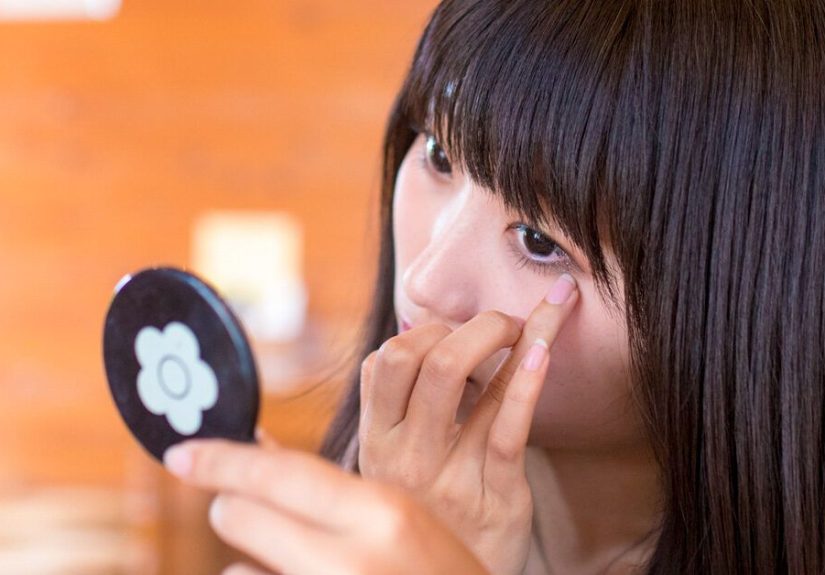
Perfect facial symmetry is basically a myth invented by mirrors, ring lights, and people who stand way too close to the bathroom sink. In real life, most faces are a little uneven, and that includes the eyes. One eye may look slightly wider, one eyelid may sit lower, one brow may be more dramatic than the other, or one eye may seem more “open” in photos. Often, this is just how your face is built. Sometimes, though, asymmetrical eyes can signal an issue involving the eyelids, nerves, muscles, thyroid, or the structures around the eye.
This guide breaks down what asymmetrical eyes really mean, the most common causes, when the difference is harmless, when it deserves a doctor visit, and what treatments may help. We will also cover everyday concerns people actually have, like why the difference seems worse in selfies, why it may change with age, and whether treatment is always necessary. Spoiler: not always. Your face is allowed to be human.
What Are Asymmetrical Eyes?
Asymmetrical eyes means the eyes do not look exactly the same in size, shape, position, or openness. That difference may come from the eye itself, the eyelid, the eyebrow, the surrounding facial structure, or even the pupils. In some people, the asymmetry has been present since childhood. In others, it develops gradually with aging or shows up suddenly because of illness, injury, or nerve problems.
The first thing to know is this: a small amount of asymmetry is common. Many people who think they have one “bigger eye” actually have one eyelid that sits a bit lower or one brow that sits a bit higher. Lighting, fatigue, makeup, facial expression, contact lenses, and camera angles can also exaggerate the difference. That is why the question is not just, “Are my eyes uneven?” The better question is, “Has anything changed, and do I have symptoms?”
Common Causes of Asymmetrical Eyes
1. Natural facial asymmetry and genetics
Some people are simply born with slightly uneven features. One eye socket may be shaped a little differently, one brow may arch higher, or one eyelid crease may be more visible. If the appearance has been stable for years and there are no symptoms such as pain or vision changes, this is often just part of normal anatomy.
2. Aging and eyelid changes
Aging is one of the biggest reasons eyes start to look less even over time. Skin loses elasticity, the eyelid tissues stretch, and the muscles or tendons that lift the upper lid can weaken. This may lead to ptosis (a droopy upper eyelid) or dermatochalasis (loose, excess upper eyelid skin). One side may age a little faster than the other, which is rude but common.
You might notice that one upper lid hangs lower, your eye makeup goes on unevenly, or one eye looks more hooded in photos. In stronger cases, the drooping can block part of the upper visual field.
3. Ptosis
Ptosis is a medical term for a drooping upper eyelid. It may affect one eye or both, but it is often more obvious on one side. Ptosis can happen because of aging, nerve problems, muscle disorders, trauma, swelling, or previous eye surgery. Children can also be born with congenital ptosis.
When ptosis is significant, people may raise their brows all day, tilt their head back to see better, or complain that one eye always looks sleepy. In kids, untreated ptosis can interfere with visual development.
4. Brow asymmetry
Sometimes the eye is not the main issue at all. A drooping eyebrow can push skin downward and make one eye appear smaller. This is called brow ptosis. It is especially common with aging, facial nerve weakness, or after changes in forehead muscle activity. If one brow works harder than the other, the difference can become obvious in photos and during expression.
5. Thyroid eye disease
Thyroid eye disease, often linked to Graves’ disease, can change how the eyes sit in the orbit and how the eyelids move. The eyes may bulge, the lids may retract, and one eye may look more prominent than the other. People may also have dryness, irritation, pressure, puffiness, or double vision. Even though this condition often affects both eyes, one side may look worse.
6. Eye muscle imbalance or strabismus
If the eyes do not align properly, one eye may seem to drift inward, outward, upward, or downward. This is called strabismus. In children, it may be noticed early. In adults, it can appear after nerve problems, injury, or certain medical conditions. Sometimes the asymmetry is not in the eyelids at all. It is the direction of gaze that makes the eyes look uneven.
7. Nerve conditions
Some neurologic problems can make one eye look different from the other. Examples include Horner syndrome, which may cause a droopy lid and a smaller pupil on one side, and third cranial nerve palsy, which can cause ptosis, double vision, abnormal eye movement, and sometimes a larger pupil. These are not things to casually shrug at and blame on bad sleep.
8. Myasthenia gravis
This autoimmune condition can cause fluctuating muscle weakness. Around the eyes, it may show up as drooping eyelids and double vision that worsen with fatigue and improve with rest. One day the eye looks normal. The next day it looks dramatically different by afternoon. That changing pattern is an important clue.
9. Facial paralysis or Bell’s palsy
When the facial nerve is affected, one side of the face can droop. The eyelid may not close properly, the brow may fall, and the eye can look wider or more exposed. Bell’s palsy is one well-known cause, but facial paralysis can also happen with trauma, tumors, infections, or stroke.
10. Trauma, surgery, swelling, or orbital changes
An injury to the eyelid, orbit, or surrounding tissues can change the way one eye looks. Fractures, scarring, swelling, tumors, sinus disease, or previous eye and facial procedures may make one eye appear sunken, bulging, lower, or less open. Even a heavy eyelid bump or inflammation can create temporary asymmetry.
11. Unequal pupils
Sometimes the “uneven eyes” concern is actually about the pupils. Unequal pupils are called anisocoria. Mild anisocoria can be harmless, but when it is new and comes with drooping, eye movement changes, or other neurologic symptoms, it needs evaluation.
When Asymmetrical Eyes Are a Medical Concern
Make an appointment with an eye doctor or healthcare professional if:
- One eyelid suddenly droops
- You develop double vision
- One pupil becomes noticeably larger or smaller than the other
- You have eye pain, pressure, or rapidly changing appearance
- Your face suddenly droops or feels weak on one side
- You have a severe headache along with a new eye change
- Your child has a droopy lid or a persistent eye alignment problem
- The asymmetry is getting worse instead of staying stable
Sudden onset matters. A difference that has been there since middle school is one thing. A difference that showed up between breakfast and lunch is another story.
How Doctors Evaluate Asymmetrical Eyes
The exam usually starts with the basics: when the change began, whether it fluctuates, whether there is pain, and whether you have other symptoms like double vision, weakness, headaches, dryness, or trouble moving the eye. Doctors often ask for old photos because they can reveal whether the asymmetry is actually new or just newly noticed.
A proper evaluation may include:
- Checking eyelid height and brow position
- Testing vision and visual fields
- Examining pupil size in bright and dim light
- Assessing extraocular movements
- Looking for dryness, swelling, or inflammation
- Ordering blood tests if thyroid disease or myasthenia gravis is suspected
- Using imaging such as CT or MRI when nerve, orbital, or brain-related causes are possible
The treatment only makes sense after the cause is identified. That is why “one eye looks weird” can lead to very different solutions depending on what is going on underneath.
Treatment Options for Asymmetrical Eyes
Observation and reassurance
If the asymmetry is mild, longstanding, and not linked to vision problems or disease, treatment may not be needed. Some people simply choose reassurance, especially when the difference is only noticeable to them and their front-facing phone camera.
Medical treatment for the underlying cause
If a condition is driving the asymmetry, doctors treat that condition first. For example:
- Myasthenia gravis may be treated with medications that improve muscle function or reduce immune activity.
- Thyroid eye disease may be managed with lubrication, lifestyle changes, medication, and in select cases surgery.
- Bell’s palsy or facial paralysis may require eye protection, medication, or specialized facial treatment.
- Inflammation, infection, or swelling may improve once the underlying issue is treated.
Lubrication and eye protection
If the eyelids do not close properly, the surface of the eye can dry out. Artificial tears, ointments, moisture shields, or taping the lids closed at night may help in certain cases, especially with thyroid eye disease or facial paralysis.
Ptosis repair
When a droopy eyelid affects vision or causes significant asymmetry, ptosis surgery may be recommended. The procedure aims to tighten or reposition the lifting mechanism of the upper eyelid. In children, treatment may be more urgent if the lid threatens normal vision development.
Blepharoplasty
If excess skin is the main issue, blepharoplasty can remove or reposition tissue to improve the contour of the upper or lower lids. This may be done for function, appearance, or both. Functional cases are often the ones where the drooping interferes with vision.
Brow lift or brow procedures
When asymmetry is coming from the brow rather than the eyelid, a brow-focused procedure may be more effective than eyelid surgery alone. This is why a careful exam matters. Treating the wrong structure is like fixing a crooked picture frame by rearranging the couch.
Strabismus treatment
If one eye is misaligned, treatment may include glasses, prisms, patching in some pediatric cases, vision therapy in selected situations, medication, or surgery to adjust the eye muscles.
Reconstructive or orbital surgery
For trauma, sunken eye appearance, tumors, or structural orbital problems, reconstructive procedures may be needed. These cases are less about cosmetic tweaking and more about restoring normal anatomy and function.
Cosmetic treatment
Some people seek treatment mainly because the asymmetry bothers them aesthetically. That is a valid personal choice, but the safest route is still a medical eye and facial evaluation first. What looks cosmetic from the outside can occasionally be medical on the inside.
Can Exercises or Home Remedies Fix Uneven Eyes?
Usually, no. Internet advice loves to promise that face yoga, ice rollers, jade tools, and approximately 47 angles of eyebrow concentration will make both eyes match. In reality, home tricks may temporarily reduce puffiness or improve dryness, but they cannot fix true ptosis, thyroid eye disease, facial paralysis, nerve palsy, or structural eye misalignment.
That said, a few practical steps can help when the issue is minor or temporary:
- Manage allergies and inflammation if puffiness is the culprit
- Use lubricating drops if dryness makes one eye look more open or irritated
- Improve sleep and reduce eye strain if fatigue exaggerates lid droop
- Compare old photos before panicking over a new selfie
If the difference is persistent, progressive, or accompanied by symptoms, skip the internet detective phase and get checked.
What About Children With Asymmetrical Eyes?
Children should not be put in the “they’ll grow out of it” bucket without an eye exam. A droopy lid, misaligned eyes, or major asymmetry can interfere with visual development and may lead to amblyopia, often called lazy eye. Early evaluation matters because the developing visual system has a time-sensitive window.
Parents should book an eye exam if a child has one eye that looks consistently lower, one pupil that looks odd, a head tilt, squinting, or one eye that turns in or out. Kids are not always great at announcing, “Excuse me, my binocular vision seems compromised.” Sometimes appearance is the clue.
Living With Asymmetrical Eyes: Real-World Experiences
For many people, the first sign of asymmetrical eyes is not a symptom. It is a photo. A school picture, a wedding shot, a Zoom screenshot, or a front-camera selfie suddenly makes one eye seem smaller, sleepier, wider, or more hooded. Then comes the spiral: “Has it always been like this?” “Why did nobody tell me?” “Do I need surgery, bangs, or a new phone?” The emotional side is real, even when the medical issue is minor.
Some people describe having one eye that always looked a little different but never caused problems. They learned makeup tricks, angled their face a certain way, or eventually decided they liked the uniqueness. Others notice the asymmetry growing with age. One eyelid starts to droop by evening. Mascara goes on unevenly. Driving at night becomes annoying because the upper field feels blocked on one side. In those cases, the concern is no longer just cosmetic. It becomes functional.
There are also people whose experience begins with a health scare. A person wakes up and one eyelid is suddenly lower. Another develops double vision after a long workday and assumes it is stress, only to learn that fatigue-related eyelid droop can be a clue to myasthenia gravis. Someone else notices that one pupil looks different in bathroom lighting and then realizes the eyelid is drooping too. These experiences can be scary, especially because the eyes are such a visible part of the face. Even small changes feel big.
Treatment experiences vary just as much. Some patients feel relieved after hearing that their asymmetry is simply a normal variation. Others find major improvement with lubricating drops, thyroid treatment, or better management of an underlying condition. People who undergo ptosis repair or blepharoplasty often say the biggest surprise is not just how they look, but how much easier it feels to see, read, or keep their forehead relaxed. Parents of children with ptosis or strabismus often describe a different kind of relief: catching the issue early and protecting their child’s vision.
Emotionally, asymmetrical eyes can affect confidence in subtle ways. A person may feel that they always look tired, angry, or distracted even when they feel fine. They may avoid photos or become hyperaware of their face in conversation. It helps to remember that most asymmetry is more noticeable to the person living with it than to everyone else. Humans are not built like mirrored architecture. We are built like humans. If the asymmetry is medically harmless, the goal does not have to be perfection. Sometimes the goal is understanding what is happening, ruling out anything serious, and deciding whether treatment would improve comfort, vision, or confidence.
That blend of practicality and perspective matters. Get it evaluated if it is new, worsening, or symptomatic. Treat it if treatment makes sense. And if it turns out that your face is simply doing what faces do, that is not a flaw. That is anatomy being wonderfully inconsistent.
Final Thoughts
Asymmetrical eyes can be completely normal, mildly annoying, medically important, or somewhere in between. The most common explanations include natural anatomy, aging, ptosis, brow changes, thyroid eye disease, muscle imbalance, facial nerve problems, and orbital changes. The real deciding factors are timing, symptoms, and progression.
If the difference has always been there and nothing else is wrong, you may not need treatment at all. But if the asymmetry is new, worsening, or paired with drooping, double vision, pupil changes, pain, or facial weakness, it deserves prompt attention. In many cases, treatment works best when it targets the real cause rather than the visible effect.
So yes, one eye may look different from the other. That can be ordinary. But it can also be a useful clue. When in doubt, let an eye specialist do the detective work instead of outsourcing the investigation to your selfie camera.







 Close
Close