
Table of Contents >> Show >> Hide
- Quick Answer: Is Sweet Potato Low FODMAP?
- First, a Friendly Refresher: What “Low FODMAP” Actually Means
- Why Sweet Potato Can Be Tricky on a Low FODMAP Diet
- How to Eat Sweet Potato on Low FODMAP Without Regret
- Sweet Potato vs. “Yams” on Low FODMAP: Are They the Same?
- What If Sweet Potato Still Triggers Symptoms?
- How to Reintroduce Sweet Potato After Elimination
- Sweet Potato Meal Ideas That Stay Low FODMAP-Friendly
- Should Everyone With IBS Eat Sweet Potato on Low FODMAP?
- Bottom Line: YesSweet Potato Can Fit a Low FODMAP Diet
- Experiences: What It’s Like to Eat Sweet Potato on Low FODMAP (Real-World Patterns)
You’re doing the low FODMAP thing. You’ve said goodbye (temporarily) to onions and garlic like they’re exes you
“wish well” from a safe distance. And now you’re standing in the kitchen holding a sweet potato, wondering if it’s
a cozy, orange hug… or a digestive prank.
Here’s the good news: yes, you can usually eat sweet potato on a low FODMAP dietbut
portion size is the whole plot twist. In the right amount, sweet potato can be IBS-friendly and
low FODMAP. In a “whoops, I ate the whole tray” amount, it may stop being low FODMAP and start being
loud FODMAP.
Quick Answer: Is Sweet Potato Low FODMAP?
In most low FODMAP food lists from U.S. medical centers, sweet potato is allowed in a limited serving.
A common cap is about 1/2 cup cooked sweet potato per meal. If you stay around that range, many
people tolerate it well during the elimination phase. If you go bigger, the FODMAP load can riseand so can
symptoms like bloating, gas, cramping, and changes in bowel habits.
First, a Friendly Refresher: What “Low FODMAP” Actually Means
FODMAPs are a group of short-chain carbs that can be poorly absorbed in the small intestine. When they reach the
large intestine, they can draw in water and ferment, which may lead to symptomsespecially in people with
irritable bowel syndrome (IBS) or similar gut sensitivities.
The low FODMAP diet is typically done in three phases:
1) Elimination (Short-Term, Not Forever-Ever)
This is the strict phase where you reduce high FODMAP foods to calm symptoms. It’s usually meant to be temporary
(often a few weeks), not a “new personality.”
2) Reintroduction (The Science Fair Phase)
You bring foods back in a structured way to identify which FODMAP groups (and what amounts) trigger symptoms.
This is where you learn whether your gut is cool with certain carbs, or if it throws a tiny tantrum.
3) Personalization (The Real Goal)
You create a long-term eating pattern that avoids only your personal triggersso your plate isn’t restricted
forever and your gut microbiome doesn’t file a complaint.
Why Sweet Potato Can Be Tricky on a Low FODMAP Diet
Sweet potatoes are nutritious and generally “whole-food friendly,” but on a low FODMAP diet, the question isn’t
whether they’re “healthy.” It’s whether they’re low in fermentable carbs at the serving you eat.
Sweet potato can contain FODMAPs from the polyol category (the same family that includes sugar
alcohols like sorbitol and mannitol). Polyols are common troublemakers for some people with IBSespecially when
portions climb.
The Low FODMAP Sweet Potato Serving Size That Usually Works
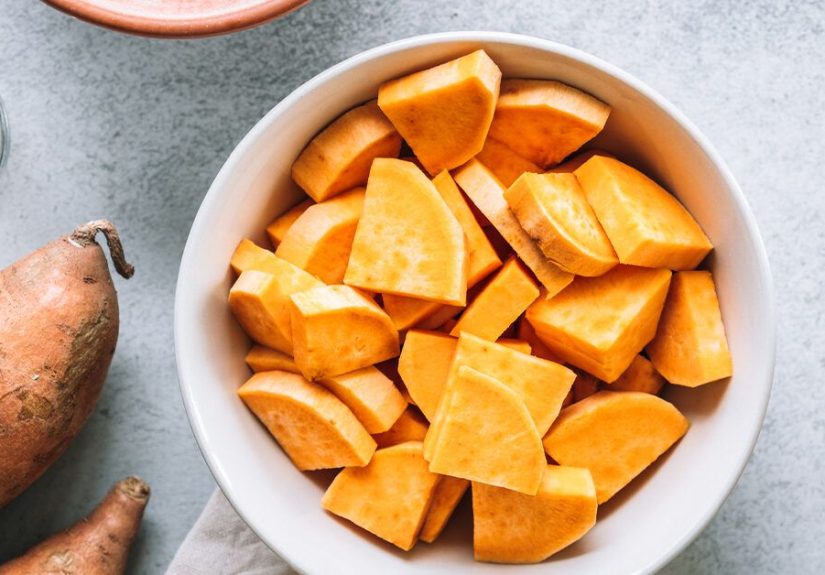
Many U.S. clinical handouts and food lists recommend limiting sweet potato to about 1/2 cup cooked
per meal during the elimination phase. This is why sweet potato is often described as “low FODMAP in a small
serving.”
Important: “1/2 cup cooked” can look different depending on whether it’s mashed, diced, or sliced.
If you want accuracy, measure after cooking and try to keep the portion consistent while you’re testing tolerance.
How to Eat Sweet Potato on Low FODMAP Without Regret
1) Think “Side Dish,” Not “Main Character”
A low FODMAP serving of sweet potato is often best as a starch side, not the entire base of the
meal. Pair it with low FODMAP protein and low FODMAP vegetables to keep your plate balanced and your gut calmer.
2) Watch the Toppings (They’re Usually the Real Villains)
Sweet potato itself may be fine, but the “extras” can quietly turn a low FODMAP meal into a high FODMAP event.
Common culprits include:
- Garlic and onion (fresh, powders, seasoning blends)
- Regular milk, ice cream, or high-lactose toppings if you’re sensitive to lactose
- Honey or high-fructose syrups depending on your tolerance
- Large amounts of cauliflower or certain legumes in the same meal
Low FODMAP-friendly topping ideas that keep things tasty:
- Chives or scallion greens
- Garlic-infused oil (flavor without the same FODMAP punch)
- Lactose-free yogurt or lactose-free sour cream (if tolerated)
- Maple syrup in a small drizzle (for a “dessert vibe” without chaos)
- Cinnamon, smoked paprika, cumin (single spices, not mystery blends)
- Butter or olive oil in moderate amounts (fat can still be a trigger for some people)
3) Keep an Eye on “FODMAP Stacking”
Even when each food is “allowed,” the total FODMAP load can add up in one meal. If you eat sweet potato
and a few other borderline foods together, your gut may treat it like a group project and refuse to do the
work.
A practical approach:
- If you want sweet potato, keep other potentially fermentable foods simple at that meal.
- If you’re eating out and can’t control ingredients, choose a smaller sweet potato portion.
- If symptoms have been flaring, pause sweet potato and test again later under calmer conditions.
4) Cook It Simply (Your Gut Likes “Boring” Sometimes)
In the elimination phase, simpler is better. Try:
- Baked sweet potato (plain, then add safe toppings)
- Roasted cubes with olive oil and salt
- Mashed sweet potato with lactose-free milk or broth and chives
What to be cautious with:
- Sweet potato “bowls” loaded with high FODMAP sauces
- Sweet potato fries dusted with garlic/onion seasoning
- Huge portions (even if everything else is perfect)
Sweet Potato vs. “Yams” on Low FODMAP: Are They the Same?
In many U.S. grocery stores, “yams” are often sweet potatoes with darker skin and orange flesh. True yams are a
different plant entirely and can be harder to find. For low FODMAP purposes, don’t assume the label tells the full
storyfocus on what you’re actually eating and how your body responds.
If you’re unsure, treat “yams” sold in typical American supermarkets the same way you would treat sweet potato:
start with a small serving and track symptoms.
What If Sweet Potato Still Triggers Symptoms?
If you eat a low FODMAP portion and still feel rough, it doesn’t mean you “failed the diet” or that sweet potato is
evil. It may mean one (or more) of these is true:
- You’re extra sensitive to polyols (or to the fiber load in that moment).
- The portion crept up (mashed sweet potato is sneaky like that).
- Fat or spice was the trigger (fried foods and heavy seasonings can irritate some people).
- There was a hidden FODMAP ingredient (seasoning blends and sauces are repeat offenders).
- Your gut is inflamed from stress, illness, or inconsistent meals, and tolerance is temporarily lower.
If sweet potato isn’t working right now, swap in other low FODMAP starch options that are usually more predictable:
white potatoes, rice, quinoa, oats, or corn tortillas
(portion guidance still matters, but they’re often easier for many people).
How to Reintroduce Sweet Potato After Elimination
The elimination phase is only step one. The diet works best when you do reintroduction thoughtfullypreferably with
a registered dietitian, especially if your symptoms are significant or your diet is getting too restricted.
A Simple, Real-World Sweet Potato Challenge (Example)
If your clinician or dietitian has cleared you for reintroduction, you can test sweet potato in increasing portions
while keeping the rest of the day low FODMAP. For example:
- Day 1: A small portion (a few tablespoons)
- Day 2: About 1/4 cup cooked
- Day 3: Up to about 1/2 cup cooked
Then take a couple of “washout” days (back to baseline low FODMAP) before testing another food. If symptoms show
up, it doesn’t always mean “never again.” It may mean your comfortable portion is lower, or that you need to space
sweet potato out from other fermentable foods.
Sweet Potato Meal Ideas That Stay Low FODMAP-Friendly
1) The “Not a Sad Salad” Warm Plate
- 1/2 cup roasted sweet potato cubes
- Grilled chicken or tofu (firm)
- Spinach or arugula
- Olive oil + lemon + chives
It’s warm, satisfying, and doesn’t rely on garlic to taste like food.
2) Baked Sweet Potato “Loaded” the Low FODMAP Way
- Small baked sweet potato (portion measured after cooking)
- Lactose-free sour cream or yogurt
- Chopped scallion greens
- Salt, pepper, smoked paprika
- Optional: shredded cheddar (aged cheeses are often lower in lactose)
3) Breakfast-For-Dinner Hash (Without the Onion Drama)
- Roasted sweet potato cubes (keep to the portion cap)
- Eggs
- Bell pepper
- Spinach
- Garlic-infused oil + salt
Should Everyone With IBS Eat Sweet Potato on Low FODMAP?
Not automatically. IBS is personal. Your triggers may be different from your friend’s, your sibling’s, or that one
influencer who claims they “healed their gut” by drinking something neon.
Also, the low FODMAP diet isn’t designed for everyone, and it’s not meant to be a long-term highly restrictive plan.
If you have a history of disordered eating, unintended weight loss, significant anxiety around food, or other medical
conditions, it’s especially important to work with a clinician and a dietitian before restricting your diet.
Bottom Line: YesSweet Potato Can Fit a Low FODMAP Diet
Sweet potato isn’t banned. It’s just portion-sensitive. For many people following a low FODMAP diet,
a serving around 1/2 cup cooked sweet potato per meal can work wellespecially when you keep the
toppings low FODMAP and avoid stacking multiple fermentable foods at once.
If sweet potato still triggers symptoms, don’t panic. Treat it like a data point, not a moral judgment. Adjust the
portion, simplify the meal, and use the reintroduction phase to learn what your gut actually tolerates in real life.
Experiences: What It’s Like to Eat Sweet Potato on Low FODMAP (Real-World Patterns)
People’s experiences with sweet potato on a low FODMAP diet tend to follow a few familiar storylines. Not because
everyone’s gut is identical (it’s not), but because sweet potato sits in that “usually fine… until it isn’t” category.
If you’ve been confused by it, you’re in extremely good company.
One common experience is the “I did everything right… I think?” moment. Someone eats sweet potato
and feels off later, but when they replay the meal, they realize the sweet potato wasn’t alone. It came with a sauce
that included garlic powder, a seasoning blend with onion, or a restaurant “mystery rub.” In those cases, sweet potato
gets blamed like the last kid standing near a broken vase. Once the hidden ingredients are cleaned upusing plain
roasted sweet potato and low FODMAP-friendly seasoningsmany people report the food becomes much easier to tolerate.
Another frequent pattern is the portion creep. A measured 1/2 cup cooked sweet potato is reasonable.
But a big baked sweet potato can easily turn into one and a half cups once you start eating it like it’s the main event.
People often say, “But it was just one potato!” and yes, emotionally it was one potato. Mathematically, it was a small
mountain. When they tighten the portion to the recommended limit, symptoms often calm down, and sweet potato can stay
on the menu as a side dish rather than a starch throne.
There’s also the texture factor. Some people notice that mashed sweet potato goes down fast and
portions become harder to eyeball. Others find that roasted cubes are easier to portion and feel lighter. A few people
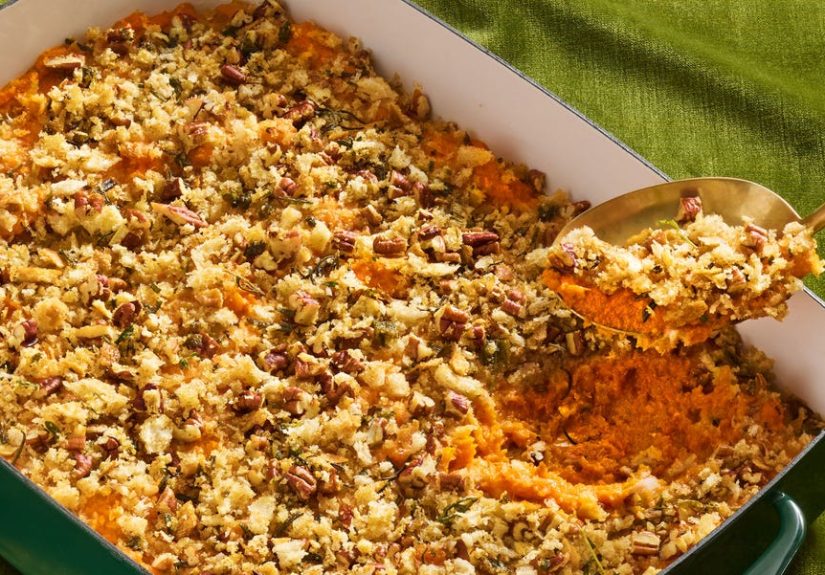
report that very rich preparationslike sweet potato fries or sweet potato casserolesare more likely to cause symptoms,
not only because of portion size but because fat can be a trigger for some IBS patterns. In those cases,
baking or roasting with a modest amount of oil tends to be a gentler experiment than frying.
A surprisingly common experience is “sweet potato is fine, but only on calm gut days.” Many people
notice their tolerance changes with stress, sleep, travel, and schedule changes. On a relaxed week, a low FODMAP serving
of sweet potato may feel great. During finals, a stressful work deadline, or a week of eating at odd hours, that same
portion might trigger bloating. This doesn’t mean sweet potato is secretly high FODMAP; it means IBS thresholds can
shift. People often do better when they treat sweet potato as a “flex food” they use when symptoms are steady, and
skip when their gut feels extra reactive.
Finally, there’s the reintroduction glow-up. Some people start out feeling unsure, then learn through
structured testing that sweet potato is tolerable up to a certain amount. They end up with a personalized rule like:
“I can do 1/2 cup at dinner, but not two days in a row,” or “Sweet potato is fine if I don’t also eat avocado at that meal.”
That’s the whole point of the low FODMAP processturning confusion into a plan you can actually live with.




 Close
Close