
Table of Contents >> Show >> Hide
- The Chicken Recipe Map: Pick Your Cut, Pick Your Adventure
- The Golden Rules of Great Chicken (AKA: How to Avoid Poultry Regret)
- Weeknight Chicken Recipes That Actually Happen on Weeknights
- Sheet-pan lemon-garlic chicken thighs (the one-pan miracle)
- Crispy skillet chicken thighs with pan sauce (restaurant vibes, sweatpants effort)
- Perfect baked chicken breast (juicy, not chalky)
- Fast chicken stir-fry (a.k.a. “use what’s in the crisper drawer”)
- Chicken tacos that don’t require a full emotional journey
- Comfort-Classic Chicken Recipes (Because Feelings Are Real)
- Sunday Showstoppers: Roast Chicken That Earns Compliments
- Crispy, Fried, and “I Deserve This” Chicken Recipes
- Healthy Chicken Recipes That Don’t Taste Like Punishment
- Common Chicken Problems (And the Fixes That Save Dinner)
- Chicken Recipe Field Notes: The Real-Life Stuff That Makes You Better (About )
- Wrap-Up: Your Next Chicken Dinner Is Going to Be Better
Chicken is the world’s most reliable dinner guest: it shows up on time, goes with everything, and never starts a political argument at the table. The catch? Chicken is also the easiest protein to accidentally turn into “pleasantly seasoned chewing practice.”
This guide pulls together the best, most repeatable ideas behind America’s favorite chicken recipesfrom crispy-skinned thighs and sheet-pan miracles to comfort-food classics like chicken pot pie and chicken Parmesan. You’ll get the “why it works,” the “how to not mess it up,” and plenty of fun ways to keep dinner exciting.
The Chicken Recipe Map: Pick Your Cut, Pick Your Adventure
If chicken were a band, the breast would be the lead singer (high-maintenance), the thighs would be the drummer (forgiving and always on beat), and the wings would be the guitarist (loud, crispy, and somehow sticky). Knowing the cut helps you choose the right cooking methodand avoid dry, sad outcomes.
Chicken breast: lean, fast, and dramatic
Breasts cook quickly and can be wonderfully juicy, but they punish inattention. They love even thickness (hello, quick pound-out), gentler heat, and a thermometer. They’re perfect for baked chicken breast, cutlets, stir-fries, salads, and meal prep.
Chicken thighs: the weeknight MVP
Thighs have more fat and connective tissue, which means they stay juicy and taste richer. They’re ideal for skillet crisping, sheet-pan meals, grilling, and braises. If you want “maximum flavor with minimum babysitting,” start here.
Whole chicken: the “I have my life together” move
Roasting a whole chicken looks impressive, feeds a crowd, and makes leftovers that can become soup, tacos, sandwiches, and pot pie. It’s also the best excuse to say, “Yes, I do own a roasting pan,” even if you don’t.
Wings & drumsticks: crispy party energy
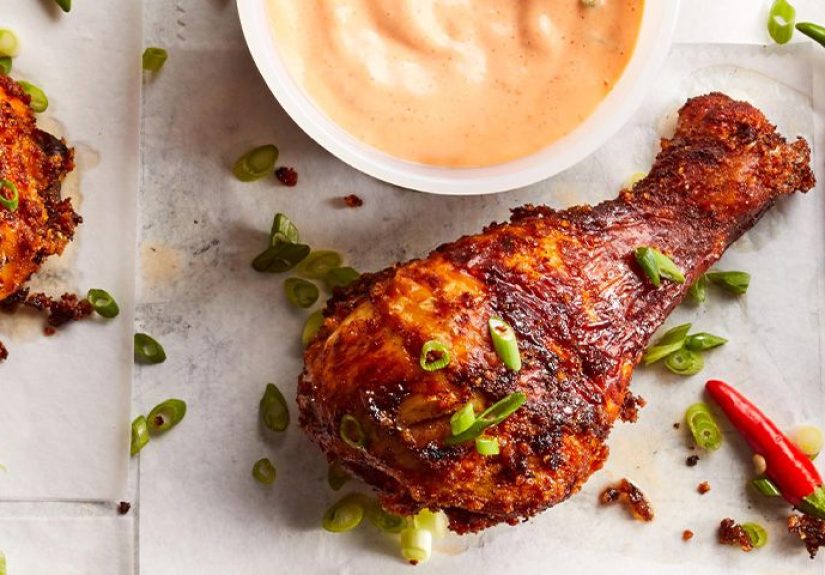
Wings and drumsticks are built for high heat: baked, grilled, fried, or air-fried. They’re also built for napkins. Lots of napkins.
The Golden Rules of Great Chicken (AKA: How to Avoid Poultry Regret)
1) Use a thermometer like a grown-up
For safety, poultry needs to reach 165°F at the thickest part. This isn’t superstition; it’s the widely recommended safe minimum internal temperature. If you’ve been “just cutting into it to check,” welcome to a better life.
Pro tip: temperature also improves quality. Pulling chicken a little early and letting it rest can keep it juicier, because carryover cooking finishes the job while juices calm down instead of fleeing the scene.
2) Don’t wash raw chicken
Washing chicken doesn’t make it saferit can spread bacteria around your sink and counters via splashes. Pat it dry if you need a crisp exterior, then cook it properly.
3) Salt ahead for flavor and juiciness
If you can plan even a little, salt chicken before cooking. A dry brine (salting and resting in the fridge) seasons deeper and improves browning. For roast chicken or skin-on thighs, letting the skin air-dry uncovered in the fridge is the crispy-skin cheat code.
4) Want extra-crispy skin? Invite baking powder to the party
A small amount of baking powder mixed with kosher salt can help skin brown and crisp more effectively. The idea is simple: dry the skin well, season it, and let it rest uncovered in the refrigerator so the surface dehydrates. Translation: crunch that sounds like applause.
5) Rest is not a suggestion
Give cooked chicken a few minutes to rest before slicing. This helps keep juices in the meat instead of on your cutting board like a tiny tragic puddle.
Weeknight Chicken Recipes That Actually Happen on Weeknights
You want dinner that’s fast, flexible, and doesn’t require a motivational speech. These are the reliable “easy chicken dinner” pathsbuilt around smart technique, not complicated steps.
Sheet-pan lemon-garlic chicken thighs (the one-pan miracle)
Toss bone-in, skin-on thighs with olive oil, lemon, garlic, and a sturdy herb (oregano, thyme, or rosemary). Add potatoes or carrots to the same pan so they roast in the drippingsnature’s sauce packet.
- Why it works: Thighs stay juicy, the sheet pan concentrates flavor, and cleanup stays polite.
- Make it yours: Add paprika for warmth, mustard for tang, or a little honey for glossy caramelization.
- Serve with: A simple salad or warm pita. Pretend you meant to do “Mediterranean night.”
Crispy skillet chicken thighs with pan sauce (restaurant vibes, sweatpants effort)
Start thighs skin-side down in a skillet so the fat renders and the skin turns golden. Finish in the oven, then make a quick pan sauce with wine or broth, a dab of butter, and something acidic (lemon or vinegar).
- Why it works: Stovetop-to-oven cooking gives crispy skin and evenly cooked meat.
- Pan sauce shortcut: Deglaze, reduce, season. Congratulations, you made “fancy.”
Perfect baked chicken breast (juicy, not chalky)
For baked chicken breast that stays tender: even thickness, a light coat of oil, and seasoning that isn’t shy. Bake until the thickest part registers 165°F. If you want extra insurance, a quick brine or dry brine helps.
- Season generously (salt + pepper, then add garlic powder, smoked paprika, or Italian herbs).
- Bake on a sheet pan so heat circulates evenly.
- Rest before slicing. Your future self will thank you.
Fast chicken stir-fry (a.k.a. “use what’s in the crisper drawer”)
Slice chicken thin, cook it hot and fast, then add vegetables that match your patience level (bell pepper, broccoli, snap peas). Finish with a sauce made from soy sauce, ginger, garlic, and a little honey or brown sugar.
Flavor hack: Add a splash of vinegar or lime at the end. Acidity wakes up everything like coffee, but for dinner.
Chicken tacos that don’t require a full emotional journey
Season thighs or breast strips with chili powder, cumin, garlic, and salt. Sear, slice, and pile into tortillas. Top with something crunchy (cabbage), something creamy (avocado or yogurt), and something bright (lime).
Comfort-Classic Chicken Recipes (Because Feelings Are Real)
Chicken Parmesan: crispy, cheesy, and proudly dramatic
Chicken Parm is a texture battle: you want a crunchy crust and saucy-cheesy goodness. The trick is to keep breading crisp by not drowning it too early. Bake cutlets on a sheet pan, then add sauce and cheese near the end, or use a two-step approach so the crust stays proud.
- Crust upgrade: Use panko for crunch, Parmesan for salty depth.
- Sauce rule: Add enough for flavor, not so much that your breading files for early retirement.
Chicken pot pie: cozy engineering in a dish
Pot pie is basically “warm hug” in casserole form: chicken, vegetables, creamy sauce, and a flaky lid. Rotisserie chicken works beautifully here, because the goal is comfort, not proving you can debone a bird while blindfolded. The key is a thick filling (so it doesn’t turn soupy) and a crust that bakes until deeply golden.
Chicken soup that tastes like you called your grandma (even if you didn’t)
Start with aromatics (onion, carrot, celery), add broth, then simmer chicken until tender. Shred it, return it to the pot, and finish with lemon or herbs for brightness. If you have bones, use them. If you don’t, don’t panic. Soup is forgivingunlike chicken breast on high heat.
Creamy chicken and rice (the pantry hero)
Sauté onions and garlic, add rice and broth, then nestle seasoned chicken on top and simmer until cooked through. Stir in a little cream or yogurt at the end. It’s one pot, low drama, high reward.
Sunday Showstoppers: Roast Chicken That Earns Compliments
The easiest path to great roast chicken
For classic roast chicken: dry the bird well, salt it ahead of time if possible, and roast hot enough to brown the skin. A dry brine seasons the meat and helps the skin crisp by drying it out in the fridge.
- Seasoning move: Salt under the skin on the breast and over the skin everywhere else.
- Crisp-skin move: Let it rest uncovered in the fridge so the surface dries out.
- Doneness move: Trust the thermometer, not a random timeline from the internet.
Spatchcock chicken: faster cooking, crispier skin, fewer regrets
Spatchcocking means removing the backbone so the chicken lies flat. This helps it cook more evenly and quickly, and exposes more skin to heat for better browning. It also makes grilling easier and carving less chaotic.
If you’re nervous: kitchen shears are your friend, and the backbone removal is easier than it sounds. Think of it as “chicken yoga”you’re just helping it lie down and relax.
Flavor themes that make roast chicken feel new
- Classic: lemon + garlic + thyme
- Smoky: paprika + cumin + oregano
- Herby: rosemary + parsley + cracked pepper
- Spicy-sweet: chili flakes + honey + vinegar
Crispy, Fried, and “I Deserve This” Chicken Recipes
Buttermilk fried chicken (the crispy legend)
Great fried chicken is about three things: seasoning, moisture, and a crust that shatters. Buttermilk brines help tenderize and flavor the meat, and a coating that includes cornstarch (and sometimes a touch of baking powder) can create a lighter, crunchier crust.
- Brine: Buttermilk + salt + spices. Let the chicken soak for hours (overnight is best).
- Coat: Flour with cornstarch and seasonings. Double-dredge if you want extra crunch.
- Fry: Keep oil temperature steady and don’t overcrowd the pot.
- Finish: Rest on a rack, not paper towels, so the crust stays crisp.
If this sounds like effort: it is. But it’s also the kind of effort that makes people say, “Wait… you made this?” and then mysteriously hang around your kitchen forever.
Oven-crispy shortcut (for Tuesday, not a cooking show)
Use thighs or drumsticks, season boldly, and roast on a wire rack set over a sheet pan so air can circulate. Want extra crunch? Add a little baking powder to the salt rub and let the chicken air-dry in the fridge before roasting.
Healthy Chicken Recipes That Don’t Taste Like Punishment
Grilled chicken with big flavor (no bland allowed)
Grilled chicken succeeds when you marinate or season aggressively, then cook over medium-high heat. Use thighs for maximum forgiveness, or pound breasts to an even thickness so they cook evenly.
- Marinade idea: yogurt + lemon + garlic + spices (tender, tangy, and forgiving).
- Dry rub idea: salt + pepper + smoked paprika + cumin + brown sugar (for caramelization).
Chicken salad that’s actually exciting
Skip the bland mayo blob. Use Greek yogurt or a half-and-half mix, add herbs, lemon, crunchy celery, and something briny (pickles or capers). Serve in a wrap, on toast, or straight from the bowl like a champion of efficiency.
Meal prep chicken that stays juicy
Cook thighs for meal prep if you canthey reheat better. If you use breast, slice it only after it has rested and cooled slightly, and store it with a little sauce or pan juice so it doesn’t dry out in the fridge.
Common Chicken Problems (And the Fixes That Save Dinner)
“My chicken breast is dry.”
- Use a thermometer and stop cooking at the right time.
- Pound to even thickness so it cooks evenly.
- Try dry brining (salt ahead of time) for better moisture retention and flavor.
“My skin is rubbery.”
- Make sure the skin is dry before cooking.
- Air-dry uncovered in the fridge for several hours or overnight.
- Use higher heat at some point to render fat and crisp the skin.
“It tastes bland.”
- Salt earlier, not just at the end.
- Add acid (lemon, vinegar) and fresh herbs to finish.
- Use flavorful fats: butter in a pan sauce, olive oil in marinades, drippings in roasted vegetables.
“I’m worried about food safety.”
- Cook chicken to 165°F at the thickest part.
- Don’t wash raw chicken; keep it away from ready-to-eat foods.
- Clean cutting boards, knives, and hands after handling raw poultry.
Chicken Recipe Field Notes: The Real-Life Stuff That Makes You Better (About )
Here’s what tends to happen in actual kitchenswhere the smoke alarm is a little too sensitive and “prep bowls” are just coffee mugs with ambition. If you’ve cooked chicken more than a few times, you’ve probably lived at least one of these moments:
1) The “I’ll just eyeball it” era ends the day you buy a thermometer. Before a thermometer, the options are: cut into the chicken and leak all the juices, or guess and hope for the best. With a thermometer, you get repeatability. That’s the secret sauce of good cooking: not magic, just reliable feedback. It also makes you calmer, which is underrated. Calm cooks season better.
2) Chicken thighs are a confidence builder. When you’re learning timing, heat control, and how to build flavor, thighs are forgiving. You can get them beautifully browned, finish them in the oven, and still land juicy meat even if the doorbell rings and you forget you’re cooking for three minutes. Use thighs when you want to practice technique without the anxiety.
3) Crispy skin is 80% dryness and 20% patience. Most rubbery-skin problems aren’t about the oven being “bad”they’re about moisture on the surface. Pat the chicken dry, let it air-dry uncovered in the fridge, and give it enough heat to render fat. If you want to get nerdy (in a fun way), try the salt-and-baking-powder rub and compare the crackle. The difference is loudin the best way.
4) The best chicken dinners are built, not followed. Once you learn a few core methodssheet pan, skillet-to-oven, roast, braiseyou can swap flavors endlessly. Lemon-garlic becomes orange-chili. Italian herbs become jerk seasoning. Pan sauce becomes gravy, or a quick mustard sauce, or a tangy vinegar finish. This is how you stop googling “easy chicken recipes” every Tuesday at 6:12 p.m. and start cooking from instinct.
5) Leftovers are not an afterthought; they’re tomorrow’s victory. Roast chicken becomes soup, tacos, chicken salad, or pot pie. Skillet thighs become rice bowls with roasted vegetables. Even a plain baked chicken breast can be sliced into a Caesar salad, folded into pasta, or tucked into a sandwich with pickles and a little heat. The trick is storing leftovers with a bit of moisturepan juices, a spoon of sauce, or even a splash of brothso reheating doesn’t turn them into “protein coasters.”
6) Flavor finishes matter. Many chicken dishes taste “almost great” until you add a finishing hit: lemon zest, fresh herbs, a drizzle of olive oil, a pinch of flaky salt, or a splash of vinegar. That final step is the difference between “this is fine” and “wait, did you do culinary school?” (You didn’t. You just finished your food.)
If there’s one mindset that upgrades your chicken cooking fast, it’s this: treat chicken like a blank canvas with rules. The rules are safety, doneness, and dryness for crispness. The canvas is everything elsespices, sauces, textures, and sides. Once you know the rules, you get to have all the fun.







 Close
Close