Table of Contents >> Show >> Hide
- What happened with the Crayola pip-Cubes recall?
- Why this recall is a big deal
- What parents and caregivers should do right now
- Signs that may point to a swallowed magnet
- How to talk to children about a recalled toy
- What this recall says about magnetic toys in general
- Retail trust, brand trust, and the real-world impact of recalls
- Experience section: what living through a recall can feel like
- Final takeaway
Note: This article is for informational purposes only and reflects publicly available recall and child-safety information current as of April 13, 2026.
Few parenting moments are as rude as discovering that a toy designed for creativity, quiet play, and “please let me drink my coffee while it is still hot” has landed in recall territory. That is exactly what happened with CreateOn’s Crayola-branded pip-Cubes, a colorful magnetic building toy that suddenly went from artsy playroom favorite to serious safety concern.
The recall matters because this is not a cosmetic issue, a missing sticker, or a box with a typo. The concern is loose magnets. And when magnets are small enough to be swallowed, the risk moves from “annoying consumer problem” to “call-now, do-not-wait medical issue.” That is why the recall has drawn attention not just from recall trackers and retail reporters, but also from pediatric safety experts, poison-control professionals, and parents doing a very tense sweep of toy bins.
In this guide, we will break down what was recalled, why the hazard is so serious, what families should do next, and what this episode says about magnetic toys in general. We will also look at the real-life experience of navigating a toy recall, because in practice, these situations are never as simple as “stop using product.” Real homes are messy. Kids get attached. Packaging disappears. And nobody keeps a spreadsheet titled Possibly Hazardous Glitter Cubes Purchased in June.
What happened with the Crayola pip-Cubes recall?
CreateOn issued a recall for certain Crayola-branded pip-Cubes after it was found that the magnets inside the cubes could become loose if the seams separated. That creates an ingestion hazard for children. If swallowed, high-powered magnets can attract to one another inside the body, or to another metal object, and cause severe internal damage. In other words, this is one of those recalls where the phrase “serious injury or death” is not legal drama. It is the actual concern.
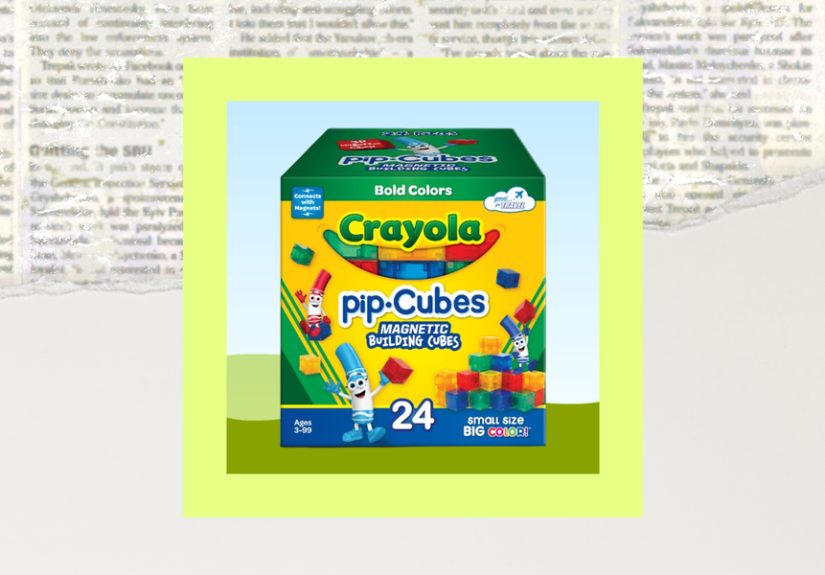
The recalled products were sold in “Bold Colors” and “Glitter” versions, in 24-cube and 27-cube sets. The affected products were sold during the May 2025 through July 2025 window. Public reporting tied the 24-piece sets to Michaels and the 27-piece sets to online sales, while CreateOn’s own recall page also says affected products were sold through CreateOn’s website during that same period. That means families who bought the toy in-store, through a marketplace, or directly from the brand all have a reason to check what they own.
The company offered a replacement remedy, which is important because it signals the recall is not just “throw this away and good luck.” Consumers were instructed to stop using the recalled cubes immediately, keep them away from children, and contact CreateOn to begin the replacement process. CreateOn says consumers can submit a claim without a receipt, and that replacements ship after verification. That is the good news. The bad news is that families still have to identify the product, remove it from circulation, and keep curious little hands away from it in the meantime.
Which pip-Cubes were affected?
If you are trying to identify whether a set in your home is part of the recall, the fastest route is to check the model number on the packaging. The four affected recalled model numbers are:
- Bold Colors, 24 Cubes Model 1000199
- Bold Colors, 27 Cubes Model 1000243
- Glitter Cubes, 24 Cubes Model 1000205
- Glitter Cubes, 27 Cubes Model 1000250
Visual clues help too. The recalled cubes carry Crayola branding, and the sets were sold in bright, kid-friendly colors. The “Bold Colors” version includes classic bright shades such as red, green, blue, and yellow. The “Glitter” version includes sparkly tones like purple, pink, blue, and green. If your child owns a small magnetic cube set that matches that description, do not play detective with your bare hands while your toddler watches from two feet away like a raccoon with a mission. Set the toy aside first, then inspect it carefully.
Why this recall is a big deal
Magnet recalls hit differently because the danger is not always obvious from the outside. A cube can look perfectly harmless on the coffee table. It can even survive weeks of normal play without anything seeming wrong. But if a seam opens and a magnet becomes accessible, the risk changes instantly. Unlike a toy part that is “just” a choking hazard, multiple swallowed magnets can interact through tissue inside the digestive tract. That can lead to blockage, pressure injury, perforation, infection, and emergency surgery.
This is also why pediatric experts and poison-control organizations have been warning families for years about small, powerful magnets. The danger is not limited to babies who put everything in their mouths. Older children can also be injured, including those who accidentally swallow magnets or use them in unsafe ways. In short, these products may look playful and modern, but the medical consequences can be old-fashioned nightmare fuel.
Federal regulators have already recognized how dangerous high-powered magnets can be. The United States has a federal safety standard for magnets because the hazard is well documented. That broader context matters. The pip-Cubes recall is not happening in a vacuum. It fits into a longer history of concern about powerful magnets and the injuries they can cause when products fail, break apart, or are used in ways manufacturers did not intend.
What parents and caregivers should do right now
If you think you own one of the recalled Crayola pip-Cubes sets, the best response is simple and immediate: stop using it. Do not let children continue playing with it while you “keep an eye on it.” That is not a strategy. That is wishful thinking wearing a discount superhero cape.
- Remove the toy from active play areas. Take it out of bedrooms, playrooms, daycare bags, and the backseat toy stash.
- Check the packaging and model number. The recalled model information is printed on the package. If you still have the box, use that first.
- Keep loose pieces away from children. If the package is gone or the toy looks worn, handle it carefully and do not let children inspect it with you.
- Contact CreateOn for the replacement process. The company’s recall page says a receipt is not required.
- Do not donate, resell, or pass the toy along. A recalled toy is not a hand-me-down. It is a hazard with a travel plan.
If there is any chance a child swallowed a magnet, do not wait for symptoms to become dramatic. Pediatric guidance is clear that suspected magnet ingestion needs urgent evaluation. Parents should seek emergency care promptly, and Poison Control in the United States can also be reached at 1-800-222-1222 for immediate guidance.
Signs that may point to a swallowed magnet
One of the hardest parts of magnet-related injuries is that the early symptoms can be vague. A child may complain of stomach pain, seem unusually fussy, vomit, drool, gag, refuse food, or simply “not act right.” Some children have throat, chest, or belly pain. Others may not be able to explain what happened at all. That uncertainty is exactly why doctors do not treat suspected magnet ingestion as a “wait and see for a week” situation.
HealthyChildren guidance notes that all children suspected of swallowing magnets need urgent X-ray evaluation. That is a much firmer instruction than the advice given for many ordinary swallowed objects. A coin is one conversation. A magnet is a completely different conversation, usually with more urgency, more imaging, and significantly less room for optimism-based parenting.
How to talk to children about a recalled toy
Let’s be honest: many kids do not respond well to “Your favorite toy has been recalled, and now it lives on the top shelf forever.” Tears may occur. Negotiation may occur. One child may suddenly become a lawyer. The key is keeping the explanation simple and calm.
You do not need a dramatic speech. Something like, “This toy has a safety problem, so we have to stop using it and get a safer replacement,” is usually enough. For younger children, keep the message concrete. For older kids, it can help to explain that the problem is with the magnets inside, not with anything they did wrong. That last part matters, because children often think they caused a toy to disappear if it was taken away quickly.
It also helps to offer a swap. If one building toy is going into recall quarantine, another open-ended toy can take its place for the moment. Blocks, drawing supplies, puzzles, and larger magnetic sets that are not affected can soften the blow. Nobody loves a recall, but a recall plus boredom is the true villain origin story.
What this recall says about magnetic toys in general
Magnetic toys are not automatically unsafe. In fact, many magnetic products are designed for imaginative, screen-free play and are sold as tools for building, early engineering, and creative exploration. That is part of what makes this category so popular. Parents like toys that feel educational without feeling like homework wearing party clothes.
But the pip-Cubes recall is a reminder that the safety of a magnetic toy depends heavily on construction quality, durability, age-appropriateness, and how securely magnetic components remain enclosed over time. A toy can look clever, colorful, and learning-focused and still become dangerous if a seam opens or a small component is released.
That is why families should pay attention not only to age labels, but also to wear and tear. If a magnetic toy is chipped, cracked, separating, or oddly misshapen, remove it from circulation until you can inspect it. It is also smart to supervise younger kids with small-format building toys, especially if the pieces are compact, travel-friendly, or attractive to siblings outside the listed age range.
Retail trust, brand trust, and the real-world impact of recalls
Recalls like this also affect how families think about brands. Crayola is a name many parents associate with color, creativity, and classroom-safe fun. That brand familiarity lowers mental defenses. Shoppers may feel extra comfortable buying a product tied to a familiar household name, especially during holidays or back-to-school season when quick decisions rule the checkout lane.
But licensing and branding can make the modern toy marketplace complicated. Consumers often see the front-of-box brand first and the manufacturer or importer second. In this case, the recall sits at the intersection of CreateOn as the company handling the product and Crayola as the branded identity families recognize. That does not make the situation scandalous on its own, but it does show why shoppers should keep packaging, receipts when possible, and product labels for toys that include magnets, batteries, or other small components.
The broader lesson is practical: trust is useful, but details matter. A beloved brand name is not a substitute for a product check when a recall is announced.
Experience section: what living through a recall can feel like
A toy recall sounds tidy on paper. In real life, it usually begins with a random moment: maybe a headline during lunch, maybe a text from another parent, maybe an email you nearly delete because it looks like a promotion. Then comes the mental rewind. Did we buy that? Was it the glitter one? Why do all toy boxes suddenly look like archaeological digs?
For many parents, the first experience is confusion. The child may have several magnetic toys. The box may be long gone. The toy may already be mixed into a giant “creative chaos” bin containing blocks, markers without caps, one mystery dinosaur, and a sock that has clearly been through things. The recall notice sounds very specific, but the living room does not cooperate.
Then comes the inspection phase. You start checking colors, shapes, logos, and packaging scraps. If you still have the box, you feel like a household genius. If you do not, you suddenly understand why people keep instruction booklets in drawers for five years. A toy that looked innocent yesterday now gets studied like it is a suspicious artifact from a museum of poor consumer choices.
Emotionally, these recalls can produce a weird mix of gratitude and irritation. Gratitude because the hazard was identified before an injury occurred in your home. Irritation because now you have a safety problem, a disappointed kid, and an administrative task you absolutely did not schedule between work, dinner, and asking someone for the sixth time to please put on shoes.
Children often react in ways that are completely predictable and still somehow astonishing. Some are upset because the toy disappears. Some want a detailed explanation. Some immediately ask whether every toy in the house is now “illegal,” which is a dramatic but creative interpretation. A child who loved building little towers with pip-Cubes may not care that the replacement process is straightforward. They care that their bright little cube city has been evicted.
That is why the experience of a recall is not just logistical. It is relational. Parents have to manage safety, communication, and routine at the same time. They may need to reassure a child, contact the company, look for symptoms if there was any questionable play, and replace the activity with something else before boredom turns the afternoon into a full-contact emotional sport.
There is also a trust element. After a recall, families often look at similar products differently. They squeeze seams. They keep boxes longer. They become the person who reads the product label in the aisle instead of tossing things in the cart with holiday optimism. That change is not paranoia. It is consumer experience doing what consumer experience does: teaching caution the hard way.
And yet, there can be something reassuring in a recall being handled openly. A public notice, a clear remedy, and a direct replacement process are signs that a problem has at least been acknowledged in the right place. No recall is fun, but silence would be worse. Families do not need perfection from companies. They do need honesty, urgency, and a process that does not require three emails, a blood oath, and the original packaging from a purchase made during summer break.
So if your home has been touched by the CreateOn Crayola pip-Cubes recall, the experience may feel annoying, inconvenient, and slightly surreal. That is normal. The important thing is to act quickly, remove the product, and treat magnet risk with the seriousness it deserves. A child being temporarily annoyed by losing a toy is frustrating. A preventable emergency is far worse. In recall situations, boring safety decisions are the real heroes.
Final takeaway
The CreateOn recall on Crayola pip-Cubes is a sharp reminder that even cheerful, creativity-driven toys can become serious hazards when magnets are involved. The recalled sets may look playful, but the potential consequences of loose magnet ingestion are severe enough to justify immediate action. For families, the smart move is simple: stop use, identify the product, begin the replacement process, and seek urgent medical help if magnet ingestion is even suspected.
That may not be the most colorful ending for a Crayola-branded story, but it is the right one. In the world of recalls, the best outcome is not “we loved this toy.” It is “we caught the problem in time.”