
Table of Contents >> Show >> Hide
- What “blood pressure control” really means (and why winter messes with it)
- Why blood pressure often rises when it’s cold
- What the research shows: winter can lower blood pressure control rates
- How cold weather complicates treatment (the practical problems clinicians actually run into)
- Your winter-proof blood pressure plan
- Who should be extra cautious in cold weather?
- Real-life winter experiences : what this looks like outside the textbook
- Conclusion
Winter is full of surprises. Your car won’t start, your lips turn into a cracked desert, and suddenly your
blood pressure is acting like it’s auditioning for a drama series. If you’ve ever noticed your readings
creeping up when the temperature drops, you’re not imagining things.
Cold weather can make blood pressure harder to control for a mix of reasons: your blood vessels naturally
tighten in the cold, daily routines shift (hello, couch season), holiday food gets salty and plentiful, and
even the way we measure blood pressure can get sloppier when we’re bundled like a human burrito. The result?
More “surprise” high readings, more variability, and sometimes a need to revisit your treatment plan.
What “blood pressure control” really means (and why winter messes with it)
Blood pressure control is basically the ongoing effort to keep your numbers in a safer range over time
not just one perfect reading at the doctor’s office. Clinicians usually look at patterns: repeated readings,
home measurements, and whether your current plan (lifestyle habits plus medication when needed) is keeping
your blood pressure where it should be.
Winter complicates that effort because it can push the baseline upward and make readings bounce around more.
And when blood pressure is more variable, diagnosis and management can get trickierlike trying to hit a
moving target while wearing gloves.
Why blood pressure often rises when it’s cold
1) Your blood vessels “tighten up” to conserve heat
When you’re exposed to cold, your body tries to protect core temperature by narrowing (constricting) blood
vessels closer to the skin. That narrowing increases resistance inside the arteries, so the heart has to push
harder to move blood through a smaller space. Translation: blood pressure tends to rise.
This isn’t rare or mysteriousit’s a well-described response. Many people show higher blood pressure in winter
and lower blood pressure in summer, partly due to this cold-driven vessel tightening.
2) Your “fight-or-flight” system gets a winter workout
Cold exposure can activate the sympathetic nervous system (your body’s alert mode). That can increase heart rate
and tighten blood vessels, nudging blood pressure upward. For some peopleespecially those already living with
hypertensionthis physiologic boost can be enough to turn “pretty good control” into “why is this number rude?”
3) Winter habits can stack the deck against you
Winter changes behavior in predictable ways. We move less. We sit more. Daylight shrinks. Stress rises. And
comfort foods often come with a sodium sidecar.
-
Less activity: Many adults struggle to maintain consistent exercise in colder months, especially
if they rely on outdoor walking. Regular physical activity supports healthier blood pressure over time. -
More sodium: Winter eating can lean toward soups, cured meats, snacks, takeout, and holiday spreads.
Sodium can contribute to higher blood pressure, especially in salt-sensitive individuals. -
Weight creep: A few extra pounds over a season can affect blood pressure, and it can happen quietly:
smaller activity + larger portions = math that never lies.
4) Winter illnesses and “medication juggling” can add turbulence
Cold and flu season doesn’t just bring tissues and cough drops; it can also disrupt sleep, increase stress hormones,
and reduce activity. When you’re sick, routines wobble: meals become random, hydration can drop, and medication schedules
can get messy. Even minor disruptions can show up on the cuff.
5) Cold-weather exertion can spike blood pressure temporarily
Some winter activities are deceptively intense. Shoveling snow, pushing a heavy blower, hauling wet salt bagsthese can
behave like sudden high-intensity workouts, often done by people who haven’t been training for the “Snow Olympics.”
Cold air plus heavy exertion can raise cardiovascular strain in the moment, especially in people with heart disease or
uncontrolled hypertension.
What the research shows: winter can lower blood pressure control rates
Large health-record analyses have found that blood pressure control tends to be worse in colder months compared with warmer months.
In one American Heart Association research report, average systolic blood pressure rose modestly in winter (on the order of a couple
of mm Hg), and the proportion of people meeting control goals dropped by several percentage points during winter months.
That might sound “small,” but on a population level it mattersand on an individual level it can be the difference between being at goal
and being told, “Let’s keep a closer eye on this.”
How cold weather complicates treatment (the practical problems clinicians actually run into)
Seasonal variation can change what “the right dose” looks like
Some people do fine on a stable treatment plan year-round. Others show a clear seasonal pattern: winter numbers climb, spring numbers ease,
and summer readings look almost smug. That doesn’t automatically mean medication must changebut it can mean you and your clinician need more
data and better timing.
This is where home monitoring is powerful: instead of guessing based on one clinic visit, you can spot consistent seasonal shifts and talk with
your clinician about whether your plan needs tweaks (or whether lifestyle changes can do the heavy lifting).
Over-the-counter medications can sabotage control
Winter is peak season for pain relievers and cold remedies. Here’s the catch: some medications can increase blood pressure or interfere with
blood pressure control in certain people.
-
NSAIDs (like ibuprofen and some prescription anti-inflammatory products): NSAID labeling includes warnings that these medicines can
lead to new or worsening hypertension in some patients. If you use NSAIDs frequently for winter aches, talk with your clinician or pharmacist about
safer options for you. -
“I’m stuffed up” products: Some decongestants and combination cold medicines may increase blood pressure in certain individuals.
Always check labels and ask a pharmacist if you’re unsure.
Blood pressure measurement gets messier when it’s cold
Winter brings measurement pitfalls:
- Taking a reading over long sleeves (easy, but inaccurate).
- Not resting first because you just came in from the cold and you’re still in “brisk walk + frozen hands” mode.
- Using a poorly fitting cuff because you grabbed the first one you saw.
Even small technique errors can dramatically distort a reading. The goal in winter is to make your method boringly consistentsame time, same posture,
same calm, same cuff placementso you can trust the trend.
Your winter-proof blood pressure plan
Step 1: Monitor smarter (not more obsessively)
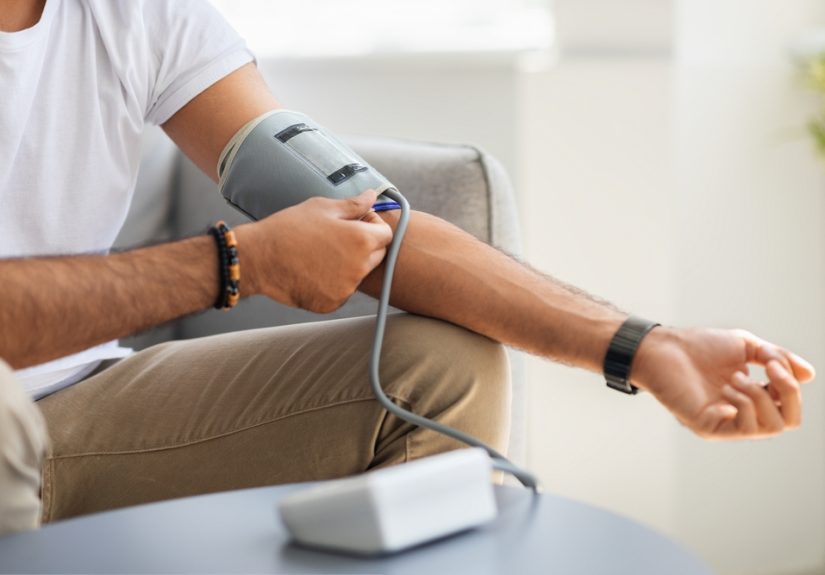
Home monitoring is most helpful when it’s structured. Many heart-health organizations recommend an automatic, cuff-style, upper-arm device that’s been
validated, plus consistent technique (seated, back supported, feet on the floor, arm supported at heart level, and a few quiet minutes of rest).
Practical routine:
- Pick a schedule you can keep (for example, morning and evening for a few days each month, or as your clinician recommends).
- Take two readings about a minute apart and record both.
- Bring a log (paper or app) to appointments so decisions are based on patterns, not vibes.
Step 2: Stay warm on purpose
If cold triggers vasoconstriction, the simplest counter-move is to reduce cold exposure. Dress in layers, keep your home comfortably warm if possible,
and warm up gradually before outdoor activity. The goal isn’t to avoid winterit’s to avoid being cold-stressed for long stretches.
Step 3: Keep sodium down without making food depressing
The DASH eating pattern is widely recommended for blood pressure support. It emphasizes fruits, vegetables, whole grains, lean protein, and lower sodium.
Many people aim somewhere in the neighborhood of 1,500–2,300 mg of sodium per day depending on their health profile and clinician guidance.
Try winter-friendly swaps that still feel like real life:
- Soup strategy: Choose lower-sodium broths and build flavor with garlic, onions, vinegar, lemon, and herbs.
- “Crunch” replacement: Swap chips for unsalted nuts, air-popped popcorn with spices, or crunchy veggies with hummus.
- Holiday defense: Taste first, then salt. You can’t un-salt a casserole, but you can season with acids and herbs.
Step 4: Keep movingindoors counts
You don’t have to become a winter athlete to support your blood pressure. Consistent, moderate activity helps. If cold weather makes outdoor exercise miserable,
build an indoor plan: brisk hallway walking, stair repeats (safely), home workouts, resistance bands, or a dance session that convinces your dog you’ve lost it.
If you need a number to aim for, U.S. public health guidance commonly recommends about 150 minutes per week of moderate-intensity activity for adults, plus
muscle-strengthening activity on multiple days per week (adjusted to your ability and clinician advice).
Step 5: Plan for the holiday “pressure traps”
Holidays can spike blood pressure indirectly: travel stress, less sleep, more alcohol for some people, and sodium-heavy meals. A few sanity-saving moves:
- Take medication consistently (set a phone reminder if travel breaks your routine).
- Hydrate and don’t “save up” all your calories for one massive meal.
- Choose one indulgence on purpose instead of grazing on everything accidentally.
- Manage stress with something that actually calms youwalk, music, breathing exercises, or a 10-minute “quiet corner” break.
Step 6: Know when to check in with your clinician
Don’t change prescriptions on your own. But do reach out if you notice a consistent shift upward for more than a week or two, especially if your readings
are repeatedly above your usual range. Winter is a common time for “let’s adjust the plan” conversations.
Seek urgent medical care right away if you have concerning symptoms such as chest pain, severe shortness of breath, fainting, or signs of stroke
(face drooping, arm weakness, speech difficulty). Blood pressure is a numberbut symptoms are a story.
Who should be extra cautious in cold weather?
Anyone can see a winter bump, but some groups may face higher risk or bigger swings:
- Older adults (blood vessels are often stiffer, and thermoregulation can be less efficient).
- People with heart disease, prior stroke, kidney disease, or diabetes.
- People who smoke or have chronic lung disease (cold air can add respiratory strain).
- Anyone whose blood pressure is already uncontrolled.
Real-life winter experiences : what this looks like outside the textbook
If you want the most honest description of winter blood pressure management, it’s this: it’s rarely one big dramatic event. It’s a bunch of small,
ordinary moments that quietly add up.
Experience #1: The “Why is my morning number spicy?” moment.
A lot of people first notice the seasonal shift at home. It’s December. You wake up, shuffle to the kitchen, and take your blood pressure like you always do.
The number is higher than usual. Not “call the fire department” highjust higher. You try again the next day, and it happens again. This is the point where
winter starts to feel less like a cozy season and more like a sneaky little math problem.
Experience #2: The clothing battle.
In summer, measuring blood pressure is easy: short sleeves, done. In winter, you’re wearing layers, you’re cold, and you’re tempted to slap the cuff over your
sweatshirt because taking it off feels like punishment. Then you get a weird reading and spend five minutes wondering if you’re doomedwhen the real culprit is
fabric. Many people learn (the annoying way) that winter demands a “bare arm” rule and a calm-down period after coming in from outside.
Experience #3: The holiday sodium trap.
You can eat perfectly all week, then walk into one holiday gathering where the food is delicious and apparently preserved like it’s heading to space. People often
notice they feel puffy, thirstier, or “off” after salty mealsthen the blood pressure reading the next morning confirms it. The best real-world solution usually
isn’t “never eat fun food again.” It’s picking favorites, keeping portions reasonable, and balancing the meal with lower-sodium choices before and after.
Experience #4: The pharmacy aisle plot twist.
Winter colds are common, and so is the moment someone grabs an over-the-counter medication without thinking twicebecause they just want to breathe through both
nostrils again. Later, their blood pressure seems higher than usual, and they can’t figure out why. This is when people learn to read labels, ask pharmacists,
and treat “quick fixes” with a little more respectespecially if they already have hypertension.
Experience #5: The snow-shovel confidence test.
Even people who feel fine most days can get blindsided by sudden heavy exertion in cold air. You start shoveling and think, “This is fine, I am strong, I am
capable.” Ten minutes later you’re breathing hard, your heart is pounding, and you realize this task is basically an intense workout you didn’t train for.
Many people end up switching to shorter bursts, taking breaks, layering properly, warming up first, or asking for helpbecause the goal isn’t to prove toughness.
The goal is to make it through winter with your heart and blood vessels not sending you complaint emails.
Experience #6: The surprisingly empowering part.
The upside is that winter can teach consistency. People who track their readings, tighten up their measurement technique, keep moving indoors, and moderate sodium
often feel more in control by February than they did in November. It’s not about being perfect. It’s about noticing patterns early and making small changes before
“slightly higher” turns into “we need to change everything.”
Conclusion
Cold weather can complicate blood pressure control because it changes your physiology (vasoconstriction and stress responses), your routines (less movement,
more sodium, more stress), and even your measurement habits (layers, rushed readings, poor technique). The good news is that winter is manageable with a
practical plan: consistent home monitoring, smart lifestyle adjustments, and clinician-guided treatment decisions when needed.
If winter seems to raise your numbers every year, consider it useful informationnot a personal failure. Your body is responding to a real environment.
With the right data and habits, you can keep your blood pressure from turning winter into its favorite season.





 Close
Close