
Table of Contents >> Show >> Hide
- What heart rate actually measures (and why it changes)
- Normal resting heart rate for adults
- Normal heart rate by age (babies, kids, teens, adults)
- How to measure your heart rate (the right way, not the panic way)
- What can raise or lower your heart rate?
- Normal heart rate during exercise (target heart rate zones)
- When is a heart rate “too high” or “too low”?
- How to support a healthier resting heart rate
- FAQ: Quick answers people actually ask
- Conclusion: “Normal” is a range, not a trophy
- Experiences with heart rate (real-life, very relatable moments)
Your heart rate is basically your body’s built-in metronomeexcept it doesn’t keep time for music, it keeps you alive.
Most days, it quietly does its job in the background. Other days (stressful email, surprise sprint to catch an elevator,
or one spicy burrito too many), it turns into a drum solo.
So what’s a normal heart rate? The short answer: for most adults at rest, it’s typically
60 to 100 beats per minute (bpm). The more useful answer: “normal” depends on your age, fitness,
medications, and what your body is dealing with at that moment.
What heart rate actually measures (and why it changes)
Heart rate is how many times your heart beats in one minute. Your pulse is the
heartbeat you can feel in places where an artery runs close to the skin (like your wrist or neck). For most people,
pulse and heart rate match closely.
Your heart rate isn’t a fixed numberit’s a responsive system. It rises when your muscles need more oxygen (exercise),
when your temperature climbs (fever), or when your brain thinks you’re being chased by a tiger (stress… or a deadline).
It may drop during sleep or with strong cardiovascular conditioning.
Normal resting heart rate for adults
A widely used “normal” range for adult resting heart rate is 60–100 bpm.
“Resting” means you’re calm, awake, and not actively moving aroundthink sitting comfortably or lying down.
Here’s the twist: plenty of healthy adults live slightly outside that band at times. Many clinicians note that
a lot of healthy people fall in a narrower zone (often somewhere around the mid-50s to mid-80s). The key idea is
pattern and context: what’s typical for you, and whether you have symptoms.
What about athletes and very active people?
If you do regular endurance training, your heart can become more efficientpumping more blood per beatso it doesn’t
need to beat as often at rest. It’s not unusual for a well-conditioned athlete to have a resting heart rate
in the 40s or 50s and feel completely fine.
Normal heart rate by age (babies, kids, teens, adults)
Kids aren’t tiny adults. Their hearts typically beat fasterespecially in infancy. Below is a practical, commonly cited
set of resting heart rate ranges by age. These are general guides, not personal diagnoses.
| Age | Typical resting heart rate range (bpm) |
|---|---|
| Newborn (0–4 weeks) | 100–205 |
| Infant (4 weeks–1 year) | 100–180 |
| Toddler (1–3 years) | 98–140 |
| Preschool (3–5 years) | 80–120 |
| School age (5–12 years) | 75–118 |
| Teen (13–17 years) | 60–100 |
| Adult (18+ years) | 60–100 |
If you’re a parent and you just read “205 bpm” and felt your soul leave your bodydeep breath. Babies can have
surprisingly high heart rates, especially when crying, feeding, or wiggling like they’re powered by pure chaos.
The question is whether the number fits the situation and whether there are concerning symptoms.
How to measure your heart rate (the right way, not the panic way)
You can measure heart rate manually in under a minuteno fancy gear required.
Option A: Wrist pulse (radial pulse)
- Sit and relax for a few minutes (no speed-walking to the couch and calling it “resting”).
- Turn one hand palm-up. Use the index and middle finger of your other hand.
- Place your fingers on the thumb side of your wrist and press gently until you feel the pulse.
- Count beats for 60 seconds. (Or count for 30 seconds and multiply by 2.)
Option B: Neck pulse (carotid pulse)
- Place two fingers beside your windpipe (not on top of it).
- Press gentlycarotid arteries are sensitive; don’t mash like you’re kneading bread.
- Count beats for 60 seconds.
Pro tip: If the rhythm feels irregularlike “beat-beat… pause… beat”count a full 60 seconds and
consider checking in with a clinician, especially if this is new for you.
Wearables and phone apps: helpful, but not perfect
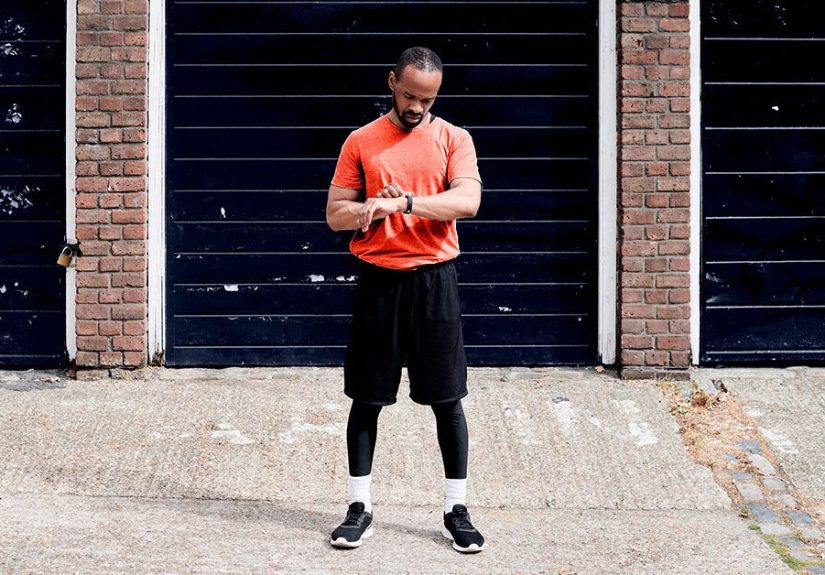
Smartwatches can be great for spotting trends (like your resting heart rate slowly dropping as you get fitter).
But they can also be wrong if the sensor isn’t snug, your skin is sweaty, you’re moving, or the device is estimating.
Treat wearables as useful clues, not final verdicts from the Heart Rate Supreme Court.
What can raise or lower your heart rate?
Heart rate is a “whole body” signal. That means plenty of things can bump it upor pull it downwithout anything being
dangerously wrong.
Common reasons your heart rate may be higher
- Exercise (the classic)
- Stress, anxiety, pain (your nervous system hitting the gas pedal)
- Fever or infection (your body is working harder)
- Dehydration (less circulating fluid can make the heart compensate)
- Caffeine, nicotine, stimulants (including some decongestants)
- Sleep deprivation (your body does not enjoy being mistreated)
- Medical issues such as anemia or thyroid problems
Common reasons your heart rate may be lower
- Good cardiovascular fitness
- Sleep (heart rate commonly drops overnight)
- Medications (for example, some beta-blockers can slow heart rate)
- Vagal tone (some people naturally run lower, especially when relaxed)
The takeaway: one isolated reading rarely tells the full story. Trend + context wins.
Normal heart rate during exercise (target heart rate zones)
When you work out, your heart rate rises on purposebecause your muscles want more oxygen and fuel.
Many exercise guidelines use target heart rate zones based on age to estimate a safe, effective effort.
A common approach estimates your maximum heart rate as 220 minus your age. Then:
- Moderate intensity: about 50% to 70% of estimated max
- Vigorous intensity: about 70% to 85% of estimated max
Example
If you’re 40: estimated max heart rate = 220 − 40 = 180 bpm.
Moderate zone ≈ 90–126 bpm. Vigorous zone ≈ 126–153 bpm.
Important: these are estimates, not magic numbers. Medications, fitness level, pregnancy, and health conditions can
change what’s appropriate. If you’re unsure (or you have heart disease risk factors), it’s worth asking a clinician
what target zone makes sense for you.
When is a heart rate “too high” or “too low”?
Two common terms you’ll see:
- Tachycardia: resting heart rate typically over 100 bpm
- Bradycardia: resting heart rate typically under 60 bpm
But those cutoffs are only the beginning. A resting heart rate of 55 in a trained runner can be perfectly normal.
A resting heart rate of 55 with dizziness, fatigue, or fainting is a different conversation.
Signs you should get urgent help
Seek emergency care right away if an unusual heart rate comes with symptoms like:
- Chest pain or pressure
- Severe shortness of breath
- Fainting or near-fainting
- Sudden weakness, confusion, or trouble speaking
Signs you should schedule a medical check-in
- Resting heart rate that is persistently above 100 bpm without an obvious reason (like fever or stress)
- Resting heart rate that is persistently low and you feel dizzy, unusually tired, or lightheaded
- New palpitations, irregular rhythm, or a “fluttering” sensation that keeps happening
- A noticeable change from your usual baseline that sticks around
If you like neat rules: don’t obsess over a single number; pay attention to pattern + symptoms.
How to support a healthier resting heart rate
You can’t “hack” your heart into perfection overnight, but you can absolutely nudge your resting heart rate in a
healthier direction over timeespecially if it’s elevated due to lifestyle factors.
Habits that tend to help
- Regular aerobic activity (walking, cycling, swimming): consistency beats intensity.
- Strength training: supports metabolic health and overall fitness.
- Better sleep: fewer “wired and tired” mornings.
- Stress reduction: breathing exercises, mindfulness, therapy, time outdoorspick your tool.
- Hydration and balanced nutrition: especially if you notice a racing pulse when dehydrated.
- Limit nicotine and moderate caffeine if it spikes your heart rate.
- Manage underlying conditions (thyroid disease, anemia, infections) with professional care.
If you track your resting heart rate daily, aim to measure it at the same time and conditions (often mornings, after
waking, before coffee). That gives you a more meaningful baseline.
FAQ: Quick answers people actually ask
Is 90 bpm a normal heart rate at rest?
For many adults, yes90 bpm can still fall within the typical 60–100 resting range. If your usual resting rate is
60–70 and it suddenly becomes 90 for days, look for causes (stress, poor sleep, dehydration, illness, caffeine),
and consider checking in with a clinician if it persists or comes with symptoms.
Is a resting heart rate under 60 always bad?
Not always. It can be normal in athletes, during sleep, or in some naturally “low runners.”
The concern is when a low heart rate is paired with symptoms (dizziness, fainting, shortness of breath, unusual fatigue).
Why is my heart rate higher when I stand up?
Standing shifts blood downward briefly, and your body compensates by increasing heart rate a bit to maintain blood flow.
A small increase is normal. A large increase with lightheadedness may be worth discussing with a clinician.
Can anxiety really raise my heart rate that much?
Yes. Anxiety activates the sympathetic nervous system (your “fight-or-flight” response), which can noticeably increase
heart rate. The sensation can be scary, but it’s also a commonand very humanbody response.
Conclusion: “Normal” is a range, not a trophy
A normal heart rate is less about chasing one perfect number and more about understanding your baseline.
For most adults at rest, 60–100 bpm is the classic reference rangebut fitness, age, medications,
sleep, stress, and illness can shift what’s normal for you.
If you remember only one thing: track trends, consider context, and pay attention to symptoms.
Your heart is allowed to be dynamic. It’s literally the job description.
Experiences with heart rate (real-life, very relatable moments)
Numbers are helpful, but real life is where heart rate becomes… dramatic. Here are some common experiences people have
with “normal heart rate” that can make the topic click without turning you into a full-time pulse detective.
1) The “I checked after coffee” spiral
Someone checks their heart rate mid-morning, sees 96 bpm, and immediately wonders if they’re starring in a medical
thriller. Then they remember: they had a large coffee, slept five hours, and read the news. In that context, a higher
resting heart rate isn’t shockingit’s your body responding to stimulants and stress. The calm move is to re-check later
(hydrated, relaxed, ideally pre-caffeine) and look for your true baseline.
2) The smartwatch “notification jump-scare”
Wearables are greatuntil they buzz with “High heart rate detected” while you’re sitting still. That can be scary, and
sometimes it’s a meaningful heads-up (especially if it keeps happening). Other times, the sensor got confused because
your band was loose, you were gesturing wildly during a story, or you were washing dishes like you’re in an action movie.
The best use of wearables is trend tracking: if your resting heart rate is creeping up for weeks, that’s a useful signal
to investigate sleep, stress, illness, fitness, or underlying health issues.
3) The athlete with a “low number” and a perfectly fine body
People who run, cycle, swim, or do consistent cardio often see resting heart rates in the 40s or 50s and feel great.
The first time they notice, it can look alarminguntil they learn that training can make the heart pump more efficiently.
In these cases, “low” doesn’t automatically mean “bad.” The deciding factor is how you feel: energy, dizziness,
fainting, and exercise tolerance matter more than bragging rights on a low bpm.
4) The parent who learns babies are basically tiny hummingbirds
Many parents expect a child’s heart rate to match an adult’s 60–100 bpm range. Then they feel their infant’s pulse and
discover it’s much faster. Cue panic. The relief: higher heart rates are typical in infants and young children,
especially when they’re crying, feeding, or active. The smarter question becomes: is the baby comfortable, breathing
well, feeding normally, and acting like themselves? If not, that’s when you contact a pediatric clinician.
5) The “fever equals fast heart rate” lightbulb moment
A lot of people notice their heart rate climbs during illnesssometimes noticeably. Fever and infection push the body
to work harder, which can increase heart rate. The experience often goes like this: you feel awful, check your pulse,
see a higher number, and worry. Then the fever breaks, hydration improves, sleep happens, and the heart rate settles down.
It’s a good reminder that heart rate is a body status update, not a standalone grade.
6) The dehydration tell
Some people learn their personal pattern: when they’re under-hydrated, their pulse runs higher and they feel a bit
“revved.” After water (and sometimes electrolytes), the number drops. It’s not magicit’s circulation. Less fluid means
the heart may beat faster to keep blood moving effectively. If you notice this pattern, it’s a practical, non-dramatic
lever you can pull: drink water consistently, especially in heat, after exercise, or during illness.
These experiences all point to the same lesson: “normal heart rate” is a range with context. The goal isn’t to obsess
over every readingit’s to understand your baseline, notice meaningful changes, and act when symptoms or persistent
patterns suggest something more than everyday life.







 Close
Close