
Table of Contents >> Show >> Hide
- The DIY Home Decor Formula: High Impact, Low Drama
- Before You Start: Pick a Style “Lane” and a Simple Color Plan
- 12 DIY Home Decor Projects That Actually Move the Needle
- 1) The “Soft Goods Swap”: Pillows, Throws, and Curtains
- 2) Renter-Friendly Walls: Removable Wallpaper, Decals, and Fabric
- 3) The Gallery Wall That Looks Intentional (Not Accidental)
- 4) Thrift-Flip Decor: Frames, Lamps, and “Almost Good” Finds
- 5) DIY Art That Doesn’t Scream “I Panicked at the Craft Store”
- 6) Seasonal Decor That Isn’t a Storage Nightmare
- 7) Styling Trays and “Vignettes” Like a Pro
- 8) Mirror Magic: Bounce Light, Fake Space
- 9) Hardware Swaps: Tiny Change, Surprisingly Fancy
- 10) Entryway Upgrades: The “Welcome Home” Zone
- 11) Lighting Layers: The Cozy Upgrade Everyone Feels
- 12) Plants and Greenery: The Instant “Lived-In” Look
- Renter-Friendly DIY Home Decor Rules (So You Keep Your Deposit)
- Common DIY Decor Mistakes (And How to Fix Them Fast)
- Safety and Comfort: The Part That Makes DIY Sustainable
- Conclusion: Your Home, But Better (And Still You)
- DIY Home Decor Experiences: Real-World Lessons That Make Projects Easier (Extra )
DIY home decor is basically the cheat code for making a space feel like youwithout paying “designer candleholder” prices for something that is,
in the end, a candleholder. The trick isn’t having fancy tools or a garage full of lumber. The trick is knowing what actually changes the vibe:
color, light, texture, and a few “anchor” pieces that make everything else look intentional.
This guide pulls together practical, real-world ideas from popular U.S. home-and-garden and DIY authorities (think the kind of places that test projects,
interview designers, and repeatedly remind everyone to measure twice). You’ll get approachable projects, smart styling rules, and a “no-regrets” way to
spend your weekend so your home looks upgraded on Monday.
The DIY Home Decor Formula: High Impact, Low Drama
If you’ve ever started a project and ended up living in a cloud of dust and regret, you’re not alone. A better approach is to pick projects that deliver
maximum visual change with minimal chaos. Here’s the formula:
- Start with what you can see from the doorway. First impressions mattereven to you.
- Change one “big” thing (wall, rug, curtains, lighting) and two “small” things (art, pillows, decor objects).
- Repeat materials and colors so the room looks curated, not like a yard sale with good intentions.
Bonus: when you focus on big visual levers, you can DIY fewer things and still get a dramatic upgrade. That’s the home-decor version of working smarter,
not harder (or at least sweating less).
Before You Start: Pick a Style “Lane” and a Simple Color Plan
DIY home decor goes sideways when every project is cute on its ownbut the room becomes a scrapbook of unrelated ideas. To prevent “Pinterest buffet
syndrome,” choose a style lane and a color plan:
Choose a style lane (you can mix, but pick a base)
- Warm modern: clean lines + cozy textures (wood, linen, boucle).
- Vintage eclectic: thrifted charm + a few modern pieces for balance.
- Coastal casual: airy neutrals + natural fibers (rattan, jute).
- Classic: simple shapes + symmetry + timeless colors.
Use the “60–30–10” color plan
Think of it like an outfit: one main color (60%), one supporting color (30%), and one accent (10%). In practice:
walls + large pieces = 60, upholstery/curtains/rug = 30, and accessories (pillows, art, vases) = 10.
If choosing colors makes your brain melt, go with a neutral base (warm white, beige, soft gray) and add one accent you love (deep green, navy, terracotta,
mustard). You’re decorating a home, not picking a spaceship paint job.
12 DIY Home Decor Projects That Actually Move the Needle
These projects are sorted by impact and practicality. Many are renter-friendly, and most can be done with basic supplies. For anything involving ladders,
electrical work, power tools, or heavy items, get adult help or hire a proyour decor should be “stunning,” not “starring in an ER story.”
1) The “Soft Goods Swap”: Pillows, Throws, and Curtains
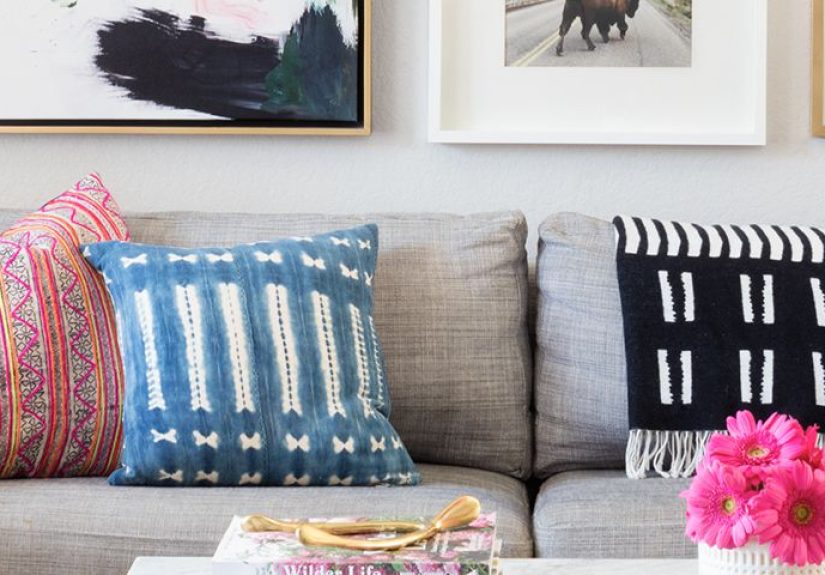
Textiles are the fastest way to change a room’s mood. Swap pillow covers, add a textured throw, or upgrade curtains. The secret is layering:
mix at least two textures (like linen + knit, velvet + cotton, boucle + canvas). Keep patterns in the same color family so the look is rich, not rowdy.
Specific example: a neutral sofa becomes instantly styled with two solid pillows, one subtle pattern pillow, and a chunky throw. Add curtains that “kiss”
the floor and suddenly the room looks taller and more finished.
2) Renter-Friendly Walls: Removable Wallpaper, Decals, and Fabric
If your walls feel like a blank office cubicle, you don’t need a full repaint to fix it. Removable wallpaper (especially peel-and-stick) can create an
accent wall behind a bed, a desk, or a dining nook. Wall decals and large fabric hangings are also easy wins.
Pro tip: use removable treatments on one “feature” wall so the room doesn’t feel busy. If pattern scares you, choose a texture look (grasscloth style,
linen look, or subtle stripes) that reads as sophisticated from across the room.
3) The Gallery Wall That Looks Intentional (Not Accidental)
A gallery wall is basically a personality collagedone right, it adds depth and a focal point. The mistake people make is “hanging-as-they-go.”
Instead:
- Pick a theme: family photos, black-and-white prints, travel art, botanical sketches, or mixed media.
- Unify frames: all black, all wood, or a controlled mix (two finishes max).
- Plan on the floor first: arrange layouts before committing to the wall.
For renters, look for damage-free hanging options and keep the weight light. If you’re hanging something heavy or valuable, ask an adult for help and
follow the product instructions carefully.
4) Thrift-Flip Decor: Frames, Lamps, and “Almost Good” Finds
Thrift flips are where DIY home decor gets addictive. The goal is not to buy random stuffit’s to buy good shapes with bad styling.
Look for:
- Solid wood frames (even if the art is… questionable).
- Ceramic vases with classic silhouettes.
- Mirrors with interesting edges.
- Lamps with sturdy bases (shade can be replaced).
A simple refreshcleaning, swapping a shade, adding new art printscan make a thrifted piece look high-end. Focus on form first, finish second.
5) DIY Art That Doesn’t Scream “I Panicked at the Craft Store”
Large wall art is expensive, which is why DIY art is a hero project. The easiest approach is to keep it simple and oversized:
- Abstract color blocks in your palette.
- Minimal line art (black on white looks clean and modern).
- Textural art using layered paper, fabric, or lightweight materials.
The key is restraint. Limit yourself to 2–3 colors, repeat the palette elsewhere in the room, and your DIY art will look like a “choice,” not a “phase.”
6) Seasonal Decor That Isn’t a Storage Nightmare
You can make your home feel fresh seasonally without owning 47 bins of holiday stuff. Choose one seasonal moment:
a wreath, a centerpiece, or a set of textiles (like cozy throws in winter). Paper-based decor can look beautiful, but keep it away from heat sources and
open flames. Safety first, sparkle second.
Example: a simple handmade bow on a mantel, a bowl of pinecones, or a coffee-table tray with seasonal greenery instantly updates the room without clutter.
7) Styling Trays and “Vignettes” Like a Pro
Designers love vignettes because they make everyday stuff look curated. Use the “rule of three”:
something tall, something medium, something small. Add a tray to contain the chaos, and suddenly your coffee table is “styled” instead of “where I put
my things.”
A reliable formula: tray + small stack of books + candle (or flameless light) + a natural element (plant, bowl of stones, vase).
8) Mirror Magic: Bounce Light, Fake Space
Mirrors make rooms feel larger and brighter by reflecting light. Place one opposite a window or near a lamp to amplify the glow. Even a small mirror in
an entryway can make it feel more welcoming.
If you’re thrifting, look for a mirror with a great shape. If it feels dated, you can update the styling around it (or pair it with modern decor) so it
reads intentional.
9) Hardware Swaps: Tiny Change, Surprisingly Fancy
Changing knobs and pulls can make furniture or cabinets feel new. In a rental, save the original hardware in a labeled bag so you can put it back later.
Choose a finish that matches your style lane: warm brass for cozy/classic, matte black for modern, brushed nickel for timeless.
10) Entryway Upgrades: The “Welcome Home” Zone
The entry is where clutter goes to multiply. A small DIY upgrade here makes your whole home feel more organized:
- Drop zone: bowl or tray for keys.
- Hooks: for bags and jackets (use renter-friendly options if needed).
- Runner: adds warmth and protects floors.
- Mirror: practical and brightening.
Even if you don’t have a real “entryway,” you can create one with a narrow shelf, a small rug, and a wall hook system.
11) Lighting Layers: The Cozy Upgrade Everyone Feels
If your room is lit like a dentist office, no amount of cute decor will save it. Good lighting has layers:
overhead (general), task (reading/working), and accent (warm glow).
The safest DIY approach: add lamps, upgrade shades, and use warm-toned bulbs. Avoid DIY electrical work unless a qualified adult or professional is
involved.
12) Plants and Greenery: The Instant “Lived-In” Look
Real plants add texture, color, and lifeplus they make everything around them look more stylish by association. If you’re new to plants, choose
low-maintenance options and put them in simple planters that match your palette.
Styling tip: group plants in odd numbers (3 is a sweet spot) with varying heights for a layered look.
Renter-Friendly DIY Home Decor Rules (So You Keep Your Deposit)
If you rent, you can still decorate beautifullyjust be strategic:
- Go removable first: peel-and-stick wallpaper, removable hooks, and lightweight art.
- Upgrade what you can undo: hardware swaps, rugs, curtains, lighting (non-electrical changes), and furniture arrangement.
- Patch like a grown-up: tiny holes are often easy to repair, but always follow your lease and ask before making big changes.
The renter win is focusing on furnishings and styling more than permanent construction. You can make a rental feel custom with the right layers.
Common DIY Decor Mistakes (And How to Fix Them Fast)
Mistake: Too many small items, not enough anchors
Fix: add one larger statementan oversized art piece, a big plant, a bold rug, or full-length curtains. Big items calm the visual noise.
Mistake: Everything is the same texture
Fix: add contrast. Pair smooth ceramics with woven baskets, add a knit throw, swap one glossy surface for something matte.
Mistake: “Matchy-matchy” everything
Fix: choose coordination over duplication. Repeating a color is great. Copy-pasting the same pattern everywhere makes the room feel like a showroom.
Mistake: Decorating without measuring
Fix: measure key spaces (wall width, sofa length, rug zone) before buying or making anything. A little measuring saves a lot of returns and frustration.
Safety and Comfort: The Part That Makes DIY Sustainable
DIY home decor should feel funnot risky. Keep projects comfortable and safe:
- Ventilate if you’re using paint, adhesives, or cleaners.
- Protect surfaces with drop cloths or cardboard.
- Ask for adult help with ladders, heavy objects, power tools, glass, or electrical items.
- Keep flammable decor away from heat and avoid open flames near paper or fabric pieces.
Conclusion: Your Home, But Better (And Still You)
The best DIY home decor isn’t about copying a perfect showroom. It’s about making your space feel personal, comfortable, and pulled together.
Start with a simple color plan, pick one high-impact upgrade, and then layer in smaller touches that repeat your palette and textures.
Do that consistently, and your home will look “designed”even if your “design team” is just you, a weekend, and a mildly judgmental measuring tape.
DIY Home Decor Experiences: Real-World Lessons That Make Projects Easier (Extra )
People love DIY home decor because it feels empoweringlike, “Look at me, I made my living room nicer with my own hands.” But the stories DIYers tell
after the fact tend to sound less like a victory speech and more like a comedy special with a few helpful lessons. Here are experience-based patterns
that show up again and again (shared widely by DIY communities, home editors, and everyday decorators), plus what they teach you.
Experience #1: The “I bought everything at once” mistake. A common first-time approach is to grab a cart full of decorpillows,
candles, art, basketsthen wonder why the room still feels off. The lesson most DIYers learn is that rooms need anchors. One person might
finally add a larger rug or full-length curtains and suddenly the space clicks. It’s not that the small decor was wrong; it just didn’t have a strong
foundation to support it. The fix is to upgrade one “big visual” first, then decorate around it.
Experience #2: The “my gallery wall looks chaotic” saga. Many people start with a cute frame, then add another, then another, and
end up with a wall that looks like a puzzle missing pieces. The DIY lesson: planning is not optional. DIYers who love their final gallery walls almost
always planned the layout firston the floor, with paper templates, or by sticking to a strict frame color. The big takeaway is that creativity works
better with a few rules. Give yourself a theme and a palette, and the wall will look intentional even if the art styles vary.
Experience #3: The “peel-and-stick is easy… until it isn’t.” Removable wallpaper has a huge fan club, but lots of DIYers admit the
first attempt can be frustratingespecially if the wall isn’t clean, smooth, or the pattern requires careful alignment. The lesson is prep:
wiping down walls, smoothing as you go, and choosing a smaller accent area for your first try makes a big difference. Another lesson: not every DIY
needs to cover a whole room. One wallpapered panel behind shelves or a headboard wall can deliver the wow-factor with less stress.
Experience #4: The “thrift flip glow-up” victory. A classic story: someone finds a lamp base with a great shape but a dated finish,
swaps the shade, and styles it next to a stack of books and a plant. Suddenly it looks boutique. DIYers learn that “expensive-looking” usually means
simple silhouettes, cohesive colors, and fewer competing patterns. The most successful thrift flips focus on form first, then clean styling
choices.
Experience #5: The “lighting changed everything” surprise. People often don’t realize how harsh overhead lighting can be until they
add a table lamp and feel the room instantly soften. The lesson: cozy isn’t just decorit’s light temperature, shadows, and layers. DIYers who add warm
lighting, a textured throw, and one oversized art piece often say it was the most dramatic change for the least effort.
The biggest shared experience across DIY home decor stories is this: your home doesn’t need a hundred projects. It needs a few smart choices repeated
consistentlycolor, texture, and a focal point. Start small, learn fast, and let each project teach you what your space actually needs next.







 Close
Close