
Table of Contents >> Show >> Hide
- The short answer
- Why allergies happen (and why your body is being dramatic)
- How masks can reduce allergy symptoms
- Which type of mask works best for allergies?
- When masks help the most during allergy season
- What masks can’t do (so you don’t overpromise to yourself)
- How to wear a mask for allergies (so it actually works)
- Extra allergy strategies that pair perfectly with masks
- FAQ: Quick answers people actually want
- Conclusion: So… should you wear a mask for allergies?
- Experience Corner: What it feels like when masks meet allergy season (500-ish words)
If springtime makes you feel like your nose is auditioning for a faucet commercial, you’ve probably asked this
question while staring down the pollen forecast like it owes you money: Do face masks help with allergies?
Spoiler: yesoften more than you’d thinkbut not in a magical “I am now immune to nature” way.
Masks can reduce how much pollen, dust, and other airborne irritants you inhale. The right mask, worn the right way,
can mean fewer sneezes, less congestion, and a better chance of enjoying the outdoors without sounding like you’re
beatboxing through a tissue.
The short answer
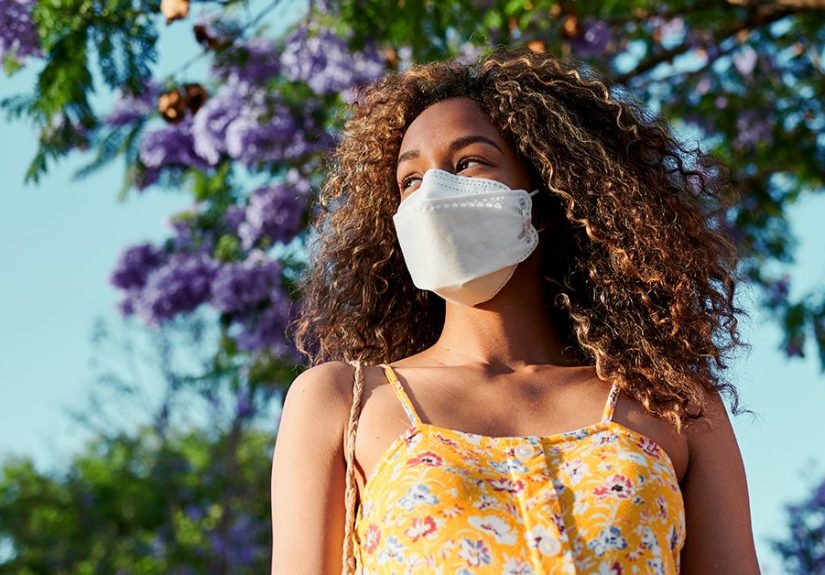
Yes, face masks can help with allergiesespecially outdoor allergies like pollenbecause they
physically block particles before they reach your nose and mouth. Higher-filtration masks (like N95s) tend to work
better than loose cloth coverings. That said, masks won’t protect your eyes (hello, itchy misery), and they won’t
fix the underlying allergy response your immune system insists on launching like it’s defending the realm.
Why allergies happen (and why your body is being dramatic)
Seasonal allergies (allergic rhinitis, aka hay fever) occur when your immune system mistakes harmless particles
(like pollen) for a threat. The body releases chemicals like histamine, and you get the classic trio:
sneezing, runny/stuffy nose, and itchy/watery eyes. The goal is simple: reduce exposure to triggers.
That’s where masks come in as a tiny, wearable “nope” sign for airborne particles.
How masks can reduce allergy symptoms
1) They block particles before you breathe them in
Pollen grains are relatively large compared with many other airborne particles, which makes them easier to block.
A mask creates a barrier that can lower how much pollen reaches your nasal passages and throatoften where symptoms
start (or where they move in and start redecorating).
2) They may calm an irritated nose by changing the air you breathe
Some allergy specialists note that masks can make inhaled air warmer and more humid. That can reduce irritation and
dryness in the nasal lining for certain people, which may translate to fewer “my nose is angry at oxygen” moments.
3) They help with more than pollen
Depending on the mask type, they may also reduce exposure to other airborne irritants that can worsen symptoms,
such as dust from yard work, mold spores, or fine particles from smoke and pollution. (Important nuance: a mask that
filters particles is not the same as one designed to protect against gases or chemical vapors.)
Which type of mask works best for allergies?
Not all masks are created equal. Some are basically a helpful barrier. Others are more like a bouncer with a strict
guest list.
N95 (and other NIOSH-rated respirators)
For allergy sufferers who want the most protection from airborne particles, an N95 respirator
(or similar NIOSH-rated filtering facepiece respirator) is typically the top choice. “N95” refers to a filtration
class that must meet performance testing standards for particle filtration. In real life, that translates to:
very good at filtering airborne particlesespecially when it fits well and seals around the face.
- Best for: mowing the lawn, gardening, raking leaves, windy high-pollen days, wildfire smoke haze
- Watch-outs: fit matters; facial hair can break the seal; can feel warm during summer yard work
KN95 / KF94 (common consumer alternatives)
If you can’t find or don’t want an N95, a well-made KN95 or KF94 can still be helpful for pollen
and dust. These are regulated under different standards than NIOSH-approved N95s, so quality can vary by brand.
The key is a snug fit and good filtration material.
Surgical masks
A standard surgical mask can help reduce exposure to larger particles, including some pollen and dustespecially
compared with no mask at all. But because surgical masks are typically looser around the edges, more unfiltered air
can sneak in (like pollen trying to get into a concert without tickets).
Cloth masks
Cloth masks vary wildly based on fabric, layers, and fit. Some may offer modest help with pollen, but many are not
optimized for filtration. If cloth is your only option, multiple layers and a close fit generally help.
When masks help the most during allergy season
Outdoor chores and yard work
Cutting grass, raking leaves, weeding, and sweeping patios can fling allergens into the air and keep them there.
This is the “mask sweet spot,” especially if you’re allergic to grass or trees and you’re doing the exact activity
that launches your triggers like confetti.
High pollen-count days
If the pollen forecast is screaming “today is not your day,” a mask can reduce what you inhale while you’re out.
Pair it with other exposure-reducing habits (more on that below), and you’ll stack the odds in your favor.
Windy days
Wind doesn’t just ruin hairit keeps pollen suspended and spreads it farther. A mask can be surprisingly helpful
on gusty days when you’d otherwise feel like you swallowed a meadow.
Smoke and particle pollution days
If you have allergies plus asthma, or allergies plus a deep hatred of breathing smoky air, a high-filtration mask
can reduce exposure to fine particles that irritate airways. This matters during wildfire smoke events and poor air
quality days. (Again: particle filtration is what masks do best; they’re not designed for all types of airborne hazards.)
What masks can’t do (so you don’t overpromise to yourself)
They won’t stop itchy eyes
Most seasonal allergy sufferers have eye symptoms because pollen lands directly on the eyes or triggers nearby
tissues. A mask doesn’t cover your eyesso you may still tear up like you just watched the ending of a very sad movie.
Consider wraparound sunglasses outdoors on high-pollen days.
They won’t eliminate indoor allergies by themselves
If your problem is dust mites, pet dander, or indoor mold, a mask can help during cleaningbut it won’t replace
home strategies like HEPA filtration, humidity control, and consistent cleaning habits.
They won’t replace medication or allergy care
Masks help reduce exposure, but they don’t change your immune system’s tendency to overreact. If symptoms are
persistent or severe, evidence-based treatments like antihistamines, nasal steroid sprays, and allergist-guided
plans (including immunotherapy for some people) are still the heavy hitters.
How to wear a mask for allergies (so it actually works)
Fit is the whole game
The best filter in the world won’t help much if air is leaking around the edges. A snug fit around the nose and
cheeks matters. If your mask has a nose wire, shape it. If you’re wearing a respirator-style mask, do a quick seal
check each time you put it on.
Don’t turn it into a pollen sponge
Masks can collect particles. If you wear a reusable mask outdoors during high pollen, treat it like clothing that
just went to a pollen party: it needs cleaning. Wash reusable masks regularly, and don’t leave them sitting in your
car for a week like a forgotten gym towel.
Time it strategically
You don’t necessarily need to wear a mask every time you step outside. Consider it for:
yard work, long walks during high pollen, outdoor exercise,
and windy days. If your symptoms spike predictably, you’ve just found your “mask moments.”
Extra allergy strategies that pair perfectly with masks
Shower and change clothes after being outside
Pollen clings to hair, skin, and fabric. A quick shower and fresh clothes can reduce ongoing exposure indoors
especially before bed (because you deserve a pillow that isn’t lightly seasoned with ragweed).
Keep windows closed when pollen is high
Fresh air is wonderful until it’s carrying microscopic troublemakers. Using air conditioning and keeping windows
closed during peak pollen periods can reduce indoor exposure.
Use HEPA filtration
A properly sized HEPA air cleaner can reduce airborne particles indoors. This is particularly helpful if you’re
sensitive to multiple triggers or you want one room (like your bedroom) to be an allergy “safe zone.”
Start meds early if you have predictable seasonal symptoms
Many clinicians recommend starting preventive allergy medications before your usual symptom window begins.
If you wait until symptoms explode, you’re playing catch-up with histaminean opponent who never gets tired.
FAQ: Quick answers people actually want
Do masks help with hay fever?
Often, yes. Hay fever symptoms can improve when you reduce pollen exposure. A well-fitting mask can decrease the
amount of pollen you inhale, especially during outdoor activities.
Is an N95 overkill for pollen?
Not if your symptoms are significant or you’re doing high-exposure activities like mowing or gardening. For casual
errands, you may not need itbut for “I’m about to wrestle the lawn” situations, it can be a smart move.
Can masks make breathing harder if I have asthma?
Many people with mild or well-controlled asthma can wear masks without major issues, but comfort can vary.
If you have severe asthma or feel short of breath, consult your clinician for personalized guidance.
What about kids and masks for allergies?
For children, comfort and fit matter even more. Some respirators may not fit children properly. A well-fitting,
age-appropriate mask can still reduce pollen exposure during outdoor play or sports, but talk with a pediatrician
if your child has asthma or frequent breathing issues.
Conclusion: So… should you wear a mask for allergies?
If your allergies are triggered by what’s floating in the airespecially pollena mask can be a practical,
low-effort tool to reduce exposure. It shines during yard work, windy days, and high pollen periods.
The best results come from choosing a mask with solid filtration (often an N95-style respirator), getting a good fit,
and combining it with other allergy habits like showering after outdoor time and keeping indoor air cleaner.
Think of a mask like an umbrella: it won’t stop the weather, but it can keep you from getting drenchedespecially
if you actually open it and don’t hold it sideways.
Experience Corner: What it feels like when masks meet allergy season (500-ish words)
Allergy advice can sound clean and tidy on paper, but real life is messy. So here are a few “this is how it usually
goes” experiencesbased on common patterns allergy sufferers reportso you can recognize yourself and plan smarter.
The Lawn-Mowing Test: When you learn your nose has opinions
Plenty of people discover the mask-allergy connection the first time they mow the lawn on a high pollen day. Without
a mask, you might finish the job feeling triumphant… until the sneezing starts like a percussion solo. With a snug,
high-filtration mask, many notice the “post-mow meltdown” is muted: less throat scratch, fewer sneezes, and less
congestion later. The funny part? You may still look like a champion while your eyes are watering, because masks
don’t cover eyeballs (yet).
The Commuter’s Surprise: Pollen doesn’t respect your schedule
Some people who walk to transit or bike to work notice that a mask can take the edge off morning symptoms
especially on windy days when pollen is floating like invisible glitter. The benefit is often subtle: fewer mid-ride
sneezes, less “why is my nose suddenly a drama queen?” energy. The downside is also real: if the mask is warm and the
day is humid, you might feel like your face is living in a tiny sauna. Many end up saving the mask for peak days
rather than wearing it nonstop.
Spring Cleaning Reality: Dust has been waiting for you
Indoor allergies can flare when you disturb dust, pet dander, or old debris during cleaning. People often report
that wearing a mask while vacuuming, dusting, or shaking out rugs helps reduce immediate irritation. It’s not
glamorous, but it’s effective. The “experience lesson” is simple: cleaning is great, but don’t inhale the evidence
that you cleaned. Pair a mask with damp dusting and a vacuum with good filtration, and your sinuses are less likely
to file a formal complaint.
The Outdoor Workout Compromise: Better breathing, different discomfort
Runners and walkers with seasonal allergies sometimes try masks during high pollen days. Many find that a breathable,
well-fitting mask reduces the “scratchy throat + nonstop sniffing” combo. Others realize that sweat + mask equals a
damp face situation, and they would rather adjust timing (like going out later in the day) than mask up mid-run.
In practice, the best approach is often flexible: mask when symptoms are spiking, skip when conditions are calm, and
keep it in your pocket like an allergy seatbelt.
The “Wait, My Mask Smells Like the Outdoors” moment
A surprisingly common experience: you take off a reusable mask after being outside and realize it’s basically a
souvenir from the pollen festival. People who get the most benefit from masking often adopt a simple routine:
separate “outdoor masks,” wash them regularly, and avoid re-wearing yesterday’s pollen collector. It’s not about
perfection; it’s about not reintroducing allergens to your face on the next outing.
Bottom line from the experience side: masks tend to help most when you use them strategicallyduring high exposure
and when you combine them with practical habits that reduce pollen hitchhiking into your home.






 Close
Close