
Table of Contents >> Show >> Hide
- The Short Version: What You Should Believe
- Why the “Spinning Head = Real” Idea Took Off
- What Actually Makes a Legit Labubu Look Legit
- So… Can Fake Labubus Have Moving Heads Too?
- What if a Real Labubu Doesn’t Feel Perfect?
- How to Authenticate a Labubu Step by Step
- Red Flags That Should Make You Pause
- Does Head Spin Matter at All?
- Collector Experiences: What People Actually Notice in the Wild
- Final Verdict
- SEO Tags
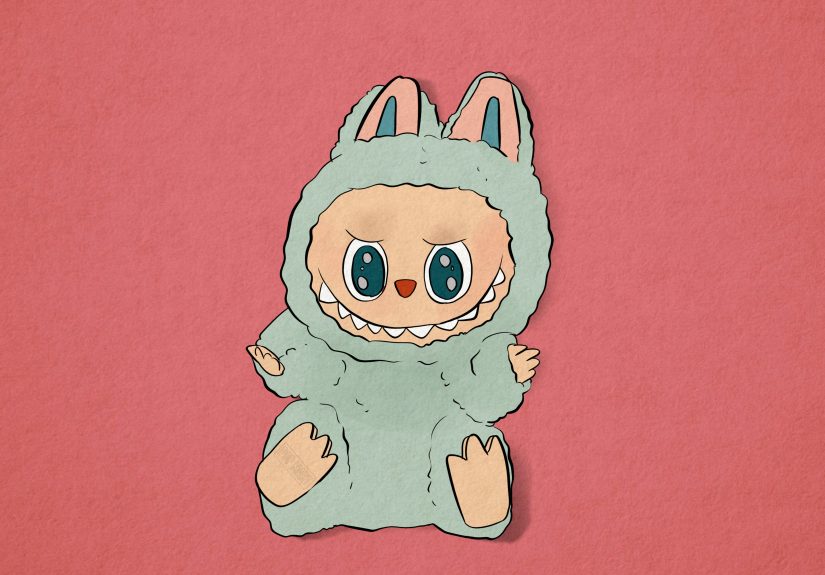
If you bought a Labubu, gave its head a little twist, and suddenly felt like you were defusing a toy-sized mystery bomb, welcome to the club. Few collectibles invite as much over-analysis as Labubu. One second you are admiring a fuzzy little chaos goblin clipped to your bag; the next, you are squinting at its teeth, checking its feet, scanning a code, and wondering whether a rotating head means you scored the real thing.
Here is the short answer: a turning or rotating head can show up on some Labubu releases, especially figures with hard vinyl construction or vinyl-faced design elements. But no, that alone does not prove the toy is authentic. A spinning head is a clue at best, not a certificate. In the world of Labubu authenticity, one physical feature never tells the whole story.
That matters because Labubu is no longer just a niche designer toy. It is a full-blown collectible phenomenon, which also means the counterfeit market has exploded right along with the fandom. Once a toy becomes trendy enough to inspire waitlists, reseller markups, unboxing drama, and safety warnings about knockoffs, the old “just eyeball it” method stops being a serious strategy.
So let’s answer the real question behind the viral debate: Do Labubu heads spin? Sometimes, yes. Does that mean it’s legit? Not by itself. If you want to know whether your Labubu is real, you need to look at the full picture, from the anti-counterfeit code to the paint quality to the seller you bought it from. Think of head rotation as a fun detail, not the toy equivalent of a passport stamp.
The Short Version: What You Should Believe
If your Labubu’s head turns, that is not automatically suspicious. It is also not automatic proof of authenticity. The smarter approach is to treat movement as one small observation and then verify the toy using stronger signals:
- official anti-counterfeit or QR verification
- authorized retail source
- correct branding and packaging
- clean facial paint and quality materials
- the expected number of teeth
- foot stamps, logos, and edition-specific details
In other words, the head-spin question is understandable, but it is not the final boss of authentication. It is more like level two. Annoying, interesting, and very easy to overrate.
Why the “Spinning Head = Real” Idea Took Off
Collector culture loves fast rules. Social media loves them even more. “Count the teeth.” “Check the stamp.” “Twist the head.” These mini-tests spread because they are simple, visual, and satisfying. They make people feel like they can spot a fake in ten seconds while standing in a mall, on a livestream, or next to a reseller table that smells faintly of chaos and bubble wrap.
The problem is that collectibles rarely work that neatly. Real products can vary slightly by release, material, and manufacturing run. Counterfeits, meanwhile, are getting better at copying the obvious stuff. That is why a single viral test can be helpful as a starting point but risky as a final judgment.
With Labubu, the myth got extra traction because buyers were desperate for shortcuts. Authentic dolls and blind boxes became harder to get, resale prices jumped, and fakes flooded the market. The moment scarcity meets confusion, rumor becomes a hobby of its own.
What Actually Makes a Legit Labubu Look Legit
1. The anti-counterfeit code matters more than the neck joint
If you remember only one thing from this article, make it this: the official authenticity check matters more than whether the head turns. Pop Mart’s own guidance focuses on self-service verification through its anti-counterfeit system. That means your best evidence is not a twist test. It is the product’s official authentication path.
If your box or tag includes the expected verification feature and the scan resolves properly through Pop Mart’s official process, that is far more meaningful than any rumor from TikTok, Reddit, or the cousin of a reseller who “knows a guy.” The head might move. The head might feel stiff. The code still outranks the vibes.
2. Count the teeth before you count your blessings
One of the most repeated authenticity markers for Labubu is the tooth count. Authentic Labubu figures are widely described as having nine teeth. That does not mean every fake will have eleven, six, or a tiny dental catastrophe, but the tooth count is a far more useful clue than random movement alone.
Look closely at the mouth. The teeth should be sharp, evenly placed, and intentional-looking, not like someone sculpted them during a sugar rush. If the grin looks sloppy, uneven, or just plain confused, keep checking other details.
3. Check the feet, logos, and stamps
Collectors and shopping guides commonly point to markings on the feet as another strong signal. Real Labubu releases are associated with proper Pop Mart branding and creator-related foot markings. Newer editions may also include extra security features, such as holographic elements, QR functionality, or a subtle UV mark on one foot depending on the model and release period.
This is why authentication is a package deal. Teeth, feet, code, branding, print quality, materials, and seller source should all line up. A real collectible usually looks coherent. A fake often feels like it studied for the exam but forgot half the answers.
4. Facial paint and fur quality tell on the fakes
When people compare real Labubus with counterfeits, they often point to the finish. Authentic ones tend to have cleaner paint, better-blended blush, more polished eye placement, and better material quality overall. Fur texture can also be revealing on plush-based or pendant styles. The fake versions often miss the mark with coarse fur, off-tone skin, weirdly loud colors, or that unmistakable “I was assembled in a hurry and I know it” energy.
For vinyl-faced versions, the brow, eyes, and cheek color should look crisp rather than muddy. For plush bodies, stitching and attachment points should look deliberate rather than accidental. If the toy looks like it lost a fight with a hot glue gun, do not let the spinning head sweet-talk you.
5. Packaging is part of the product
Real collectible packaging usually shows discipline. You want clear Pop Mart branding, sharp printing, correctly spelled text, proper color matching, and the expected labels or verification markers. Counterfeits often stumble here. Misspellings, dull stickers, low-resolution print, flimsy materials, or inconsistent branding are all red flags.
Packaging may sound boring, but it is one of the best ways to catch a fake before you even examine the toy itself. Counterfeiters can imitate the silhouette. They often struggle more with consistency.
6. Seller source is not a side note
Where you bought the Labubu matters. Official Pop Mart channels, trusted retail partners, and strong authentication platforms are safer than random listings with suspiciously low prices and photos taken from another galaxy. If a seller cannot show the box, the code, the branding, and clear close-up photos, that is not mysterious. That is a warning.
Discounts alone do not prove a fake, but “too good to be true” pricing deserves side-eye. In a hot collectible market, wildly cheap inventory usually comes with a reason. And that reason is rarely “the seller simply believes in giving back.”
So… Can Fake Labubus Have Moving Heads Too?
The safest answer is this: you should never assume that one visible feature is impossible for a counterfeit to copy. That is exactly why the “Does the head spin?” question is not strong enough on its own. Counterfeit products succeed by mimicking easy-to-spot traits. If buyers rely on a single trick, fake makers adapt to that trick.
That is why experienced buyers treat head movement as background information, not courtroom evidence. Even if the head rotates, the toy still has to pass the more reliable checks: proper code verification, correct teeth, expected markings, strong print quality, and legitimate seller history.
What if a Real Labubu Doesn’t Feel Perfect?
Here is where people get stuck. They assume “real” means flawless. Collectibles are mass-produced objects with design complexity, mixed materials, and shipping stress. A real Labubu can still arrive with minor paint variance, a tighter joint, packaging wear, or tiny finish differences that send collectors into dramatic internal monologues.
That does not mean you should ignore obvious red flags. It just means authenticity should be judged holistically. If the code checks out, the branding is right, the teeth are right, the feet are right, the paint is good, and the seller is legitimate, then a stiff head or slightly different feel is not instant proof of a fake.
In short: suspicious does not always mean counterfeit, and rotating does not always mean genuine. Welcome to modern collectible culture, where certainty is expensive and magnifying glasses are basically emotional support tools.
How to Authenticate a Labubu Step by Step
- Start with the seller. Official Pop Mart channels and reputable verification platforms are your safest bet.
- Inspect the packaging. Look for clean branding, correct spelling, quality printing, and expected security elements.
- Use the anti-counterfeit check. Scan or verify through Pop Mart’s official system when available.
- Count the teeth. Authentic Labubu is associated with nine teeth.
- Check the feet and logos. Look for the expected foot markings and brand identifiers.
- Study the face. Eyes, blush, and paint lines should look sharp, not messy.
- Evaluate build quality. Fur, stitching, molding, and finishing should feel intentionally made.
- Then consider movement. If the head turns, fine. If it does not, keep the judgment tied to the stronger evidence above.
Red Flags That Should Make You Pause
- price is dramatically below normal market value
- seller avoids showing the box, tag, or code
- packaging has misspellings or muddy print
- teeth count is wrong
- paint looks uneven or colors are overly bright
- fur looks cheap, rough, or oddly attached
- feet lack the expected marks or look poorly finished
- the toy “sort of” resembles Labubu but also looks like it has seen things
Does Head Spin Matter at All?
Yes, but only in a limited way. It can help you understand how your specific toy is built. It can also tell you whether a joint is free-moving, stiff, or decorative. What it cannot do is replace proper authentication.
Think of it like checking whether a car door opens smoothly. Useful? Sure. Proof that the car is authentic, legal, and exactly what the seller claimed? Absolutely not. A spinning head may be normal. It may be absent. Neither outcome should override better evidence.
Collector Experiences: What People Actually Notice in the Wild
One reason the head-spin debate never dies is that real collector experiences are messy. Some buyers get their first Labubu straight from Pop Mart, open the box, twist the head a little, and panic because they were not expecting movement. Others buy from resale, notice the head does not turn as easily as they thought it would, and immediately assume they have been scammed. In both cases, the same mistake shows up: people want one easy answer from one physical detail.
But real-world buying experiences tend to be more complicated than that. A lot of collectors first learn about authenticity the hard way, after staring at product photos for an hour and realizing every listing claims to be “100% real,” “factory authentic,” or “rare limited genuine no box maybe.” That chaos pushes people to invent fast rules. The spinning-head question becomes attractive because it feels immediate. No apps, no codes, no deep dive into packaging fonts. Just twist and judge. If only collectibles were that polite.
What buyers often report instead is a whole pattern of impressions. The fur feels better on authentic plush styles. The face paint looks cleaner. The eyes sit more naturally. The blush is softer and better blended. The box printing looks crisp instead of slightly haunted. Even before scanning a code, many experienced collectors say authentic pieces feel more cohesive. Nothing is screaming for attention because everything is working together.
Then there is the buying process itself, which has become part of the Labubu experience. For many fans, getting a real one through official channels can feel like a mini sport. You track drops, refresh pages, fight digital crowds, maybe lose, maybe win, and finally end up with a little fuzzy monster that now carries the emotional weight of a championship ring. That effort changes how people think about legitimacy. A legit Labubu is not only the product. It is also the purchase path, the proof of source, and the confidence that comes from knowing exactly where it came from.
On the resale side, the experience is different. Buyers tend to become detectives. They ask for extra photos, zoom in on the mouth, compare the feet, inspect stickers, and study whether the seller sounds knowledgeable or suspiciously vague. This is where the head-spin myth tends to show up most often, because resale buyers are looking for shortcuts under pressure. Unfortunately, shortcuts are exactly what counterfeit-heavy markets punish.
The most useful real-world lesson is simple: people who feel best about their purchase usually rely on multiple checks, not one. They verify the code, inspect the packaging, compare known details, and use seller credibility as part of the equation. The people who rely on one viral trick are the ones most likely to spiral. So yes, test the head if you are curious. Just do not let it become the whole case. Your Labubu deserves a fair trial.
Final Verdict
Do Labubu heads spin? On some releases, yes, that kind of movement can be normal. Does that mean the toy is legit? No. A spinning head is not proof of authenticity any more than a nice smile proves someone is trustworthy. Helpful? Maybe. Decisive? Not even close.
If you want to know whether your Labubu is real, trust the stronger indicators: official anti-counterfeit verification, authorized sellers, correct packaging, proper branding, nine teeth, expected foot details, and solid overall quality. The more of those signals line up, the more confident you can be.
So the next time someone tells you, “Don’t worry, the head spins, so it’s real,” feel free to smile politely and keep investigating. In the age of Labubu and Lafufu, the smart collector does not stop at the neck.





 Close
Close