
Table of Contents >> Show >> Hide
- Why Ikea + Cane Is Such a Perfect Match
- Tools, Materials, and Cane Basics
- 8 Easy Ikea Hacks with Cane (Step-by-Step Ideas)
- 1. Besta Woven Cane Storage Console
- 2. Ivar Cane Cabinet for a Cozy, Earthy Look
- 3. Rast Cane Nightstands for an Instant Bedroom Upgrade
- 4. Billy Bookcase with Cane Door Inserts
- 5. Malm Dresser with Cane Drawer Fronts
- 6. Pax Closet Doors with Cane Panels
- 7. Lack Side Table with Cane Shelf
- 8. Woven Rattan Plant Stand or Bench Using Basic Ikea Stools
- Styling Tips for Ikea Cane Hacks
- Care, Maintenance, and Longevity
- Real-World Experiences: What You Learn After a Few Cane Ikea Hacks
- 1. Soaking cane is not optional
- 2. Staple placement matters more than you think
- 3. Cutting straight openings is scarier in your head than in reality
- 4. Small upgrades compound into a big transformation
- 5. Cane hacks are renter-friendly (with a little planning)
- 6. The joy factor is real
- 7. You don’t have to chase perfection
- Conclusion
If you’ve ever walked through Ikea thinking, “This would look amazing… if it didn’t scream Ikea,” cane webbing is about to become your new best friend. Adding woven rattan panels to budget-friendly flat-pack pieces is one of the easiest ways to fake that high-end designer look without taking out a second mortgage or selling a kidney on Facebook Marketplace.
Across current interior design trends, natural textures like rattan, cane, and matchstick blinds are everywhere, from designer showrooms to celebrity homes. Designers love them because they add warmth, depth, and a subtle coastal or boho vibe, especially when paired with relaxed, “lived-in” interiors. Cane and rattan furniture are also praised as lightweight, versatile, and timelessequally at home in modern, Scandinavian, boho, or even traditional spaces.
The best part? You don’t need a workshop or advanced woodworking skills. Cane webbing is surprisingly forgiving: soak it, stretch it, staple it, and suddenly your once-basic cabinet looks like it came from a boutique design studio. DIYers have been transforming everything from Ikea Besta TV units to Ivar cabinets and Rast nightstands with cane door fronts and panels.
In this guide, we’ll walk through eight easy Ikea cane hacks, plus practical tips on tools, styling, and real-world lessons from people who’ve actually done these projects. Get ready to turn flat-pack into “How is that Ikea?”
Why Ikea + Cane Is Such a Perfect Match
1. On-trend, but not trendy
Rattan and cane have cycled in and out of fashion since the 1970s, but current interiors show they’re firmly backand in a more refined, modern way. Think slim profiles, clean lines, and cane panels instead of bulky brown “grandma” sets. Articles on 2025 and 2026 interior trends highlight natural materials like cane and rattan as go-to ways to introduce warmth, texture, and authenticity into a space.
Ikea pieces are usually minimalist and boxyessentially blank canvases. When you add woven cane to all that smooth particleboard or pine, the contrast instantly feels designer: solid + airy, sleek + organic.
2. Budget-friendly upgrades with big impact
DIYers regularly report that a roll of cane webbing and a few basic supplies can completely transform a TV console or dresser for a fraction of the price of a new furniture piece. One cane TV stand makeover clocked in at around $30 for the cane and edging materials, taking an older Ikea media console from “fine” to “Pinterest-worthy.”
Compared with buying a high-end cane sideboard or cane-paneled dresser, hacking Ikea lets you get the look for a small portion of the costespecially useful if you’re decorating an entire room or apartment.
3. Light, airy, and small-space friendly
Cane’s open weave visually lightens heavy furniture, which is perfect for apartments and small spaces. Designers often recommend rattan and cane to make spaces feel airy and fresh without resorting to all-white everything. When you add cane doors to a solid Ikea cabinet, you reduce the visual bulk while still hiding clutter behind the panels. Win–win.
4. Works with multiple styles
Whether your home leans mid-century, Scandinavian, boho, cottagecore, or a mix of everything, cane fits right in. Design guides show cane and rattan successfully used in minimalist Nordic interiors, mid-century modern rooms, and layered eclectic spaces. That makes Ikea cane hacks a safe long-term upgradethey’re unlikely to clash when you inevitably change your rug for the third time this year.
Tools, Materials, and Cane Basics
Before we get into the eight specific Ikea cane hacks, let’s cover the essentials you’ll need for almost every project.
- Pre-woven cane webbing (often called “cane webbing” or “radio weave” depending on the pattern)
- Bucket or tub for soaking the cane
- Staple gun and staples, or brad nails
- Scissors or utility knife
- Clamps (optional but helpful for stretching)
- Measuring tape and pencil
- Sandpaper or sanding block
- Optional: trim or caning spline to hide stapled edges
Most DIY tutorials recommend soaking cane webbing in warm water for 20–30 minutes before using it. This softens the fibers so you can stretch the material snug across doors or panels; as it dries, it tightens and becomes crisp.
If your Ikea piece has glass doors (like some Besta, Havsta, or other cabinets), cane can be applied directly over the glass from the inside. For solid panels, you’ll usually cut out the center to create an opening, then staple cane behind that frame.
8 Easy Ikea Hacks with Cane (Step-by-Step Ideas)
1. Besta Woven Cane Storage Console
The Besta series is a classic Ikea hacking favorite thanks to its simple, modular cabinets and smooth doors. DIYers have turned Besta units into custom credenzas by cutting openings in the doors and adding cane webbing behind them.
How to do it:
- Assemble the Besta frame but leave the doors off.
- Mark and cut a large rectangular or curved opening in each door using a jigsaw. Sand the cut edges smooth.
- Soak your cane webbing until pliable, then cut pieces slightly larger than the openings.
- Stretch the cane across the back of each opening and staple it to the door’s inner frame, working from the center outward to avoid sagging.
- Trim excess cane and optionally add thin wood trim or flat reed around the inside to hide the staples.
- Reattach the doors. Style the top with a lamp, books, and a plant and pretend it’s a designer sideboard.
This hack works beautifully as a TV stand, entry console, or dining room sideboard. If you want a high-end feel, add taller legs and upgraded hardware.
2. Ivar Cane Cabinet for a Cozy, Earthy Look
The Ivar cabineta plain, solid pine boxis basically begging for cane. One popular hack removes the solid center panel on the doors, then adds cane behind the opening to create a light, Scandi-boho piece.
How to do it:
- Remove doors and lay them flat. Cut out the central panel (keeping the outer frame intact).
- Sand the edges and either stain or paint the frame.
- Soak, stretch, and staple cane behind the opening.
- Reattach the doors and add simple knobs or pulls.
Styled with a few ceramic vases and rattan baskets, the Ivar cane cabinet works perfectly in dining areas, hallways, or living rooms where you want functional storage that still feels light and natural.
3. Rast Cane Nightstands for an Instant Bedroom Upgrade
The tiny Rast dresser is one of the most famous Ikea hacks of all time. DIYers have turned it into campaign dressers, apothecary chests, and of course, cane-paneled nightstands.
How to do it:
- Assemble the body of the Rast but leave the drawer fronts separate.
- Cut rectangular openings in each drawer front or simply apply cane as a full overlay on top.
- For overlays, glue the cane directly to the drawer face and secure with staples on the back edge. For cut-outs, treat them like mini doors: attach cane behind the opening.
- Finish with paint or stain and add modern knobs or pulls (brass, black, or leather all look great against cane).
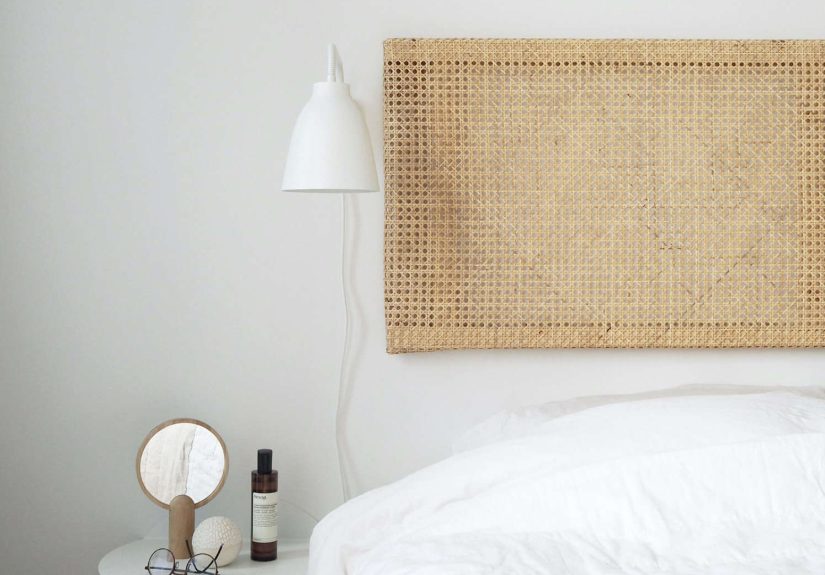
The result is a pair of custom-looking nightstands that echo the cane headboard or woven baskets in your bedroom.
4. Billy Bookcase with Cane Door Inserts
If you love the look of closed storage but don’t want heavy solid doors, adding cane panels to Billy bookcase doors is a smart compromise.
Idea: Use Oxberg or other compatible doors, remove the central panel or glass, and stretch cane behind the opening. You still hide visual clutter, but the woven rattan texture keeps the bookcase from feeling like a dark wall of wood.
Pair this with baskets on the lower shelves and styled decor on top to create a custom-looking built-in library that’s renter-friendly and easy to move.
5. Malm Dresser with Cane Drawer Fronts
The Malm dresser is everywhere for a reason. Adding cane overlays to the drawer fronts gives it a whole new personality.
How to do it:
- Remove the drawer fronts and lightly sand the finish.
- Cut cane slightly smaller than the front so you retain a border of painted or stained wood around the edges.
- Attach the cane with adhesive and staples on the back edge, then add modern handles to break up the wide drawers.
This hack works in bedrooms, entryways, or even dining spaces as a big sideboard. It plays nicely with current trends that mix sleek surfaces with textured, natural elements.
6. Pax Closet Doors with Cane Panels
If you’re dealing with a wall of Pax wardrobe doors that look a little too “closet showroom,” cane can break up all that flat surface.
Idea: Use doors with recessed panels and replace the solid center section with cane. Not only does it look more like custom millwork, it also lets your clothes breathe a bit more, which is handy in humid climates.
Consider painting the frames a warm white, greige, or a muted olive to complement the natural cane and tie in with earthy, grounded color palettes designers are loving right now.
7. Lack Side Table with Cane Shelf
The Lack side table might be the definition of “starter apartment furniture,” but with a little cane, it can grow up.
How to do it:
- Add a thin wooden frame underneath the tabletop to create a lip or second tier.
- Stretch cane across this frame to form a woven lower shelf.
- Paint the legs and frame if you want a more cohesive looksoft neutrals or black work especially well with cane.
Use the lower cane shelf for magazines, a folded throw, or a pretty basketjust don’t overload it with heavy objects.
8. Woven Rattan Plant Stand or Bench Using Basic Ikea Stools
Simple stools like Frosta or similar stackable designs make excellent bases for cane plant stands or mini benches.
Idea: Remove the solid seat, add a thin wooden frame, and stretch cane across it to create a woven top. This works beautifully for lightweight seating, as a footstool, or as a plant stand that visually “floats” your greenery. Recent decor guides show rattan and cane plant stands as an easy way to bring natural texture into sunrooms, patios, and living rooms.
Styling Tips for Ikea Cane Hacks
Lean into layered texture
Because cane is all about texture, pair your hacked pieces with other tactile elements: linen curtains, cotton throws, jute or wool rugs, and ceramic lamps. Designers increasingly emphasize texture over bold color for creating cozy, grounded spaces.
Keep colors warm and earthy
Warm woods, off-whites, clay tones, and muted greens flatter cane’s natural honey color. Current rattan decor ideas frequently feature palettes that echo sand, stone, and foliage instead of cold grays.
Mix cane with modern lines
To avoid a purely boho or beachy vibe (unless that’s what you’re going for), mix cane cabinets and dressers with clean-lined sofas, simple metal lamps, or graphic art. Many design roundups show cane used in contemporary, minimalist spaces where it’s the main “softening” element.
Care, Maintenance, and Longevity
Cane is durable but not indestructible. A few simple habits will keep your Ikea cane hacks looking good for years:
- Avoid constant direct sun: prolonged harsh sunlight can dry out cane and cause it to become brittle or discolored.
- Moderate humidity is your friend: extremely dry environments can cause sagging or cracking. In very dry seasons, lightly misting (not soaking) the cane occasionally can help keep it supple.
- Clean gently: dust with a soft brush or vacuum with a brush attachment. For sticky spills, use a slightly damp cloth and dry thoroughly.
- Watch the weight: cane doors and panels are strong enough for normal use, but cane shelves and tops shouldn’t carry heavy stacks of books or appliances.
With basic care, DIY cane cabinets, console fronts, and drawer overlays can hold up impressively wellespecially when attached to sturdy Ikea frames that already stand the test of time.
Real-World Experiences: What You Learn After a Few Cane Ikea Hacks
So what happens after you’ve lived with your cane Ikea hacks for more than five minutesand maybe tackled a few of these projects yourself? Here are “lessons learned” drawn from DIY tutorials, design blogs, and plenty of trial-and-error.
1. Soaking cane is not optional
Most first-timers underestimate how important the soaking step is. Dry cane doesn’t stretch well and tends to sag later. When you soak the webbing for 20–30 minutes, it becomes flexible and easier to pull tight across cabinet doors or frames; as it dries, it tightens like a drum. People who skip soaking almost always end up redoing a panel.
Pro tip: Lay the soaked cane flat on a towel for a couple of minutes before applying it so it’s not dripping all over your doors.
2. Staple placement matters more than you think
On your first project, you might be tempted to fire staples randomly around the frame and call it a day. The more experienced approach is to work in a cross pattern: secure the cane at the center of each side, then work toward the corners, alternating sides as you go. This prevents diagonal sagging and helps keep the weave straight.
Many successful DIYers also recommend adding a trim piece or spline over the staples for a cleaner finishthis small extra step makes your piece look truly custom.
3. Cutting straight openings is scarier in your head than in reality
Cutting into a brand-new Ikea door feels risky, but with the right tools, it’s surprisingly doable. Jigsaw tutorials for cane cabinets constantly emphasize practicing on a spare door or scrap wood first. Once you get the feel for guiding the saw, long straight or curved cuts become much less intimidating.
The key is to mark your lines clearly, clamp the door securely, and let the blade do the work. Sand the edges wellpaint and cane hide more sins than you think.
4. Small upgrades compound into a big transformation
You might start with a single cane TV stand or cane nightstands, but many people find that after one successful hack, they start eyeing other pieces: the bookcase, the entry cabinet, that old Malm dresser. As you repeat the process, your home starts to feel cohesive. The repeating texture of cane ties different rooms together without requiring matching furniture sets.
Current decor trends strongly favor this layered, collected look over perfectly matched “bedroom sets” or showroom-style living rooms.
5. Cane hacks are renter-friendly (with a little planning)
If you’re renting, you may not want to invest in permanent built-ins, but cane Ikea hacks hit the sweet spot: they’re statement-making, yet completely movable. A Besta cane console, Ivar cane cabinet, or Rast cane nightstand looks just as good in your next place. And because you start with affordable pieces, you don’t feel guilty experimenting with paint colors or hardware until you land on a look you love.
Some renters even create “faux built-ins” with hacked Billy bookcases or Pax wardrobes; when it’s time to move, you simply detach them from the wall and take your custom storage with you.
6. The joy factor is real
There’s something uniquely satisfying about standing back and realizing that the chic “designer” cabinet in your living room started life as a flat-packed box of parts. Many DIY writers admit that cane hacks quickly become addictive because they deliver such dramatic visual payoff for relatively low skill and cost.
Beyond pure aesthetics, there’s also the tactile pleasure: running your fingers over the warm, lightly textured cane instead of cold laminate genuinely changes how a space feels. It’s a subtle upgrade, but once you get used to it, plain particleboard starts to look a little sad.
7. You don’t have to chase perfection
Because cane is a natural material, small irregularities are part of its charm. A slightly uneven weave or tiny staple mark won’t ruin the projectin fact, most people won’t notice unless you point it out. Today’s interiors celebrate pieces that feel human and personal rather than factory-perfect, and your Ikea cane hacks absolutely fit that brief.
So if your first project isn’t flawless, don’t panic. Use it as a learning experience, then apply what you’ve learned to your next piece. Before long, friends will be asking where you bought your “designer” cabinetand you’ll get to say, with a tiny smug smile, “Oh, that? It’s just an Ikea hack with a little cane.”
Conclusion
Ikea cane hacks are the perfect intersection of budget, style, and creativity. By combining simple, accessible furniture with natural woven rattan, you can create custom pieces that look far more expensive than they really are. From Besta consoles and Ivar cabinets to Rast nightstands and Malm dressers, cane webbing gives you a consistent, on-trend texture that works across rooms and design styles.
Armed with a staple gun, some soaked cane, and a free afternoon, you can turn flat-pack into “designer,” add warmth and character to your home, and enjoy the quiet satisfaction of knowing you did it yourself. That’s the magic of an easy Ikea hackwith cane doing the heavy (but pretty) lifting.




 Close
Close