
Table of Contents >> Show >> Hide
- Step 1: Know Which Florida Toll Road You Are Using
- Step 2: Use SunPass for the Cheapest and Smoothest Option
- Step 3: Consider E-PASS if You Drive in Central Florida
- Step 4: Use E-ZPass or Another Compatible Transponder When Accepted
- Step 5: Use Toll-By-Plate When You Do Not Have a Transponder
- Step 6: Pay Florida Toll Invoices Quickly
- Step 7: Use Cash Only Where It Is Still Accepted
- Step 8: Handle Rental Car Tolls Before You Leave the Lot
- Step 9: Keep Your Toll Account Updated and Watch for Scams
- Best Way to Pay Tolls in Florida: Quick Comparison
- Common Mistakes to Avoid When Paying Florida Tolls
- Real-World Experiences: Practical Lessons from Paying Tolls in Florida
- Conclusion
- SEO Tags
Note: This article is written for general informational purposes. Florida toll rules, rates, fees, accepted transponders, and payment portals can change, so drivers should always verify details through the official toll agency that issued the charge before paying.
Florida is famous for sunshine, beaches, theme parks, orange juice, and roads that somehow know exactly when you are in a hurry. Whether you are driving to Orlando’s attractions, cruising toward Miami, crossing a bridge in Tampa Bay, or using express lanes to avoid traffic, tolls are part of the Florida driving experience. The good news is that paying them does not have to feel like decoding a treasure map written by a pirate accountant.
Today, Florida toll payments are mostly electronic. That means you can pay with a prepaid transponder such as SunPass or E-PASS, use a compatible out-of-state transponder like E-ZPass on many Florida toll roads, receive a Toll-By-Plate invoice, or use rental-car toll programs when traveling in a rented vehicle. Some locations may still have cash options, but many roads, bridges, and express lanes are cashless. In other words, the “I’ll just toss coins into a basket” era is fading fast.
This guide explains easy ways to pay tolls in Florida in nine clear steps. You will learn how SunPass works, when Toll-By-Plate makes sense, how to pay a Florida toll invoice, what to do in a rental car, and how to avoid late fees, duplicate charges, and toll scams. Buckle up; this is toll knowledge without the traffic jam.
Step 1: Know Which Florida Toll Road You Are Using
Before choosing a payment method, identify the road, bridge, or express lane you plan to use. Florida has multiple toll agencies, including Florida’s Turnpike Enterprise, the Central Florida Expressway Authority, regional bridge authorities, and local toll programs. A toll near Orlando may be handled differently from a toll in South Florida or Lee County.
Common toll routes include Florida’s Turnpike, the Beachline Expressway, the Central Florida GreeneWay, the Sawgrass Expressway, the Veterans Expressway, parts of I-4 Express, and various bridges and causeways. If you are visiting theme parks, airports, beaches, or major metro areas, there is a good chance your route includes at least one toll facility.
Why this matters
Different facilities may accept different payment methods. For example, some toll roads accept transponders and Toll-By-Plate, while certain managed lanes or express lanes may require a compatible transponder and may not allow cash or plate billing. Checking your route in advance helps you avoid surprise invoices, rental-car fees, or the awkward realization that your “scenic shortcut” was actually the premium lane.
Step 2: Use SunPass for the Cheapest and Smoothest Option
For many drivers, SunPass is the easiest way to pay tolls in Florida. SunPass is Florida’s prepaid toll program. You open an account, add funds, attach a transponder to your vehicle, and tolls are automatically deducted when you drive through electronic tolling points.
SunPass is especially useful if you live in Florida, visit often, commute on toll roads, or dislike receiving mail that says, “Remember that road you drove on three weeks ago?” With a properly funded SunPass account, you can drive through tolling areas without stopping. In many cases, SunPass users also pay lower toll rates than drivers billed by license plate.
SunPass transponder options
Florida drivers can typically choose between a sticker-style transponder and a portable transponder. The SunPass Mini is designed to stay on one vehicle, while SunPass PRO is portable and can be moved between vehicles when used correctly. SunPass PRO is also useful for drivers who travel outside Florida because it works in Florida and in many other states where compatible electronic tolling is accepted.
SunPass is a strong choice for commuters, families with one main vehicle, business travelers, and anyone who wants a low-maintenance way to pay Florida tolls. Just remember: a transponder is not magic. It must be activated, mounted correctly, linked to the right license plate, and backed by enough funds.
Step 3: Consider E-PASS if You Drive in Central Florida
E-PASS, operated by the Central Florida Expressway Authority, is another popular way to pay tolls in Florida. It is especially common around Orlando and Central Florida, but E-PASS can be used on Florida toll roads and other compatible facilities. For drivers who spend time near Orlando International Airport, theme parks, downtown Orlando, or surrounding suburbs, E-PASS can be extremely convenient.
E-PASS offers sticker and portable options. The E-PASS sticker is often attractive for local drivers because it is simple, convenient, and tied to one windshield. The portable Uni transponder is better for people who want one toll pass that can travel across multiple states. If your road trips involve Florida, Georgia, North Carolina, and E-ZPass regions, Uni may be worth considering.
SunPass vs. E-PASS: Which is better?
For most everyday drivers, both SunPass and E-PASS can make Florida toll payment easier. The best choice depends on where you drive most, whether you need a portable device, and whether you want compatibility beyond Florida. SunPass is widely recognized statewide, while E-PASS is especially useful for Central Florida routes. The smart move is not to collect every transponder like souvenirs; it is to choose one that fits your driving pattern.
Step 4: Use E-ZPass or Another Compatible Transponder When Accepted
If you are visiting from another state, you may already have an electronic toll pass. Florida accepts several compatible transponders on many toll roads, including E-ZPass and certain regional passes. This can be excellent news for road-trippers who would rather not create a new account just for a week of Florida driving.
However, do not assume every toll pass works everywhere in exactly the same way. Before traveling, check whether your existing transponder is accepted on the roads you plan to use. Also confirm that your vehicle license plate is listed correctly on your account. A transponder read usually handles the charge, but a mismatched plate can make account reconciliation messier than a beach bag full of sunscreen.
Best practice for out-of-state drivers
Mount your transponder according to its instructions, keep your payment card current, and review your account after the trip. If your pass is not accepted or fails to read, the toll may be billed by plate. That is not the end of the world, but it may cost more and arrive later.
Step 5: Use Toll-By-Plate When You Do Not Have a Transponder
Toll-By-Plate is Florida’s backup payment method for many electronic toll roads. If you drive through a tolling point without a compatible transponder, cameras capture your license plate. The registered vehicle owner then receives an invoice by mail for the tolls, usually with an administrative fee.
This option is helpful for occasional drivers, visitors using their own vehicles, or anyone who accidentally ends up on a toll road without a transponder. It is convenient because you do not need to stop, but it is usually not the cheapest way to pay. Toll-By-Plate rates and invoice fees can add up, especially if you use toll roads frequently.
When Toll-By-Plate makes sense
Toll-By-Plate can be practical if you rarely drive on Florida toll roads. For example, if you visit once a year and only take one toll road from the airport to a hotel, receiving an invoice may be acceptable. But if you are driving daily in Orlando, Tampa, Miami, or along Florida’s Turnpike, a prepaid transponder is usually easier and more cost-effective.
Step 6: Pay Florida Toll Invoices Quickly
If you receive a Florida toll invoice, do not toss it into the “future me will handle this” pile. Future you is already busy. Toll invoices usually include payment instructions, an invoice number, the license plate, the toll agency, the amount due, and a deadline.
Most drivers can pay online using the official website listed on the invoice. Depending on the agency, you may also be able to pay by phone, by mail, or in person. Always use the official toll agency website or contact number. Avoid clicking payment links from random text messages, especially if the message threatens immediate penalties or uses suspicious wording.
What happens if you ignore a toll invoice?
Unpaid tolls can become more expensive. Late fees, collection actions, and vehicle registration holds may apply in some cases. That means a small toll can grow into a much more annoying problem. Paying promptly is the financial equivalent of applying sunscreen before the beach: simple, smart, and much easier than dealing with the burn later.
Step 7: Use Cash Only Where It Is Still Accepted
Some Florida toll locations may still accept cash, but many roads have moved to all-electronic tolling. Cash lanes are less common than they used to be, and some bridges, expressways, and managed lanes do not offer a cash option at all.
If you are planning to rely on cash, check your route before driving. Do not assume a toll booth will appear just because one existed years ago. Florida has been steadily modernizing toll collection to reduce congestion and keep traffic moving. That is great for speed, but not great if your entire payment strategy is three crumpled dollar bills and a handful of quarters.
Cash payment tips
If cash is accepted, use the correct lane, slow down safely, and keep small bills handy. Never stop in an electronic-only lane to search for money. If you miss a cash opportunity or enter an electronic lane by mistake, continue driving safely and wait for the toll to be billed through the appropriate process.
Step 8: Handle Rental Car Tolls Before You Leave the Lot
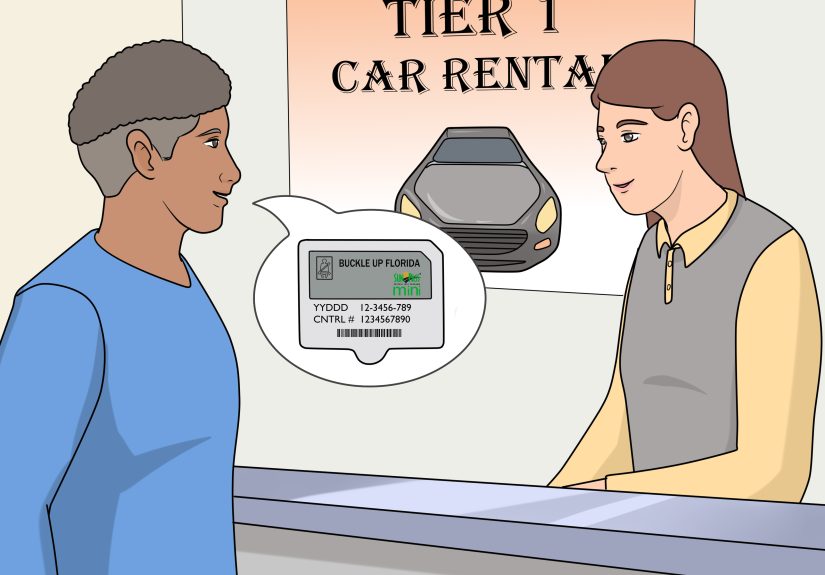
Rental cars deserve special attention because tolls can be billed through the rental company, your own transponder account, a visitor toll pass, or a plate-based program. If you ignore the issue, the rental company may charge the tolls plus convenience or service fees. Those fees can sometimes feel like the rental car company personally hired a tiny accountant to ride in the trunk.
Before leaving the rental counter, ask how tolls are handled. Some companies offer all-inclusive toll programs. Others charge per toll plus a daily or administrative fee. If you have your own compatible portable transponder, ask whether you can use it and how to prevent duplicate billing.
Visitor Toll Pass for Orlando travelers
Travelers flying into Orlando International Airport may be able to use Visitor Toll Pass, a temporary toll pass designed for rental car customers traveling roundtrip through the airport. It can help visitors pay lower electronic toll rates without using the rental company’s toll program. This is especially useful for families visiting theme parks, beaches, and attractions across Central Florida.
Another option is to add the rental vehicle’s license plate to your own SunPass or prepaid toll account for the exact rental period. This must be done carefully. Enter the plate correctly, set the start and end dates accurately, and remove the rental vehicle when the trip ends. One typo can turn a smart toll strategy into a customer-service adventure.
Step 9: Keep Your Toll Account Updated and Watch for Scams
Once you have a toll account, maintenance is simple but important. Keep your license plate, vehicle information, payment card, mailing address, and email address current. If your credit card expires, your prepaid balance may not reload, and tolls may begin billing by plate. That is how a $2 toll can put on a villain cape.
Review your account after major trips. Look for duplicate charges, rental-car overlap, incorrect license plates, or unpaid invoices. If something looks wrong, contact the toll agency quickly. Most issues are easier to fix early.
Beware of fake toll payment texts
Toll scams have become more common across the United States, including messages pretending to be from toll agencies. A suspicious text may claim you owe money and must click a link immediately to avoid penalties. Do not click those links. Instead, go directly to the official toll agency website or call the official customer-service number.
Legitimate toll agencies generally provide secure account portals and mailed invoices. When in doubt, slow down digitally the same way you would in a construction zone. Verify first, pay second.
Best Way to Pay Tolls in Florida: Quick Comparison
For Florida residents
A prepaid transponder such as SunPass or E-PASS is usually the best choice. It saves time, often saves money, and reduces invoice headaches.
For frequent visitors
SunPass PRO, E-PASS Uni, or a compatible E-ZPass can be a smart option, especially if you travel through multiple states.
For occasional visitors driving their own car
Toll-By-Plate may work for a short trip, but expect invoices and possible administrative fees. A low-cost transponder may still be worth it if you will use several toll roads.
For rental car travelers
Compare the rental company’s toll program with Visitor Toll Pass, your own portable transponder, or a temporary plate registration on your toll account. The cheapest option depends on the rental company, route, and number of tolls.
Common Mistakes to Avoid When Paying Florida Tolls
One common mistake is assuming every toll road accepts cash. Many do not. Another is using a transponder without properly activating it. A third is forgetting to update license plate information after buying a new car, changing plates, or renting a vehicle.
Drivers also run into trouble when they mount transponders incorrectly. Some windshields interfere with transponder signals, and some vehicles may require special placement. Follow the instructions that came with the device. A transponder stuffed in the glove box is not “installed”; it is just taking a nap.
Finally, never ignore toll mail. Even if you believe the charge is wrong, respond through the official dispute or customer-service process. Silence rarely makes toll bills disappear. It usually just gives them time to invite fees to the party.
Real-World Experiences: Practical Lessons from Paying Tolls in Florida
Experience has a funny way of teaching toll lessons at the least convenient moment. Picture a family landing at Orlando International Airport, excited for a week of theme parks, snacks shaped like cartoon characters, and hotel pool time. They rent a car, follow the GPS, and within minutes they are on a toll road. Nobody has cash. Nobody asked about the rental company’s toll program. The kids are asking whether the hotel has waffles. The parents are wondering whether they just accidentally bought a highway.
This is exactly why planning your Florida toll payment method before driving matters. For visitors, the easiest solution is often to decide at the airport. If you are renting a car in Orlando and qualify for Visitor Toll Pass, set it up before leaving the terminal. If you prefer the rental company’s toll program, ask what it costs and whether fees apply every rental day or only on days you use toll roads. If you brought your own portable transponder, make sure the rental plate is added to your account for the correct dates and that the rental vehicle’s built-in toll device, if present, is closed or inactive when required.
For residents, the best experience usually comes from automation. A prepaid SunPass or E-PASS account with auto-replenishment can turn tolls into background noise. You drive, the toll posts, your balance reloads, and life goes on. The key is checking the account occasionally. When a payment card expires or a plate changes, the system cannot read your mind. Florida roads may be advanced, but they are not psychic.
Commuters can benefit from reviewing toll patterns once a month. A driver who uses express lanes daily may decide the time savings are worth the cost. Another driver may discover that leaving ten minutes earlier avoids both traffic and tolls. Toll records can become a surprisingly useful budgeting tool. They show which routes you actually use, not just the routes you think you use.
Road-trippers should pay attention to compatibility. If you have E-ZPass from another state, verify that it works on the Florida facilities you plan to use. If you are buying a pass specifically for travel, choose a portable option that matches your future trips. Someone who only drives one car in Florida may not need a multi-state portable device. Someone who regularly drives from Florida to the Northeast may love having one account for several regions.
The biggest lesson is simple: tolls are easiest when handled before the first gantry. Choose a payment method, connect the right plate, keep funds available, and save receipts. Do that, and Florida toll roads become what they are supposed to be: convenient routes to beaches, airports, work, family, and vacation fun. Ignore the details, and you may still get where you are goingbut your mailbox may send you a souvenir later.
Conclusion
Paying tolls in Florida is easy once you understand the system. For most drivers, a prepaid transponder such as SunPass or E-PASS offers the smoothest and often cheapest experience. Toll-By-Plate works as a backup, but it can cost more and requires careful invoice tracking. Rental car drivers should compare Visitor Toll Pass, rental-company programs, and personal transponder options before leaving the lot. Cash may still exist in some places, but it is no longer something drivers should count on statewide.
The smartest approach is to match your payment method to your driving habits. Daily commuter? Get a transponder and enable auto-reload. Occasional visitor? Toll-By-Plate may be fine, but read the invoice promptly. Orlando rental car traveler? Look into Visitor Toll Pass. Multi-state road warrior? Consider SunPass PRO, Uni, or a compatible E-ZPass setup. And no matter what you choose, keep your license plate and payment details updated.
Florida toll roads are designed to keep traffic moving, not to ruin your day. With a little preparation, you can spend less time worrying about invoices and more time enjoying the Sunshine State. That is a much better use of energyespecially when there are beaches, theme parks, cafecitos, and key lime pie waiting at the end of the road.





 Close
Close