
Table of Contents >> Show >> Hide
- Introduction: Your DNA Is Not a Stone Tablet
- What Is Epigenetics?
- Epigenetics vs. Genetics: Same Library, Different Reading List
- Can Epigenetic Changes Be Passed to Future Generations?
- Real-World Examples That Made Scientists Pay Attention
- Environmental Exposures and the Epigenome
- Epigenetics, Health, and Disease
- Why Epigenetics Matters for Future Generations
- Common Myths About Epigenetics
- Practical Lessons From Epigenetic Science
- Experience-Based Reflections: How Epigenetics Feels in Real Life
- Conclusion: The Future May Be Listening
Editorial note: This article synthesizes information from reputable U.S. government, university, medical, and peer-reviewed scientific sources. It is written for educational purposes and should not be treated as personal medical advice.
Introduction: Your DNA Is Not a Stone Tablet
For a long time, inheritance sounded beautifully simple: you get DNA from your parents, your children get DNA from you, and everyone blames their weird toes on someone at Thanksgiving. But modern biology has added a fascinating twist. Genes matter, of course, but they are not the whole story. The way genes are switched on, turned down, silenced, or emphasized can also shape health, development, and even how the body responds to the world.
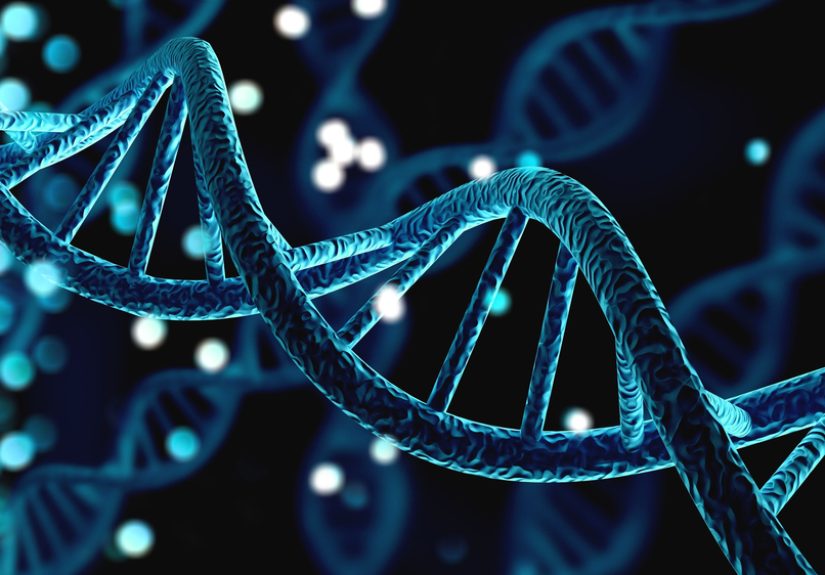
That is where epigenetics enters the room, wearing a lab coat and quietly rearranging the furniture. Epigenetics studies changes in gene activity that do not alter the DNA sequence itself. In plain English, your genetic code is like the text of a cookbook. Epigenetic marks are the sticky notes, highlights, coffee stains, and “try less salt next time” comments that tell the cell which recipes to use, when to use them, and how loudly to announce dinner.
The big question is both exciting and delicate: can life experiences, nutrition, stress, pollution, trauma, and lifestyle leave biological signals that influence future generations? The answer is: sometimes, maybe, and not as magically as the internet occasionally claims. Epigenetic inheritance is real in many organisms, strongly supported in animal studies, and increasingly studied in humans. However, human evidence is complex because families pass down not only biology, but also culture, income, food habits, neighborhoods, stress patterns, and Aunt Linda’s belief that every illness can be fixed with soup.
What Is Epigenetics?
Epigenetics refers to chemical and structural changes that influence how genes work without changing the order of DNA letters. Your DNA sequence may stay the same, but gene expression can shift. This is not a minor detail. Every cell in your body contains nearly the same DNA, yet a skin cell does not behave like a brain cell, and a liver cell does not suddenly decide to become an eyelash. Epigenetic regulation helps cells remember who they are and what jobs they are supposed to do.
DNA Methylation: The Dimmer Switch
One of the best-known epigenetic mechanisms is DNA methylation. This process adds small chemical groups called methyl groups to DNA. In many cases, methylation can reduce gene activity, acting like a dimmer switch rather than a demolition crew. It does not erase the gene; it changes how actively the cell reads it.
Histone Modification: Repacking the Instruction Manual
DNA is wrapped around proteins called histones. When histones are chemically modified, the DNA can become more tightly packed or more open and accessible. If DNA is tightly packed, the cell may have trouble reading certain genes. If it is loosely packed, those genes may become easier to activate. Think of it as the difference between a book locked in a filing cabinet and a book lying open on the kitchen table.
Non-Coding RNA: Tiny Managers With Big Opinions
Another part of the epigenetic story involves non-coding RNAs. These molecules do not make proteins directly, but they can influence gene expression. Some studies suggest that small RNAs in sperm and eggs may help transmit information about parental environmental exposures, especially in animal models.
Epigenetics vs. Genetics: Same Library, Different Reading List
Genetics is about the DNA sequence itself: the letters inherited from biological parents. Epigenetics is about how the body uses that sequence. The distinction matters because genetic mutations are usually permanent changes in the DNA code, while many epigenetic changes are flexible, responsive, and sometimes reversible.
This flexibility is one reason epigenetics has captured public imagination. It suggests that biology is not destiny carved into marble. Diet, exercise, toxins, stress, sleep, aging, and disease can all influence epigenetic patterns. That does not mean a smoothie can rewrite your genome or that jogging once will give your grandchildren superhero mitochondria. Biology is impressive, but it is not a comic book subscription.
Still, epigenetics gives science a more nuanced view of inheritance. The genome provides the hardware. The epigenome helps manage the software. And like all software, it can be affected by inputs, errors, updates, and occasionally a very questionable user decision.
Can Epigenetic Changes Be Passed to Future Generations?
When scientists discuss epigenetics and future generations, they often separate two ideas: intergenerational inheritance and transgenerational inheritance.
Intergenerational Effects
Intergenerational effects happen when an exposure affects a parent and directly affects the child as well. For example, if a pregnant person experiences famine, stress, pollution, or certain chemical exposures, the developing fetus is exposed too. In that case, the child’s biology may be shaped by the same environment that affected the parent.
Transgenerational Effects
Transgenerational epigenetic inheritance is a stricter claim. It means epigenetic information passes through sperm or eggs to descendants who were not directly exposed. This has been shown more clearly in plants, worms, flies, and some animal studies. In humans, the evidence is promising but still debated. Why? Because human families are not laboratory fruit flies. They share homes, meals, histories, behaviors, stressors, and social conditions. Separating biological inheritance from environmental inheritance is difficult, like trying to identify one singer in a stadium full of karaoke enthusiasts.
Another challenge is epigenetic reprogramming. During early development, many epigenetic marks are erased and reset. This biological reset button helps each generation develop normally. However, some marks may escape reprogramming, and certain signals may influence development in subtle ways. Scientists are still investigating which marks persist, under what conditions, and how much they matter for health.
Real-World Examples That Made Scientists Pay Attention
The Dutch Hunger Winter
One of the most famous human examples comes from the Dutch Hunger Winter of 1944–1945, when famine struck parts of the Netherlands during World War II. Decades later, researchers found that people exposed to famine before birth showed differences in DNA methylation, including at genes related to growth and metabolism. Some studies also linked prenatal famine exposure with increased risk of metabolic conditions later in life.
This does not mean hunger “changed the DNA code.” Instead, it suggests that early developmental conditions may influence long-lasting gene regulation. The body, facing scarcity before birth, may adjust its biological settings for a harsh environment. If life after birth brings abundant calories instead, those settings may not match reality very well. The body prepared for a desert and got a buffet.
Stress, Trauma, and Biological Memory
Researchers have also studied whether severe trauma can leave epigenetic marks across generations. Studies involving descendants of people exposed to war, displacement, and extreme stress suggest that trauma may be associated with DNA methylation differences. Recent research on families affected by violence in Syria has drawn attention because it examined multiple generations and found methylation patterns linked with direct and prenatal exposure.
However, scientists remain careful. Trauma is biological, psychological, social, and historical. Families affected by violence may also face poverty, disrupted education, poor sleep, limited healthcare, and ongoing stress. Epigenetics may be part of the story, but it is not the whole novel.
Animal Studies: Clearer Signals, Smaller Creatures
Animal studies have provided some of the strongest evidence for epigenetic inheritance. In mice, parental diet, stress, toxic exposures, and metabolic conditions can influence offspring traits through epigenetic mechanisms. Some experiments have shown that sperm RNA or DNA methylation patterns may carry information about paternal exposures.
The famous agouti mouse model is often used to explain this concept. In these mice, maternal diet can influence coat color and disease risk in offspring by changing DNA methylation near a specific gene. It is a powerful example because it shows how nutrition can affect gene expression without changing the underlying DNA sequence. It is also a reminder that mice are not tiny humans with better whiskers. Animal findings are valuable, but they must be translated carefully.
Environmental Exposures and the Epigenome
The epigenome is responsive to the environment. Scientists have studied epigenetic changes related to tobacco smoke, air pollution, heavy metals, endocrine-disrupting chemicals, pesticides, diet, physical activity, and stress. Some environmental exposures are associated with methylation changes in genes involved in inflammation, metabolism, immune response, and disease risk.
Smoking and DNA Methylation
Smoking is one of the clearest examples of lifestyle-related epigenetic change. Research has found differences in DNA methylation between smokers and nonsmokers, including changes near genes involved in detoxification and immune function. Encouragingly, some methylation patterns may move closer to nonsmoker levels after quitting. In other words, the body keeps receipts, but it may also accept returns.
Nutrition and Development
Nutrition supplies many of the molecular ingredients used in epigenetic processes. Folate, choline, B vitamins, and other nutrients are involved in one-carbon metabolism, which helps support methylation. This is one reason prenatal nutrition receives so much scientific attention. The early embryo is setting up major developmental programs, and timing matters.
Pollution and Chemical Exposure
Environmental pollutants may also influence epigenetic regulation. Air pollution, lead, diesel exhaust, and endocrine-disrupting compounds have been studied for their ability to affect gene expression pathways. These exposures matter not only for individual health but also for public policy. Clean air, safe housing, and reduced toxic exposure are not luxury wellness hacks; they are biological investments.
Epigenetics, Health, and Disease
Epigenetic changes are involved in normal development, aging, immune function, and disease. In cancer, for example, abnormal DNA methylation and histone modification can help silence tumor-suppressor genes or activate pathways that support uncontrolled growth. This is why cancer researchers study epigenetic therapies that may help reset harmful gene expression patterns.
Epigenetics is also connected to metabolic disease, cardiovascular health, neurodevelopment, inflammation, and biological aging. Scientists use “epigenetic clocks” to estimate biological age based on DNA methylation patterns. These clocks are not crystal balls, but they can help researchers study how stress, lifestyle, disease, and environment relate to aging at the cellular level.
The most important takeaway is not that every illness comes from epigenetics. That would be like blaming every kitchen disaster on the toaster. Health is shaped by genetics, environment, behavior, access to care, social conditions, chance, and time. Epigenetics is one powerful layer in a multilayered system.
Why Epigenetics Matters for Future Generations
The idea that today’s environment may influence tomorrow’s biology is both inspiring and sobering. It suggests that public health choices can echo beyond one lifetime. Prenatal care, nutrition programs, pollution control, safer workplaces, trauma prevention, and mental health support may affect not only current communities but also children and grandchildren.
It Expands Responsibility Without Creating Blame
One danger in popular discussions of epigenetics is turning science into guilt. Parents should not be told that every stressful week, imperfect meal, or sleepless night has biologically doomed their descendants. That is inaccurate and cruel. Epigenetics should not become another stick for beating people who are already doing their best.
A better interpretation is this: supportive environments matter. Reducing harm matters. Improving health before conception and during pregnancy matters. Childhood safety matters. Clean neighborhoods matter. Food security matters. These are not just moral goals; they are biological ones.
It Shows That Inheritance Is More Than DNA
Families pass down recipes, languages, habits, stories, anxieties, resilience, and, yes, sometimes biological signals. Epigenetics does not replace genetics; it enriches our understanding of inheritance. It shows that the body is a historian, recording some exposures in molecular ink. Some notes fade. Some may last. Some may influence the next chapter.
Common Myths About Epigenetics
Myth 1: Epigenetics Means You Can Control Every Gene
Nope. You cannot simply visualize perfect health and command your DNA to obey. Lifestyle can influence gene expression, but biology is not a vending machine. You do not insert kale and receive immortality.
Myth 2: Epigenetic Changes Are Always Passed Down
Many epigenetic marks are reset during reproduction and early development. Some may persist, but transgenerational inheritance in humans remains a careful scientific question, not a settled slogan.
Myth 3: Epigenetics Makes Genetics Unimportant
Genes still matter enormously. Epigenetics works with the genome, not instead of it. The DNA sequence provides possibilities; the epigenome helps regulate which possibilities are used.
Myth 4: Bad Experiences Permanently Damage Future Generations
Epigenetic research should not be read as a sentence of doom. Many epigenetic changes are dynamic, and supportive environments can improve health outcomes. Biology carries memory, but it also carries adaptability. The body is not a museum; it is a living system.
Practical Lessons From Epigenetic Science
Epigenetics is not an excuse to chase expensive “gene-reset” products. Many commercial claims sprint far ahead of the evidence, often while holding your wallet. The practical lessons are more grounded and, frankly, less glamorous: eat a nutrient-rich diet, avoid smoking, reduce toxic exposures when possible, sleep enough, move regularly, manage stress, support mental health, and build safer environments for children.
At the community level, the lessons are even bigger. If environmental exposures can influence gene expression, then health equity becomes molecular. A child growing up near heavy traffic, lead exposure, food insecurity, chronic violence, or unstable housing may face biological stress that goes beyond individual choice. Epigenetics gives public health a sharper microscope and society a louder wake-up call.
Experience-Based Reflections: How Epigenetics Feels in Real Life
To understand epigenetics beyond the textbook, imagine three families sitting around three different kitchen tables. At the first table, a grandmother remembers growing up during a time when food was scarce. She learned to save every crumb, stretch every meal, and treat waste like a personal insult. Her children grew up with full plates, but also with a household rhythm shaped by scarcity. Decades later, researchers might study families like hers and ask whether early hunger left biological marks. But the family already knows something was inherited: caution, thrift, anxiety around food, and a deep respect for dinner.
At the second table, a father decides to quit smoking before having a child. He is not thinking about DNA methylation. He is thinking about being around long enough to teach someone how to ride a bike, fix a leaky sink, or avoid replying-all to office emails. Yet his decision may influence his body’s epigenetic patterns and improve the environment his child enters. The science is complex, but the human experience is simple: healthier choices can become part of a family’s future.
At the third table, a mother who has lived through trauma works hard to create safety for her children. She builds routines. She asks for help. She learns that healing is not linear and that bedtime can be a battlefield when the nervous system still hears old alarms. Epigenetic studies of trauma may eventually explain some biological pathways behind intergenerational stress. But the lived experience already shows that trauma can echo through parenting, sleep, mood, relationships, and health. It also shows something equally important: care can echo too.
This is where epigenetics becomes more than a scientific concept. It becomes a reminder that bodies respond to conditions. A child’s biology is shaped not only by chromosomes but by air quality, food access, emotional safety, prenatal care, family stability, and community support. That should not make individuals feel blamed. It should make society feel responsible.
Many people hear about epigenetics and immediately ask, “So what did my parents pass down to me?” That question is understandable, but it may be more useful to ask, “What patterns can I interrupt, improve, or soften?” Maybe a family history includes diabetes risk, anxiety, smoking, poor sleep, or chronic stress. Epigenetics does not promise instant transformation, but it does support a hopeful idea: biology is responsive. Habits, relationships, and environments matter because cells are listening.
In daily life, epigenetic awareness can encourage small but meaningful choices. A walk after dinner. A serious effort to reduce household smoke exposure. A better breakfast during pregnancy. A conversation with a therapist. A community campaign for cleaner air. A school lunch program. A workplace policy that lowers toxic exposure. None of these actions is flashy enough to become a superhero origin story, but they are exactly the kind of ordinary choices that may shape healthier futures.
The most beautiful lesson from epigenetics is not that we are trapped by the past. It is that inheritance is active. We receive biology, stories, wounds, strengths, and conditions. Then we add our chapter. Future generations may inherit our genes, but they may also inherit the environments we build, the stress we reduce, the care we normalize, and the opportunities we protect. That is not magic. It is biology with a conscience.
Conclusion: The Future May Be Listening
Epigenetics has changed the way scientists understand inheritance. DNA remains central, but it is not the entire script. Chemical marks, chromatin structure, non-coding RNAs, prenatal environments, nutrition, stress, toxins, and social conditions can influence how genes are expressed. Some effects may last a lifetime, and some may help shape the biology of future generations.
The science is still developing, especially in humans. We should be careful with dramatic claims and allergic to miracle marketing. But we should also take the evidence seriously. The environments we create today may influence health tomorrow in ways we are only beginning to measure.
In the end, epigenetics offers a powerful blend of humility and hope. We are not just carriers of DNA. We are participants in biological storytelling. The choices families make, the policies societies adopt, and the environments communities protect may leave marks that reach further than we imagine. Future generations may not read our names in a textbook, but their cells may benefit from the world we cared enough to improve.






 Close
Close