
Table of Contents >> Show >> Hide
- Understanding Sleep Apnea Before Rolling Out the Yoga Mat
- Can Yoga Really Help With Sleep Apnea?
- How Yoga May Support Better Breathing at Night
- Yoga, Weight Management, and Sleep Apnea
- Yoga Poses That May Help Promote Better Sleep
- Breathing Exercises for a Sleep Apnea-Friendly Yoga Routine
- What Yoga Cannot Do for Sleep Apnea
- How to Build a Safe Yoga Routine for Sleep Apnea
- A Simple 20-Minute Bedtime Yoga Routine for Sleep Apnea Support
- Sleep Hygiene Still Matters
- Who Should Be Careful With Yoga?
- Real-Life Experiences: What Practicing Yoga With Sleep Apnea May Feel Like
- Conclusion
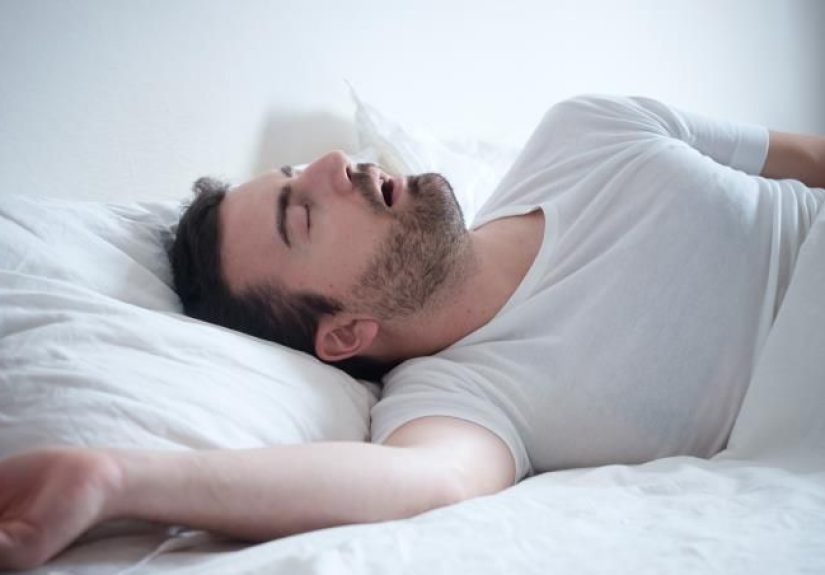
Sleep apnea is not just “snoring with extra drama.” It is a real sleep-related breathing disorder that can repeatedly interrupt breathing during the night, fragment sleep, lower oxygen levels, and leave a person feeling as if they spent eight hours wrestling a bear instead of resting. For many people, the standard medical treatmentssuch as CPAP therapy, oral appliances, weight management, positional therapy, and in some cases surgeryare essential. Yoga does not replace those treatments. Let’s make that clear before anyone tries to downward-dog their way out of a sleep study.
However, yoga may be a useful companion in a broader sleep apnea care plan. Through gentle movement, breathing exercises, stress reduction, better body awareness, and healthier sleep habits, yoga can support the body in ways that matter for sleep. The key word is support. Yoga is not a cure for obstructive sleep apnea, central sleep apnea, or complex sleep apnea. But when practiced safely and consistently, it may help improve sleep quality, reduce stress, encourage weight-friendly movement, strengthen breathing awareness, and make bedtime feel less like a nightly negotiation with your pillow.
Understanding Sleep Apnea Before Rolling Out the Yoga Mat
Sleep apnea happens when breathing repeatedly becomes shallow or stops during sleep. The most common type is obstructive sleep apnea, often called OSA. In OSA, the upper airway becomes partially or completely blocked during sleep, usually because throat muscles relax and narrow the airway. Central sleep apnea is different: the brain does not send consistent signals to the breathing muscles. Some people have a combination of both.
Common symptoms include loud snoring, gasping or choking during sleep, morning headaches, dry mouth, poor concentration, mood changes, and daytime sleepiness. A bed partner may notice pauses in breathing before the person with sleep apnea does. That is one reason sleep apnea can be sneakyit may be more obvious to the person trying to sleep next to you than to you.
Untreated sleep apnea is associated with serious health risks, including high blood pressure, heart problems, metabolic issues, poor daytime functioning, and increased accident risk from fatigue. That is why diagnosis and treatment matter. If you suspect sleep apnea, a medical evaluation and sleep study are the responsible first steps.
Can Yoga Really Help With Sleep Apnea?
Yoga can help some people with sleep apnea indirectly by addressing several factors that influence breathing, sleep quality, and overall health. It may help the nervous system shift from “high alert” mode into a calmer state, improve breathing control, support regular physical activity, and reduce stress that can make sleep harder. Some yoga-based programs and breathing practices have been studied for obstructive sleep apnea and sleep quality, with early evidence suggesting potential benefits, especially when yoga is part of a larger lifestyle plan.
That said, yoga should be viewed as complementary therapy. For moderate to severe sleep apnea, treatments like CPAP or other positive airway pressure devices are often central because they physically help keep the airway open during sleep. Yoga cannot mechanically hold the airway open the way CPAP can. It is more like the helpful friend who organizes your kitchennot the contractor who fixes the collapsing ceiling.
How Yoga May Support Better Breathing at Night
1. Yoga Encourages Nasal Breathing
Many yoga practices emphasize slow, controlled breathing through the nose. Nasal breathing can help warm, humidify, and filter air before it reaches the lungs. For people who habitually mouth-breathe at night, learning to breathe more comfortably through the nose during the day may support better breathing awareness overall.
This does not mean nasal breathing exercises will solve anatomical airway obstruction. If nasal congestion, a deviated septum, allergies, enlarged tonsils, or other structural issues contribute to sleep apnea symptoms, medical care is still important. But yoga breathing can help people become more aware of how they breathe, when they hold tension, and whether they are rushing their breath without realizing it.
2. Pranayama May Improve Breath Control
Pranayama is the yogic practice of breath regulation. It includes techniques such as alternate nostril breathing, diaphragmatic breathing, and slow rhythmic breathing. These practices train attention on the breath and may help improve respiratory awareness. Some studies have explored pranayama-style breathing in people with sleep-related breathing concerns, including research on apnea-hypopnea measures in specific groups.
For beginners, the safest approach is gentle breathingnot aggressive breath holding, rapid breathing, or advanced practices. A simple starting point is slow nasal breathing with a relaxed belly and a longer exhale. Think of it as teaching your body that bedtime is not the moment to replay every awkward conversation since 2009.
3. Yoga May Reduce Stress-Related Sleep Disruption
Stress does not cause obstructive sleep apnea by itself, but it can make sleep worse. When the nervous system is activated, the body may stay in a state of alertness that makes it harder to fall asleep or return to sleep after waking. Yoga combines movement, breathing, and mindful attention, which may help lower pre-bedtime arousal.
Relaxing yoga styles, such as restorative yoga, gentle hatha yoga, and yoga nidra, are especially useful before bed. These practices are less about athletic achievement and more about convincing your nervous system that the tiger is not chasing youit is just an email you forgot to answer.
Yoga, Weight Management, and Sleep Apnea
Body weight is not the only factor in sleep apnea, and not everyone with sleep apnea has overweight or obesity. Still, excess weight can increase the likelihood of obstructive sleep apnea by contributing to tissue around the neck and airway that may narrow breathing passages during sleep. Weight loss, when medically appropriate, can reduce sleep apnea severity for some people.
Yoga may support weight management indirectly. It can be a gentle, accessible form of physical activity, especially for people who find high-impact exercise uncomfortable. More importantly, yoga often improves body awareness. People who practice regularly may become more mindful of hunger, fullness, posture, stress eating, alcohol use, and bedtime routines. No, yoga will not magically turn cauliflower into pizza. But it may help build the consistency that makes healthier choices easier.
Best Yoga Styles for Weight-Friendly Movement
For people with sleep apnea who want more movement, gentle flow yoga, beginner hatha yoga, chair yoga, and slow vinyasa may be helpful. The right style depends on fitness level, joint comfort, breathing ability, and medical guidance. A person who has severe daytime sleepiness, uncontrolled blood pressure, heart disease, dizziness, or balance problems should talk with a healthcare provider before beginning a new exercise program.
Yoga Poses That May Help Promote Better Sleep
Yoga poses do not directly cure airway obstruction, but calming poses can help prepare the body for sleep. The goal is relaxation, not becoming a human pretzel. If a pose makes breathing harder, skip it. Sleep-friendly yoga should feel like a quiet invitation, not a competitive event with your hamstrings.
1. Legs-Up-the-Wall Pose
This restorative pose involves lying on your back with your legs resting up a wall. It may help calm the body and reduce physical tension. People who feel uncomfortable lying flat, have reflux, late pregnancy, glaucoma, or certain cardiovascular conditions should use caution or choose a supported alternative.
2. Supported Child’s Pose
Supported child’s pose uses pillows or a bolster under the chest and head. It can feel grounding and relaxing. However, anyone who feels airway pressure, chest restriction, or shortness of breath in this position should avoid it.
3. Reclined Bound Angle Pose
This pose is done lying back with the soles of the feet together and knees supported by pillows. It opens the front body gently and encourages slow breathing. Support is important. The goal is comfort, not proving to the floor that you are flexible.
4. Seated Forward Fold With Support
A supported seated forward fold may help relax the back and nervous system. Keep the spine long, place pillows on the legs if needed, and avoid compressing the chest or throat. People with back pain should modify or skip this pose.
5. Savasana With Elevated Head Support
Savasana, or final resting pose, can be modified by elevating the head and upper back with pillows or a wedge. This may be more comfortable for people who dislike lying flat. A relaxed body scan in this position can help transition into sleep.
Breathing Exercises for a Sleep Apnea-Friendly Yoga Routine
Diaphragmatic Breathing
Place one hand on the chest and one hand on the belly. Breathe in gently through the nose, allowing the belly to rise. Exhale slowly and let the belly soften. Practice for three to five minutes. This helps shift breathing away from shallow chest breathing and toward a calmer pattern.
Extended Exhale Breathing
Inhale for a comfortable count of four, then exhale for a count of six. Do not strain. A longer exhale may help activate the body’s relaxation response. If counting creates anxiety, forget the numbers and simply make the exhale slightly slower than the inhale.
Alternate Nostril Breathing
Alternate nostril breathing, sometimes called nadi shodhana, involves breathing through one nostril at a time in a controlled pattern. It may promote calm and breath awareness. Beginners should learn it from a qualified teacher and avoid forceful breath retention.
Humming Breath
Humming breath, often called bhramari, involves a gentle humming sound on the exhale. The vibration may feel soothing and may help slow the breath. Keep the sound soft and comfortable. You are aiming for “relaxed bee,” not “leaf blower in a yoga studio.”
What Yoga Cannot Do for Sleep Apnea
Yoga cannot diagnose sleep apnea. It cannot replace a sleep study. It cannot replace CPAP, BPAP, APAP, oral appliances, surgery, or other treatments prescribed by a qualified clinician. It also cannot guarantee lower apnea-hypopnea index scores for every person.
Anyone with symptoms such as choking during sleep, witnessed breathing pauses, severe daytime sleepiness, morning headaches, high blood pressure, or falling asleep while driving should seek medical evaluation. Yoga may be a helpful addition, but it should not delay proper diagnosis or treatment.
How to Build a Safe Yoga Routine for Sleep Apnea
Start Small
Begin with 10 to 15 minutes in the evening. A short routine done consistently is better than an ambitious 90-minute plan that happens once and then quietly disappears like a New Year’s resolution in February.
Choose Gentle Practices at Night
Save intense flows, hot yoga, and challenging strength sessions for earlier in the day if they energize you. Before bed, choose calming poses, slow breathing, stretching, and meditation-style practices.
Avoid Breath Strain
Do not practice intense breath retention or rapid breathing techniques without expert guidance, especially if you have cardiovascular disease, high blood pressure, panic symptoms, respiratory conditions, or severe sleep apnea.
Keep Medical Treatment Consistent
If you use CPAP or another prescribed sleep apnea treatment, keep using it unless your healthcare provider tells you otherwise. Yoga works best as part of a complete plan that may include medical therapy, sleep hygiene, weight management, nasal care, and follow-up sleep testing.
A Simple 20-Minute Bedtime Yoga Routine for Sleep Apnea Support
Here is a gentle routine designed to support relaxation and breathing awareness:
- Minute 1-3: Sit comfortably and practice slow nasal breathing.
- Minute 4-7: Do gentle neck and shoulder rolls to release upper-body tension.
- Minute 8-11: Practice supported child’s pose or a seated forward fold with pillows.
- Minute 12-15: Try reclined bound angle pose with knee support.
- Minute 16-18: Practice extended exhale breathing.
- Minute 19-20: Rest in supported savasana with the head elevated.
This routine is intentionally simple. The magic is not in doing fancy poses. The magic is in showing up, breathing gently, and giving the body a predictable signal that sleep is coming.
Sleep Hygiene Still Matters
Yoga works better when it is paired with strong sleep habits. Try keeping a consistent sleep schedule, limiting alcohol near bedtime, avoiding heavy late meals, reducing screen exposure before sleep, and creating a cool, dark, quiet bedroom. People with sleep apnea should also discuss sleep position with their clinician, since sleeping on the back can worsen symptoms for some individuals.
Think of yoga as one member of the sleep team. CPAP may be the star quarterback. Your sleep doctor is the coach. Your pillow, bedroom temperature, and bedtime routine are the offensive line. Yoga is the calm teammate reminding everyone to breathe.
Who Should Be Careful With Yoga?
Yoga is generally safe for many people when practiced properly, but it is not risk-free. People with severe sleep apnea, heart disease, uncontrolled high blood pressure, balance problems, recent surgery, chronic pain, glaucoma, pregnancy, or respiratory disease should ask a healthcare provider which practices are appropriate. A qualified yoga instructor can also help modify poses.
The best rule is simple: if a pose restricts breathing, causes dizziness, increases pain, or makes you feel unsafe, stop. Yoga should improve your relationship with your body, not start a courtroom dispute with your lower back.
Real-Life Experiences: What Practicing Yoga With Sleep Apnea May Feel Like
For many people, the first benefit of yoga is not dramatic. There may be no cinematic moment where the clouds part and sleep becomes perfect. Instead, the change often feels practical and gradual. A person with sleep apnea may begin with five minutes of breathing before bed and notice that they fall asleep with less frustration. They may still wake during the night, but they return to sleep more easily. That may not sound glamorous, but anyone who has stared at the ceiling at 3:17 a.m. knows it is a major victory.
Some people describe yoga as helping them feel less tense around bedtime. Sleep apnea can create anxiety because nights feel unpredictable. A person may worry about snoring, disturbing a partner, waking up gasping, or feeling exhausted the next day. A gentle yoga routine gives the evening a structure. Instead of collapsing into bed while scrolling on a phone, the person has a calming ritual: dim lights, slow stretches, quiet breathing, and a few minutes of stillness. The body begins to recognize the pattern. Over time, that pattern can become a cue for rest.
Others find that yoga helps them become more consistent with their medical treatment. For example, someone new to CPAP may feel claustrophobic or annoyed by the mask. Practicing slow breathing before putting on the mask can make the experience feel less abrupt. A few minutes of diaphragmatic breathing may help reduce the “I have a tiny leaf blower strapped to my face” feeling that some beginners experience. Yoga does not solve every CPAP issue, but it may make the bedtime transition smoother.
Yoga may also help people reconnect with movement in a less intimidating way. A person with sleep apnea and low energy may not feel ready for intense workouts. Fatigue can make exercise feel like climbing a mountain while carrying groceries. Gentle yoga offers a starting point. Chair yoga, supported poses, and slow flows can help build confidence. As energy improves, some people gradually add walking, strength training, swimming, or other forms of exercise recommended by their healthcare provider.
Partners may notice changes too. A calmer bedtime routine can reduce household tension around sleep. When one person snores loudly or wakes frequently, both people may become tired and irritable. Yoga cannot guarantee silence in the bedroom, but it can create a shared wind-down ritual. Some couples practice a short breathing exercise together, then read quietly instead of diving into late-night arguments about thermostats, blankets, or whose turn it is to refill the humidifier.
The most realistic experience is this: yoga helps best when expectations are honest. It is not a miracle cure. It is not a substitute for a sleep specialist. It is not a reason to stop using prescribed treatment. But it can be a steady, low-cost, body-friendly practice that supports better sleep behaviors. For people living with sleep apnea, that kind of support matters. Better sleep often comes from many small improvements stacked togetherone breath, one routine, one healthier choice, and one less bedtime battle at a time.
Conclusion
Yoga can help with sleep apnea by supporting relaxation, breath awareness, physical activity, stress management, and healthier sleep routines. It may be especially useful for people who want a gentle way to wind down at night or build more movement into their day. However, yoga should be used as a complementary tool, not as a replacement for medical diagnosis or treatment. Sleep apnea is a serious condition, and effective care often requires professional evaluation, CPAP or other therapies, and ongoing follow-up.
The best approach is balanced: use proven medical treatments to protect breathing during sleep, and use yoga to support the habits that help the body rest more comfortably. In other words, let medicine do the heavy lifting, and let yoga teach your nervous system to stop treating bedtime like a board meeting with thunder.
Note: This article is for educational purposes only and does not replace medical advice. Anyone with symptoms of sleep apnea should consult a qualified healthcare professional or sleep specialist.







 Close
Close