
Table of Contents >> Show >> Hide
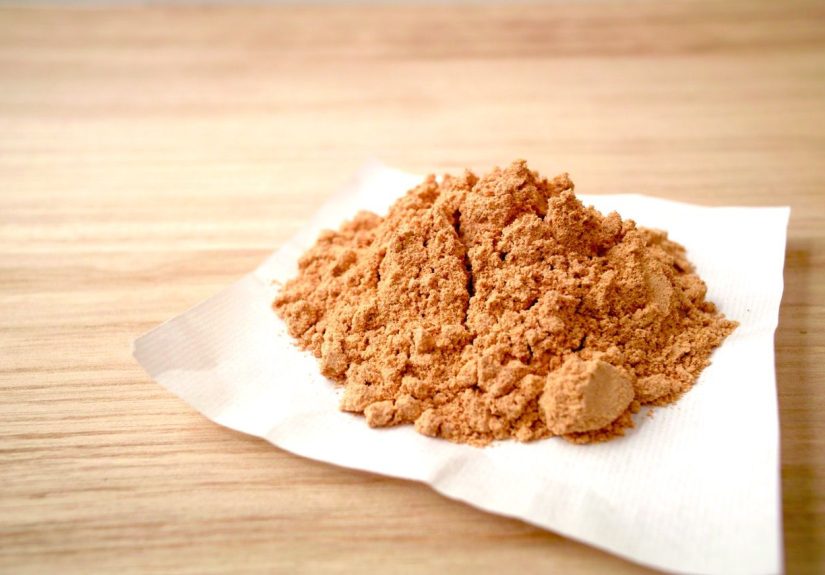
Kinako, or roasted soybean flour, is a staple ingredient in Japanese cuisine that has gained popularity worldwide due to its rich flavor and numerous health benefits. With its nutty, slightly sweet taste, kinako can be used in a variety of dishes, from desserts to savory recipes. This article explores five creative ways to incorporate kinako into your meals, showcasing its versatility and health benefits. Whether you’re a fan of Japanese cooking or just looking for new ways to spice up your kitchen, kinako is a must-try ingredient.
1. Kinako in Desserts: A Sweet and Nutty Twist
One of the most popular uses of kinako is in desserts. Its sweet, roasted flavor pairs perfectly with traditional Japanese sweets like mochi, dorayaki, and taiyaki. Kinako is often sprinkled on top of these treats, adding an earthy depth to the sweetness. You can also incorporate kinako into modern desserts such as cakes, cookies, and ice cream.
For a simple, yet delicious treat, try making kinako kinako mochi. To do this, prepare glutinous rice flour and water to form a dough. After shaping the dough into small rounds, coat them with a generous dusting of kinako for a sweet, nutty flavor. The roasted soybean flour enhances the mochi’s natural sweetness while giving it a unique texture that’s hard to resist.
Kinako Ice Cream: A Cool Treat
If you’re craving something cold, kinako ice cream is an excellent option. The nuttiness of kinako adds a depth of flavor to the creamy ice cream base, and its subtle sweetness complements the richness of the dairy. You can make kinako ice cream at home by mixing kinako with a simple vanilla ice cream base or incorporate it into a matcha-flavored ice cream for a Japanese-inspired twist.
2. Kinako as a Healthy Snack
Kinako can be used as a nutritious snack on its own or combined with other ingredients for an energy-boosting treat. In Japan, it’s common to mix kinako with sugar to make a sweet powder that’s often sprinkled on rice cakes or used to coat nuts. You can make your own kinako-based energy balls by mixing kinako with honey, rolled oats, and dried fruit for a quick, healthy snack.
Another fun idea is to combine kinako with yogurt. Simply stir a tablespoon of kinako into plain yogurt, drizzle with honey, and top with fresh fruit for a wholesome, protein-packed snack that will keep you energized throughout the day. This snack not only provides protein from the soybeans but also offers a good dose of fiber, vitamins, and minerals.
3. Kinako in Savory Dishes: A Nutty Addition
While kinako is often associated with sweet dishes, it can also enhance savory recipes. In Japan, kinako is sometimes used in soups and stews to thicken the broth and add a layer of flavor. You can add a spoonful of kinako to miso soup or vegetable broth to give it a rich, earthy taste. It pairs particularly well with dishes that contain root vegetables or mushrooms, complementing their natural earthiness.
For an easy and flavorful meal, try adding kinako to your stir-fries. Sprinkle kinako over sautéed vegetables or use it as a coating for tofu or tempeh before pan-frying. This will create a crispy, golden crust with a nutty taste that elevates the dish. Kinako also works well in savory pancakes or as a garnish for noodle dishes like soba and udon.
4. Kinako in Smoothies and Shakes
Another great way to incorporate kinako into your diet is by adding it to smoothies and shakes. Its nutty flavor complements a wide range of fruits and vegetables, making it a perfect ingredient for a protein-packed smoothie. Simply blend kinako with bananas, berries, or spinach, along with your choice of milk or plant-based alternatives. You can even add a tablespoon of kinako to your morning protein shake for an extra boost of nutrients.
For a tropical twist, try mixing kinako with mango, coconut milk, and a pinch of cinnamon. This not only gives your smoothie a rich, nutty flavor but also adds a significant dose of fiber and protein to help keep you full and satisfied.
Kinako in Green Smoothies
Kinako also pairs beautifully with green smoothies, adding a nutty, toasted flavor that balances the earthy greens like kale or spinach. The roasted soybean flour is a great source of protein, making your green smoothie more filling and nutritious. Mix kinako with almond milk, frozen banana, spinach, and a dash of honey for a healthy, satisfying drink.
5. Kinako as a Healthy Flour Substitute
If you’re looking to make healthier versions of your favorite baked goods, kinako can serve as a great substitute for traditional flour. You can substitute up to half of the flour in a recipe with kinako to give your cookies, pancakes, or muffins a nutty, protein-packed twist. Kinako works particularly well in recipes for dense baked goods like muffins or banana bread, where its flavor complements the other ingredients.
For a gluten-free option, kinako can be used as a primary flour in certain recipes. Combine it with other gluten-free ingredients like almond flour or coconut flour to create a base for your baking. Try making kinako pancakes or waffles for a delicious breakfast or brunch option that’s full of flavor and nutrition.
Kinako as a Coating for Fried Foods
Kinako can also be used as a coating for fried foods. Mix kinako with a bit of cornstarch or rice flour to create a light, crispy coating for tofu, tempeh, or even vegetables. The result is a crunchy, golden-brown crust that enhances the flavor and adds a nutritional boost. Try using kinako as a healthier alternative to traditional breading in your next stir-fry or fried dish.
Conclusion
Kinako, or roasted soy bean flour, is a versatile and nutritious ingredient that can be used in a wide range of sweet and savory dishes. From desserts like kinako mochi to savory stir-fries, its nutty flavor and protein-packed benefits make it a great addition to any kitchen. Whether you’re looking to enhance your smoothies, experiment with healthier baked goods, or try something new in your savory dishes, kinako is an ingredient that deserves a spot in your pantry. Try out these five creative ways to use kinako and discover how this traditional Japanese ingredient can elevate your meals!
Experiences with Kinako: A Delicious Journey
As someone who loves experimenting with new ingredients, I first discovered kinako while exploring Japanese cuisine. I had heard a lot about its health benefits and distinct flavor, but it wasn’t until I tried it in a simple dessert that I truly fell in love with it. The first dish I made was kinako mochi, and the moment I tasted the roasted soybean flour on top of the chewy rice dough, I knew I had found a new kitchen staple.
Since then, I’ve experimented with adding kinako to a variety of dishes. One of my favorite ways to use it is in smoothies. I find that the nuttiness of kinako complements the sweetness of fruits like banana and berries perfectly. It’s a great way to make my morning smoothie more filling while adding an extra dose of protein and fiber.
But it’s not just about sweet treats. Kinako has transformed the way I cook savory dishes as well. I started adding it to my miso soups and vegetable stir-fries, and the depth of flavor it brings to these meals is incredible. The roasted flavor really enhances the vegetables and gives the broth a rich, earthy taste that I just can’t get enough of.
What I appreciate most about kinako is its versatility. Whether it’s in a sweet dessert, savory dish, or even as a snack, there’s no limit to how you can use this ingredient. It’s a wonderful way to add a unique, wholesome flavor to your meals. If you haven’t yet tried kinako, I highly recommend giving it a shotyou might just find yourself reaching for it more often than you think!






 Close
Close