
Table of Contents >> Show >> Hide
- Is It OK to Shower with Your Baby?
- When Showering with Baby May Make Sense
- When You Should Probably Wait
- How to Shower with Baby Safely
- Best Alternatives If Showering Feels Too Risky
- Shower Safety Tips That Really Matter
- Special Considerations for Newborns, Preemies, and Sensitive Skin
- Common Mistakes Parents Make
- When to Call the Pediatrician
- What the Experience Often Feels Like for Parents
- Final Thoughts
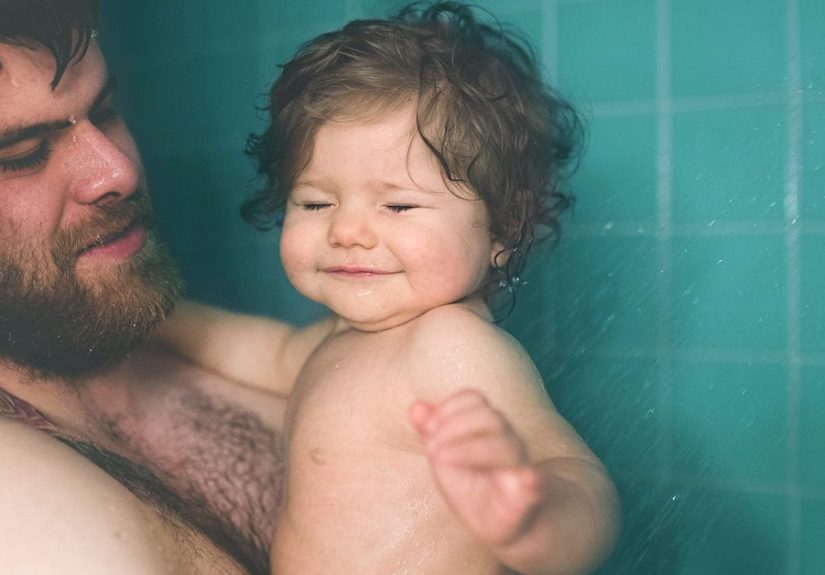
If you have ever looked at your baby, looked at your own need for a shower, and thought, “What if we both just handle this in one steamy little adventure?” congratulationsyou are officially parenting. Showering with a baby can sound efficient, cozy, and oddly cinematic. In real life, though, it is less “spa day” and more “tiny slippery human meets wet tile.”
That does not mean it is automatically a bad idea. It does mean it needs planning, good judgment, and a strong respect for the laws of gravity. For some families, showering with baby can be a practical part of the routine once the baby is old enough and the parent feels confident. For others, sponge baths and baby tubs are the better choice, especially in the newborn stage. The key is not whether it looks cute on social media. The key is whether it is actually safe, manageable, and appropriate for your baby’s age and your setup.
This guide walks through how to shower with a baby, what to avoid, when to wait, and how to make the whole experience safer and less stressful. Because clean babies are lovely, but not at the cost of turning your bathroom into an action movie set.
Is It OK to Shower with Your Baby?
Sometimes, yes. But it is not automatically the best option for every baby or every parent. In general, the biggest issue is not cleanliness. It is control. Babies are famously slippery when wet, and a shower adds moving water, steam, soap, and slick surfaces into the mix. That is a lot of variables for one adult to manage while holding a wiggly child.
For many families, a baby tub or sponge bath is easier and safer than bringing a baby into the shower. That is especially true for newborns. If your baby still has an umbilical cord stump attached, or if a circumcision site is still healing, sponge baths are usually the safer and simpler route. Once that early healing stage is over, some parents do choose to shower with baby, but it works best when the process is short, calm, and carefully planned.
A useful rule of thumb: if the idea feels rushed, awkward, or physically unstable before you even turn on the water, it is probably not the right method for that day.
When Showering with Baby May Make Sense
Showering with baby may work well when:
You have a baby who is past the very early newborn phase and tolerates water well. You have a non-slip shower setup. You have everything within reach. You are not exhausted, dizzy, recovering from a physically rough day, or trying to multitask with one eye on a text message. Best of all, you have another adult available for a handoff before and after the shower.
Some parents like showering with baby because it feels quicker than setting up a tub. Others find the warm water soothing for a fussy baby. A gentle shower can also be useful when a baby has gotten especially messy after a diaper blowout, spit-up marathon, or a meal that somehow ended in yogurt behind the ears.
That said, “convenient” should never outrank “secure.” A method that saves five minutes but increases the risk of dropping your baby is not really efficient. It is just fancy chaos.
When You Should Probably Wait
There are times when showering with baby is not the smartest move. Wait or choose another option if your baby is a newborn with a healing umbilical stump, if there is a healing circumcision site, if your baby strongly dislikes water, or if your bathroom setup is slick and cramped.
You should also skip it if you are recovering postpartum and still feel weak, sore, or unsteady. A parent with pelvic pain, incision discomfort, dizziness, or fatigue does not need a one-handed balancing challenge in a wet shower. The same goes if you are alone and already know the handoff in and out of the shower will be awkward.
Also hit pause if your baby has irritated skin, eczema flares, or a rash that seems worse with warm water or fragranced products. In those cases, a brief, gentle bath with simple products is often easier to control than a shower stream.
How to Shower with Baby Safely
1. Set Up Before the Water Starts
Do not “wing it.” This is not a cooking show. You need your towel, baby towel, clean diaper, clothes, washcloth, and mild baby cleanser ready before the shower begins. Put them within arm’s reach outside the shower area. Warm the room if needed so your baby does not go from warm water to chilly air and immediately file a formal complaint.
Use a non-slip mat in the shower and make sure the bathroom floor is as dry as possible. If you wear shower shoes or grippy sandals that help you feel more stable, great. Stability is the star of this production.
2. Keep the Water Warm, Not Hot
Baby skin is delicate. The water should feel warm, not hot. A good target is around 100°F. The shower should feel comfortable on your skin without being steamy enough to turn your bathroom into a tropical rainforest. If the water feels luxurious to a tired adult who loves near-volcanic showers, it is probably too hot for a baby.
A gentle stream is better than high-pressure spray. You do not want water blasting directly into your baby’s face. Think soft rinse, not car wash.
3. Hold Baby Securely
Use one arm to support your baby’s head, neck, and upper body, and keep a stable hold around the torso or under the bottom depending on age and size. Avoid using lotions, oils, or heavily soapy hands beforehand, since those turn a slippery situation into an Olympic event.
Many parents find it easiest to keep the baby against the chest, with the baby’s back supported and the head well away from the spray. Others prefer a football-style hold for quick rinses. There is no glamorous universal pose. The safest hold is the one that keeps your baby secure and keeps you balanced.
4. Keep It Short
When showering with baby, short is smart. A few minutes is plenty. Babies do not need a 20-minute exfoliating retreat. The goal is to get clean, stay warm, and get out before the baby becomes chilled, overstimulated, or angry enough to announce their opinion to the neighbors.
5. Use the Two-Adult Handoff If You Can
If another adult is available, this is often the safest method. One adult showers first, then the second adult hands the baby in once the water temperature is set and the parent is stable. After the rinse, the baby is handed back out immediately to be dried, diapered, and dressed. This removes the hardest part: stepping in and out of the shower while carrying a wet baby.
If you are solo and the entry or exit feels at all risky, choose a sponge bath or baby tub instead. There is no parenting medal for difficulty level.
Best Alternatives If Showering Feels Too Risky
Sponge Baths
For newborns, sponge baths are often the simplest answer. They keep the umbilical area drier, help you stay in control, and let you clean the parts that actually need cleaning without involving a full water routine.
Baby Tub Baths
A sturdy infant tub gives you a contained space and better control over a wet, wiggly baby. It also reduces the risk of slipping compared with holding a baby in a full shower. If you use a baby tub, choose a stable model with a slip-resistant design and avoid bath seats or rings that can tip over or create a false sense of security.
Swaddled or Towel Bathing
Some babies settle better when they are wrapped in a towel and only one section is uncovered at a time for washing. This can help keep them warm and calmer, especially in the first weeks when they still seem mildly offended by the concept of bathing.
Shower Safety Tips That Really Matter
Never leave your baby unattended near water. Not for a phone call, not for a towel, not for “just one second.” Babies can drown silently and quickly in very small amounts of water.
Never rely on bath seats, bath rings, or improvised supports to make showering safer. If a product makes you feel relaxed enough to use less caution, that is a problem.
Do not hold your baby directly under running water for long periods. Moving water can change temperature and may be uncomfortable or even dangerous if it shifts suddenly.
Skip strong fragrances, bubble products, and adult body washes. Babies do not need to smell like a tropical dessert. Mild, fragrance-free baby cleanser is enough, and even that can be used sparingly.
Pat the skin dry instead of rubbing. Pay attention to the neck folds, underarms, diaper area, and little creases behind the knees and thighs. Those adorable baby folds are cute, but they are also excellent at hiding moisture.
If your baby has dry skin, a simple fragrance-free moisturizer applied soon after drying may help. If the skin looks irritated, talk with your pediatrician before experimenting with trendy products and internet-famous potions.
Special Considerations for Newborns, Preemies, and Sensitive Skin
Newborns do not need daily baths. In fact, too much bathing can dry their skin. A few baths a week is usually enough, with face, neck, hands, and diaper area cleaned as needed in between. That alone takes a surprising amount of pressure off parents who think every spit-up requires a full spa reset.
Preemies and very young newborns may need extra help staying warm during any bathing routine. Their skin barrier is more delicate, and they can get chilled more easily. In those cases, the gentlest and simplest option is often best.
Babies with eczema, dry patches, or sensitive skin generally do better with lukewarm water, brief bathing time, fragrance-free cleansers, and fast moisturizing afterward. Long, hot showers are not their friend.
If your baby has a rash, oozing skin, signs of infection, or unusual discomfort during bathing, check with your pediatrician rather than guessing. The internet has many opinions. Your baby only has one skin barrier.
Common Mistakes Parents Make
One common mistake is assuming that because the parent feels stable, the baby is secure too. Wet skin changes everything. Another is trying shower-with-baby time for the first time when already sleep-deprived, rushed, or home alone with no backup plan.
Parents also sometimes overuse soap, thinking “more bubbles equals more clean.” Usually, it just equals drier skin. Another classic mistake is forgetting the exit plan. Getting the baby clean is only half the task. You also need a safe way to dry, diaper, and dress that tiny slippery potato immediately afterward.
And of course, there is the noble but misguided attempt to combine your full personal shower routine with baby washing. Shampoo, conditioner, shaving, deep thinking, and existential reflection can wait. This is baby business. Keep it simple.
When to Call the Pediatrician
Reach out to your baby’s doctor if the umbilical stump area looks red, swollen, foul-smelling, or is draining pus. Call if a circumcision site does not seem to be healing normally. It is also worth checking in if your baby develops a rash that worsens after bathing, seems unusually uncomfortable in water, or has persistent dry, cracked, or inflamed skin.
If your baby slips, hits their head, seems difficult to console afterward, or you notice any breathing issue during or after the shower, seek medical advice promptly. Even if everything seems fine, a close call is a good reason to rethink the routine.
What the Experience Often Feels Like for Parents
In real life, showering with a baby is rarely one neat, Pinterest-worthy moment. Parents often describe it as a mix of tenderness, comedy, and mild athletic effort. The first surprise is how unbelievably slippery babies become once water hits their skin. Even parents who feel confident handling their baby during diaper changes or cuddles sometimes realize, very quickly, that a shower requires a whole different level of grip, balance, and focus.
Many parents say the hardest part is not the washing itself. It is the transition. Getting into the shower safely, adjusting the water, and getting out with a wet baby feels much more complicated than it sounds on paper. That is why families who have the smoothest experiences often use a simple handoff system with another adult. One parent gets settled in the shower first. The other hands the baby over once everything is stable. A few minutes later, the baby is handed right back out to a waiting towel. It is efficient, low-drama, and much less stressful than trying to do everything solo.
Parents also report that baby temperament matters a lot. Some babies love the warm water and melt into their caregiver like a tiny relaxed koala. Others react as if they have been personally betrayed by moisture. A baby who hates the sound of the shower or startles easily may do much better with a sponge bath or infant tub. This is where following your actual baby matters more than following someone else’s routine.
There is also a strong emotional side to the experience. Some caregivers genuinely love the closeness of holding their baby under warm water, talking softly, and wrapping them in a towel right afterward. It can feel calming, bonding, and sweet. For others, the whole thing feels like unnecessary pressure and a slippery test they did not ask to take. Both reactions are normal.
Over time, parents tend to become more confident, but most say the confidence came from simplifying the process, not from becoming daredevils. They used less soap, shorter showers, better setup, warmer towels, and clearer routines. In other words, the successful experience usually comes from reducing variables, not increasing ambition.
If there is one common lesson parents seem to learn, it is this: the “best” way to keep a baby clean is the one that feels calm, controlled, and repeatable in your own home. For some families, that includes showering with baby now and then. For others, the baby tub wins every time. Clean is great. Safe and sane is better.
Final Thoughts
Showering with baby can work, but it is not a shortcut that suits every family. The safest approach is thoughtful, simple, and never rushed. If your baby is still in the newborn stage, if healing is still happening, or if your bathroom setup feels awkward, a sponge bath or infant tub is often the better call. If you do shower with your baby, keep the water warm, the routine short, the grip secure, and the floor non-slip. And if a second adult can help with the handoff, even better.
Parenting comes with enough unpredictable moments already. Bath time does not need to become one of the competitive events. Choose the method that keeps your baby clean, your nerves intact, and your dignity mostly uninjured.





 Close
Close