
Table of Contents >> Show >> Hide
- Why Ginger Tea Gets So Much Attention
- 1. Ginger Tea May Help Relieve Nausea
- 2. Ginger Tea May Offer Pain Relief
- 3. Ginger Tea and Blood Sugar: Promising, but Not a Standalone Fix
- Other Potential Ginger Tea Benefits
- How to Make Ginger Tea at Home
- Who Should Be Careful with Ginger Tea?
- Real-Life Experiences with Ginger Tea
- Final Thoughts
Ginger tea has one of the best reputations in the kitchen medicine cabinet. It is warm, spicy, easy to make, and somehow manages to taste like it has its life together even when you do not. For generations, people have reached for ginger tea when their stomach feels off, their body aches, or their energy is dragging after a rough meal. But beyond the cozy mug and the wellness glow, what can ginger tea actually do?
The short answer: quite a bit, but not everything the internet claims before breakfast. Research suggests ginger may help with certain types of nausea, may offer mild to moderate support for pain relief, and may play a role in blood sugar regulation in some people. At the same time, it is not a miracle liquid, not a substitute for medical treatment, and not a free pass to ignore the rest of your habits. A mug of ginger tea can be helpful. A mug of ginger tea cannot negotiate with a donut-heavy diet and no sleep.
This article breaks down what ginger tea may actually offer, where the evidence looks strongest, where it looks more mixed, and how to use it in a practical, realistic way. If you want a natural remedy that feels comforting and has research behind it, ginger tea deserves a serious look.
Why Ginger Tea Gets So Much Attention
Ginger comes from the rhizome of the ginger plant, and it contains natural compounds such as gingerols and shogaols. These compounds are often linked to ginger’s spicy flavor and many of its possible health effects. When ginger is steeped in hot water, those compounds create a drink that is soothing, aromatic, and surprisingly versatile.
One reason ginger tea remains popular is that it pulls off a rare trick: it is both simple and functional. You do not need a complicated recipe, a supplement aisle scavenger hunt, or a blender that sounds like it is launching into orbit. A few slices of fresh ginger and hot water can create a drink that supports hydration and may help calm the stomach, which already gives it a practical edge over many so-called wellness products.
Another reason people love it is that unsweetened ginger tea fits into many eating styles. It is naturally caffeine-free, low in calories, and easy to pair with other supportive ingredients like lemon, mint, or cinnamon. In other words, it is one of those rare health habits that does not feel like punishment.
1. Ginger Tea May Help Relieve Nausea
If ginger tea had a résumé, nausea relief would be the line in bold. This is the health benefit with the best-known reputation and some of the strongest support behind it. Ginger appears to help the digestive system in several ways, including supporting gastric movement and influencing signals involved in the nausea response.
Pregnancy-Related Nausea
Among the most talked-about uses for ginger is morning sickness. Despite the name, morning sickness does not always respect office hours. It can show up early, late, or all day like an uninvited group chat. Ginger has been studied for nausea and vomiting associated with pregnancy, and this is one of the areas where evidence looks especially encouraging.
For someone dealing with mild pregnancy nausea, sipping ginger tea can be a gentle option, especially when strong smells, heavy meals, or plain water suddenly seem personally offensive. Many people find that warm ginger tea is easier to tolerate than richer foods first thing in the morning. It may not erase symptoms completely, but it can make the day feel more manageable.
That said, pregnancy is not the time to freestyle with high-dose supplements. Food-level ginger, such as tea made from fresh ginger, is generally the more conservative route, while supplements should be discussed with a healthcare professional.
Upset Stomach, Mild Digestive Nausea, and “Why Did I Eat That?” Moments
Ginger tea is also a popular choice for mild digestive nausea, bloating, and general stomach unease. This is why people often keep ginger on hand during travel, after stomach bugs, or after meals that seemed like a good idea at the time. The warm liquid itself can be soothing, while the ginger may help settle the stomach.
For example, if someone wakes up with a slightly sour stomach after a rich restaurant dinner, ginger tea may feel easier to tolerate than coffee or acidic juice. It can be especially useful when you want something light and hydrating rather than a heavy snack.
Chemotherapy, Surgery, and Other Medical Causes of Nausea
Ginger has also been studied for nausea related to chemotherapy and after surgery. The research here is more mixed. Some studies suggest it may help as an add-on to standard anti-nausea treatment, while other findings are less conclusive. That means ginger tea can be a supportive extra for some people, but it should not replace medically recommended treatment.
In plain English, ginger tea can be a helpful teammate, but it should not try to play doctor.
2. Ginger Tea May Offer Pain Relief
Now let us talk about pain. Ginger is often described as having anti-inflammatory properties, which is one reason it gets attention for aches and soreness. The important detail is that ginger is not usually an instant pain reliever in the same way a standard over-the-counter medication might be. Think of it more as steady support than dramatic fireworks.
Menstrual Cramps
One of the most promising areas for ginger and pain relief is menstrual discomfort. Research on ginger supplements suggests it may reduce the severity of menstrual cramps in some people. That does not mean one cup of tea will instantly turn a brutal day into a yoga commercial, but regular ginger tea may be part of a comforting routine.
For many people, the value is not just the ginger itself. A warm drink can help the body relax, support hydration, and create a calming ritual when cramps are making everything feel needlessly dramatic. Ginger tea works especially well when paired with practical basics like rest, fluids, light meals, and whatever pain strategy your clinician recommends.
Arthritis and Everyday Aches
Ginger is also studied for osteoarthritis and inflammatory discomfort. The evidence is promising, but not perfectly clean or consistent. Some studies suggest ginger may help reduce osteoarthritis pain, while others find the benefit is modest or not strong enough to call it a clear winner. That means it is reasonable to think of ginger tea as supportive rather than transformative.
Still, small habits matter. If someone swaps a sugary afternoon drink for unsweetened ginger tea and also gets a little anti-inflammatory support in the process, that is a meaningful upgrade. It may not make stiff knees write a thank-you note, but it can fit nicely into a larger lifestyle approach that includes exercise, sleep, weight management, and appropriate treatment.
Muscle Soreness and General Inflammation
Some research has also explored ginger for exercise-related soreness and general inflammation. The theme stays pretty consistent: ginger may help, but it is not magic. If your legs hurt because you decided to do a heroic workout after six months of “active recovery,” ginger tea might support the recovery process, but it is not going to erase your choices.
3. Ginger Tea and Blood Sugar: Promising, but Not a Standalone Fix
The blood sugar question is where headlines often get a little too excited. Yes, some studies on ginger supplementation suggest improvements in fasting blood glucose and hemoglobin A1c in people with type 2 diabetes. That is interesting and worth paying attention to. But it does not mean ginger tea alone can manage diabetes, reverse insulin resistance overnight, or let you ignore the basics of nutrition, movement, and prescribed treatment.
What the Research Suggests
Researchers are still sorting out exactly how ginger may influence blood sugar. Proposed mechanisms include effects on carbohydrate metabolism, insulin sensitivity, and glucose uptake in tissues. In short, ginger seems to interact with some of the systems involved in how the body handles sugar.
However, most stronger research in this area has looked at supplements rather than a casual mug of tea. That distinction matters. A cup of ginger tea is gentler and may still be a smart choice, but it is not the same as the concentrated doses used in clinical studies.
Why Unsweetened Ginger Tea Makes More Sense
If blood sugar is your concern, unsweetened ginger tea is the better option than sweetened ginger drinks. This is where labels matter. Many commercial ginger beverages contain a lot of added sugar, which is obviously not ideal if you are trying to keep glucose levels steady. A homemade ginger tea with fresh ginger, hot water, and maybe a squeeze of lemon is a much cleaner choice.
So yes, ginger tea may fit into a blood-sugar-friendly routine. But the word there is fit. It is part of the team, not the entire team roster.
What It Does Not Mean
Ginger tea is not a replacement for diabetes care. It should not take the place of glucose monitoring, medication, medical nutrition therapy, or guidance from your healthcare team. If anything, the smartest role for ginger tea is as a habit that supports a bigger pattern: choosing lower-sugar drinks, staying hydrated, and adding flavor without relying on sweeteners.
Other Potential Ginger Tea Benefits
While nausea, pain relief, and blood sugar get the spotlight, ginger tea may have a few other appealing qualities too.
It Can Support Digestion
Many people drink ginger tea after meals because it feels settling. That practical digestive support is part of why ginger shows up so often in traditional food cultures. If you tend to feel heavy, overfull, or mildly queasy after rich meals, ginger tea can be a simple reset button.
It Is a Smart Low-Sugar Beverage Swap
Sometimes the biggest health win is not some exotic effect. Sometimes it is just replacing a sugary drink with something lighter. Unsweetened ginger tea can help cut down on liquid sugar while still giving you flavor, warmth, and a sense that you are doing something kind for your body instead of negotiating with it.
It Encourages Hydration
Hydration matters for everything from digestion to energy to how you feel when you are sick. For people who struggle to drink plain water all day, herbal teas can make fluid intake more appealing. Ginger tea is especially useful because it feels purposeful, not boring.
How to Make Ginger Tea at Home
The good news is that ginger tea is about as high-maintenance as a houseplant made of stone.
Simple Ginger Tea
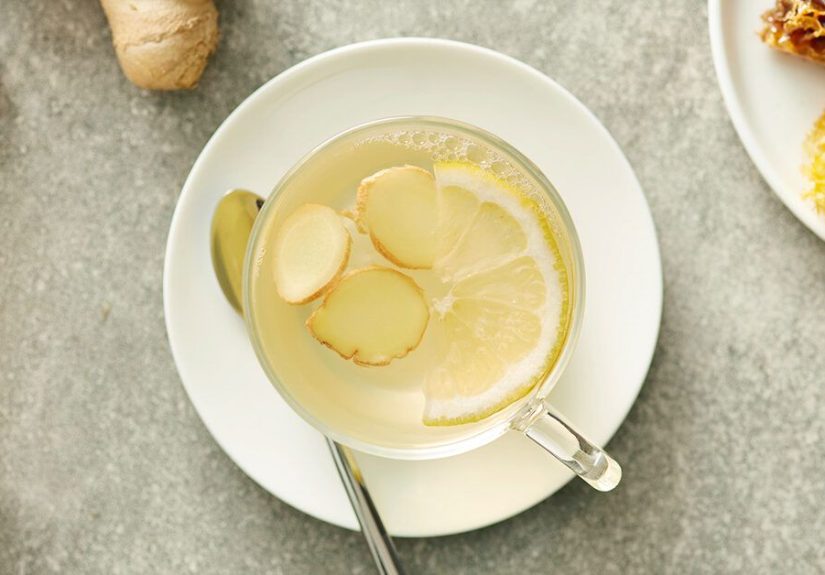
Slice or grate fresh ginger, add it to hot water, and let it steep for several minutes. The longer it steeps, the bolder and spicier the flavor becomes. Some people like to add lemon for brightness. Others add a little cinnamon or mint. If you want sweetness, use a small amount and keep blood sugar goals in mind.
You can also make a stronger batch and chill it for iced ginger tea later. It is one of the few healthy drinks that still tastes intentional when cold.
Who Should Be Careful with Ginger Tea?
Ginger tea is generally well tolerated in food-level amounts, but more is not always better. Higher intakes of ginger can cause heartburn, bloating, abdominal upset, diarrhea, or irritation in the mouth and throat in some people. If your digestive tract is already feeling dramatic, an overly strong ginger brew may not calm the scene as much as you hoped.
People who take blood thinners should be especially cautious with high amounts of ginger or ginger supplements because of possible bleeding-related concerns. People with diabetes should also use common sense, especially if they are considering concentrated supplements, since ginger may affect blood sugar. In both cases, normal food amounts are usually the safer lane, but it is wise to check with a healthcare professional if you take medication regularly.
If you are pregnant, ginger tea may be a reasonable option for nausea, but it is still smart to bring it up with your prenatal care provider, especially if symptoms are severe or persistent.
Real-Life Experiences with Ginger Tea
One reason ginger tea has stayed popular for so long is that it fits real life. Not idealized, perfectly color-coded wellness life. Real life. The kind where your stomach flips on the commute, your lunch did not agree with you, your period arrived like it had a personal grudge, or your afternoon energy crashed and coffee suddenly sounded like a terrible idea.
Take the classic queasy morning scenario. A lot of people find that plain water feels unappealing when nausea hits, but warm ginger tea goes down more gently. It gives the stomach something light, the hands something warm, and the brain a tiny message that says, “We are handling this.” That alone can be surprisingly helpful. The experience is often not dramatic. It is more like the volume knob on nausea gets turned down a few clicks, which can be enough to get through breakfast, a meeting, or a car ride without feeling miserable.
For people dealing with menstrual cramps, ginger tea often becomes part of a routine instead of a one-time fix. It is the mug you make while reaching for a heating pad, changing into soft clothes, and canceling all plans that involve hard chairs or cheerful small talk. The relief may come from the combination of warmth, hydration, and ginger’s natural compounds rather than from one miracle moment. Still, many people appreciate having something simple they can sip when their body feels tense and irritated.
People with joint stiffness or general aches sometimes describe ginger tea as a “quiet helper.” It may not produce a giant before-and-after reveal, but over time it feels like one of those small habits that supports comfort. This is especially true when it replaces sweet coffee drinks, soda, or late-night snacks that do not do inflammation any favors. In that sense, the experience of ginger tea is often bigger than the tea itself. It nudges other choices in a better direction.
Then there is the blood sugar angle. Someone trying to reduce sweetened drinks may find ginger tea incredibly useful because it has flavor without demanding sugar to be interesting. That is not glamorous, but it is practical. A mug of unsweetened ginger tea in the afternoon can satisfy the need for something warm and satisfying without turning into a dessert in disguise. Over time, that kind of swap can matter more than any dramatic promise on a supplement label.
There is also an emotional side to the experience. Ginger tea feels comforting. It slows you down for a few minutes. It smells fresh, earthy, and a little sharp in a way that makes the kitchen feel purposeful. For some people, that ritual is part of the benefit. You are not just drinking something healthy. You are pausing, warming up, and doing one small thing that supports your body instead of arguing with it.
That is probably why ginger tea keeps earning repeat customers. It is not flashy. It is not trying to become your entire personality. It just shows up, does a few useful things reasonably well, and asks very little in return. In wellness terms, that is practically iconic.
Final Thoughts
Ginger tea earns its reputation honestly. It is not a cure-all, but it is more than a trendy drink with good public relations. The best evidence supports ginger for nausea, especially pregnancy-related nausea, while research on pain relief and blood sugar is promising enough to take seriously but not strong enough to oversell. That balance matters.
If you enjoy ginger tea, there is a lot to like. It is simple, comforting, low in sugar when prepared plainly, and easy to fit into daily life. Used thoughtfully, it can support digestion, help calm nausea, and possibly contribute to a healthier routine overall. Just keep expectations realistic, keep the sweeteners in check, and remember that even great tea works best as part of a bigger health picture.
In other words, ginger tea is not magic. But for a humble root steeped in hot water, it is doing a pretty impressive job.







 Close
Close