
Table of Contents >> Show >> Hide
- Why this headline is getting so much attention
- What GLP-1 drugs actually do
- How GLP-1 use may connect to better colon cancer survival
- Earlier studies were already pointing in this direction
- Why obesity keeps showing up in this discussion
- What this research does not prove
- What patients and clinicians should do with this information right now
- Side effects, trade-offs, and the less glamorous part of the GLP-1 story
- Conclusion: a promising signal, not a final answer
- Real-world experiences related to GLP-1 use, obesity, and colon cancer outcomes
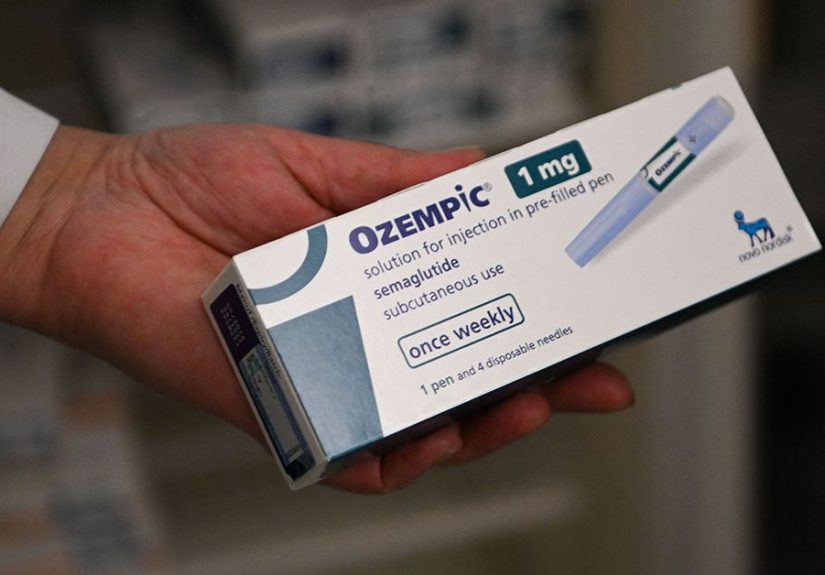
Every so often, a medical headline barges into the room like it owns the place. This one has that energy: GLP-1 drugs, the same class of medications that became household names through Ozempic, Wegovy, and their metabolic cousins, are now being linked to better survival in people with colon cancer. That is a big deal, and not just because the internet loves a dramatic plot twist. It matters because colorectal cancer remains one of the most common and deadly cancers in the United States, while obesity and type 2 diabetes continue to overlap with cancer risk in messy, medically important ways.
Here is the important nuance before we all start writing love poems to semaglutide: the newest survival data is strongest for colon cancer, which is one major part of the broader colorectal cancer family. So yes, the headline is exciting. No, this is not a permission slip to treat every GLP-1 as a miracle anti-cancer wand. Science rarely wears a cape. It usually arrives with spreadsheets, caveats, and somebody saying, “More study is needed.” In this case, that somebody is correct.
Why this headline is getting so much attention
The current buzz comes from a real-world study of 6,871 patients with primary colon cancer published in Cancer Investigation. Researchers found that people using a GLP-1 receptor agonist had a much lower five-year mortality rate than non-users: 15.5% versus 37.1%. After adjusting for factors such as age, body mass index, disease severity, and other health variables, GLP-1 use was still associated with significantly lower odds of death. The benefit looked strongest in patients with severe obesity, especially those with a BMI above 35.
That kind of signal gets attention fast, and for good reason. Colon cancer is not a minor-league diagnosis. Any therapy linked to better survival deserves a close look, especially when it is already being used at scale for obesity and diabetes. The study also adds to a larger pile of evidence suggesting GLP-1 receptor agonists may be doing more than lowering blood sugar and shrinking waistlines. They may be changing the biologic environment that helps cancers get comfortable.
And the plot thickens. A separate analysis presented at the 2026 ASCO Gastrointestinal Cancers Symposium looked at patients with colon cancer and obesity in a large TriNetX network. After matching patients carefully, investigators reported lower overall mortality among GLP-1 users, along with lower risks of complications such as myocardial infarction, sepsis, and the need for mechanical ventilation. That does not turn GLP-1 drugs into standard colon cancer therapy overnight, but it absolutely nudges them out of the “just a diabetes and weight-loss drug” box.
What GLP-1 drugs actually do
GLP-1 receptor agonists are prescription medicines that mimic the actions of glucagon-like peptide-1, a hormone involved in appetite regulation, glucose control, and digestion. In plain English, they help people feel fuller, slow stomach emptying, improve blood sugar regulation, and often support meaningful weight loss. That combination is exactly why they became stars in both diabetes care and obesity treatment.
But their appeal is not just cosmetic, despite the way social media sometimes treats them like expensive little red-carpet accessories. Obesity is tied to multiple cancers, including colon and rectal cancers. Excess body fat can drive chronic inflammation, insulin resistance, altered hormone signaling, and other metabolic changes that create friendlier conditions for cancer development and progression. So when a medication helps lower weight, improve insulin sensitivity, and quiet inflammatory signaling, researchers naturally start asking a larger question: could this also influence cancer outcomes?
That question is now moving from curiosity to real investigation.
How GLP-1 use may connect to better colon cancer survival
1. Metabolism matters more than people think
Colon cancer does not develop in a vacuum. It develops in a body, and that body has hormones, inflammatory pathways, insulin levels, dietary patterns, gut signals, and immune responses that either make life harder for tumor cells or roll out a depressing little welcome mat. Obesity and type 2 diabetes can intensify some of those pro-cancer signals. GLP-1 drugs may improve that internal terrain by reducing hyperinsulinemia, improving glycemic control, and helping patients lose weight.
2. Inflammation may be part of the story
Researchers have also pointed to reduced systemic inflammation as a possible reason GLP-1 users might fare better. Chronic inflammation is one of cancer’s favorite wingmen. It can influence tumor growth, immune escape, and disease progression. If GLP-1 therapy helps cool some of that inflammatory chaos, the effect may ripple into cancer outcomes, particularly in patients with obesity-related metabolic dysfunction.
3. There may be direct tumor-related effects
Here is where things get even more interesting, though still not fully settled. Reviews of the evidence suggest GLP-1 receptor agonists may affect cell proliferation, apoptosis, and the tumor microenvironment in ways that could matter for colorectal cancer biology. Some laboratory research hints that these drugs might slow cancer cell growth or influence immune and metabolic pathways that shape how tumors behave. That is promising, but let us keep our lab goggles on: mechanisms that look exciting in models still need to prove themselves in human trials.
Earlier studies were already pointing in this direction
The survival story did not appear out of nowhere wearing sunglasses and pretending it invented the concept. Earlier research had already linked GLP-1 receptor agonists to a lower risk of developing colorectal cancer in some populations.
One widely discussed JAMA Oncology study followed more than 1.2 million drug-naive patients with type 2 diabetes over 15 years. Compared with insulin, metformin, and several other diabetes medications, GLP-1 receptor agonists were associated with a lower risk of a first-time colorectal cancer diagnosis. The association was especially notable among people with overweight or obesity. That does not prove prevention, but it does suggest these medications may be influencing pathways relevant to cancer development long before treatment conversations begin.
A later systematic review and meta-analysis, pooling data from roughly 2 million patients with type 2 diabetes, reached a similar broad conclusion: GLP-1 receptor agonist use was associated with a lower colorectal cancer risk when compared with some traditional diabetes therapies, especially insulin and thiazolidinediones. In other words, the newer survival findings did not come out of left field. They landed on a field that already had footprints.
There is even broader context beyond colorectal disease. A 2025 JAMA Oncology study in adults with obesity found GLP-1 use was associated with a lower overall cancer risk in that population, although the reductions were clearer for some cancers than others. That study does not answer the colon cancer survival question by itself, but it supports the idea that metabolic therapy and cancer outcomes are increasingly overlapping conversations.
Why obesity keeps showing up in this discussion
Because obesity keeps showing up in real life. Public health agencies and cancer organizations have been saying for years that excess body weight is linked to a higher risk of colorectal cancer and, in some groups, a higher risk of dying from it. Add in physical inactivity, poor diet, tobacco, alcohol, insulin resistance, and type 2 diabetes, and you have a cluster of factors that can shape both cancer risk and cancer prognosis.
That is why the strongest survival benefit in the new colon cancer study showing up in patients with BMI over 35 is not random trivia. It fits a biologically plausible pattern. Patients with the highest metabolic burden may have the most to gain when a therapy reduces appetite, body weight, blood sugar dysregulation, and inflammatory signaling. It is the medical version of cleaning up the noisiest room first: the improvement tends to be more noticeable.
Still, “biologically plausible” is not the same as “proven.” A plausible explanation is useful. It is not a final verdict.
What this research does not prove
Let us put the brakes on before the hype train jumps the tracks.
First, the headline survival study was observational. That means researchers looked at outcomes in the real world rather than randomly assigning people to take or not take a GLP-1 drug. Observational studies are valuable, especially for finding important patterns, but they cannot fully eliminate confounding. Maybe GLP-1 users also had better access to care, closer follow-up, or different health behaviors. The researchers adjusted for many factors, but adjustment is not magic.
Second, the newest mortality data focused on colon cancer, not every colorectal cancer scenario. Colon and rectal cancers share the colorectal umbrella, but they are not identical in biology, treatment, or outcomes. Using the broader phrase “colorectal cancer” in a headline is understandable for reach, but the details matter if accuracy is your hobby. It should be.
Third, the number of GLP-1 users in the 2025 colon cancer mortality study was relatively small compared with the total cohort. That makes the signal intriguing, but it also means larger and more diverse studies are needed. Ideally, researchers will confirm the findings in additional cohorts and, eventually, in prospective trials designed to answer this question directly.
What patients and clinicians should do with this information right now
The correct response is not panic, and it is not blind celebration. It is informed interest.
If a patient with obesity or type 2 diabetes is already on a GLP-1 drug, these findings may be reassuring and potentially encouraging. If a patient with colon cancer is considering a GLP-1 medication for a legitimate indication such as diabetes or obesity, this research becomes part of a larger risk-benefit conversation with the care team. That conversation should include cancer treatment plans, nutrition, gastrointestinal side effects, cardiovascular history, kidney issues, pancreatitis concerns, and overall goals of care.
What patients should not do is swap evidence-based colon cancer treatment for a weekly injection and a hopeful shrug. Surgery, chemotherapy, radiation when appropriate, surveillance, pathology-guided decisions, and multidisciplinary care remain the center of gravity in colorectal cancer management. GLP-1 drugs may become a meaningful supporting actor, but they are not the whole cast.
Also worth repeating: screening still matters enormously. Colorectal cancer screening can reduce mortality and, in some cases, reduce incidence by catching and removing precancerous polyps before they become cancer. For average-risk adults, screening discussions generally begin at age 45. A drug with a promising association is exciting. A screening test that prevents cancer from forming in the first place is still hard to beat.
Side effects, trade-offs, and the less glamorous part of the GLP-1 story
Because every promising medication eventually meets reality in the pharmacy aisle.
GLP-1 receptor agonists commonly cause gastrointestinal side effects, especially when treatment begins or doses increase. Nausea, vomiting, diarrhea, constipation, reduced appetite, bloating, and indigestion are frequent complaints. For some patients, those effects fade. For others, they become the reason the drug winds up in a drawer next to three chargers and a packet of soy sauce. In cancer care, where appetite, hydration, bowel habits, and nutrition already deserve their own project manager, side effects are not a footnote. They are part of the main text.
This is why oncologists, primary care clinicians, endocrinologists, and nutrition teams may need to coordinate more closely if GLP-1 use becomes more common in patients with colorectal cancer. The question is not just whether a medication might improve outcomes. It is whether the patient can tolerate it, stay nourished, maintain muscle mass, and continue the rest of their treatment without turning every meal into a negotiation.
Conclusion: a promising signal, not a final answer
So, is GLP-1 use linked to better survival rates in colorectal cancer? The most accurate answer is this: recent evidence suggests a real and potentially important survival benefit in colon cancer, especially in patients with obesity, while earlier research also points to a reduced risk of developing colorectal cancer in some high-risk populations. That is a meaningful development. It is not yet the last word.
The most encouraging part of this story is not that one trendy drug class might have stumbled into cancer relevance. It is that medicine is finally getting better at connecting metabolic health, cancer biology, and long-term outcomes. For years, those topics sat at separate tables like awkward wedding guests. Now they are finally talking, and the conversation is getting interesting.
For clinicians, researchers, and patients alike, the takeaway is simple: stay curious, stay careful, and do not confuse “very promising” with “fully proven.” Science is moving. The job now is to keep up without tripping over the hype.
Real-world experiences related to GLP-1 use, obesity, and colon cancer outcomes
In the real world, experiences around GLP-1 use and colon cancer rarely feel as tidy as a journal abstract. They usually begin somewhere much less cinematic: a patient has obesity, type 2 diabetes, or both; maybe blood sugar has been difficult to control, maybe weight has been stubborn despite good effort, maybe a primary care doctor or endocrinologist starts a GLP-1 drug to improve metabolic health. At first, the experience is practical, not philosophical. People talk about smaller meals, less appetite, nausea after greasy food, slower digestion, and the odd shock of feeling full halfway through lunch. Nobody is thinking, “Ah yes, this may one day reshape the tumor microenvironment.” They are thinking, “Why is half a sandwich suddenly a full event?”
Then cancer enters the picture, and the tone changes. For a patient diagnosed with colon cancer, every medication suddenly gets reevaluated through a much sharper lens. What helps? What harms? What can stay? What should stop before surgery? What interacts with treatment? These are the moments when the lived experience becomes more complicated than a headline. A GLP-1 drug may still be useful, especially for a patient with obesity or diabetes, but now the care team has to balance blood sugar, appetite, hydration, bowel function, treatment tolerance, and mental bandwidth. Cancer does not politely handle one problem at a time.
Clinicians often describe a very grounded version of hope here. Not hype. Not a drum circle around a prescription pen. Just hope with sensible shoes on. If a patient using a GLP-1 drug also has better metabolic control, less inflammation, improved cardiovascular stability, and perhaps better long-term cancer outcomes, that matters. It matters because colon cancer care is not only about shrinking tumors. It is also about helping patients remain strong enough to get through surgery, recover, tolerate systemic treatment, avoid complications, and keep moving through everyday life.
From the patient side, the experience can be mixed but meaningful. Some people appreciate that a GLP-1 medication helps them feel more in control of weight and diabetes at a time when cancer makes everything else feel wildly out of control. Others struggle with the gastrointestinal side effects and wonder whether the trade-off is worth it, especially during treatment phases when eating enough is already hard. That tension is real. A drug can be beneficial on paper and still be annoying at dinner.
There is also a quieter emotional experience that deserves mention. Many patients with obesity have spent years hearing simplistic advice that sounds suspiciously like “have you tried being less complex?” Then a diagnosis like colon cancer arrives, and the conversation about weight, metabolism, and health becomes even more emotionally loaded. In that context, GLP-1 research can feel validating. It suggests that metabolic health is not merely about willpower or appearance. It is deeply biological, medically serious, and closely tied to outcomes that matter.
For survivors and families, another common experience is renewed attention to screening and prevention. One promising drug story does not erase the basics. People still talk about colonoscopy timing, stool-based testing, diet, exercise, smoking, alcohol, follow-up scans, and family history. In fact, the GLP-1 conversation often makes these issues more urgent, not less. If metabolism influences cancer risk and survival, then prevention stops looking like a side quest and starts looking like the main campaign.
That may be the most relatable experience of all: this research makes people rethink the connections between diseases that used to seem separate. Obesity, diabetes, inflammation, cardiovascular risk, and cancer are not living in different zip codes. They share roads, traffic, and plenty of bad neighbors. GLP-1 drugs are interesting because they appear to influence several of those roads at once. For patients, that can feel surprisingly hopeful. Not because the story is finished, but because the story finally makes more sense.







 Close
Close