
Table of Contents >> Show >> Hide
- Why Grandma’s Candied Yams Still Hit Different
- Are Candied Yams Actually Made With Yams?
- Grandma’s Candied Yam Recipe
- Why This Recipe Works So Well
- Best Tips for Perfect Candied Yams
- Common Mistakes That Can Ruin Candied Yams
- Variations on the Classic Recipe
- What to Serve with Grandma’s Candied Yams
- Make-Ahead, Storage, and Reheating
- The Experience of Grandma’s Candied Yams: More Than a Side Dish
- Final Thoughts
- SEO Tags
Some side dishes politely sit on the plate and mind their business. Candied yams are not that kind of side dish. They show up glossy, buttery, sweet, and fragrant, acting like they own the holiday table. Honestly, they kind of do. A great Grandma’s candied yam recipe is one of those old-school dishes that makes people hover near the oven, “just checking” whether dinner is ready while sneaking a syrupy bite off the serving spoon.
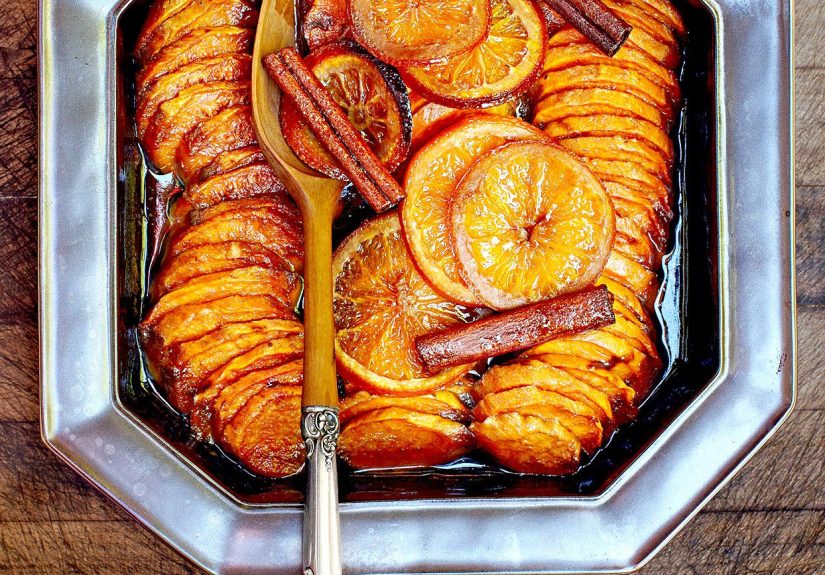
This version keeps all the cozy charm of a Southern classic while making the method easy enough for a modern home cook. It uses sliced sweet potatoes, a rich brown sugar glaze, warm spices, butter, vanilla, and a splash of citrus for balance. The result is tender candied yams with a silky sauce that tastes like Thanksgiving, Sunday dinner, and a family story all at once.
Why Grandma’s Candied Yams Still Hit Different
There is a reason this recipe keeps surviving every food trend, diet reset, and suspiciously healthy holiday makeover. It works. Candied yams bring together everything people secretly want from a comfort-food side dish: softness, sweetness, buttery richness, and that caramelized edge where the syrup thickens around the potatoes and turns every scoop into treasure.
The magic is in the contrast. Sweet potatoes are earthy and naturally sugary, but they also have enough body to stand up to butter, brown sugar, cinnamon, and vanilla. When baked low and slow in a spiced syrup, they become tender without turning into baby food. That matters. Grandma did not raise us to eat orange mush with a holiday ham.
Another reason this dish lasts? It feels generous. A pan of candied yams says, “There is enough for everybody,” even though everybody immediately starts calculating whether they can get seconds before the turkey crowd notices.
Are Candied Yams Actually Made With Yams?
In most American kitchens, candied yams are really made with orange-fleshed sweet potatoes. True yams are a different tuber entirely, usually starchier, drier, and less common in standard U.S. grocery stores. So if you are standing in the produce aisle wondering whether you need a botany degree to make Thanksgiving dinner, relax. For this recipe, look for orange sweet potatoes labeled sweet potatoes or yams. Grocery stores use the names interchangeably all the time.
The best choices are garnet or jewel sweet potatoes because they bake up soft, moist, and beautifully orange. That deep color is part of the whole appeal. Nobody gathers around the table and says, “Wow, what a memorable beige casserole.”
Grandma’s Candied Yam Recipe
Ingredients
- 4 pounds orange-fleshed sweet potatoes, peeled
- 1 cup packed dark brown sugar
- 1/4 cup granulated sugar
- 1/2 cup unsalted butter, cut into pieces
- 1/2 cup orange juice
- 1 tablespoon vanilla extract
- 1 1/2 teaspoons ground cinnamon
- 1/4 teaspoon ground nutmeg
- Pinch of ground cloves
- 1/2 teaspoon kosher salt
- 1 tablespoon maple syrup or pineapple juice, optional
- 1/2 cup chopped pecans, optional
- Mini marshmallows, optional, for a sweeter casserole-style finish
Instructions
- Preheat your oven to 350°F. Lightly butter a 9×13-inch baking dish.
- Slice the sweet potatoes into rounds about 1/2 inch thick. Try to keep them fairly even so they cook at the same pace.
- Arrange the slices in the baking dish, overlapping them slightly.
- In a medium saucepan over medium heat, combine the brown sugar, granulated sugar, butter, orange juice, vanilla, cinnamon, nutmeg, cloves, salt, and optional maple syrup or pineapple juice. Stir until the butter melts and the mixture is smooth and glossy. Do not cook it into candy; you just want the sugar dissolved and the flavors mingling like cousins at a reunion.
- Pour the glaze evenly over the sweet potatoes. Cover the dish tightly with foil.
- Bake for 35 minutes. Remove the foil, carefully spoon some of the syrup over the potatoes, and bake uncovered for another 25 to 35 minutes, or until the potatoes are fork-tender and the sauce has thickened.
- If using pecans, sprinkle them over the top during the last 10 minutes of baking. If using marshmallows, add them in the last 5 minutes so they toast instead of turning into sugary insulation foam.
- Let the dish rest for 10 to 15 minutes before serving. The glaze will thicken a little more, and the flavor will settle into that rich, sticky, buttery zone everyone is hoping for.
Yield and Timing
This recipe serves 8 to 10 people as a holiday side dish. Plan for about 20 minutes of prep time and roughly 60 to 70 minutes of baking time, depending on how thick your slices are and how much caramelization you want.
Why This Recipe Works So Well
A good candied yam recipe is not just about dumping sugar on sweet potatoes and hoping for the best. The balance matters. Brown sugar gives depth and a mild molasses flavor. A little granulated sugar sharpens the sweetness and helps the glaze get shiny. Butter rounds everything out and creates that rich, almost caramel-like texture. Orange juice adds brightness so the dish tastes warm and complex instead of flat and sugary.
The covered-then-uncovered bake is another key move. Covering the dish first lets the sweet potatoes soften gently in steam and syrup. Uncovering it later reduces the liquid and concentrates the flavor. That is how you get tender slices coated in a thick glaze instead of hard potatoes swimming in orange sugar soup.
The spice profile matters, too. Cinnamon does the heavy lifting, but nutmeg and cloves bring just enough old-fashioned warmth to make the dish smell like a holiday memory. Vanilla ties it together. It is the kind of ingredient people do not always notice, but they definitely notice when it is missing.
Best Tips for Perfect Candied Yams
Choose the right potatoes
Stick with orange-fleshed sweet potatoes. They are sweeter, creamier, and more traditional for this style of dish than drier white varieties.
Do not slice them too thin
If the slices are too thin, they can fall apart before the glaze thickens. About 1/2 inch is the sweet spot. Thick enough to hold shape, thin enough to cook through.
Use enough salt
A small amount of salt makes the sweetness taste more intentional and less one-note. It is the difference between “wow” and “why does this taste like candy at a church potluck?”
Baste once during baking
It sounds fussy, but it takes one minute and improves the texture and flavor. Spoon the syrup over the slices halfway through so the top layer stays glossy and well coated.
Let the dish rest before serving
Fresh from the oven, the glaze will seem a little loose. Give it 10 to 15 minutes and it thickens beautifully. Patience here pays off.
Common Mistakes That Can Ruin Candied Yams
Using canned yams when you want a from-scratch texture. Canned sweet potatoes can work in a pinch, but the texture is softer and the flavor is usually sweeter from the start. They are fine for a shortcut casserole, less ideal for a true homemade version.
Skipping the acid. A splash of orange juice, pineapple juice, or even lemon keeps the glaze from tasting heavy. Without it, the dish can feel like it needs a nap halfway through the first bite.
Overbaking. You want fork-tender, not collapse-on-contact. Once the slices are soft and the glaze is thick, pull the pan.
Adding marshmallows too early. Marshmallows go from golden to tragic in record time. Add them only near the end if you want that extra-sweet topping.
Variations on the Classic Recipe
Southern-style candied yams
Keep the butter, brown sugar, cinnamon, and vanilla front and center. This is the most traditional route and the one most people picture when they hear the phrase Southern candied yams.
Candied yams with orange juice
This version leans a little brighter and less heavy. The citrus makes the glaze taste lively and cuts through rich main dishes like ham, roast turkey, or glazed pork.
Candied yams with marshmallows
If your family expects marshmallows, go ahead and add them. Purists may roll their eyes, but holiday food is not a courtroom. If the table loves toasted marshmallows, let them live.
Candied yams with pecans
Pecans add crunch and a nutty contrast to the soft potatoes and sticky glaze. They also make the dish feel a little more layered and less dessert-adjacent.
Bourbon or maple candied yams
A splash of bourbon or a spoonful of maple syrup adds depth and grown-up warmth. Not necessary, but undeniably delicious.
What to Serve with Grandma’s Candied Yams
This dish shines on a holiday menu, but it is not limited to Thanksgiving. It pairs especially well with baked ham, roast turkey, fried chicken, pork chops, or even a simple Sunday roast. Because the yams are sweet and buttery, they also pair nicely with savory greens, mac and cheese, green beans, cornbread dressing, or anything smoky and salty.
Think of them as the balancing act on the plate. They bring softness and sweetness where the rest of dinner brings salt, savory depth, and crunch. They are the peacemaker of the meal, and also the diva.
Make-Ahead, Storage, and Reheating
One of the best things about this easy candied yam recipe is that it works well for holiday prep. You can assemble the dish a day ahead, cover it, and refrigerate it before baking. When you are ready to cook, let it sit at room temperature for about 20 minutes, then bake as directed.
Leftovers keep well in the refrigerator for up to 4 days. Reheat them covered in a 325°F oven until warmed through, or microwave individual portions if you are less concerned with elegance and more concerned with getting that syrup back into your life quickly.
Some people even swear the flavor is better the next day, once the glaze has had time to soak deeper into the potatoes. That is both good news and dangerous news.
The Experience of Grandma’s Candied Yams: More Than a Side Dish
There are recipes you make because they are practical, and then there are recipes you make because they carry people back to a place they miss. Grandma’s candied yams belong in the second category. Nobody talks about them like a neutral vegetable. They talk about them the way they talk about a song, a holiday scent, or an old kitchen table with one chair that always wobbled.
The experience usually starts before the first bite. It starts when the sweet potatoes are peeled and sliced and the kitchen begins to smell like butter and cinnamon. It starts when someone walks through the room and says, “Oh, you’re making those,” with a tone that suggests the meal just got serious. Candied yams announce themselves. They perfume the whole house in a way that feels bigger than dinner. The scent says something warm is happening here. It says family is coming, plates are being stacked, and somebody is definitely going to ask for the recipe while pretending they are only asking for a tiny portion.
For a lot of people, the dish is tied to Thanksgiving, Christmas, Easter, or Sunday dinner after church. It is associated with crowded kitchens, foil-covered pans, and relatives giving highly confident opinions from across the room while contributing absolutely nothing useful. One person claims the glaze needs more butter. Another swears by orange juice. Someone else insists marshmallows are non-negotiable. Meanwhile, Grandma just keeps stirring, because she already knows the pan will be empty before the debate is over.
That is part of the charm. Candied yams are not just food; they are family theater. They live in the category of dishes that invite memory and argument at the same time. Everybody remembers them a little differently. Maybe your grandmother sliced them into rounds. Maybe she cubed them. Maybe she made them sticky and dark with brown sugar, or lighter and brighter with citrus. But the emotional memory is usually the same: they felt generous, comforting, and worth waiting for.
There is also something deeply reassuring about how humble the ingredients are. Sweet potatoes, sugar, butter, spice. Nothing fancy. Nothing trendy. No ingredient you need to order from a website that looks like it only sells pantry items to people with reclaimed wood countertops. This is pantry cooking with heart. It is the kind of recipe that proves delicious food does not need to be complicated to feel special.
And then there is the moment they hit the plate. A spoon slides underneath those tender slices, lifting them out with that thick amber glaze clinging to every edge. The steam rises. The top glistens. Maybe there are toasted pecans. Maybe there are marshmallows bronzed just enough to make everyone act like they suddenly have room for dessert after all. The first bite is soft, buttery, spiced, and sweet, but not in a loud, one-note way. It tastes layered. Familiar. Safe. A little celebratory.
That is why people keep making this recipe generation after generation. It is not only because it tastes good, though it absolutely does. It is because it creates a feeling. It turns dinner into an occasion. It reminds people of who taught them to cook, who sat at the table, who always went back for seconds, and who claimed they were “just tasting the sauce” three times before the meal even started. Grandma’s candied yams are a side dish, yes. But they are also a story you can serve in a casserole dish.
Final Thoughts
If you want a holiday side dish that is comforting, crowd-pleasing, and deeply nostalgic, Grandma’s candied yam recipe is still one of the best you can make. It is simple enough for a beginner, classic enough for tradition lovers, and delicious enough to keep stealing attention from the main course. Make it once, and it might just become the dish people ask you to bring every year. Congratulations in advance on your new holiday responsibility.






 Close
Close