
Table of Contents >> Show >> Hide
- Why Sewing a Button on a Suit Is a Little Different
- What You Need Before You Start
- First, Identify the Type of Button
- How to Sew a Flat Button on a Suit: Step by Step
- Step 1: Find the Exact Placement
- Step 2: Thread the Needle and Knot the End
- Step 3: Create a Small Anchor on the Fabric
- Step 4: Position the Button and Add a Spacer
- Step 5: Sew Through the Holes Several Times
- Step 6: Make the Thread Shank
- Step 7: Secure the Thread on the Inside
- Step 8: Test the Button Gently
- How to Sew a Shank Button on a Suit
- Suit-Specific Tips That Make the Repair Look Better
- Common Mistakes to Avoid
- When You Should Skip DIY and Visit a Tailor
- How to Make the Repair Last Longer
- Real-Life Examples of When This Skill Saves the Day
- Experience Section: What Sewing a Suit Button Actually Feels Like in Real Life
- Final Thoughts
- SEO Tags
A missing suit button has terrible timing. It rarely falls off while your jacket is peacefully hanging in the closet like a law-abiding citizen. No, it usually happens right before a wedding, an interview, a client meeting, or that event where you are already running late and suddenly become an amateur tailor against your will.
The good news is that learning how to sew a button on a suit is not rocket science. It is more like tiny, slightly fussy engineering with thread. Once you know the right method, you can make a repair that looks neat, feels secure, and does not scream, “I fixed this in the car five minutes ago.”
This guide walks you through exactly how to sew a button on a suit step by step, including what tools to use, how to handle flat versus shank buttons, when to create a thread shank, and when to stop being brave and call a tailor. In other words, this is the practical suit button repair guide your future well-dressed self will appreciate.
Why Sewing a Button on a Suit Is a Little Different
Sewing a button back onto a T-shirt is easy mode. Sewing a button on a suit is a slightly fancier game. Suit fabric is more structured, the garment is more visible, and the button usually sits in an area that gets repeated stress. That means your repair needs to be clean, aligned, and strong.
A suit button also needs enough space to slide through the buttonhole without pulling the fabric too tight. That is why many flat buttons on jackets need a small thread shank, which is the tiny wrapped stem of thread beneath the button. It sounds fancy, but it is really just a little breathing room for the fabric. Think of it as giving your jacket button enough personal space to do its job without causing drama.
What You Need Before You Start
- A replacement button that matches the original as closely as possible
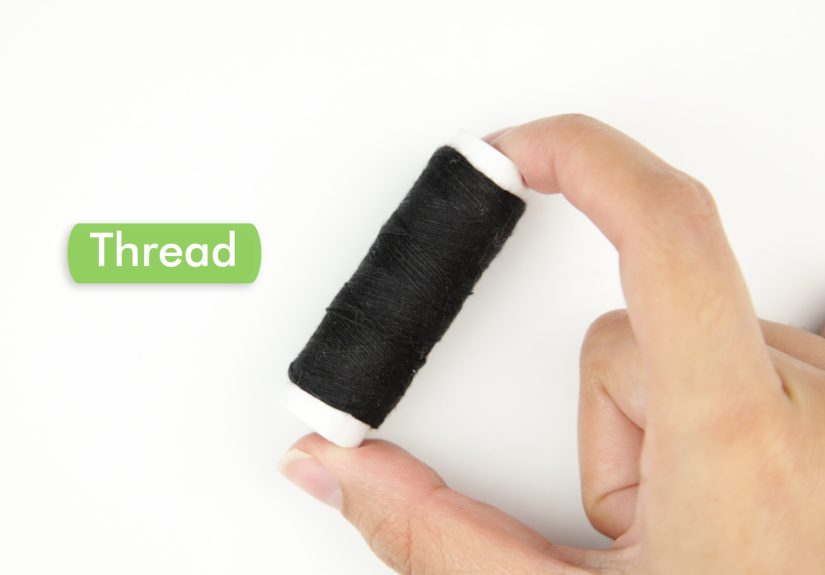
- Matching thread, ideally close to the color of the original stitching
- A hand-sewing needle
- Small sharp scissors or thread snips
- A toothpick, straight pin, or spare needle to help form a thread shank
- A thimble, if you like protecting your fingers from mutiny
- Good lighting and a few minutes of patience
If your suit came with spare buttons, check inside the jacket first. Some brands tuck extras inside an interior seam, pocket, or hem area. If you do not have a spare, remove a less visible matching button only as a last resort, or order a replacement from the brand if possible.
First, Identify the Type of Button
Flat Button
A flat button has either two holes or four holes on the front. This is common on many suit jackets and blazers. If you are sewing a flat button onto a thicker area of a suit, you will usually want to create a thread shank underneath it.
Shank Button
A shank button has a little loop on the back instead of visible holes on the front. This kind already has built-in lift, so you do not need to make a thread shank. You simply sew through the back loop.
Knowing which type you have matters because the technique is slightly different. Get this right, and you already look like someone who understands buttons on a level that would make your past self weirdly proud.
How to Sew a Flat Button on a Suit: Step by Step
Step 1: Find the Exact Placement
If the old threads are still visible, use those marks as your guide. If not, line up the new button with the other buttons on the suit. Button placement matters more than people think. A crooked suit button is like a crooked picture frame: technically functional, emotionally distracting.
Before sewing, close the jacket and check that the button lines up naturally with the buttonhole. Do not guess. Suits are not very forgiving when it comes to visible details.
Step 2: Thread the Needle and Knot the End
Cut a manageable length of thread, usually around 18 to 24 inches. Too short, and you will run out halfway through. Too long, and you will spend more time untangling it than actually sewing.
Thread the needle and knot the end. Some people prefer a doubled thread for extra strength. That works well for many suit button repairs, especially on a front jacket button that gets frequent use.
Step 3: Create a Small Anchor on the Fabric
Start from the inside of the jacket so the knot stays hidden. Make a few tiny stitches where the button will sit. This creates an anchor point and gives the button a more stable foundation.
Many experienced sewists make a small stitched “X” in this spot before attaching the button. That little X helps mark placement and reinforces the area. It is a tiny move with big “I know what I am doing” energy.
Step 4: Position the Button and Add a Spacer
Place the button on top of the anchor stitches. Then lay a toothpick, pin, or spare needle across the top of the button. This spacer helps keep the stitches from becoming too tight and leaves room underneath for the thread shank.
If you skip this step, the button may sit too flat against the fabric. On a suit, that can make the buttonhole pull, wrinkle, or fight the button like two coworkers forced to share one desk.
Step 5: Sew Through the Holes Several Times
Bring the needle up from the inside of the jacket, through one hole, and down through the opposite hole. Repeat the motion several times. If it is a four-hole button, sew in either a parallel pattern or an X pattern, depending on how the other buttons on the suit are sewn. Match the existing style whenever possible.
Usually, about five to six passes are enough for a secure hold. Keep the stitches snug, but not so tight that the spacer gets trapped or the fabric puckers.
Step 6: Make the Thread Shank
Once the button is secure, remove the toothpick or pin. Then bring the needle up from the fabric but do not pass it through the button again. Instead, bring the thread out from underneath the button.
Wrap the thread around the stitches between the button and the fabric about four to six times. This creates the thread shank. It should look tidy and firm, not bulky and chaotic.
This step is what makes the repair suit-friendly. The button now has enough lift to go through the buttonhole cleanly without straining the fabric. Tiny thread stem, huge improvement.
Step 7: Secure the Thread on the Inside
After wrapping the shank, push the needle back through to the inside of the jacket. Make a few small locking stitches on the back, then tie off the thread with a firm knot. Trim the excess neatly.
If the back of the stitching looks messy, do not panic. The inside of the jacket is not a runway. Just make sure the knot is secure and the area is not bulky enough to create a strange bump.
Step 8: Test the Button Gently
Button and unbutton the jacket a couple of times. The button should feel secure, sit straight, and pass through the buttonhole without pulling the cloth too hard. If it feels stiff or overly tight, the shank may be too small. If it wobbles like it just heard bad news, you need a few more stitches.
How to Sew a Shank Button on a Suit
If your suit uses a shank button, the process is even simpler. Start from the inside, anchor the thread, then sew through the shank loop and fabric several times. Because the button already has built-in space underneath, you do not need the toothpick trick or the extra thread wrapping used for flat buttons.
Once the button feels secure, knot the thread on the inside and trim the excess. Done. Congratulations. You and your suit button are now back on speaking terms.
Suit-Specific Tips That Make the Repair Look Better
Match the Existing Thread Pattern
Look at the other buttons on the suit before you begin. Are the four-hole buttons sewn in an X or in parallel lines? Matching that pattern makes the repair blend in and keeps the jacket looking professionally finished.
Use the Right Button Material When Possible
Suit buttons are not just random circles with commitment issues. They are part of the garment’s look. Try to match the size, color, sheen, and material of the original. A glossy plastic replacement on a matte wool suit can look oddly out of place, even if the stitching is perfect.
Mind the Sleeve Buttons
Front jacket buttons are usually the easiest DIY repair. Sleeve cuff buttons are trickier. Some suit sleeves have decorative buttons, while others have functional “working” cuffs. If the sleeve buttons actually open, or if the area is tightly tailored, it is smarter to let a tailor handle it. That is especially true on expensive suits where a small mistake can become a very expensive life lesson.
Common Mistakes to Avoid
Sewing the Button Too Tight
This is the classic mistake. A button sewn too tightly will strain the buttonhole and pull the suit fabric. Always leave enough space under a flat button for the cloth to sit comfortably.
Using the Wrong Thread Color
Even a strong repair can look sloppy if the thread is obviously off. Match the original stitching, not just the fabric color. Sometimes the thread on a dark suit is slightly lighter or has a subtle sheen.
Ignoring Loose Neighboring Buttons
If one button fell off, the others may be plotting. Check the remaining buttons while you have the needle out. Reinforcing them now can save you from another repair later, preferably at a less dramatic moment.
Choosing a Button That Is Close Enough
Close enough is a dangerous phrase in menswear. On a casual cardigan, maybe. On a suit jacket, the wrong button can stick out fast. Size and finish matter.
When You Should Skip DIY and Visit a Tailor
Sometimes the best sewing skill is knowing when not to sew. Consider taking the suit to a tailor if:
- The missing button is on a working sleeve cuff
- The surrounding fabric is torn, frayed, or thinning
- The original button was attached with special reinforcement
- The suit is very expensive, sentimental, or needed for a major event
- You are missing multiple matching buttons
- The jacket lining or structure makes access difficult
A tailor can also source matching buttons more easily in many cases. That is useful when your missing button was not just black, but a very specific dark horn-adjacent black that somehow cost more than your lunch.
How to Make the Repair Last Longer
Once the button is back on, a little prevention goes a long way. Do not yank the jacket open one-handed like you are exiting a courtroom drama. Unbutton it gently. Store spare buttons in a labeled envelope or keep them sewn inside the garment. And if a button starts feeling loose, fix it early. A five-minute repair is always nicer than a scavenger hunt on the floor of a hotel lobby.
It also helps to inspect your suit before important events. Give the front button and sleeve buttons a quick tug test. Nothing aggressive, just enough to make sure they are secure. Think of it as routine maintenance for your dignity.
Real-Life Examples of When This Skill Saves the Day
The Job Interview Morning
You are dressed, caffeinated, and suddenly notice the front jacket button hanging by a single heroic thread. Knowing how to sew a button on a suit means you can fix it in ten minutes instead of spiraling into a fashion-related existential crisis.
The Wedding Weekend
You packed one suit, because optimism. The button pops off while getting ready. A travel sewing kit and a basic repair skill turn that moment from disaster into minor inconvenience. You return to looking polished instead of borrowing a blazer from a cousin named Kevin who is definitely not your size.
The Conference or Work Trip
Business travel is hard enough without your jacket trying to retire mid-event. A neat repair keeps your suit usable and saves you from emergency shopping in an unfamiliar city where every replacement option somehow costs twice as much and fits half as well.
Experience Section: What Sewing a Suit Button Actually Feels Like in Real Life
Anyone can read instructions, but the experience of sewing a button on a suit teaches a few memorable lessons that only make sense once you have done it yourself. The first is that the job looks ridiculously small until you are holding a needle in one hand, a jacket in the other, and trying to remember whether the thread goes through the eye before or after you question all your life choices.
Most people start out overly confident. “It is just a button,” they think. Then they realize suit buttons are tiny public relations managers for the whole jacket. If the repair is crooked, too tight, too loose, or the wrong color, the entire front of the suit can look slightly off. Not ruined, exactly, but suspicious. Like something is whispering, “This outfit has a backstory.”
The second lesson is that patience matters more than talent. The neatest repairs usually come from people who slow down enough to compare the spacing, match the thread pattern, and test the button before calling it finished. The messiest repairs usually come from people in a hurry, especially people trying to fix a button while already dressed. That can be done, technically, but it is a bold choice and not one history has always rewarded.
There is also a strangely satisfying moment when the thread shank finally makes sense. At first it seems unnecessary, like a sewing person invented an extra step to feel superior. Then you button the jacket with and without proper spacing, and suddenly the whole mystery is solved. The button sits better. The fabric pulls less. The jacket closes like it was designed by adults. It is one of those tiny practical skills that makes you feel dramatically more competent than the task should allow.
People who learn this skill also tend to notice clothing differently afterward. You start looking at other jackets and spotting button patterns, thread colors, and whether the sleeve cuffs are decorative or functional. You become the kind of person who casually checks whether spare buttons are still attached inside a new garment. It is a very specific form of growth, but growth nonetheless.
And perhaps the most useful part of the experience is confidence. Not fashion confidence, though that helps. Practical confidence. The kind that comes from realizing you do not have to panic every time a small clothing problem shows up. A loose button is no longer a wardrobe emergency. It is a 10-minute fix. A small repair kit in your drawer or suitcase starts feeling less like a random collection of tiny supplies and more like a quiet insurance policy for being a functional adult.
So yes, sewing a suit button is a small task. But it is one of those small tasks that punches above its weight. It saves money, extends the life of your clothes, and keeps a good suit in rotation instead of sidelined over one missing button. Not bad for a little circle with holes in it.
Final Thoughts
Learning how to sew a button on a suit is one of those classic life skills that feels minor until the exact second you need it. Then it becomes glorious. With the right thread, a few careful stitches, and a proper thread shank for flat buttons, you can make a repair that looks tidy and holds up well. The trick is not speed. It is precision.
Take your time, match the original details, and know when a tailor is the better option. Do that, and your suit will look polished, your button will stay put, and your next formal event will be memorable for the right reasons.
SEO Tags
Note: Publish-ready HTML body only. Unnecessary source-markup elements have been excluded.





 Close
Close