
Table of Contents >> Show >> Hide
- What Are Head Lice?
- What Do Adult Head Lice Look Like?
- What Do Lice Eggs Look Like?
- What Do Baby Lice Look Like?
- Where Should You Look for Head Lice?
- Head Lice Symptoms: What You Might Notice First
- Do Head Lice Prefer Dirty Hair?
- How Do Head Lice Spread?
- What Should You Do If You Find Lice?
- What About Cleaning the House?
- When Should You Call a Doctor?
- Can Kids Go to School With Head Lice?
- Head Lice Picture Guide: What You Are Looking For
- Common Mistakes When Identifying Head Lice
- Experience Notes: What Checking for Lice Is Really Like
- Conclusion
- SEO Tags
If you have ever leaned over a child’s head with a flashlight, a comb, and the facial expression of a detective in a low-budget crime drama, you already know the big question: what do lice look like? Head lice are tiny, fast, and rude enough to live rent-free on the scalp. They are not a sign of poor hygiene, they do not care whether hair smells like strawberries, coconut, or expensive salon products, and they are surprisingly good at hiding.
This guide explains what head lice, nits, and lice eggs look like, where to find them, how to tell them apart from dandruff or lint, and what to do if you spot the little scalp squatters. Think of it as a visual field guideminus the screaming.
What Are Head Lice?
Head lice are small parasitic insects that live on the human scalp and feed on tiny amounts of blood. They are most common among preschool and elementary-school-aged children, although adults can get them too. Lice spread mainly through direct head-to-head contact, which is why sleepovers, selfies, sports huddles, and kids whispering “guess what?” at close range are basically lice networking events.
Here is the comforting part: head lice do not fly, jump, or leap like tiny Olympic athletes. They crawl. They also do not spread disease. The annoying part is that they can cause itching, irritation, and a sudden family-wide interest in laundry.
What Do Adult Head Lice Look Like?
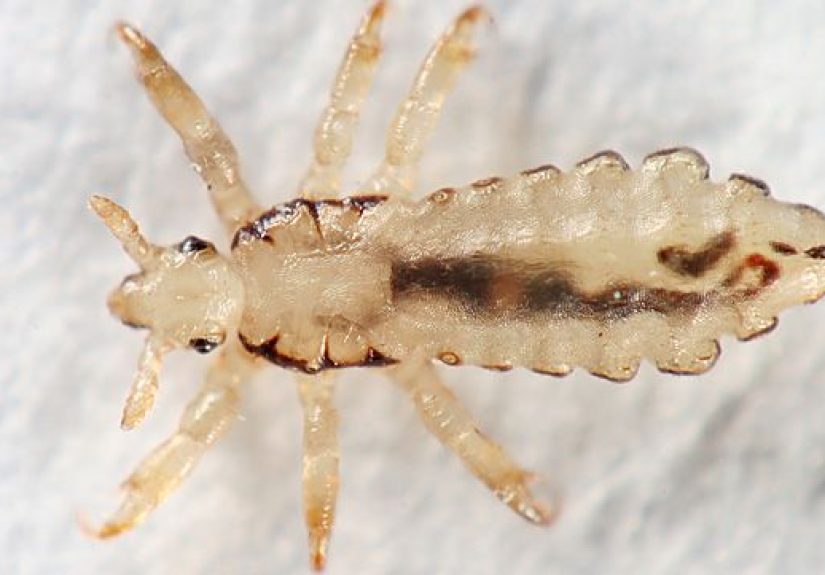
Adult head lice are about the size of a sesame seed, usually around 2 to 3 millimeters long. In real life, they may look like tiny tan, grayish-white, brown, or reddish-brown bugs moving close to the scalp. Their color can vary depending on when they last fed, which is a detail nobody asked for but science brought to the table anyway.
Under magnification, an adult louse has a narrow, flat body and six legs. Each leg has a claw-like end that helps it grip hair shafts. This is why lice do not simply fall out when someone shakes their head dramatically, although dramatic head shaking may still be emotionally satisfying.
Quick Visual Clues for Adult Lice
- Size: About the size of a sesame seed.
- Color: Tan, gray, brown, or reddish-brown.
- Movement: Crawls quickly and avoids light.
- Location: Usually close to the scalp, especially behind the ears and near the nape of the neck.
- Shape: Long, flat, and insect-like with six legs.
What Do Lice Eggs Look Like?
Lice eggs are called nits. They are tiny, oval-shaped, and firmly attached to individual hair shafts. Fresh or viable nits are often yellowish, tan, brown, or whitish. Empty nit shells may look lighter or almost clear, and they are often farther from the scalp because the hair has grown since the egg hatched.
The key word here is attached. Nits are glued to the hair shaft with a natural cement-like substance. Dandruff flakes usually slide or brush away. Nits cling like they signed a lease.
Nits vs. Dandruff: How to Tell the Difference
| Feature | Nits | Dandruff or Lint |
|---|---|---|
| Attachment | Stuck firmly to one hair strand | Usually loose and easy to move |
| Shape | Oval or tear-drop shaped | Flat, flaky, fuzzy, or irregular |
| Location | Often close to the scalp | Can appear anywhere in the hair |
| Removal | Needs fingernails or a fine-toothed nit comb | Usually brushes or shakes out |
What Do Baby Lice Look Like?
Baby lice are called nymphs. A nymph looks like a smaller version of an adult louse, which is adorable only if you are writing a children’s book no one should publish. Nymphs are tiny, pale, and difficult to see without good lighting. After hatching, they mature into adult lice and continue the life cycle unless treated.
Because nymphs are small and quick, many people find nits before they ever see a live bug. That does not mean the bugs are imaginary. It means they are sneaky, fast, and apparently trained in scalp camouflage.
Where Should You Look for Head Lice?
The best places to check are the warm areas close to the scalp. Lice and nits are commonly found behind the ears, around the hairline, and at the nape of the neck. These locations are cozy, protected, and close to the scalp, which makes them prime lice real estate.
How to Check Hair for Lice
- Use bright natural light or a strong lamp.
- Part the hair into small sections.
- Look close to the scalp, especially behind the ears and at the neckline.
- Use a fine-toothed lice comb on wet or conditioned hair.
- Wipe the comb on a white paper towel after each pass to check for lice or nits.
Wet combing can make the job easier because conditioner slows lice down and helps the comb glide through the hair. This is helpful because dry lice move like they have somewhere very important to be.
Head Lice Symptoms: What You Might Notice First
Many people expect the first sign of lice to be a dramatic itch. Sometimes it is. But itching may take several weeks to appear, especially during a first infestation. The itch is caused by a reaction to lice bites, not by the bug simply walking around like it owns the place.
Common Signs of Head Lice
- Itchy scalp, especially behind the ears or near the neck.
- A tickling or crawling feeling in the hair.
- Visible nits attached to hair shafts.
- Small red bumps or irritation from scratching.
- Trouble sleeping because lice are more active in the dark.
- Live lice seen crawling on the scalp or hair.
Scratching can irritate the skin and may sometimes lead to sores. If the scalp becomes painful, swollen, crusted, or shows signs of infection, it is smart to contact a healthcare provider.
Do Head Lice Prefer Dirty Hair?
No. Head lice are equal-opportunity pests. They can live in clean hair, dirty hair, curly hair, straight hair, short hair, long hair, and hair that was just shampooed so aggressively it squeaks. Lice are interested in the scalp, not your shampoo schedule.
This matters because lice still carry a lot of unnecessary embarrassment. A child with lice is not “unclean.” A family dealing with lice is not careless. Lice are common, treatable, and deeply annoyingbut they are not a character review.
How Do Head Lice Spread?
Head lice usually spread through direct hair-to-hair contact. They can sometimes spread through shared items like hats, combs, brushes, hair accessories, scarves, or pillowcases, but that is less common than direct contact. Lice do not live long away from a human scalp because they need regular feeding to survive.
Pets do not spread human head lice. Your dog may be guilty of stealing socks, but in this case, the dog is innocent.
What Should You Do If You Find Lice?
First, breathe. Finding lice can feel like discovering a tiny marching band in someone’s hair, but it is manageable. Confirm that you are seeing live lice or nits attached close to the scalp. Then check other household members. Treat only people who actually have live lice or signs of an active infestation unless a healthcare provider advises otherwise.
Basic Treatment Options
Head lice can often be treated with over-the-counter lice products that contain ingredients such as permethrin or pyrethrins. Some products kill live lice but may not kill all eggs, so a second treatment may be needed according to the product label. Prescription options are available when over-the-counter treatments do not work or when a healthcare provider recommends a different approach.
Always follow the directions on the product exactly. More medicine is not better medicine. Do not use multiple lice treatments at the same time unless a healthcare professional tells you to. For infants, people who are pregnant, people with allergies, or anyone with a irritated scalp, ask a healthcare provider before treatment.
Comb-Out Method
Combing is often the part nobody loves but everyone appreciates later. Use a fine-toothed nit comb every 2 to 3 days for a couple of weeks after treatment to remove remaining lice and nits. Work in small sections, wipe the comb often, and keep going until the comb comes out clean.
What About Cleaning the House?
You do not need to turn the house into a disaster movie. Focus on items that touched the infested person’s head during the previous two days. Wash pillowcases, hats, scarves, bedding, and recently worn clothing in hot water and dry them on high heat if the fabric allows. Soak combs and brushes in hot water according to safe product guidance. Items that cannot be washed can be sealed in a plastic bag for two weeks.
Vacuuming floors and furniture is reasonable. Spraying furniture, using foggers, or coating the house in harsh chemicals is not recommended and can be unsafe. The goal is lice control, not redecorating the living room with panic.
When Should You Call a Doctor?
Call a healthcare provider if you are unsure whether you are seeing lice, if treatment fails after careful use, if the person is very young, if there are allergies or skin conditions, or if the scalp looks infected. A clinician can confirm the diagnosis and recommend an appropriate treatment.
You should also ask for help if lice keep returning. Sometimes the issue is not resistance to treatment but missed nits, incorrect timing, reinfestation from close contact, or using a product in a way that makes it less effective.
Can Kids Go to School With Head Lice?
Many modern health guidelines discourage strict “no-nit” school policies because nits alone do not always mean an active infestation. In many cases, children do not need to be sent home immediately. Schools may have their own policies, so parents should check local rules, begin treatment promptly, and communicate calmly with the school nurse if needed.
The important thing is to treat the lice, reduce close head-to-head contact until treatment has started, and avoid turning the situation into a public scandal. Lice are already irritating enough without adding a courtroom drama at pickup time.
Head Lice Picture Guide: What You Are Looking For
When viewing head lice pictures online or checking hair in real life, look for three main stages: nits, nymphs, and adult lice.
1. Nits
Nits look like tiny oval dots attached to individual hair strands. They may be white, yellowish, tan, or brown. Viable nits are usually close to the scalp, while empty shells may be farther away. If the tiny speck slides off easily, it is probably not a nit.
2. Nymphs
Nymphs are newly hatched lice. They look like smaller adult lice and may be pale or translucent. Because they are so small, they can be hard to notice unless you use a comb and strong light.
3. Adult Lice
Adult lice are sesame-seed-sized insects that crawl quickly. They are usually tan, gray, or brown and may look darker after feeding. They have six legs and stay close to the scalp where they can feed and lay eggs.
Common Mistakes When Identifying Head Lice
The biggest mistake is treating anything white in the hair as lice. Hair casts, dandruff, dried hair product, lint, sand, and tiny crumbs from mystery snacks can all look suspicious. The second biggest mistake is assuming no itch means no lice. Some people do not itch right away.
Another common mistake is checking only the top of the head. Lice often prefer the warmer, hidden areas behind the ears and near the neck. If you only glance at the crown and declare victory, the lice may be holding a tiny celebration underneath.
Experience Notes: What Checking for Lice Is Really Like
In real life, identifying head lice rarely feels as neat as the pictures make it seem. Online images are usually magnified, well-lit, and focused. Actual hair is a forest. It moves, tangles, shines, hides things, and somehow contains both conditioner and a crumb from lunch. That is why the first check often feels confusing. A parent may see one white dot and immediately imagine a full-scale invasion. A teacher may notice a child scratching and wonder whether it is lice, dry scalp, or just a tag on a shirt causing chaos.
The most practical experience is this: slow down. Rushing makes every speck look guilty. Good lighting changes everything. A window, desk lamp, or phone flashlight can make nits easier to spot. Wet hair with conditioner often helps because it separates strands and slows live lice. A fine-toothed comb is much more useful than staring at the scalp until your eyes start negotiating a vacation.
Another real-world lesson is that the emotional side can be bigger than the bug itself. Kids may feel embarrassed. Parents may feel guilty. Nobody needs that. Head lice are common, and they spread because people have close contact, not because anyone failed at personal hygiene. A calm voice helps. Saying, “We found lice, and we’re going to handle it,” works much better than announcing, “Nobody move; the couch is haunted.”
During combing, patience wins. Work in sections, clip hair out of the way, and wipe the comb on a white paper towel after each pass. You may see tiny brown insects, pale nymphs, or oval nits stuck to strands. Some sessions take a long time, especially with thick or curly hair. Breaks are allowed. Snacks are allowed. Dramatic sighing is basically traditional.
It also helps to make a simple plan instead of cleaning the entire house like a hurricane with a laundry basket. Wash the items that recently touched the head, check close contacts, repeat combing, and follow treatment directions. The families who manage lice best are usually not the ones who panic the hardest. They are the ones who check carefully, treat correctly, comb consistently, and keep their sense of humor nearby. Preferably in a sealed plastic bagjust kidding. Humor does not carry lice.
Conclusion
Head lice are small, fast, and annoying, but they are also identifiable and treatable. Adult lice look like tiny sesame-seed-sized insects with six legs. Nits look like small oval eggs glued to hair shafts, usually close to the scalp. The easiest places to check are behind the ears and at the nape of the neck. With bright light, a fine-toothed comb, and a calm approach, you can tell the difference between lice, nits, dandruff, and random hair debris that has been falsely accused.
If you find live lice, use an appropriate treatment, follow the directions carefully, comb regularly, and check close contacts. If treatment does not work or the scalp looks irritated or infected, contact a healthcare provider. Head lice are not fun, but they are not a disaster. They are a solvable problem with tiny legs and terrible manners.






 Close
Close