
Table of Contents >> Show >> Hide
- The Short Version: So, How Often Does StockX Sell Fakes?
- Why This Question Is Harder Than It Looks
- What StockX Says About Its Authentication Process
- What the Public Record Says
- What Changed When StockX Moved From “100% Authentic” to “Verified by StockX”
- How Fakes Still Slip Through
- Is StockX Safer Than Buying From Random Resellers?
- How to Lower Your Risk as a Buyer
- What to Do If You Think Your StockX Item Is Fake
- What Sellers Need to Know Too
- Real-World Experiences People Commonly Report
- Final Verdict: Should You Buy From StockX?
If you have ever hovered over the Buy Now button on StockX and thought, “Am I about to receive grails or a very expensive science project?” you are not alone. The question “How often does StockX sell fakes?” comes up constantly because StockX sits right in the middle of a market where hype is high, prices are higher, and counterfeiters are very much not taking the day off.
Here is the honest answer: StockX does not publicly publish a simple fake-rate percentage for items that make it all the way to buyers. So anyone throwing out a neat little number like “only 0.001%” or “half the site is fake” is usually guessing, dramatizing, or filming a thumbnail for YouTube. What we can say is this: StockX catches an enormous amount of suspicious inventory before it reaches customers, but it is clearly not perfect. Some fake items have gotten through, customer complaints exist, and even major litigation has challenged the company’s authentication claims.
That means the real-world answer is somewhere in the middle. StockX is not a counterfeit free-for-all, but it is also not a magical anti-fake force field. If you buy there, the odds are generally better than buying from a random social media reseller with three blurry photos and a bio that says “serious inquiries only.” Still, for high-value sneakers, handbags, or collectibles, smart buyers should treat StockX as a strong filter, not an infallible oracle.
The Short Version: So, How Often Does StockX Sell Fakes?
If by “sell fakes” you mean accidentally letting counterfeit items pass authentication and reach buyers, the best answer is: probably not often relative to the platform’s scale, but often enough that the risk is real and worth understanding.
That may sound annoyingly lawyer-ish, but it is the most accurate way to say it. StockX processes an enormous volume of goods and rejects a huge number of items that fail its standards. That suggests its verification system catches plenty of bad product. At the same time, public reporting, buyer complaints, and court filings make clear that some counterfeits have slipped through. So the realistic takeaway is not “never” and not “all the time.” It is “rare, but not impossible.”
For most shoppers, that distinction matters. A rare mistake still feels pretty common when the shoes cost $900 and you are the person holding the suspicious box. Nobody says, “Well, statistically this is comforting,” while side-eyeing a wonky Jumpman logo.
Why This Question Is Harder Than It Looks
Part of the confusion comes from the fact that people use the word fake to describe several different problems. Sometimes the item is truly counterfeit. Sometimes it is authentic but has a defect, damaged box, wrong accessory, or inconsistent factory quality. Sometimes a legit-check app flags a pair that later turns out to be real. And sometimes a buyer receives the correct item but simply decides the materials, smell, or stitching feel “off.” In sneaker culture, that can launch a ten-hour group chat debate immediately.
There is also no single public database showing how many items reached customers, were later challenged, and were definitively proven fake. That means you cannot responsibly calculate an exact fake-through rate from public information alone. You can analyze signals, though. Those signals include StockX’s own verification statistics, its buyer-protection policies, consumer complaint patterns, and the outcomes of legal disputes.
What StockX Says About Its Authentication Process
StockX’s entire business model is built around the promise of trust. The company says items are either Verified by StockX or shipped directly from a StockX Verified Seller. For standard orders, it describes a multi-step verification process involving condition checks, packaging review, product knowledge, market data, and technology tools.
Over time, StockX has also leaned harder into the “we use people and tech” angle. That matters because modern counterfeits are not the laughably bad knockoffs of years past. The fake market has grown up, got smarter, and apparently took a master class in stitching patterns. Today’s better replicas can mimic shape, materials, packaging, and even small production details closely enough to fool inexperienced buyers.
According to StockX, its verification team has inspected tens of millions of items. The company also says it uses machine learning to route high-risk items, scans embedded technologies like RFID and NFC when available, and applies CT scanning for many electronics and some high-risk products. In plain English: they are not just squinting at shoes under fluorescent lights and hoping for the best.
That said, a strong process is not the same thing as a perfect process. Authentication at scale is still part expertise, part systems, and part judgment call. Whenever humans, fast-moving inventory, and increasingly convincing replicas meet in one room, mistakes are possible.
What the Public Record Says
If you want the most balanced answer, you have to look beyond company marketing. Public reporting gives a more complicated picture. On one hand, StockX has published statistics showing it rejects large numbers of products before they reach customers. On the other hand, lawsuits and buyer complaints show that some disputed items have still passed through.
The most famous example is the legal fight with Nike. That case raised the stakes because it was not just random internet chatter. Nike alleged StockX sold counterfeit Nike sneakers, and the case became a major challenge to StockX’s trust-first brand image. The dispute eventually settled, but not before a judge found StockX liable for selling a specific number of counterfeit pairs. That does not prove the platform is flooded with fakes; it does prove the problem was not imaginary.
Consumer complaints tell a similar story, though with more noise. Complaint boards include posts from buyers who say they received fake items, but also plenty from people upset about delays, returns, account issues, damaged boxes, or customer service. In other words, not every angry review is evidence of counterfeiting. Still, the volume of distrust is part of the story because trust is the product StockX sells almost as much as sneakers.
What Changed When StockX Moved From “100% Authentic” to “Verified by StockX”
One subtle but important shift is language. In late 2022, StockX moved away from the phrase “100% Authentic” and emphasized “Verified by StockX.” That wording matters because it frames authentication as the platform’s own assessment rather than as an absolute guarantee blessed by the brands themselves.
For shoppers, this is not just a branding tweak. It is a reminder that authentication is ultimately an expert opinion backed by process, not divine revelation. A pair can be “verified” and still later become disputed. That does not automatically mean the system is useless; it means the system has limits. Think of it like airport security for sneakers. Lots gets caught. A perfect catch rate does not exist.
How Fakes Still Slip Through
1. Counterfeits are much better than they used to be
High-end replicas now copy packaging, tags, print quality, materials, and even subtle production quirks. Some are built specifically to pass resale-platform inspections. That makes authentication harder than it was a decade ago, when many fakes practically announced themselves with shiny glue and fonts that looked like they were printed during a power outage.
2. Volume creates pressure
Any marketplace handling huge order volume faces the challenge of making fast decisions consistently. Even a small miss rate can create real customer problems when scaled across millions of items. That is why hearing “rare” does not always feel reassuring in the resale world.
3. Product categories vary in difficulty
Sneakers, streetwear, collectibles, electronics, handbags, and watches all present different verification challenges. Some categories have better embedded tech or more reliable production markers. Others depend more heavily on experience and reference data.
4. Not every order follows the same path
StockX now also uses a Verified Seller model for a small share of orders, allowing certain vetted sellers to ship directly to buyers. That can mean faster delivery, but it also changes how buyers think about risk. If your confidence comes mostly from the idea that StockX physically handles every item, direct shipping from approved sellers adds a new wrinkle.
Is StockX Safer Than Buying From Random Resellers?
In most cases, yes. That is the practical answer many shoppers care about. Compared with buying from a stranger in a parking lot, a sketchy marketplace listing, or a social media seller whose proof of authenticity is “trust me bro,” StockX usually offers more structure, better documentation, and a clearer dispute process.
But safer does not mean risk-free. A smarter way to think about StockX is as a marketplace with meaningful defenses, not guaranteed perfection. If you are buying a common general-release shoe at a reasonable resale premium, the platform may feel comfortably low-risk. If you are dropping serious money on an ultra-hyped pair with a long history of replicas, your level of caution should rise accordingly.
How to Lower Your Risk as a Buyer
Buy with your eyes open
Before buying, look at the specific item’s counterfeit history. Some silhouettes and collaborations are replica magnets. A heavily faked Travis Scott, Off-White, or limited Jordan release deserves more scrutiny than a less-hyped everyday pair.
Inspect everything immediately
Open the package as soon as it arrives. Do not let the box sit in a corner while life happens. StockX’s buyer-protection timelines matter, and waiting too long can make a problem harder to resolve.
Keep the tags and packaging intact
If you think something is wrong, do not wear the item outside, tear off the tag, or toss the box like you just won a game show. Preserve everything. Condition matters if you need support.
Document the unboxing
Photos and video can help if you need to open a claim. It is not glamorous content, but it beats trying to explain later why the shape looked odd before you laced them up and walked to brunch.
Compare with trusted references
Check the pair against official brand photos, reputable legit-check resources, retail receipts if applicable, and known details for that exact release. Focus on multiple indicators, not one dramatic clue.
What to Do If You Think Your StockX Item Is Fake
First, stay calm. The internet loves a five-alarm fake panic. Sometimes the problem is real, sometimes it is a quality-control issue, and sometimes it is simply a model variation. Start with evidence, not vibes.
- Inspect the item carefully and compare it with known authentic references.
- Take clear photos of the shoe, box label, outsole, insole, stitching, tag, and any accessories.
- Keep the StockX tag attached and avoid wearing the item.
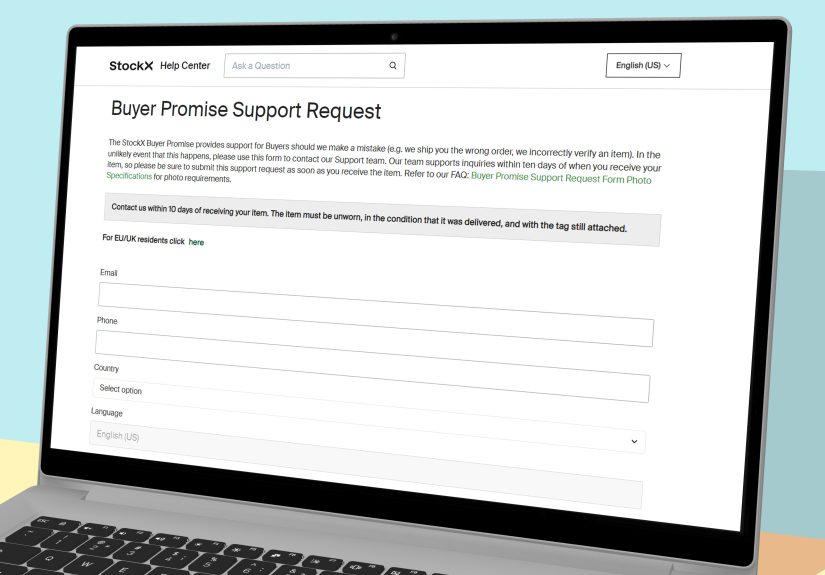
- Use StockX support quickly under the Buyer Promise if you believe the item was incorrectly verified.
- If the item is eligible, review return options as well, especially for more recent purchases.
The goal is simple: move fast, stay organized, and give support as little room as possible to say, “Can you provide more information?” for the seventh time.
What Sellers Need to Know Too
This conversation is not just about buyers. Sellers have their own complaints, especially when legitimate items fail verification or when a product is flagged as counterfeit. From the seller side, the platform can sometimes feel like a black box: you send something in, wait, and then get a decision you cannot fully audit yourself.
That tension is part of why public perception around StockX gets messy. A buyer may think the platform is too loose because a fake slipped through. A seller may think it is too strict because a real item got rejected. Both experiences can happen in the same system. Authentication marketplaces live in that uncomfortable middle ground where trust has to work in both directions.
Real-World Experiences People Commonly Report
Spend enough time reading buyer and seller discussions, complaint pages, and sneaker forums, and several patterns show up again and again. The first pattern is the quiet success story: a buyer orders, the seller ships, StockX verifies, the box lands on the doorstep, and everyone goes on with their life. These stories are boring, which is exactly why they do not dominate social media. Nobody makes a viral post titled, “Everything Went Fine and I Am Emotionally Stable.”
The second pattern is the nervous but ultimately resolved experience. This usually starts with a delayed shipment, a failed first seller, or a product that gets rerouted for another check. Buyers in this group often feel alarmed because the timeline gets messy, but the item eventually arrives or the order gets refunded. It is annoying, yes, but not necessarily a fake-related disaster. In fact, some delays happen because an item did not pass verification and StockX tries to source a replacement. That is frustrating in the moment, but it is also a sign the filter is doing some work behind the scenes.
The third pattern is the one that fuels StockX’s reputation problem: buyers who believe a fake or otherwise suspect item made it through. These are the stories people remember. Sometimes the claims involve obvious issues like strange packaging, mismatched materials, or details that fail comparison checks. Sometimes the complaint is less clear-cut, with the buyer relying on a legit-check app, a local reseller’s opinion, or a gut feeling that the pair is wrong. The challenge is that not every accusation proves a fake, but enough of these reports exist that they cannot simply be brushed aside as internet drama.
Seller experiences add another layer. Some sellers complain that authentic items were rejected, while others are upset about penalties, shipping costs, or confiscation when a product is judged counterfeit. From their point of view, the marketplace can feel unforgiving. From the buyer’s point of view, that strictness is exactly what they want. The result is a weird resale paradox: buyers want aggressive policing, sellers want fair treatment, and StockX has to somehow deliver both without upsetting everybody before lunch.
There is also a newer type of buyer conversation tied to direct shipping from Verified Sellers. Some shoppers like the faster turnaround. Others immediately ask whether “faster” quietly means “less hands-on verification by StockX.” That concern does not automatically mean the program is unsafe, but it does show how sensitive buyers are to any change in the chain of trust.
The most useful lesson from all these experiences is this: StockX works well for many people, but when something goes wrong, it can become a very personal and expensive problem very quickly. That is why seasoned buyers do not rely on the platform alone. They use the platform, then still inspect, document, and verify on their end. A little caution after delivery beats a lot of regret after the tags are off.
Final Verdict: Should You Buy From StockX?
If you want the cleanest possible answer, here it is: StockX does sell some fakes by mistake, but there is no strong public evidence that counterfeit items are flooding the platform. The smarter conclusion is that StockX is a large resale marketplace with serious authentication infrastructure, visible improvements, and real buyer protections, yet it remains vulnerable to the same reality every major reseller faces: counterfeiters are relentless, and no system catches everything.
So, should you buy there? For many shoppers, yes. Just do it with realistic expectations. Treat StockX as a useful protection layer, not a substitute for your own judgment. If the item is high-dollar, heavily faked, or emotionally important enough that getting burned would ruin your week, add your own checks before and after delivery. Trust the process, but maybe not with your eyes closed and your wallet open like you are in a sneaker-themed trust fall exercise.
In the end, the best answer to “How often does StockX sell fakes?” is not a dramatic number. It is this: not often enough to make the platform unusable, but definitely often enough that smart buyers should stay alert.







 Close
Close