
Table of Contents >> Show >> Hide
- The Short Answer: How Often Should You Wash a Bra?
- Why You Shouldn’t Wash Your Bra After Every Wear
- What Actually Determines When Your Bra Needs Washing?
- Signs Your Bra Is Ready for the Wash
- Why Sports Bras Need Different Rules
- How to Wash a Bra Without Destroying It
- How Many Bras Should You Own to Wash Them Properly?
- Can Wearing a Bra Too Long Without Washing Cause Problems?
- How Long Does a Bra Last?
- The Best Bra-Washing Schedule for Real Life
- Common Bra-Washing Mistakes to Avoid
- Final Verdict: So, How Often Should You Wash Your Bra?
- Real-Life Experiences: What People Learn About Bra Washing the Hard Way
You wash your face. You wash your jeans eventually. You may even wash your reusable grocery bags after a guilt spiral. But your bra? That little overachiever lives in a strange laundry gray zone. It sits close to your skin all day, deals with sweat, body oils, lotions, friction, and the occasional dramatic summer commute, yet many people still wonder: Do I really need to wash this after every wear?
Here is the surprising answer: probably not. For most everyday bras, washing after every single wear is usually unnecessary. In fact, doing that too often can wear out the elastic, fade the fabric, and shorten the life of a bra you actually like. The smarter rule is this: wash your everyday bra after about three to four wears, or sooner if you got sweaty, wore it for a very long day, noticed odor, or have sensitive skin.
That means your bra is not a one-wear diva, but it is also not a “let’s just see how long this can go” science experiment. Somewhere between “freshly washed angel” and “mystery drawer survivor” is the sweet spot.
The Short Answer: How Often Should You Wash a Bra?
For most people, an everyday bra should be washed after three to four wears. That is the sweet spot many bra-care experts and laundry pros recommend because it balances hygiene with fabric preservation. If you only wore it for a few hours in air conditioning while doing very little, you may stretch that a bit. If you wore it all day in hot weather, walked across town, or your underboob turned into a weather system, wash it sooner.
Sports bras are the exception. Those should be washed after every workout. No debate. No negotiation. No “but I only did light Pilates.” If it absorbed sweat, it goes to laundry camp.
A simple rule of thumb
- Everyday bras: every 3–4 wears
- Sports bras: after every workout
- Strapless, padded, lace, or delicate bras: every few wears, but washed more gently
- Bras worn in heat, humidity, or during long days: wash sooner
Why You Shouldn’t Wash Your Bra After Every Wear
This is the part that surprises people. A bra is not underwear in the same way panties are. It does not usually need immediate laundering after one use unless it has become sweaty, visibly soiled, or uncomfortable. Frequent washing can actually be rough on a bra, especially one with elastic bands, molded cups, lace, hooks, underwire, or delicate stitching.
Think of the bra as a tiny engineering project. It stretches, supports, lifts, and somehow still expects to survive spin cycles and modern life. Every wash puts stress on that structure. Too much washing can cause the band to loosen faster, straps to lose bounce, cups to warp, and fabric to age before its time. In other words, overwashing can turn “supportive and flattering” into “emotionally attached but technically retired.”
That does not mean ignoring hygiene. It means washing on a schedule that makes sense for both your skin and the garment.
What Actually Determines When Your Bra Needs Washing?
There is no universal calendar reminder that works for every person, body, climate, and bra style. The best bra-washing routine depends on several real-life factors.
1. Sweat level
Sweat is the biggest factor. If you perspire a lot, your bra will collect moisture, body oils, and salt faster. That can lead to odor, irritation, and a bra that feels less fresh, even if it still looks fine. In hot weather or humid climates, bras usually need more frequent washing.
2. How long you wore it
Wearing a bra for two hours while running errands is not the same as wearing it for fourteen hours through work, traffic, dinner, and a late-night grocery stop. The longer it sits against your skin, the more buildup it collects.
3. Activity level
A calm desk day is very different from chasing a flight, hauling boxes, or walking five miles because your rideshare app betrayed you. The more active you are, the sooner the bra should be washed.
4. Skin sensitivity
If you have sensitive skin, eczema, acne, or are prone to irritation under the breasts, you may prefer washing more often. Sweat, friction, and trapped moisture can make the under-breast area more prone to discomfort or rash, especially in summer.
5. Bra material
Delicate lace, silk-like blends, and bras with molded cups need gentler handling. Durable synthetic blends may tolerate a little more wear or more frequent washing, but they still last longer when treated kindly.
6. Breast size and fit
Larger busts often create more warmth and moisture under the breasts, so washing may need to happen more often. Poor fit matters too. A bra that rubs, traps sweat, or shifts around all day may get grimy faster and feel uncomfortable sooner.
Signs Your Bra Is Ready for the Wash
You do not need a laboratory test. Your bra will usually tell on itself. Toss it in the wash if you notice any of these:
- It smells less like detergent and more like “Tuesday”
- The band feels damp or sticky
- You can see deodorant marks, lotion transfer, or makeup stains
- You wore it during hot weather or light exercise
- Your skin feels itchy or irritated after wearing it
- You cannot remember the last time it was washed, which is usually the universe giving you a hint
Why Sports Bras Need Different Rules
Sports bras are not casual observers. They show up for sweat, compression, movement, and friction. Because of that, they should be washed after every single workout. Even if the workout was short. Even if you “didn’t sweat that much.” Even if your sports bra is black and therefore somehow feels morally cleaner. It is not.
Workout gear traps sweat and bacteria more easily, especially performance fabrics designed to sit close to the skin. Leaving a sweaty sports bra balled up in a gym bag is basically inviting odor to sign a lease. If you want to avoid smells, skin irritation, and shortened fabric life, wash it after every use and let it fully air dry.
How to Wash a Bra Without Destroying It
Washing a bra is not hard, but it does require a little less chaos than washing towels. If you want your bra to keep its shape, support, and dignity, use a gentler method.
Best method: hand washing
Hand washing is the gold standard, especially for delicate bras. Fill a sink or basin with cool water, add a small amount of gentle detergent, and let the bra soak for about 10 to 20 minutes. Gently work the soapy water through the fabric. Rinse well. Press out water without wringing, twisting, or treating it like pizza dough.
If you use the washing machine
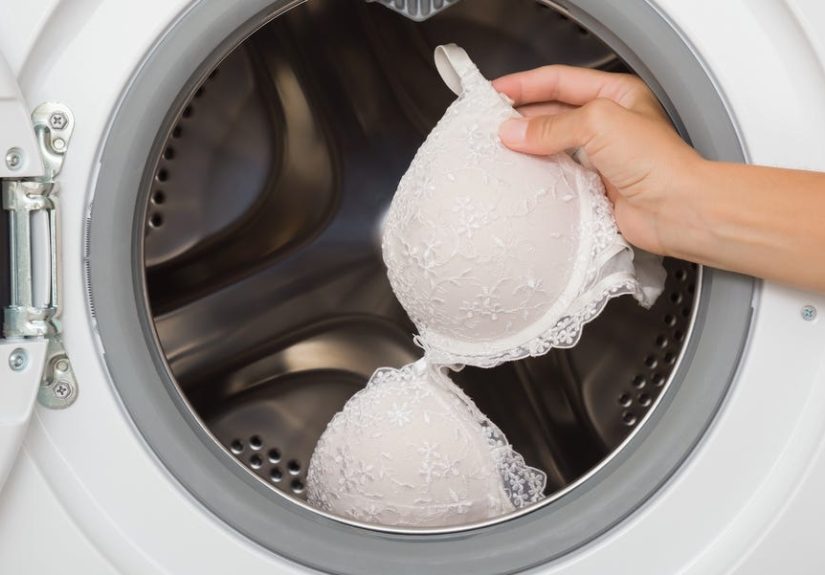
- Fasten the hooks first
- Place the bra in a mesh lingerie bag
- Use cool water
- Choose the delicate or gentle cycle
- Use mild detergent
- Skip bleach and fabric softener
Always skip the dryer
Heat is the villain in this story. Dryers can weaken elastic, damage delicate fabrics, and warp cups and underwire. Instead, gently press out the water with a towel and lay the bra flat to air dry. Hanging it by the straps when it is soaked can stretch it out, so flat drying is usually the safer move.
How Many Bras Should You Own to Wash Them Properly?
If you wear the same bra every day until laundry day arrives like a thunderstorm, your bra is doing too much. Most experts recommend rotating bras instead of wearing the same one back-to-back. Giving a bra a rest day helps the elastic recover its shape.
A practical routine is to have at least three everyday bras in regular rotation. That gives you enough breathing room to wear one, let one rest, and have one available. If you exercise often, you should also have multiple sports bras so you are not forced into desperate rewear decisions after a sweaty workout.
Can Wearing a Bra Too Long Without Washing Cause Problems?
Usually, the first issue is not some dramatic health emergency. It is simpler and more annoying than that: odor, oil buildup, skin irritation, trapped moisture, and a generally not-fresh feeling. For some people, especially in hot weather, sweaty bras can contribute to chafing, breakouts, or irritation under the breasts. In skin folds where heat and moisture collect, some people may also be more prone to rash or yeast overgrowth.
So no, your everyday bra does not become toxic after the third wear. But if it is sweaty, smelly, itchy, or rubbing your skin the wrong way, that is your cue. Clean bra. Peace restored.
How Long Does a Bra Last?
Even well-cared-for bras do not last forever. A frequently worn bra may last around six to twelve months, depending on quality, rotation, fit, and washing habits. If you rotate several bras and treat them gently, they can last longer. If you own one favorite bra and wear it into battle every other day, it may age quickly.
Signs it is time to replace your bra
- The band is stretched out even on the tightest hook
- The straps keep slipping despite adjustment
- The cups wrinkle, gape, or lose shape
- The underwire pokes out
- The bra no longer feels supportive
At that point, no amount of delicate detergent can save the relationship.
The Best Bra-Washing Schedule for Real Life
If you want a low-stress system, try this:
For everyday bras
Wash after every three or four wears. Sooner if you sweat, wore it all day, traveled in it, or your skin feels irritated.
For summer weather
Wash after every one to three wears, depending on heat and sweat. Humidity changes the rules.
For sports bras
Wash after every workout. No exceptions unless your idea of a workout was stretching once and then eating a granola bar.
For special occasion bras
If worn briefly and not exposed to sweat, they can often go a few wears between washes. Just store them carefully and inspect them before rewearing.
Common Bra-Washing Mistakes to Avoid
- Washing after every wear, even when the bra is barely worn
- Wearing the same bra day after day without letting it rest
- Using harsh detergent
- Throwing bras loose into the washer
- Using hot water
- Putting bras in the dryer
- Folding molded cups into each other during storage
None of these are criminal, but several are how nice bras meet an early end.
Final Verdict: So, How Often Should You Wash Your Bra?
The answer that surprises people is also the most practical one: not after every wear. For most everyday bras, washing after about three to four wears is enough. Wash sooner if you sweat, spend a long day in it, notice odor, see stains, or have sensitive skin. Wash sports bras after every workout, use cool water and gentle detergent, skip the dryer, and rotate your bras so the elastic can recover.
In other words, your bra does not need daily laundry drama. It needs common sense, decent care, and maybe a little rest between shifts. Which, honestly, is more than most of us are getting.
Real-Life Experiences: What People Learn About Bra Washing the Hard Way
Ask a group of women how often they wash their bras, and you will quickly discover that bra care lives somewhere between personal ritual and laundry folklore. Some people grew up believing a bra should be washed after every wear because it sits so close to the skin. Others were taught the exact opposite and treated bras like fragile heirlooms that should only meet water on rare ceremonial occasions. Real-life experience usually pushes people toward a more balanced middle ground.
One common experience is the “favorite bra trap.” Someone finds the perfect bra, wears it constantly, and avoids washing it too often because they do not want to ruin it. Then one day the band feels looser, the straps behave like rebellious spaghetti, and the cups suddenly look tired. The lesson is not that washing is bad. The lesson is that wearing the same bra too often is just as hard on it as overwashing. Rotation matters more than many people realize.
Another classic experience happens in summer. A person who normally washes bras every three or four wears suddenly notices that the same schedule does not work in July. The weather is hotter, commutes are sweatier, and the bra that felt fine in spring now feels grim by the second wear. That is when people learn the bra-washing rule is not fixed; it changes with climate, activity, and skin sensitivity. A routine that works in winter may fail completely during a humid August week.
Then there is the sports bra wake-up call. Lots of people admit they once rewore sports bras because they looked clean or did not smell terrible at first glance. But after dealing with lingering odor, trapped sweat, or skin irritation, they usually become firm believers in washing sports bras after every workout. It is one of those lessons that sticks because the consequences are immediate. Your gym clothes remember everything.
Many people also discover that the washing method matters almost as much as the washing frequency. A bra can survive regular cleaning surprisingly well if it is washed gently, placed in a mesh bag, and air-dried. But one careless trip through a hot dryer can turn a supportive bra into a stretched-out souvenir. Plenty of people only start hand washing or using delicate cycles after losing one too many expensive bras to laundry impatience.
And perhaps the most relatable experience of all is this: once people create a simple system, bra care becomes much easier. A few bras in rotation, a mental note to wash after a few wears, and a no-dryer rule solve most of the problem. No overthinking. No mystery drawer. Just clean enough, well-cared-for bras that last longer and feel better. That is usually the real surprise. Bra washing is less about strict rules and more about paying attention to what your body, your climate, and your laundry routine are telling you.






 Close
Close