
Table of Contents >> Show >> Hide
- What Is Fiber, Exactly?
- The Two Classic Types: Soluble vs. Insoluble Fiber
- Beyond the Basics: Other Fiber Types That Matter
- How Different Fibers Affect Key Areas of Health
- Why Fiber Can Make You Feel Better or Worse at First
- The Best Food Sources for Different Types of Fiber
- How Much Fiber Do You Actually Need?
- Smart Ways to Add More Fiber Without Regret
- of Real-Life Experience: What Fiber Feels Like in Everyday Life
- Conclusion
Fiber has one of the best reputations in nutrition, which is honestly impressive for something your body never fully digests. It does not sparkle, it does not come in a trendy bottle, and it does not promise to change your life by Tuesday. Yet fiber quietly helps keep your digestion moving, your blood sugar steadier, your cholesterol in better shape, and your appetite from acting like a toddler in a candy aisle.
Here is where things get interesting: fiber is not just one thing. Most people have heard of soluble fiber and insoluble fiber, but those are only part of the story. Scientists and dietitians also talk about fermentable fiber, viscous fiber, and resistant starch. In plain English, different fibers do different jobs in your body. Some help soften stool. Some help lower LDL cholesterol. Some feed your gut microbes. Some help you feel full longer after a meal. And most plant foods contain a mix, not a neat little label saying, “Hello, I am only one type.”
If you have ever eaten oatmeal and felt pleasantly full for hours, while a giant salad made you feel healthy but hungry again by 3 p.m., you have already met fiber’s different personalities. This guide breaks down how the main types of fiber affect you, where to find them, and how to eat more of them without turning your stomach into a complaint department.
What Is Fiber, Exactly?
Dietary fiber is a type of carbohydrate found in plant foods, but unlike sugars and starches, your body does not fully break it down and absorb it. Instead, it moves through your digestive tract doing useful work along the way. That is why fiber can affect digestion, cholesterol, blood sugar, satiety, and even the gut microbiome.
For years, fiber was mainly sorted into two familiar categories: soluble and insoluble. That breakdown is still useful, but nutrition experts now often describe fiber by how it behaves. Does it dissolve in water? Does it form a gel? Can gut bacteria ferment it? Does it add bulk to stool? These functional differences explain why one high-fiber food can help with constipation while another may be especially helpful for heart health or blood sugar control.
The Two Classic Types: Soluble vs. Insoluble Fiber
Soluble Fiber: The “Gel Builder”
Soluble fiber dissolves in water and forms a gel-like substance in your digestive system. That gel slows down digestion, which is a big reason soluble fiber can help in several ways at once.
First, it can help lower LDL cholesterol by interfering with how some cholesterol is absorbed. This is one reason foods like oats, barley, beans, and psyllium have such a strong heart-healthy reputation. Second, it can slow the rise of blood sugar after meals because food moves more gradually through the digestive tract. Third, it can help you feel full longer, which may make it easier to manage appetite and weight over time.
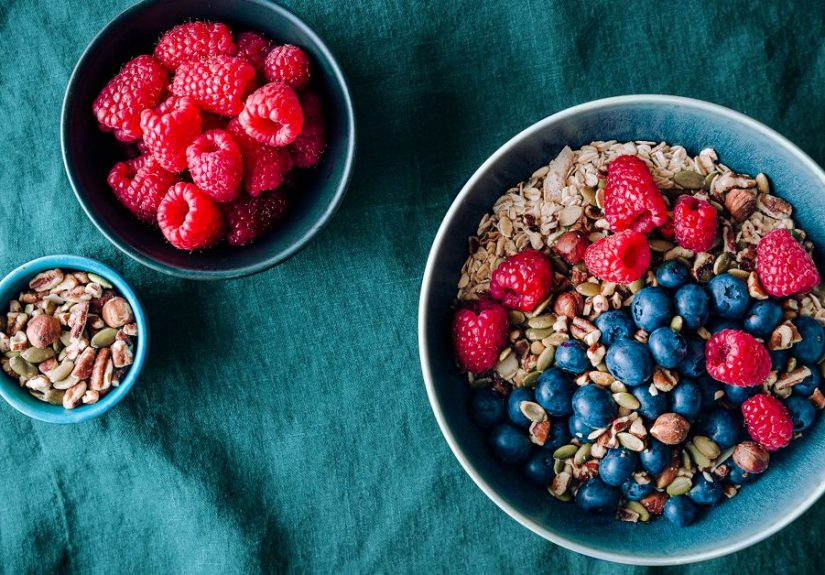
Common sources of soluble fiber include oats, oat bran, barley, beans, lentils, peas, apples, oranges, carrots, avocados, berries, and psyllium. If your breakfast is oatmeal with berries, congratulations: you are basically hosting a tiny wellness conference in a bowl.
How Soluble Fiber Affects You Day to Day
Soluble fiber often has a “slow and steady” effect. You may notice you stay satisfied longer after meals. Some people also find their bathroom routine becomes more predictable because soluble fiber helps hold water in the stool, which can soften it. If your diet is heavy on refined grains and low on beans, oats, fruit, and legumes, adding more soluble fiber may feel like your digestive system finally got a project manager.
Insoluble Fiber: The “Bulk Builder”
Insoluble fiber does not dissolve in water. Instead, it adds bulk to stool and helps food move through the digestive tract more efficiently. This is the fiber most often associated with bowel regularity and constipation prevention.
Insoluble fiber is found in foods like wheat bran, whole wheat products, many vegetables, nuts, seeds, and the skins of fruits and vegetables. Think of it as the structural, broom-like part of plant foods. Not glamorous, but very effective.
How Insoluble Fiber Affects You Day to Day
If your main goal is staying regular, insoluble fiber is often your best friend. It helps increase stool bulk and can reduce the sluggish, backed-up feeling that comes with a low-fiber diet. Many people eat far more refined grains than whole grains, which means they lose much of the bran and natural fiber that would help keep digestion moving. That is one reason a bagel-heavy, drive-thru-friendly week can leave you feeling less than victorious.
Still, insoluble fiber is not “better” than soluble fiber. It simply has a different specialty. Your body benefits from both.
Beyond the Basics: Other Fiber Types That Matter
Viscous Fiber: The Thickening Expert
Not all soluble fiber is equally effective. Some soluble fibers are viscous, meaning they form a thicker gel. These are especially useful for cholesterol management, blood sugar control, and fullness. Beta-glucan in oats and barley is a classic example, as is psyllium.
When people say a bowl of oatmeal “sticks with them,” this is part of the reason. Viscous fiber slows gastric emptying and digestion more than fibers that dissolve but do not form much thickness.
Fermentable Fiber: Food for Your Gut Microbes
Some fibers are fermentable, which means gut bacteria can break them down in the colon. When that happens, your microbes produce compounds called short-chain fatty acids, which are linked to gut and metabolic health. In simpler terms, some fiber is not just feeding you; it is feeding the helpful organisms living in your gut.
Fermentable fibers are found in foods like beans, oats, onions, garlic, bananas, asparagus, legumes, and many other plant foods. This is one reason diverse plant intake is often encouraged. Your gut microbiome likes variety more than another sad cracker does.
That said, fermentable fiber can also increase gas and bloating in some people, especially if intake rises too quickly. So yes, fiber is healthy, but it may still demand a dramatic entrance if you go from five grams a day to a bean festival overnight.
Resistant Starch: The Undercover Fiber-Like Carb
Resistant starch is not always listed as a separate type of fiber in casual conversation, but it deserves attention. It resists digestion in the small intestine and behaves somewhat like fermentable fiber in the colon. Foods such as legumes, cooked-and-cooled potatoes, cooked-and-cooled rice, green bananas, and some whole grains can provide resistant starch.
Resistant starch may help with fullness, blood sugar response, and gut health. It is one reason beans are nutrition overachievers. They bring protein, minerals, and fiber to the party, then casually show up with resistant starch too.
How Different Fibers Affect Key Areas of Health
1. Digestion and Regularity
If you want to understand fiber’s greatest hit, start with digestion. Insoluble fiber helps add bulk and move things along. Soluble fiber can soften stool by holding water. Fermentable fibers help nourish the gut environment. Together, they support more regular bowel movements and may reduce the odds of chronic constipation for many people.
That does not mean more is always better in every situation. People with certain digestive conditions, flare-ups, or medical issues may temporarily need a lower-fiber approach. But for the average person eating a standard low-fiber diet, getting more fiber from whole plant foods usually improves digestive comfort over time.
2. Cholesterol and Heart Health
Soluble, especially viscous, fiber shines here. Oats, barley, beans, lentils, and psyllium are the all-stars because they can help lower LDL cholesterol. Whole grains, legumes, fruits, vegetables, nuts, and seeds also support overall cardiovascular health because they bring a package deal: fiber plus vitamins, minerals, and plant compounds.
This is why nutrition experts keep sounding the same boring but correct message: eat more whole plant foods. It works. The advice is not flashy, but neither is brushing your teeth, and that also turns out to be useful.
3. Blood Sugar Control
Fiber can help smooth out blood sugar swings, especially when meals include soluble or viscous fiber. That slower digestion means glucose enters the bloodstream more gradually. Beans, lentils, oats, barley, chia, flax, and many vegetables can help create more stable meals.
A practical example: plain instant white rice alone may digest quickly, while a meal built around lentils, vegetables, and a whole grain tends to digest more slowly. The difference is not just calories. It is structure, fiber, and how the meal behaves in your body.
4. Fullness and Weight Management
Fiber-rich foods generally require more chewing, take up more space, and often digest more slowly. That combination can increase satiety, meaning you feel satisfied sooner and stay full longer. Soluble and viscous fibers are particularly good at this, but high-fiber whole foods overall can help reduce mindless snacking.
Notice the emphasis on whole foods. An apple is not just fiber. It is water, volume, texture, and sweetness in a portable package. That affects appetite very differently than a cookie that disappears in three bites and leaves you negotiating with the pantry 20 minutes later.
5. Gut Health
Fermentable fibers and resistant starch are especially relevant here because they help feed beneficial gut microbes. A fiber-rich, varied plant-based eating pattern is associated with a healthier gut environment. In real life, that means foods like beans, oats, fruits, vegetables, nuts, seeds, and whole grains do more than keep you regular. They help create a gut ecosystem that may support broader health.
Why Fiber Can Make You Feel Better or Worse at First
Fiber has a deservedly healthy image, but let us be honest: if you increase it too fast, it can feel like your abdomen has joined a protest. Bloating, gas, and cramping are common when people suddenly jump from a low-fiber pattern to a high-fiber one.
This does not mean fiber is bad for you. It usually means your digestive system and gut microbes need time to adapt. The fix is simple but not exciting: increase fiber gradually, drink enough fluids, and spread fiber-rich foods across the day instead of trying to become a bean-powered superhero by dinner.
The Best Food Sources for Different Types of Fiber
Foods Rich in Soluble Fiber
- Oats and oat bran
- Barley
- Beans, lentils, and peas
- Apples, oranges, berries, and pears
- Carrots and sweet potatoes
- Psyllium
Foods Rich in Insoluble Fiber
- Whole wheat and wheat bran
- Brown rice
- Nuts and seeds
- Cauliflower, green beans, and leafy greens
- Fruit and vegetable skins
Foods Rich in Fermentable Fiber or Resistant Starch
- Beans and lentils
- Oats and barley
- Onions, garlic, and asparagus
- Bananas, especially less ripe ones
- Cooked-and-cooled potatoes or rice
- Whole grains and pulses
One important reminder: foods contain a mix of fiber types. You do not need to memorize every molecule like you are cramming for the nerdiest exam alive. You mostly need to eat a wider variety of plant foods consistently.
How Much Fiber Do You Actually Need?
The general advice for adults is often around 25 to 38 grams of fiber per day, depending on age and sex, while the Nutrition Facts label uses a Daily Value of 28 grams per day. The bigger point is this: most people still do not get enough. If you are currently nowhere near those numbers, do not panic and eat half a bag of bran cereal in one sitting. Your intestines deserve a gentler onboarding process.
Smart Ways to Add More Fiber Without Regret
- Start breakfast with oatmeal, bran cereal, or whole grain toast instead of sugary refined cereal.
- Add beans or lentils to soups, salads, tacos, and pasta dishes.
- Choose fruit instead of juice whenever possible.
- Keep the edible skins on produce like apples, pears, and potatoes when appropriate.
- Swap white rice or white bread for brown rice, quinoa, barley, or whole grain bread more often.
- Add nuts or seeds to yogurt, oatmeal, or salads.
- Increase fiber gradually and drink plenty of water.
of Real-Life Experience: What Fiber Feels Like in Everyday Life
Ask ten people how fiber affects them and you will probably get ten versions of the same basic story: “I did not think much about it until my body started sending strongly worded letters.” Fiber is one of those nutrients that often goes unnoticed when things are going well and becomes very memorable when they are not.
A common experience starts with the “healthy eating Monday” moment. Someone decides they are done with drive-thru lunches, mysterious snack bars, and the emotional support pastry that somehow appears at 3 p.m. every day. They buy oats, apples, chickpeas, salad greens, and whole grain bread. For the first time in a while, meals feel substantial. Breakfast lasts longer. Lunch does not lead to a dramatic energy crash. They are less likely to raid the kitchen at night because a bowl of lentil soup and a piece of fruit actually keeps them full.
Then comes the plot twist: they get bloated. Maybe a little gassy. Maybe enough to wonder whether chickpeas are holding a personal grudge. This is where many people assume fiber is the problem, when the real issue is speed. Going from a low-fiber diet to a high-fiber diet too quickly can feel like showing up to a 10K race after training exclusively by walking to the refrigerator. Your body can adapt, but it would prefer a warm-up.
Over time, though, people often notice the benefits. Bathroom habits become more regular and less dramatic. Meals feel more satisfying. Energy may feel steadier because high-fiber foods often replace ultra-refined options that digest fast and leave you hungry soon after. Many people also notice that high-fiber meals feel “heavier” in a good way, not greasy or sluggish, but grounded. A breakfast with oats, berries, and nuts hits differently than a giant sugary coffee and a pastry that vanishes in six bites.
Another very real experience is discovering that different fiber-rich foods affect people differently. Oatmeal may feel soothing, while a giant raw kale salad feels like chewing a hedge and then regretting it. Beans may work beautifully in small servings but start a rebellion when eaten in heroic quantities. A crisp apple may feel great one day and weirdly intense the next if someone already has a sensitive stomach. This does not mean fiber is inconsistent. It means the human digestive system is not a copy-and-paste machine.
That is why the best fiber strategy is usually practical, not extreme. More variety. More whole plant foods. More water. Less drama. Maybe oatmeal on Monday, lentil soup on Tuesday, berries with yogurt on Wednesday, roasted vegetables on Thursday, and popcorn for a snack on Friday. Not glamorous, but effective.
In the end, fiber affects you the way many good habits do: quietly, steadily, and more powerfully than you realize. When you eat enough of the right kinds, your body often feels less chaotic. And that is a pretty excellent return from food your body never fully digests in the first place.
Conclusion
The different types of fiber affect you in different but complementary ways. Soluble fiber helps with cholesterol, blood sugar, and fullness. Insoluble fiber supports regularity and stool bulk. Fermentable fiber and resistant starch help nourish your gut microbes and support digestive and metabolic health. In real life, you do not need to chase one “perfect” fiber. You need a steady mix of fruits, vegetables, legumes, whole grains, nuts, and seeds.
The best fiber plan is not complicated. Eat more plants, choose less-refined carbs more often, increase intake gradually, and give your digestive system time to adjust. Fiber may not be exciting enough to trend every week, but your body notices when it is missing. And when it shows up consistently, the results are often delightfully unsexy: better digestion, steadier energy, more fullness, and one less reason for your stomach to be dramatic.
Note: This article is for educational purposes and should not replace personalized medical advice, especially if you have a digestive condition or have been told to follow a low-fiber diet.






 Close
Close