
Table of Contents >> Show >> Hide
- Why Clean an Oven With Lemon?
- What You Need To Clean an Oven With Lemon
- How To Clean an Oven With Lemon: Step-by-Step
- How To Use Lemon and Baking Soda for Tougher Oven Stains
- How To Clean Oven Racks With Lemon
- What Lemon Can and Cannot Do
- Safety Tips Before Cleaning an Oven With Lemon
- How Often Should You Clean Your Oven With Lemon?
- Common Mistakes To Avoid
- Best Lemon Oven Cleaning Routine for Busy Homes
- Real-Life Experience: What Actually Happens When You Clean an Oven With Lemon
- Conclusion
- SEO Tags
If your oven smells like last month’s lasagna, yesterday’s roasted chicken, and one mysterious burnt thing nobody in the house is willing to claim, it may be time for a lemon rescue mission. Learning how to clean an oven with lemon is one of the simplest ways to loosen light grease, fresh spills, food splatter, and stubborn kitchen odors without reaching immediately for harsh chemical cleaners.
Lemon cleaning works because lemons contain citric acid, a natural degreasing helper that can soften oily residue. When lemon juice is heated with water, the steam helps loosen grime from oven walls, the door glass, and lightly soiled surfaces. It is not magic, and it will not make three years of burned cheese vanish with one dramatic wipe. But for routine oven maintenance, odor control, and light-to-moderate buildup, lemon steam is a surprisingly useful little kitchen trick.
This guide explains exactly how to clean your oven with lemon, when the method works best, when it needs backup from baking soda or dish soap, and how to avoid common mistakes that can damage your appliance or turn cleaning day into a citrus-scented wrestling match.
Why Clean an Oven With Lemon?
Lemon is a popular natural oven cleaner because it is affordable, easy to find, and less aggressive than many commercial oven cleaners. The fresh scent is a bonus, especially if your oven has been producing smoke or funky smells every time it preheats.
The Main Benefits of Lemon Oven Cleaning
Cleaning an oven with lemon can help loosen grease, soften stuck-on food, freshen odors, and reduce the amount of scrubbing needed. It is especially helpful after roasting oily foods, baking casseroles, broiling cheese, or reheating meals that bubble over like tiny kitchen volcanoes.
The method also works well as a maintenance clean between deeper oven cleanings. Instead of waiting until your oven interior looks like a crime scene from a cooking show, a quick lemon steam session can keep residue from building up into a stubborn, smoky layer.
What You Need To Clean an Oven With Lemon
You do not need a complicated cleaning kit. In fact, the whole charm of this method is that your main tool may already be sitting in your fruit bowl, quietly wondering when it gets to be useful.
- 2 fresh lemons
- 1 to 2 cups of water
- An oven-safe baking dish or bowl
- Microfiber cloths or soft sponges
- Rubber gloves
- Plastic scraper or old credit card for stuck-on bits
- Baking soda, optional for stubborn spots
- Mild dish soap, optional for greasy racks
Avoid steel wool, metal scrapers, and abrasive pads on the oven door glass or enamel-coated surfaces. They can scratch the finish and make future messes cling even more stubbornly.
How To Clean an Oven With Lemon: Step-by-Step
The lemon steam method is best for light grease, food splatter, lingering odors, and regular oven maintenance. For safety, start with a cool oven and remove loose crumbs before adding heat.
Step 1: Remove the Oven Racks
Take out the oven racks before you start. This gives you more room to wipe the walls, floor, and door. If the racks are greasy, place them in a sink or bathtub with warm water and a few drops of dish soap. Let them soak while the lemon steam does its work inside the oven.
Step 2: Clear Loose Food and Crumbs
Use a dry cloth, handheld vacuum, or soft brush to remove loose crumbs from the oven floor. This matters because lemon steam softens residue, but it does not make burnt chunks disappear. If you leave debris in the oven, it can turn into damp, sticky crumbs that are even less fun to clean.
Step 3: Make the Lemon Water Mixture
Slice two lemons in half and squeeze the juice into an oven-safe dish. Add the lemon halves to the dish as well, then pour in 1 to 2 cups of water. The water should be deep enough to create steam without boiling over.
A glass or ceramic baking dish works well if it is oven-safe. Do not use thin glassware that is not designed for oven heat. Sudden temperature changes can cause glass to crack, and nobody wants their “natural cleaning day” to become “why is there glass in my oven day.”
Step 4: Heat the Oven
Place the dish on the center rack or oven floor, depending on your oven design and manufacturer guidance. Heat the oven to about 250 degrees Fahrenheit and let the lemon water steam for 20 to 30 minutes.
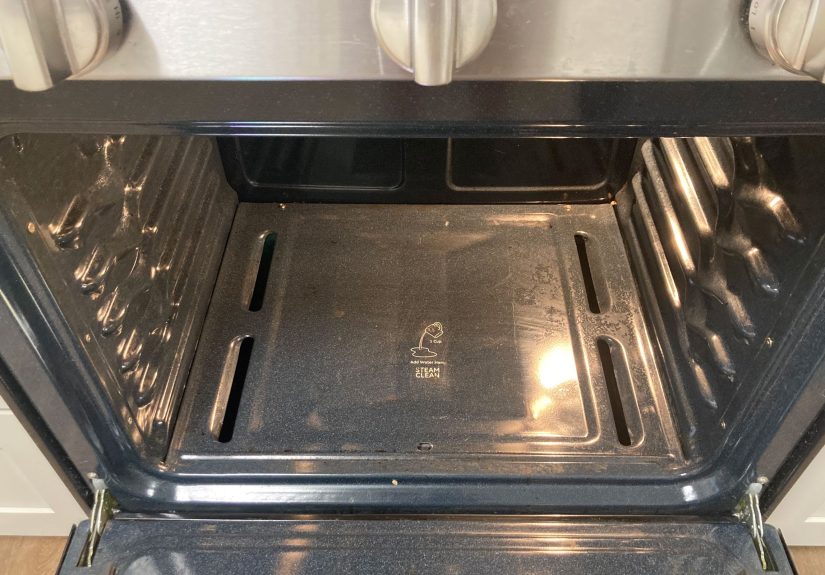
The steam will circulate through the oven interior and help loosen grease and food residue. If your oven has a steam-clean setting, check your owner’s manual before using lemon water, because some manufacturers recommend plain water only for built-in steam-clean cycles.
Step 5: Let the Oven Cool Before Wiping
Turn off the oven and keep the door closed for several minutes so the steam can continue working. Then open the door carefully and let the oven cool until it is warm, not hot. Steam burns are real, and they do not care how productive you were trying to be.
Step 6: Wipe the Interior
Dip a microfiber cloth or soft sponge into the warm lemon water, wring it out, and wipe the oven walls, floor, and inside of the door. Work from the top down so loosened grime does not drip onto areas you already cleaned.
For sticky spots, let the damp cloth sit on the residue for a few minutes before wiping again. A plastic scraper can help lift softened spills without scratching the surface.
Step 7: Clean the Oven Door Glass
Oven door glass collects grease, splatter, and cloudy film. Use the lemon water and a soft cloth to wipe the inside glass. If the film remains, sprinkle a small amount of baking soda on the damp cloth and gently rub in circular motions. Wipe clean with fresh water and dry with a microfiber cloth.
Step 8: Dry and Air Out the Oven
Once the grime is removed, wipe the oven with a clean damp cloth to remove any lemon residue. Then dry the interior with a towel and leave the door open for a short time. This helps prevent moisture from sitting around seals, corners, or vents.
How To Use Lemon and Baking Soda for Tougher Oven Stains
Lemon steam is excellent for fresh or moderate messes, but baked-on grease may need a little extra muscle. That is where baking soda comes in. Baking soda is mildly abrasive and can help lift residue without being as harsh as metal scrubbers.
Make a Lemon Baking Soda Paste
Mix 1/2 cup of baking soda with enough lemon juice to create a spreadable paste. The mixture may fizz slightly, which is normal. Spread the paste over greasy patches, avoiding heating elements, vents, lights, fans, and the oven gasket.
Let the paste sit for 20 to 30 minutes for lighter buildup, or several hours for tougher spots. Wipe it away with a damp cloth, then rinse the area well. Baking soda residue can leave a chalky film if not removed completely.
When To Add Dish Soap
If the oven is oily rather than crusty, a few drops of dish soap in warm water can help break up grease after the lemon steam treatment. Use soap sparingly and rinse thoroughly. Too much soap can leave a slippery film that takes extra wiping to remove.
How To Clean Oven Racks With Lemon
Oven racks often need stronger cleaning than the oven walls because they collect baked-on drips and grease. Lemon can freshen and help loosen residue, but hot soapy water usually does the heavy lifting.
Simple Rack-Cleaning Method
Place the racks in a bathtub, large sink, or utility basin. Fill with warm water and add a few drops of dish soap. Squeeze in the juice of one lemon and toss the lemon halves into the water. Let the racks soak for at least 30 minutes, then scrub with a non-scratch brush or sponge.
Rinse well and dry completely before returning the racks to the oven. Do not put wet racks back into the oven and immediately crank up the heat unless you enjoy dramatic sizzling noises and unnecessary moisture.
What Lemon Can and Cannot Do
Lemon is helpful, but it has limits. It can loosen light grease, reduce odors, and make routine cleaning easier. It cannot fully dissolve thick layers of carbonized food, remove years of baked-on black residue in minutes, or replace every deep-cleaning method.
If your oven smokes whenever you use it, if grease has pooled on the bottom, or if spills have hardened into heavy crust, start with manual removal of loose debris. Then use lemon steam to soften what remains. For very stubborn buildup, you may need baking soda paste, a manufacturer-approved cleaner, or your oven’s self-clean cycle if the manual says it is safe for your model.
Safety Tips Before Cleaning an Oven With Lemon
Natural cleaning does not mean you can skip safety. Hot water, steam, glass dishes, and electrical components all deserve respect.
Avoid Heating Elements and Oven Gaskets
Do not apply lemon juice, baking soda paste, or excessive water directly to heating elements, fan openings, electrical parts, or the oven door gasket. The gasket helps seal heat inside the oven, and harsh scrubbing can weaken or damage it.
Use Ventilation
Open a window or turn on your range hood if your oven has old grease inside. Lemon smells fresh, but heated grease can still produce unpleasant odors. Ventilation also helps moisture leave the kitchen faster.
Do Not Mix Random Cleaners
Never mix lemon juice with bleach or ammonia-based products. Mixing household cleaners can produce dangerous fumes. If you use a commercial oven cleaner, follow the label exactly and do not combine it with homemade mixtures.
Check Your Owner’s Manual
Appliance manufacturers may have specific rules for self-cleaning ovens, steam-clean ovens, enamel interiors, convection fans, and oven liners. When in doubt, your oven manual wins the argument. It may not be exciting reading, but it is cheaper than replacing a damaged control panel.
How Often Should You Clean Your Oven With Lemon?
For regular home cooking, a lemon steam clean every few weeks can help keep odors and light splatter under control. If you roast meats, bake bubbling casseroles, cook frozen pizzas, or broil frequently, you may benefit from doing it more often.
A deeper oven cleaning is usually needed a few times per year, depending on how often you cook and how messy your favorite recipes are. The best habit is to wipe spills once the oven cools. Fresh spills are far easier to clean than baked-on residue that has been reheated five times and now believes it owns the place.
Common Mistakes To Avoid
Using Too Much Water
Lemon steam needs moisture, not a small indoor swimming pool. Too much water can spill, drip, or create extra cleanup. Stick with 1 to 2 cups in a stable oven-safe dish.
Scrubbing With Metal Tools
Metal tools can scratch oven surfaces and door glass. Use plastic scrapers, soft sponges, microfiber cloths, or non-scratch pads instead.
Expecting Lemon To Fix Heavy Buildup Instantly
Lemon is a maintenance cleaner, odor fighter, and grease softener. It is not an industrial-strength degreaser wearing a yellow peel. For neglected ovens, use lemon as the first step, then follow with baking soda paste or another approved cleaning method.
Cleaning While the Oven Is Too Hot
Warm surfaces are easier to wipe than cold ones, but hot surfaces can burn skin and damage cloths. Let the oven cool enough to touch safely before wiping.
Best Lemon Oven Cleaning Routine for Busy Homes
If you want a practical routine, use lemon steam after messy cooking sessions. Once dinner is done and the oven is cooling, place lemon water inside, heat gently, let it steam, and wipe when safe. This prevents splatter from turning into stubborn buildup.
For weekly maintenance, wipe the door glass and oven floor with a damp microfiber cloth. For monthly maintenance, do a lemon steam clean. For seasonal cleaning, remove the racks, soak them separately, and treat stubborn stains with baking soda paste.
Real-Life Experience: What Actually Happens When You Clean an Oven With Lemon
The first thing you notice when cleaning an oven with lemon is the smell. Instead of the sharp, nose-pinching scent of many heavy-duty cleaners, the kitchen starts to smell like someone is making tea, not battling a casserole fossil. That alone makes the process feel less intimidating.
In real use, lemon cleaning is best when you are honest about the condition of the oven. If the oven has a thin layer of grease on the door, a few splatters on the side walls, and a lingering roasted-food smell, lemon steam works beautifully. After 20 to 30 minutes, the grime becomes softer, the glass wipes more easily, and the oven smells noticeably fresher.
The method is also great for people who dislike strong chemical smells. Many households use the oven daily, and nobody wants tomorrow’s cookies to carry a faint memory of cleaning spray. Lemon feels more food-friendly, especially for quick maintenance between deeper cleans.
However, the lemon method teaches one important lesson: cleaning is easier when you do not wait too long. A fresh spill from apple pie filling may wipe away after lemon steam and a damp cloth. The same spill after three weeks of reheating can become a sticky, caramelized patch that laughs quietly at your sponge. In that case, baking soda paste becomes your backup singer.
One useful experience-based tip is to wipe the oven while it is still slightly warm after steaming. Not hot, not “ouch,” just warm enough that grease has not fully tightened back onto the surface. A microfiber cloth dipped in the lemon water works better than a dry towel because it keeps residue soft while you wipe.
Another practical tip is to place an old towel under the oven door while cleaning. As you wipe the inside of the door, drips may run toward the floor. The towel catches lemon water and grime before it reaches the cabinet base or kitchen floor. It is a tiny step that saves a surprising amount of annoyance.
For oven racks, lemon alone is pleasant but not always powerful enough. Warm water, dish soap, and a soak do most of the work. Lemon helps with smell and light grease, but a non-scratch brush is usually needed for baked-on spots. If the racks are heavily coated, give them more time in the soak rather than scrubbing like you are training for an arm-wrestling tournament.
The biggest mistake people make is using too much lemon juice or leaving sticky citrus residue behind. Lemon juice is acidic, and while it is useful for cleaning, it should not be left sitting on oven surfaces indefinitely. Always finish with a clean damp cloth and then dry the oven. This final rinse keeps the interior fresh without leaving residue that could smell odd the next time the oven heats.
Lemon cleaning is also a nice “reset” before holiday cooking or weekend meal prep. It gives the oven a fresher start, reduces old odors, and makes the appliance feel less neglected. No, it will not turn cleaning into your favorite hobby. But it can make oven care feel manageable instead of dramatic.
The best experience is using lemon as a habit, not a rescue operation. A quick steam clean after a messy roast or bubbly casserole prevents the kind of buildup that later requires heroic scrubbing. Think of lemon cleaning as brushing your oven’s teeth. A little regular care is much easier than waiting until the situation needs a full dental team.
Conclusion
Cleaning an oven with lemon is simple, budget-friendly, and surprisingly effective for light grease, food splatter, and stubborn odors. The steam softens residue, the citric acid helps loosen oily film, and the fresh scent makes the job feel a little less like punishment for enjoying melted cheese.
For the best results, remove racks, clear crumbs, steam lemon water at low heat, let the oven cool safely, and wipe with a microfiber cloth. Use baking soda paste for tougher stains, avoid harsh scrubbing tools, and always check your appliance manual before using water, cleaners, or steam-clean settings. Lemon may not be a miracle worker, but as part of a smart cleaning routine, it is a reliable, natural way to keep your oven fresher and easier to maintain.
SEO Tags
Note: This article is written in standard American English, formatted as body-only HTML, and prepared for web publishing without source-link clutter or unnecessary reference markers.







 Close
Close