
Table of Contents >> Show >> Hide
- Why Vertical Blinds Need Special Cleaning
- Know Your Vertical Blind Material Before You Start
- What You Need to Clean Vertical Blinds
- How to Clean Vertical Blinds Without Taking Them Down
- How to Deep Clean Removable Vertical Blinds
- How to Clean Fabric Vertical Blinds Safely
- How to Clean the Headrail and Track
- How to Remove Common Vertical Blind Stains
- What Not to Do When Cleaning Vertical Blinds
- How Often Should You Clean Vertical Blinds?
- When to Replace Instead of Clean
- Final Thoughts
- Extra Experience and Practical Lessons From Real-Life Vertical Blind Cleaning
- SEO Tags
Vertical blinds are one of those household features that quietly do their job until one sunny afternoon when the light hits them just right and suddenly you realize they are wearing a full coat of dust, a splash of mystery grease, and at least one smudge that looks suspiciously like peanut butter. The good news is that cleaning vertical blinds is not difficult. The better news is that it is much easier when you use the right method for the material instead of going full action-movie mode with a spray bottle and blind optimism.
This complete guide explains exactly how to clean vertical blinds step by step, including how to clean vinyl vertical blinds, how to clean fabric vertical blinds, how to deal with stains, and how to keep the track from becoming a dusty little railway of regret. Whether your blinds live in a living room, bedroom, rental, office, or kitchen that sees a little too much bacon enthusiasm, this guide will help you clean them safely and keep them looking sharp.
Why Vertical Blinds Need Special Cleaning
Vertical blinds are generally easier to maintain than horizontal blinds because the vanes hang straight down instead of forming tiny dust shelves. Still, they collect more grime than many people expect. Dust drifts onto the surface. Cooking residue can leave a sticky film. Humidity can turn light dust into clingy dirt. Pet hair can wrap itself around the lower edges like it signed a lease.
That is why the best vertical blind cleaning routine starts dry, stays gentle, and only uses water when the material can handle it. Cleaning them the wrong way can lead to warped vanes, fabric damage, streaks, or a tangled mess that makes your window look emotionally unavailable.
Know Your Vertical Blind Material Before You Start
Before you clean anything, identify what your vertical blinds are made of. This is the step people skip right before they create a bigger problem.
Vinyl or PVC Vertical Blinds
These are the easiest to clean. They usually handle dusting, wiping, and light washing well. If your vertical blinds are white, off-white, or have that classic office-meets-apartment energy, vinyl is a strong possibility.
Fabric Vertical Blinds
Fabric vanes need a gentler approach. Vacuuming and spot cleaning are usually safer than soaking. If you scrub too hard, the fabric can fray, distort, or end up with a water mark that somehow looks worse than the original stain.
Faux Wood or Textured Synthetic Blinds
Some vertical blind vanes mimic wood grain or have a textured finish. These often tolerate light moisture, but they still do best with minimal water and soft cloths.
Aluminum Vertical Blinds
These can often be wiped clean, but they bend more easily than they forgive. Use a light touch.
Real Wood Components
Real wood is less common with vertical blinds, but if your system includes wood-like parts, avoid soaking or heavy moisture. Water and wood are not sworn enemies, but they are definitely not best friends.
What You Need to Clean Vertical Blinds
- Microfiber cloths
- A vacuum with a soft brush attachment
- A feather duster or electrostatic duster
- A bucket or bowl of warm water
- Mild dish soap
- A sponge or soft cloth for spot cleaning
- A dry towel
- An all-purpose cleaner for stubborn spots if the material allows it
- A step stool for tall windows
Skip abrasive scrubbers, harsh chemicals, bleach-heavy guessing games, and anything that sounds like it belongs in a garage instead of on a window treatment.
How to Clean Vertical Blinds Without Taking Them Down
If your blinds are dusty but not disaster-level dirty, this is the fastest and safest method.
Step 1: Close the Blinds and Start at the Top
Turn the vanes so you can access one broad side at a time. Start at the top and work downward. Gravity is undefeated, so let it help. If you start at the bottom, you will just knock dust onto the clean sections and end up doing the same job twice, which is a very dramatic way to spend your afternoon.
Step 2: Dust Each Vane
Use a microfiber cloth, feather duster, or electrostatic duster to wipe each vane from top to bottom. Hold the vane lightly with one hand if needed so it does not swing around like it is trying to avoid responsibility.
For light maintenance, this may be all your blinds need.
Step 3: Vacuum for a Better Finish
Use a vacuum with a soft brush attachment on a low setting. Run it gently down each vane from top to bottom. This is especially useful for fabric vertical blinds because it lifts dust without grinding it deeper into the material.
Do not use high suction unless your weekend plans include chasing a detached vane across the room.
Step 4: Spot Clean Any Marks
Mix warm water with a few drops of mild dish soap. Dampen a microfiber cloth so it is just moist, not dripping. Wipe stained or sticky areas gently from top to bottom. For fabric blinds, blot rather than scrub.
If you are using any cleaner beyond mild soap, test it first on a hidden area. This tiny step can save you from turning one stain into a larger, brighter, more expensive stain.
Step 5: Dry Completely
Use a dry towel or cloth to remove leftover moisture. Let the vanes air dry fully while open. Damp blinds attract dust faster and can develop streaks, odors, or warping depending on the material.
How to Deep Clean Removable Vertical Blinds
If your vinyl or washable synthetic vanes are heavily soiled, a deeper clean may be worth it. Only do this if the manufacturer allows washing or soaking.
Remove the Vanes Carefully
Unclip one vane at a time. Keep them in order if you want them to hang exactly as before, especially if some have a slight curve or wear pattern.
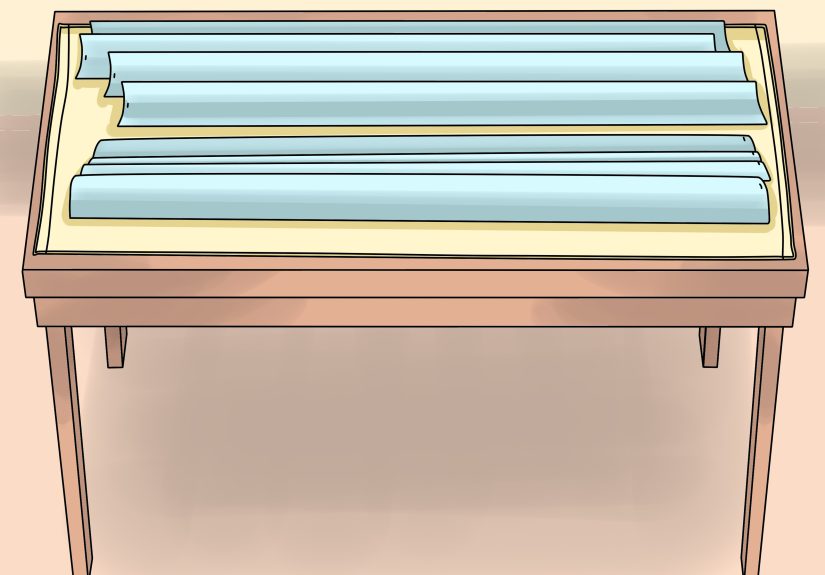
Lay Them Flat or Use a Tub
For a safe deep clean, lay the vanes flat on towels and wipe them with warm, soapy water. If the material is washable and the grime is stubborn, you can soak them briefly in a bathtub or large basin with mild soap.
Do not leave them soaking forever while you go answer emails, reorganize a drawer, and rethink your life. Extended soaking can damage some materials and finishes.
Rinse and Dry Thoroughly
Rinse with clean water if needed, wipe with a towel, and let them dry fully before rehanging. Reinstalling damp vanes is a great way to create new problems immediately after solving the old ones.
How to Clean Fabric Vertical Blinds Safely
Fabric vertical blinds need a softer touch than vinyl. Think “gentle spa day,” not “power wash.”
- Vacuum them first with a brush attachment
- Support each vane from behind while vacuuming so it does not crease
- Blot stains with a damp cloth and mild soap
- Do not scrub aggressively
- Do not soak unless the manufacturer specifically says it is safe
If the fabric has a lingering odor, dust buildup, or isolated spots, repeated light cleaning is usually safer than one intense cleaning session. Fabric tends to punish overconfidence.
How to Clean the Headrail and Track
People often focus on the vanes and forget the track, which is like shampooing your hair and skipping your scalp. The headrail collects dust, and the track can trap debris that makes blinds harder to open and close.
Vacuum the Track
Use a narrow vacuum attachment or brush tool to remove loose dust from the top rail, corners, and carriers.
Wipe the Rail
Use a dry or slightly damp microfiber cloth to wipe the headrail. Avoid over-wetting mechanical parts.
Check for Sticking or Dragging
If the blinds still do not move smoothly after cleaning, the issue may be dust buildup, worn carriers, or damaged clips rather than dirt on the vanes themselves.
How to Remove Common Vertical Blind Stains
Dust and Everyday Grime
A microfiber cloth and vacuum usually handle routine buildup.
Sticky Residue
Use a damp cloth with mild dish soap. Wipe gently and dry immediately.
Kitchen Grease
Blinds near stoves often need two passes: one to loosen grease and another to remove residue. A lightly soapy cloth works better than spraying cleaner directly onto the vane.
Pet Marks or Fingerprints
Spot clean with a damp microfiber cloth. On fabric, blot. On vinyl, wipe gently.
Mystery Spots
Ah yes, the classic household genre. Start with the mildest method first. Do not jump straight to a strong cleaner unless you are prepared for plot twists.
What Not to Do When Cleaning Vertical Blinds
- Do not scrub fabric vanes aggressively
- Do not use abrasive pads or harsh solvents
- Do not soak wood or wood-look components unless clearly approved
- Do not use hot air from a hair dryer on delicate materials
- Do not spray cleaner directly onto blinds if a cloth will do
- Do not rehang vanes while damp
- Do not forget to check care instructions if you still have them
How Often Should You Clean Vertical Blinds?
A light dusting once a week or every other week keeps buildup from becoming a bigger project. A deeper clean every few months works well for most homes. If the blinds are in a kitchen, bathroom, pet-heavy room, or near an open window, they may need more frequent attention.
The secret is not heroic deep cleaning. It is boring consistency. The glamorous truth of home care is that five minutes now saves forty-five minutes later.
When to Replace Instead of Clean
Sometimes cleaning is not the answer. If the vanes are cracked, badly warped, permanently stained, or no longer hang evenly, replacement may be more practical. In many cases, you can replace a few damaged slats instead of the entire blind system.
If the track is broken, clips keep snapping, or the vanes have seen enough life to write a memoir, it may be time to upgrade.
Final Thoughts
If you have been wondering how to clean vertical blinds without damaging them, the answer is surprisingly simple: start dry, clean gently, match your method to the material, and do not let moisture linger. That formula works for routine dust, stubborn spots, and even the greasy film that somehow appears when a kitchen window exists too close to real cooking.
In other words, vertical blind cleaning does not require fancy tools, a professional crew, or a personal breakthrough. It mostly requires a microfiber cloth, a little patience, and the wisdom not to turn a basic cleaning task into a chemistry experiment. Treat your blinds kindly, and they will keep doing their quiet little job of filtering light and making your windows look finished instead of forgotten.
Extra Experience and Practical Lessons From Real-Life Vertical Blind Cleaning
One of the most common experiences people have when cleaning vertical blinds is realizing the job is not actually hard, just annoyingly specific. At first glance, the blinds look simple. Then you touch one vane, it swings away from you like it suddenly remembered another appointment, and you realize this job requires a little strategy. The people who usually have the easiest time are the ones who slow down, clean one section at a time, and resist the urge to over-wet everything in the first five minutes.
Another very real experience is discovering that dust was only half the problem. In bedrooms and living rooms, dust is usually the main villain. In kitchens, however, vertical blinds can collect a film that feels almost invisible until you wipe one vane and compare it to the next. That is when the cleaning session becomes deeply satisfying. You suddenly understand why mild soap matters. A dry cloth may remove loose dust, but it often takes a lightly damp microfiber cloth to cut through cooking residue without leaving streaks behind. Many homeowners say this is the exact moment they stop thinking their blinds are “old” and realize they were just dirty.
Fabric vertical blinds create a different kind of learning curve. A lot of people assume fabric needs more water because the surface looks softer and more absorbent. In practice, the opposite approach is usually better. Gentle vacuuming, light blotting, and patience tend to produce the best results. People often learn this after trying to scrub one visible stain too aggressively and ending up with a larger damp patch that takes forever to dry. The lesson is not that fabric blinds are impossible. It is that fabric rewards restraint. Wipe less. Blot more. Pretend you are helping a nice shirt through a difficult day.
There is also the track-cleaning revelation. Plenty of people clean every vane and then wonder why the blinds still feel old, stiff, or awkward to operate. Then they vacuum the headrail, wipe out the corners, and suddenly the whole system moves more smoothly. It is a little like cleaning behind the refrigerator or under the couch. You do not think it matters until it matters a lot. In everyday home care, hidden grime often affects function just as much as visible grime affects appearance.
People who rent often have a particularly strong relationship with vertical blinds because rentals love them with the intensity of a thousand property managers. In that setting, experience teaches another useful lesson: frequent light cleaning is far better than rare dramatic cleaning. A quick dusting every week or two can keep blinds looking presentable with very little effort. Wait six months, and suddenly you are deep cleaning each vane while questioning every life choice that brought you to a Sunday afternoon with a step stool and a bucket.
Finally, nearly everyone who has cleaned vertical blinds a few times comes to the same conclusion: the finish matters just as much as the cleaning. Drying the vanes, opening them so air can circulate, and checking for missed streaks make a noticeable difference. Clean blinds that are left damp can end up attracting new dust fast, and even a good cleaning job can look mediocre if the vanes dry unevenly. The best results usually come from simple habits done well, not complicated products. That is the strangely comforting truth. Vertical blinds are not asking for magic. They are asking for a soft cloth, a gentle hand, and maybe a little respect for the fact that they have been catching sunlight, dust, and household chaos for years.






 Close
Close