
Table of Contents >> Show >> Hide
- Before You Start: Know What Kind of “Bad” You’re Dealing With
- How to Cover Up a Bad Wall in 15 Steps
- Step 1: Inspect the Wall Like a Detective With Better Lighting
- Step 2: Decide Whether to Repair, Disguise, or Fully Cover
- Step 3: Clean the Surface First
- Step 4: Scrape Off Anything Loose or Flaking
- Step 5: Patch Holes, Cracks, and Dents
- Step 6: Sand Until the Wall Feels Boring
- Step 7: Prime the Trouble Spots
- Step 8: Choose the Best Paint Strategy for Minor Imperfections
- Step 9: Add Texture When Flat Walls Are Not Helping
- Step 10: Use Wallpaper or Paintable Wall Liner for a Fast Cover-Up
- Step 11: Try Peel-and-Stick Coverings for Renters or Commitment-Phobes
- Step 12: Install Paneling, Beadboard, or Shiplap for Bigger Flaws
- Step 13: Use Wainscoting or Half-Wall Treatments Where Damage Is Low
- Step 14: Camouflage With Decor When the Wall Is Mostly Cosmetic
- Step 15: Finish Cleanly So the Wall Looks Intentionally Beautiful
- Best Cover-Up Options Based on the Problem
- Mistakes to Avoid
- Conclusion
- Real-World Experiences With Covering Up a Bad Wall
- SEO Tags
A bad wall can ruin a room faster than a blinking Wi-Fi router ruins family peace. Maybe it is cracked, dented, stained, textured in an unfortunate “1978 motel lobby” style, or covered in a paint job that looks like it lost a fight with a roller. The good news is that most ugly walls do not need a dramatic demolition scene. In many cases, they need smart prep, the right cover-up strategy, and a little patience.
This guide walks you through 15 practical steps to cover up a bad wall the right way. Some fixes are simple and budget-friendly, like patching, priming, and repainting. Others lean more decorative, like wallpaper, paneling, molding, or a strategically stylish gallery wall. The trick is knowing whether your wall needs repair, camouflage, or a complete makeover in a new outfit.
Let’s make that problem wall less “crime scene” and more “compliment magnet.”
Before You Start: Know What Kind of “Bad” You’re Dealing With
Not every bad wall is bad in the same way. Some have cosmetic flaws, like nail pops, chipped paint, or shallow dents. Others have bigger issues, like water stains, bubbling paint, crumbling plaster, or mold. If moisture is active, do not just cover it and hope for the best. That is not a makeover. That is a delayed argument with your wall.
Look closely at the surface in daylight. Run your hand over it. Check whether the damage is shallow, structural, damp, or purely ugly. Once you know what is actually wrong, the right fix becomes much easier.
How to Cover Up a Bad Wall in 15 Steps
Step 1: Inspect the Wall Like a Detective With Better Lighting
Start by checking for cracks, loose paint, nail holes, stains, peeling wallpaper, soft spots, and signs of moisture. Tiny dings are cosmetic. Water rings, moldy odor, or soft drywall usually mean you need to solve the root problem first. Press gently around damaged spots. If the wall feels spongy, flaky, or damp, pause the makeover and handle the repair issue before you cover anything.
Step 2: Decide Whether to Repair, Disguise, or Fully Cover
This is the step that saves time, money, and several unnecessary trips to the hardware store. Minor flaws can often be repaired and painted. Moderate flaws may be best disguised with texture or wallpaper. Bigger visual disasters usually look better under paneling, beadboard, wainscoting, or another wall covering. In other words, do not bring a tiny putty knife to a giant ugly-wall problem.
Step 3: Clean the Surface First
Dust, grease, old adhesive, and mystery grime can ruin the finish of any wall treatment. Wipe painted walls with a damp sponge or cloth and mild cleaner if needed. Let the wall dry fully. If wallpaper glue is left behind from an earlier project, remove it before painting or applying a new finish. Covering dirt is not decorating. It is just giving dirt a new roommate.
Step 4: Scrape Off Anything Loose or Flaking
Use a putty knife or paint scraper to remove loose paint, peeling wallpaper edges, bubbled sections, and crumbly filler. A wall covering is only as stable as the surface beneath it. If the top layer is already giving up on life, new paint or wallpaper will not magically improve its attitude. Get rid of weak material now so the new finish has something solid to hold onto.
Step 5: Patch Holes, Cracks, and Dents
Fill small nail holes and dents with spackle. Use joint compound or patching compound for larger flaws. For cracks, mesh tape can help reinforce the area before compound goes on. If you are dealing with plaster, feather repairs carefully so the patch blends into the surrounding surface. Thin layers usually work better than one giant blob. Giant blobs are for mashed potatoes, not walls.
Step 6: Sand Until the Wall Feels Boring
That is the goal. A repaired wall should feel smooth and unremarkable before you try to make it attractive. Sand patched areas lightly, feather edges, and wipe away dust. If the wall has drips, ridges, or roller marks from a bad paint job, sand those down too. You are creating an even base, not trying to sculpt a mountain range in your living room.
Step 7: Prime the Trouble Spots
Primer is the unsung hero of wall makeovers. It seals repairs, improves adhesion, and helps block stains from bleeding through. If the wall has water marks, smoke stains, patched sections, or a major color change, primer matters even more. Spot-prime repaired areas at minimum, and prime the whole wall when the surface is inconsistent. Skipping primer is one of those choices that feels efficient right up until it doesn’t.
Step 8: Choose the Best Paint Strategy for Minor Imperfections
If the wall is mostly sound but just visually rough, paint may be enough. Lower-sheen finishes often hide imperfections better than glossy ones, which tend to spotlight every bump like an interrogation lamp. Rich mid-tone or darker colors can also help disguise minor surface flaws better than bright, reflective shades. For a simple, affordable cover-up, a well-prepped wall plus quality primer and paint can work wonders.
Step 9: Add Texture When Flat Walls Are Not Helping
Some walls look worse the smoother and shinier they get. In that case, texture can be your best friend. A subtle textured finish can hide uneven drywall work, shallow dents, and patched areas that still show in direct light. Go light and intentional. You want “soft visual camouflage,” not “someone sneezed mud at the wall.” Texture works especially well in hallways, older homes, and rooms where perfection is not the design goal.
Step 10: Use Wallpaper or Paintable Wall Liner for a Fast Cover-Up
Wallpaper is no longer just your grandmother’s floral revenge. Modern wallpaper, especially textured or paintable options, can cover minor cracks, patched areas, and uneven surfaces beautifully. A wall liner can also smooth visual inconsistencies before paint goes on. If you want pattern, warmth, or a little drama, wallpaper pulls double duty: it hides flaws and adds style. That is efficient. We love efficient.
Step 11: Try Peel-and-Stick Coverings for Renters or Commitment-Phobes
If you need a temporary solution, removable wallpaper, murals, or wall decals can be surprisingly effective. They are especially useful when the wall is ugly but not damaged enough to justify more serious work. The key is surface prep and careful alignment. Peel-and-stick products do best on clean, smooth walls, so patching and dust removal still matter. Temporary does not mean sloppy. It just means less emotionally binding.
Step 12: Install Paneling, Beadboard, or Shiplap for Bigger Flaws
When paint and wallpaper feel like putting lipstick on a drywall disaster, wall paneling becomes the smart upgrade. Beadboard, board-and-batten, shiplap, and decorative panels can hide substantial visual defects while adding texture and architectural interest. This is a strong move for badly scarred walls, dated surfaces, or spots where you want the cover-up to look intentional and elevated instead of merely tactical.
Step 13: Use Wainscoting or Half-Wall Treatments Where Damage Is Low
If the worst damage is on the lower half of the wall, you do not need to redo everything from floor to ceiling. Wainscoting, trim molding, or beadboard on the bottom section can hide scuffs, dents, and old patchwork while leaving the upper wall paintable or wallpaper-ready. It is a classic solution because it works. It also makes the room look custom, which is a nice bonus for something that began as a cover-up mission.
Step 14: Camouflage With Decor When the Wall Is Mostly Cosmetic
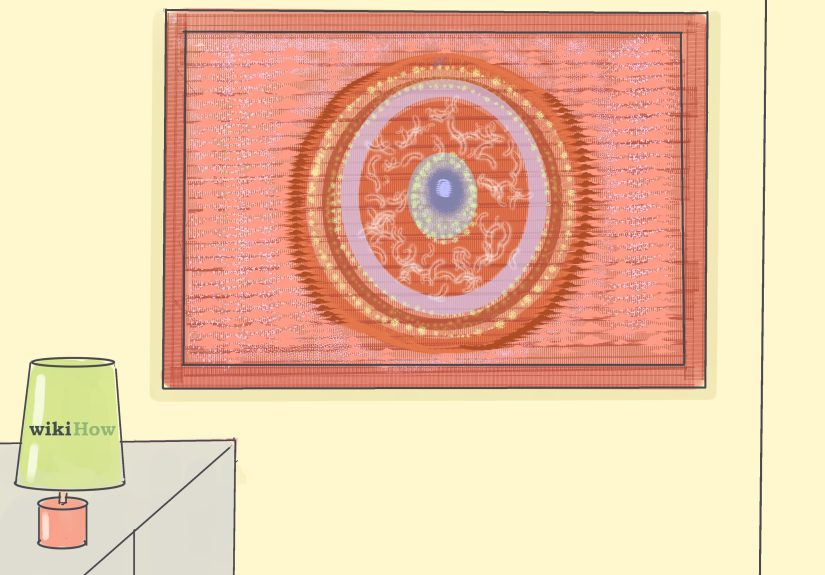
For small areas or awkward spots, strategic decor can do a lot. Oversized art, a gallery wall, floating shelves, tapestry panels, mirrors, or fabric treatments can distract from shallow flaws and turn attention toward something prettier. This is not the right fix for crumbling plaster or water damage, but it is perfect for that one weird wall that just looks tired and embarrassing during video calls.
Step 15: Finish Cleanly So the Wall Looks Intentionally Beautiful
The final step is what separates “quick fix” from “nice renovation.” Caulk visible gaps, touch up edges, clean trim, remove tape carefully, and check the wall in both daylight and evening light. Bad walls love to reveal their secrets at 7:30 p.m. when the lamp is on. Stand back and make sure your solution looks intentional, balanced, and finished. That wall should now say “designed choice,” not “cover-up operation.”
Best Cover-Up Options Based on the Problem
For small dents and nail holes
Use spackle, sand smooth, prime, and repaint.
For patched but uneven drywall
Try a full prime-and-paint approach, a subtle texture, or a paintable wall liner.
For peeling paint or old wallpaper scars
Scrape, clean, repair, prime, then choose paint or wallpaper.
For ugly lower-wall damage
Wainscoting, beadboard, or board-and-batten is often the cleanest answer.
For widespread cosmetic disaster
Paneling, wallpaper, or a full decorative treatment usually beats trying to patch every flaw one by one.
Mistakes to Avoid
- Covering active moisture, mold, or soft drywall without repairing the cause first.
- Painting over dirt, glue residue, or flaking material.
- Skipping primer on repaired or stained areas.
- Choosing shiny paint on a wall that already looks like a topographic map.
- Using temporary decor to hide serious structural or water damage.
- Rushing dry time between patching, sanding, priming, and finishing.
Conclusion
Learning how to cover up a bad wall is really about choosing the right level of intervention. Some walls need only patching and paint. Others need texture, wallpaper, or paneling to stop being the visual equivalent of a bad haircut. Once you clean the surface, repair what matters, and match the solution to the severity of the wall, the room can change dramatically without a full remodel.
The big secret is this: beautiful walls are usually less about perfection and more about preparation. A well-planned cover-up looks polished, intentional, and stylish. A rushed one looks like the wall won. Do not let the wall win.
Real-World Experiences With Covering Up a Bad Wall
One of the most common experiences people have with a bad wall is underestimating how much light changes everything. A wall can look “totally fine” at noon and then turn into a parade of dents, seams, and roller marks once the evening lamp comes on. That is why many homeowners start with paint, feel proud for about six hours, and then realize the wall still looks rough from the couch. It is not failure. It is just the moment when the room tells the truth.
Another common experience is discovering that the wall is uglier after you start. You pull down a picture frame to repaint one small area and suddenly find nail holes, faded paint outlines, weird texture patches, and one mysterious dent that looks like somebody threw a remote in 2009. This is extremely normal. Bad walls are layered. They have history. They have stories. They have receipts.
People also tend to learn very quickly that patching is not the same as blending. Filling a hole is easy. Making the wall look like the hole never existed is where the real skill lives. That is why sanding, feathering edges, and priming repaired spots matter so much. Without those steps, the wall may technically be fixed but still visually announce, “Hi, I was patched on Saturday.”
A lot of renters and budget-conscious homeowners have especially good experiences with removable wallpaper, large-scale art, or lower-half wall treatments. These options feel less intimidating than a full renovation, and they create a big visual shift fast. Many people are surprised by how effective beadboard or peel-and-stick wallpaper can be when the wall underneath is only mildly embarrassing rather than truly damaged.
There is also a very real emotional reward in solving a wall problem creatively instead of perfectly. Not every room needs museum-grade drywall. Sometimes the smartest solution is to install molding, add texture, hang bold art, or turn one ugly wall into an accent wall with personality. That shift in mindset helps a lot. You stop trying to make the wall disappear and start making the room look better as a whole.
In the end, most people come away from the project with the same lesson: the best wall makeover usually happens when you stop searching for a miracle product and start respecting the prep. Clean first. Repair what matters. Prime properly. Then choose a finish that suits both the damage and the room. It is less glamorous than dramatic before-and-after TV editing, but it works. And unlike a rushed shortcut, it will not start peeling just in time for holiday guests.






 Close
Close