
Table of Contents >> Show >> Hide
- Why White Vans Get Dirty So Fast
- What You’ll Need Before You Start
- Method 1: The Quick Clean for Light Dirt
- Method 2: Deep Clean White Vans That Look Dingy
- How to Clean the Rubber Sides and Soles
- How to Clean White Vans Laces and Insoles
- What Not to Do When Cleaning White Vans
- How Often Should You Clean White Vans?
- Easy Ways to Keep White Vans Cleaner Longer
- Real-Life Experiences With Cleaning White Vans
- Final Thoughts
White Vans are timeless. They go with jeans, shorts, dresses, hoodies, and that one “effortless” outfit that actually took 45 minutes to build. The problem, of course, is that white Vans also have a special talent for collecting sidewalk grime, coffee splashes, mystery smudges, and the occasional “How did that happen?” stain. One quick walk through real life, and your bright sneakers can start looking like they survived a minor disaster.
The good news is that cleaning white Vans does not have to involve panic, expensive products, or a chemistry degree. In most cases, a soft brush, mild soap, a little patience, and the right drying method can make a huge difference. And when your shoes need more than a casual touch-up, a baking soda paste or a gentle whitening method can help bring them back from the brink.
This guide walks you through easy ways to clean white Vans sneakers, from quick weekly maintenance to deeper stain removal. It also covers what not to do, because nothing ruins a cleaning day faster than turning white canvas yellow or warping your favorite pair with too much heat. Let’s keep those Vans crisp without accidentally turning them into a DIY regret project.
Why White Vans Get Dirty So Fast
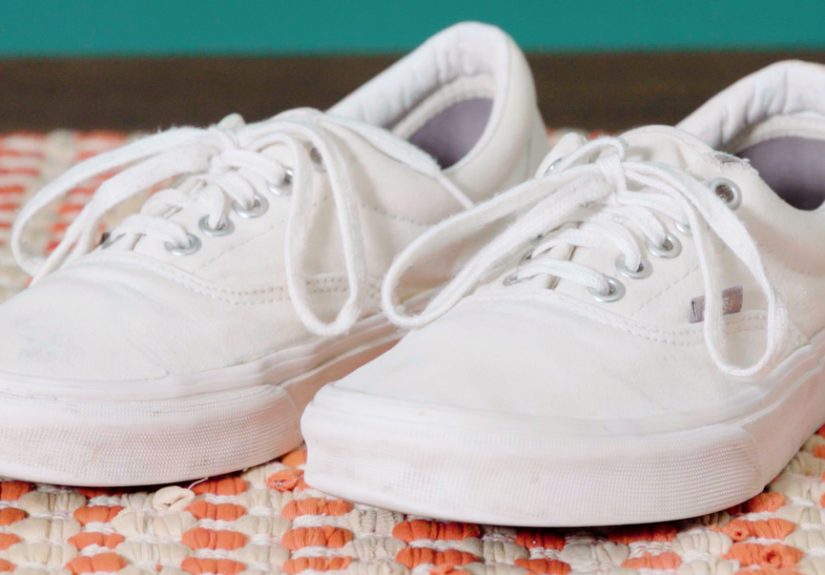
White canvas is basically the overachiever of shoe materials: it looks fresh, bright, and clean right up until the second it touches the world. Vans sneakers, especially classic canvas styles like Authentics, Eras, and Slip-Ons, tend to show dirt quickly because the fabric surface holds onto dust, oils, and stains more easily than darker materials. Add in bright rubber foxing and white laces, and every smudge suddenly feels like it has a spotlight on it.
That is why regular maintenance matters more than dramatic rescue missions. A quick brush-off every few wears is far easier than trying to revive shoes after months of buildup. Think of it as dental hygiene, but for sneakers and with fewer awkward questions from a hygienist.
What You’ll Need Before You Start
You do not need a giant basket of specialty products to clean white Vans. For most pairs, gather these basics:
- Soft-bristled brush or old toothbrush
- Microfiber cloth or soft white rag
- Mild dish soap or gentle laundry detergent
- Warm water
- Small bowl
- Baking soda
- White vinegar or hydrogen peroxide for stubborn stains
- Melamine sponge for rubber soles only
- Paper towels or clean paper for stuffing the shoes while drying
If your white Vans are suede or leather rather than canvas, use less water and choose a material-specific cleaner. This guide focuses mainly on classic white canvas Vans, since those are the pairs most people mean when they ask how to clean white Vans sneakers.
Method 1: The Quick Clean for Light Dirt
If your shoes are dusty, a little grimy, or just looking tired rather than tragic, this is the easiest way to clean them.
Step 1: Remove the Laces and Brush Off Dry Dirt
Take out the laces first. This gives you better access to the tongue and eyelets, which are tiny dirt traps pretending to be innocent design details. Then use a dry soft brush to knock off loose dust, dirt, and dried mud from the canvas, sole, and edges.
Do not skip this step. If you go straight in with water, you are basically making a dirt smoothie and rubbing it deeper into the fabric.
Step 2: Mix a Gentle Cleaning Solution
Add a few drops of mild dish soap or laundry detergent to a bowl of warm water. You want the mixture lightly sudsy, not bubble-bath dramatic. Dip your brush or cloth into the solution and gently scrub the canvas using small circular motions.
Work section by section rather than soaking the whole shoe. White Vans usually respond best to controlled, gentle cleaning instead of full-on dunking.
Step 3: Wipe and Blot
After scrubbing, wipe the shoe with a clean damp cloth to remove soap residue. Then blot with a dry towel. If the shoes already look much better, congratulations: you may have just avoided a deep-clean weekend.
Step 4: Air-Dry the Right Way
Stuff the shoes with paper towels or clean paper to help them keep their shape while drying. Let them air-dry at room temperature. Avoid dryers, heaters, and intense direct heat. High heat can mess with glue, shape, and overall sneaker dignity.
Method 2: Deep Clean White Vans That Look Dingy
Sometimes white Vans need more than soap and optimism. If your sneakers look gray, tired, or stained, try one of these deeper cleaning methods.
Baking Soda Paste
Mix baking soda with a small amount of water to create a thick paste. Apply it to stained or dull areas with a toothbrush, then scrub gently. Let it sit for about 15 to 20 minutes before wiping or rinsing lightly with a damp cloth.
This method works well when the canvas looks dull overall and you want a safer, more fabric-friendly way to brighten it without reaching for harsh bleach.
Baking Soda and White Vinegar Mix
For a slightly stronger DIY option, combine baking soda, white vinegar, and warm water into a lightly fizzy cleaning mixture. Use a brush to work it into stained areas, then let it sit briefly before wiping it away. This approach is popular because it helps lift grime while brightening the canvas at the same time.
The key word here is gently. White Vans are sneakers, not kitchen grout. Scrub too aggressively, and you may rough up the fabric instead of cleaning it.
Hydrogen Peroxide for Stubborn Stains
If you are dealing with old marks that laugh in the face of soap, a little hydrogen peroxide mixed with baking soda can help. Dab the mixture onto problem areas, scrub lightly, and let it sit briefly before wiping clean. Use this as a spot treatment rather than an everyday method.
Always test any stronger mixture on a small hidden area first. The goal is bright shoes, not a surprise science fair.
How to Clean the Rubber Sides and Soles
The white rubber foxing is usually what makes dirty Vans look especially rough. Good news: rubber often cleans up faster than canvas.
Start with your mild soap solution and a cloth or brush. For stubborn gray marks, use a slightly damp melamine sponge and rub the rubber sidewalls gently. This can lift scuffs surprisingly well.
One important rule: keep the melamine sponge on the rubber, not the canvas upper. It is more abrasive than it looks, and while it works wonders on sidewalls, it can be too harsh for fabric.
If the outsoles are caked with dirt, scrub them separately with a brush so you do not transfer grime back onto the white upper. It sounds obvious, but many people accidentally clean the bottom and top with the same dirty brush and then wonder why the shoe still looks sad.
How to Clean White Vans Laces and Insoles
Laces
White laces deserve their own cleaning routine because they get grimy fast and can make even freshly cleaned shoes look unfinished. Soak them in warm water with a little dish soap or detergent for 15 to 30 minutes. Rub them between your hands or scrub lightly with a toothbrush, rinse well, and let them air-dry flat.
If the laces are still yellow, frayed, or permanently dingy, replacing them is sometimes the easiest upgrade. Fresh laces can make old Vans look surprisingly refreshed.
Insoles
Remove the insoles if possible. Wipe them with a damp cloth and mild soap, then let them dry completely before putting them back. Do not rush this step. Damp insoles are the express lane to weird smells and regret.
What Not to Do When Cleaning White Vans
Plenty of sneaker-cleaning disasters start with good intentions. Here are the mistakes most worth avoiding:
- Do not soak the shoes. Too much water can loosen glue and distort shape.
- Do not use chlorine bleach casually. It can weaken fabric and may cause yellowing.
- Do not toss them straight into a hot dryer. Heat is not your friend here.
- Do not scrub canvas like you are sanding a deck. Gentle pressure works better.
- Do not ignore the material. White suede, leather, and canvas all need different care.
- Do not use Magic Eraser on everything. It is best reserved for rubber areas.
Some people do machine-wash all-canvas sneakers on a cold, gentle cycle. But if you want the safer route for white Vans, hand cleaning is usually the better choice. It gives you more control and lowers the risk of glue issues, shape changes, or rough-looking canvas.
How Often Should You Clean White Vans?
If you wear your white Vans often, a quick wipe-down every week or two helps prevent dirt from building up. Spot-cleaning stains right away is even smarter. The longer grime sits, the more effort it takes to remove.
A deep clean every month or so is a solid habit for frequently worn pairs. If you only break them out occasionally, clean them whenever they start looking dull and always before storing them away.
Easy Ways to Keep White Vans Cleaner Longer
- Brush off dirt after wearing them in dusty or muddy conditions.
- Use a protective spray once the shoes are fully dry.
- Rotate your shoes instead of wearing the same pair daily.
- Store them in a dry, clean place with airflow.
- Keep sneaker wipes handy for quick scuff emergencies.
- Stuff them with paper when drying or storing to help them keep shape.
The biggest secret is not a miracle product. It is consistency. White Vans stay whiter when dirt never gets too comfortable.
Real-Life Experiences With Cleaning White Vans
Anyone who owns white Vans for more than five minutes usually learns the same lesson: the shoes are easy to wear, but they are not exactly self-cleaning. One of the most common experiences people talk about is waiting too long. A tiny smudge from coffee, grass, or sidewalk grime looks harmless at first, so it gets ignored. Then a week passes, then another, and suddenly the shoes have gone from “cool and lived-in” to “did you hike through a parking lot?” The biggest difference usually comes from cleaning sooner, not scrubbing harder.
Another real-world pattern is that people often assume more product equals better results. So they reach for bleach, heavy-duty sprays, or a super-stiff brush and go to war with the canvas. That usually backfires. The shoes may come out cleaner in one spot but rougher, more yellow, or more uneven overall. A lot of experienced sneaker owners eventually land on the same approach: start mild, clean in layers, and save stronger treatments for specific stains. In other words, treat the shoes like fabric you want to keep wearing, not a driveway you are pressure-washing.
People also discover quickly that the rubber sides matter almost as much as the canvas. You can clean the upper perfectly, but if the foxing is still gray and scuffed, the whole shoe still looks tired. On the flip side, once the rubber edge is bright again, the sneakers can look dramatically newer even if the canvas is not flawless. That is why many white Vans fans swear by cleaning the rubber separately and giving it a few extra minutes. It is one of those little details that delivers outsized results.
Laces are another funny little reality check. Plenty of people deep-clean the shoes and then re-lace them with the same dingy strings, only to realize the pair still looks off. Freshly cleaned white Vans with dirty laces are like a clean shirt with spaghetti sauce on the collar. You notice it immediately. In real-life before-and-after situations, washing or replacing the laces is often the finishing touch that makes the whole job look intentional and polished.
There is also the emotional side of white Vans ownership, which is a very real and slightly ridiculous thing. People buy them because they look crisp, simple, and cool. Then they get their first stain and feel oddly betrayed, as though the shoes should have known better. But over time, most owners settle into a more realistic mindset. Perfect white sneakers are nice, but wearable white sneakers are better. A well-cleaned pair does not need to look straight out of the box. It just needs to look cared for, bright, and ready for another round. That is a healthier goal and, frankly, a lot more attainable.
What many people end up learning is that cleaning white Vans is less about finding a magical one-time fix and more about developing a small routine. Brush off dirt. Wipe stains early. Deep clean when needed. Dry them properly. Repeat. Once that habit clicks, white Vans stop feeling “high maintenance” and start feeling manageable. They are still white shoes, so yes, they will continue attracting drama. But with the right method, they can stay fresh-looking far longer than most people expect.
Final Thoughts
If you have been wondering how to clean white Vans without ruining them, the answer is refreshingly simple: use a soft brush, mild soap, a targeted stain treatment when needed, and plenty of patience while they air-dry. Keep the cleaning gentle, treat the rubber separately, and avoid the urge to blast them with harsh chemicals or heat.
White Vans may never stay perfectly spotless for long, because that is not how sidewalks work. But they can absolutely stay bright, clean, and stylish with a routine that is easy enough to stick with. And that is the real win. Not perfection. Just sneakers that still look good enough to make you say, “Yep, I’d wear those right now.”







 Close
Close