
Table of Contents >> Show >> Hide
- Why Oven Kabobs Work (Even If Your Grill Is Living in Storage)
- Before You Start: What You’ll Need
- 12 Simple & Easy Steps to Cook Kabobs in the Oven
- Step 1: Pick Ingredients That Actually Cook at the Same Speed
- Step 2: Cut Everything to a Uniform Size (This Is the Secret Sauce)
- Step 3: Season Like You Mean It (Marinade or Dry Rub)
- Step 4: Marinate Smart (Flavor In, Food Safety On)
- Step 5: Soak Wooden Skewers (Or Choose Metal and Skip the Drama)
- Step 6: Preheat the Oven for Real (Not “Sort of Warm”)
- Step 7: Line the Pan and Consider a Wire Rack
- Step 8: Assemble the Kabobs (Leave a Little Breathing Room)
- Step 9: Bake First for Juiciness (Then Broil for Char)
- Step 10: Flip or Rotate Halfway (Because Heat Isn’t Psychic)
- Step 11: Broil Briefly to Finish (Watch Like a Hawk)
- Step 12: Check Internal Temperature, Rest, and Serve Like a Legend
- Best Kabob Combos for the Oven
- Troubleshooting: Fix the 6 Most Common Oven Kabob Problems
- Flavor Boosters That Make Oven Kabobs Taste Grilled
- Food Safety Notes (Because “Probably Fine” Is Not a Temperature)
- Conclusion
- Extra: Real-World Experiences & Lessons That Make Oven Kabobs Even Better (500+ Words)
No grill? No patio? No problem. Maybe it’s snowing, maybe your grill is “temporarily” holding three bags of charcoal and a broken lawn chair, or maybe you just don’t feel like playing backyard firefighter tonight.
Whatever the reason, you can absolutely make juicy, flavorful, lightly charred kabobs in the ovenand yes, they’ll taste like you meant to do it this way all along.
This guide walks you through how to cook kabobs in the oven with a foolproof, weeknight-friendly method:
a hot bake for tenderness, then a quick broil for that “I definitely grilled these” vibe. You’ll get a clean 12-step system, smart timing, safe internal temps, and simple tricks that prevent the classic kabob problems (dry chicken, soggy veggies, and the dreaded “everything spins on the skewer” situation).
Why Oven Kabobs Work (Even If Your Grill Is Living in Storage)
Oven kabobs are basically the best of two worlds: steady heat to cook the inside gently, and a final broil to brown the outside fast. The result is
oven baked kabobs that are juicy, evenly cooked, and way less fussy than outdoor grillingespecially when the weather is rude.
- Year-round cooking: rain, snow, or “my allergies are attacking me,” you’re covered.
- Reliable doneness: the oven is consistent, so timing is easier.
- Easy cleanup: foil or parchment + a sheet pan = fewer dishes.
- High flavor payoff: marinades and spice rubs still shine indoors.
Before You Start: What You’ll Need
Essential Tools
- Rimmed baking sheet (sheet pan) to catch drips
- Wire rack (optional but awesome) for better airflow and browning
- Instant-read thermometer for perfectly cooked (and safe) meat
- Skewers: metal skewers are easiest; wooden skewers work with a soak
- Foil or parchment for lining the pan
Ingredient Basics
- Protein: chicken thighs/breasts, steak, pork tenderloin, shrimp, tofu
- Veggies: bell peppers, red onion, zucchini, mushrooms, cherry tomatoes
- Marinade or seasoning: oil + acid + salt + aromatics (garlic, herbs, spices)
12 Simple & Easy Steps to Cook Kabobs in the Oven
-
Step 1: Pick Ingredients That Actually Cook at the Same Speed
Kabobs look like a party on a stick, but your oven doesn’t care about aesthetics. It cares about physics.
Pair ingredients with similar cook times: chicken with peppers and onions? Great.
Shrimp with mushrooms and zucchini? Excellent.
Super-dense potatoes with delicate shrimp? That’s a culinary custody battle.If you love mixing everything, you still canjust consider making separate skewers:
one for meat, one for quick-cooking veggies, and one for “I need more time” veggies (like thicker zucchini). -
Step 2: Cut Everything to a Uniform Size (This Is the Secret Sauce)
The #1 reason oven kabobs cook unevenly: pieces are all different sizes.
Aim for 1 to 1.5-inch chunks for most meats and hearty veggies. Keep pieces consistent so they finish together.- Chicken: 1–1.25-inch chunks
- Steak/pork: 1–1.5-inch chunks (tender cuts only)
- Veggies: similar thickness to the meat so they don’t overcook
-
Step 3: Season Like You Mean It (Marinade or Dry Rub)
For classic kabob marinade vibes, use this simple formula:
oil + acid + salt + aromatics.
Example: olive oil + lemon juice + kosher salt + garlic + oregano.
Add yogurt for chicken if you want extra tenderness and a little tang.Prefer dry rubs? Go for it. A spice blend plus a light oil coating can brown beautifully under the broiler.
-
Step 4: Marinate Smart (Flavor In, Food Safety On)
Marinate in the refrigerator, not on the counter (your kitchen is not a spa for raw chicken).
Timing guidelines:- Chicken: 30 minutes to 12 hours
- Beef/pork: 30 minutes to 8 hours
- Shrimp: 15 to 30 minutes (they’re small and dramatic)
- Tofu: 30 minutes to overnight
If you want to use marinade as a sauce later, set some aside before adding raw meat. Don’t reuse “raw marinade” unless you boil it thoroughly.
-
Step 5: Soak Wooden Skewers (Or Choose Metal and Skip the Drama)
Using wooden skewers? Soak them in water for 20–30 minutes so the exposed ends don’t scorch.
Metal skewers don’t need soaking and can help conduct heat into the center of the foodhandy for thicker pieces.Bonus tip: flat metal skewers help prevent food from spinning when you turn them. Round skewers can turn your kabob into a rotisserie prank.
-
Step 6: Preheat the Oven for Real (Not “Sort of Warm”)
Preheat to 425°F to 450°F. Kabobs like high heat because it browns the outside before the inside dries out.
If your oven runs cool, lean toward 450°F. If it runs hot, 425°F may be safer.Position a rack in the middle for baking. You’ll move higher later for broiling.
-
Step 7: Line the Pan and Consider a Wire Rack
Line a rimmed baking sheet with foil (easy cleanup) or parchment (less sticking for some marinades).
For even better browning, set a wire rack on the sheet pan and place skewers on top.
Airflow helps the kabobs brown more evenly and keeps them from sitting in their own juices. -
Step 8: Assemble the Kabobs (Leave a Little Breathing Room)
Thread ingredients onto skewers, but don’t pack them like you’re loading a suitcase for a two-month trip.
Leave a tiny bit of space so hot air can circulate and surfaces can brown.- Alternate meat and veggies for classic looks, or keep them separate for perfect doneness.
- Put sturdier veggies (onion, pepper) next to meat; delicate items (tomatoes) near the ends.
-
Step 9: Bake First for Juiciness (Then Broil for Char)
Place kabobs on the prepared pan (or wire rack setup) and bake at 425°F–450°F.
General timing (always confirm with a thermometer):- Chicken: ~14–20 minutes, depending on chunk size
- Steak (medium-ish): ~10–16 minutes
- Pork tenderloin chunks: ~14–18 minutes
- Shrimp: ~6–10 minutes total (they cook fast)
- Vegetable kabobs: ~12–18 minutes
The goal here is cooking through gently without over-browning too early. The broiler will handle the “grill illusion” in a minute.
-
Step 10: Flip or Rotate Halfway (Because Heat Isn’t Psychic)
Around the halfway mark, turn the skewers to encourage even cooking and browning.
If you’re using a wire rack, you’ll still benefit from rotatingovens have hot spots, and yours definitely has a favorite corner. -
Step 11: Broil Briefly to Finish (Watch Like a Hawk)
Switch the oven to broil and move the pan to an upper rack so kabobs are roughly
6–8 inches from the broiler (varies by oven).
Broil for 1–4 minutes per side, turning once, until you get browned edges and a little char.This is where kabobs go from “nice dinner” to “wow, did you grill these?”and also where they can go from “golden” to “smoke alarm audition” in 30 seconds.
Stay nearby. -
Step 12: Check Internal Temperature, Rest, and Serve Like a Legend
Don’t guess. Use an instant-read thermometer and hit safe minimum internal temps:
- Chicken & turkey: 165°F
- Ground meats (beef/pork/lamb): 160°F
- Steaks/roasts/chops (beef/pork/lamb): 145°F + a short rest
- Fish: 145°F
Let kabobs rest for 3–5 minutes before serving so juices redistribute. Then serve with rice, pita, salad, roasted potatoes, or straight off the skewer like a backyard superhero trapped indoors.
Best Kabob Combos for the Oven
Classic Chicken & Veggie Kabobs
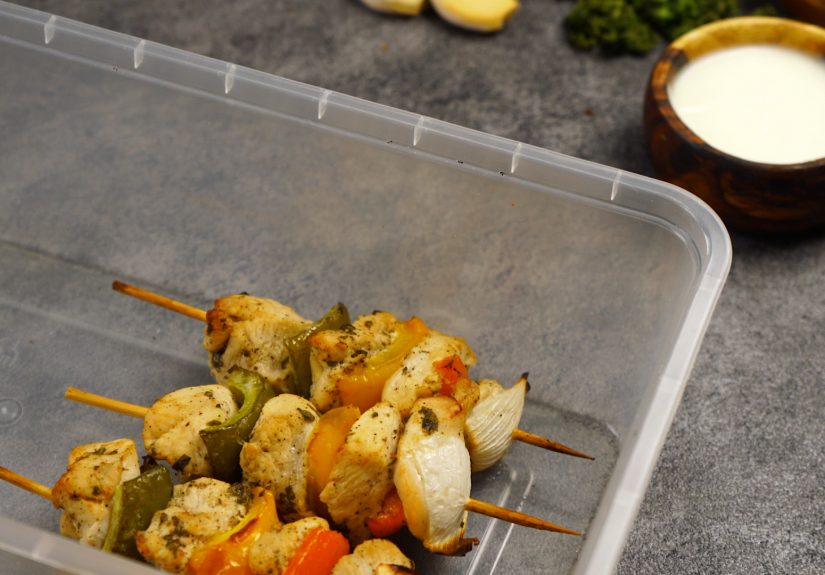
Chicken thighs stay especially juicy. Pair with bell peppers, red onion, and mushrooms.
Finish with a squeeze of lemon and a sprinkle of fresh herbs.
Steak Kabobs That Don’t Turn Into Jerky
Use tender cuts (sirloin, ribeye, strip). Avoid “stew meat”it’s tough because it’s meant to braise, not get blasted with high heat.
Keep pieces on the larger side, and don’t over-broil.
Shrimp Kabobs for Fast Weeknights
Marinate briefly, bake just until pink and opaque, then broil for a blink.
Pair with zucchini and pineapple for sweet-savory magic.
Vegetarian Sheet Pan Kabobs
Try tofu, mushrooms, zucchini, peppers, and onion. Add a bold sauce at the end (chimichurri, tahini, or a spicy yogurt drizzle).
For tofu: press it first so it browns better and doesn’t taste like a wet sponge with hopes and dreams.
Troubleshooting: Fix the 6 Most Common Oven Kabob Problems
1) “My chicken is dry.”
- Use thighs instead of breasts, or marinate breasts longer.
- Cut evenly, don’t over-broil, and pull at 165°Fdon’t keep cooking “just to be sure.”
2) “My veggies are mushy.”
- Keep veggie pieces larger.
- Separate skewers by ingredient type (meat skewers + veggie skewers).
- Don’t overcrowd the pansteam is the enemy of browning.
3) “Nothing browns.”
- Go hotter (450°F), use a wire rack, and finish with broil.
- Pat ingredients lightly dry before skewering if they’re swimming in marinade.
4) “My skewers burn.”
- Soak wooden skewers 20–30 minutes.
- Wrap exposed ends in foil if broiling aggressively.
- Or switch to metal skewers and feel instantly upgraded.
5) “My food spins when I turn it.”
- Use flat skewers, double-skewer, or pack pieces a little tighter (not jammed, just stable).
6) “The outside burns before the inside cooks.”
- Lower the bake temp to 425°F and extend the bake time slightly.
- Broil only at the very endand briefly.
Flavor Boosters That Make Oven Kabobs Taste Grilled
- Smoky spices: smoked paprika, cumin, chipotle powder
- Finishing acids: lemon/lime juice, red wine vinegar, sumac
- Fresh herbs: parsley, dill, cilantro, mint
- Quick sauces: tzatziki, chimichurri, peanut sauce, garlic yogurt
- Char trick: brush lightly with oil before broiling for better browning
Food Safety Notes (Because “Probably Fine” Is Not a Temperature)
- Marinate raw meat in the fridge, not on the counter.
- Use separate cutting boards for raw meat and vegetables, or wash thoroughly between.
- Don’t reuse marinade that touched raw meat unless you boil it thoroughly first.
- Use a thermometerespecially for chicken and ground meats.
Conclusion
Once you learn how to cook kabobs in the oven, you unlock a year-round dinner that feels festive but behaves like a practical adult meal.
The winning formula is simple: cut evenly, season boldly, bake hot, then broil fast for color. Add a thermometer and you’re basically unstoppable.
Next time someone says kabobs “need a grill,” you can smile politelythen serve them char-kissed skewers from your oven like it’s the most normal thing in the world.
Because now it is.
Extra: Real-World Experiences & Lessons That Make Oven Kabobs Even Better (500+ Words)
Here’s what tends to happen when people start making oven kabobs regularly: the first batch is delicious, the second batch is confident, and by the third batch someone is assembling skewers like they’re running a tiny, flavorful factory.
Oven kabobs have that effect. They’re simple enough for a Tuesday, but they look impressive enough that your brain goes, “Wait… am I a person who hosts?”
One of the biggest “aha” moments is realizing that kabobs are less about the skewer and more about the system. In real kitchens, the skewer is basically an edible organization tool. Once you treat it that way, everything improves.
People who used to alternate chicken-onion-chicken-tomato-zucchini-pepper without thinking eventually notice a pattern: the tomato collapses, the zucchini turns soft, and the chicken is either perfect or suspiciously dry.
The fix is surprisingly empoweringmake separate skewers. Suddenly, chicken kabobs can cook exactly to 165°F while veggie skewers stay crisp-tender and colorful.
You’re not “breaking tradition.” You’re practicing weeknight wisdom.
Another common experience: switching from wooden skewers to metal feels like moving from “camp craft project” to “serious home cook who owns matching containers.”
Metal skewers don’t burn, don’t splinter, and don’t require that “soaking bath” step you forgot about until the oven is preheated and your hunger is escalating.
And if you use flat metal skewers, you’ll notice turning is easier because the food doesn’t spin like it’s trying to escape accountability.
People also tend to discover that the broiler is both a gift and a prank. The first time you broil kabobs, you feel brilliantuntil you step away to “just grab plates” and return to a smell that can only be described as “regret.”
The broiler works fast. The practical habit that forms over time is the “two-minute check.”
When broiling, many home cooks start checking at 60–90 seconds, then again every 30–60 seconds. It sounds excessive until you consider the alternative: scraping blackened sauce off a sheet pan while pretending it was “intentional char.”
There’s also a cleanup lesson that repeats itself across households: line the pan. Always. Even if you think, “This marinade isn’t that sticky.”
Spoiler: it is. Sugar, honey, teriyaki-style sauces, and anything with ketchup or sweet chili will caramelize under heat and turn into a glue that could hold drywall.
Foil makes cleanup almost comically easyespecially if you crimp it up around the edges so juices don’t sneak underneath.
And if you use a wire rack, you’ll notice drippings fall away from the food, which helps browning and keeps the kabobs from simmering in their own juices.
Finally, a very real “experience upgrade” is learning to build kabobs for the way people actually eat.
For a family dinner, folks often make shorter skewers (or even “skewer-less” sheet pan kabobs) so servings are easy.
For parties, longer skewers feel fun and festivelike handheld dinner with built-in portion control.
And for picky eaters, kabobs are secretly a peace treaty: one skewer can be “just chicken and peppers,” another can be “no onions, please,” and another can be “all mushrooms, I’m living my truth.”
The bottom line: oven kabobs aren’t just a workaround for missing a grill.
They’re a reliable, repeatable method that gets better the more you do itbecause you start noticing the small details that matter: uniform cuts, smart grouping, high heat, and a quick broil finish.
Once those habits click, cooking kabobs in the oven becomes less of a recipe and more of a flexible skill you can use with whatever is in your fridge.





 Close
Close