
Table of Contents >> Show >> Hide
- What You Need (Minimal Tools, Maximum Payoff)
- The Base Messy Bun Method (Works for Most Hair Types)
- Quick Tips by Hair Type and Length
- 8 Messy Bun Hairstyles (Choose Your Favorite, Then Pretend It “Just Happened”)
- 1) Classic High Messy Bun
- 2) Low Messy Bun at the Nape
- 3) The Loop-Through Messy Bun (Secure + Beginner-Friendly)
- 4) Half-Up Messy Bun (The “I Want My Hair Down, But Not in My Face” Bun)
- 5) Braided Messy Bun
- 6) Knotted Messy Bun (The Two-Knot Trick)
- 7) Claw-Clip Messy Bun Twist
- 8) Messy Space Buns (Double Buns)
- How to Make a Messy Bun Stay (Without Turning It Into a Helmet)
- Troubleshooting: When Your Bun Has a Personality
- Three Micro-Upgrades That Make Any Messy Bun Look Better
- Real-Life Messy Bun Experiences (About of What Actually Happens)
- Conclusion
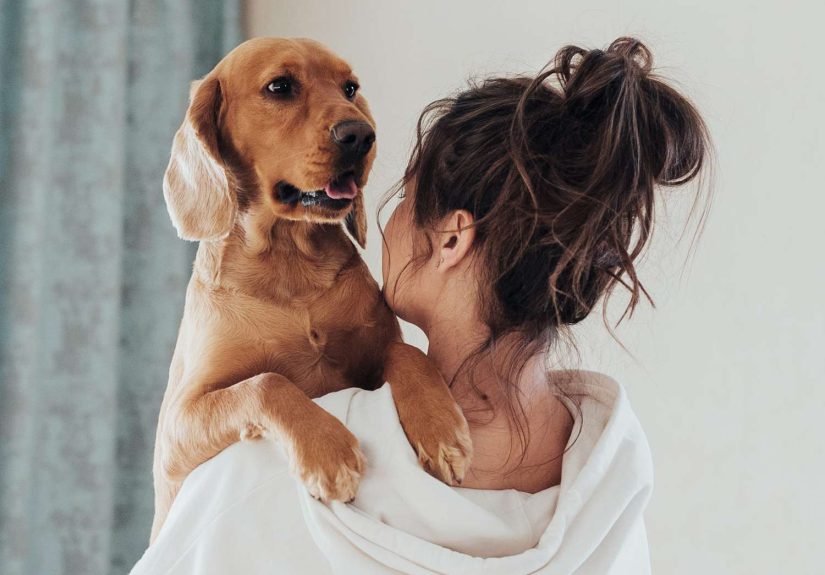
The messy bun is the hairstyle equivalent of showing up five minutes late with a great excuse and even better eyeliner: it looks effortless, but it’s secretly doing a lot. The goal isn’t “random.” It’s intentional undonesoft, textured, and secure enough to survive your day without turning into a sad, sliding cinnamon roll.
Below, you’ll learn one reliable base technique (your messy-bun “starter kit”), then eight hairstyle variations you can rotate depending on your hair length, texture, and mood.
What You Need (Minimal Tools, Maximum Payoff)
- 1 strong elastic (or two skinny elastics for fine/slippery hair)
- Bobby pins or U-pins (6–12)
- Texture booster: dry shampoo, texturizing spray, or styling powder
- Optional finishers: light-hold hairspray, smoothing cream, scrunchie, scarf, claw clip
Skip the “perfect” brush-out. Fingers create a softer, messier result that looks more natural and less “I’m trying to win a bun competition.”
The Base Messy Bun Method (Works for Most Hair Types)
Step 1: Build Grip
Messy buns hold best on slightly “grippy” hair. Day-two hair is ideal. If your hair is freshly washed and feels too silky, fake the grip by dusting dry shampoo at the roots and working it in. For extra texture, mist a texturizing spray through the mid-lengths and ends.
Step 2: Make a Ponytail Where You Want the Bun
Gather your hair with your hands. Choose placement based on the vibe:
- High (crown): sporty, lifted, great for heat and workouts
- Mid (back of head): classic and balanced
- Low (nape): polished, hat-friendly, “quiet luxe” energy
Secure with an elastic. Keep the base snug (so it stays), but not tight enough to make your scalp file a complaint.
Step 3: Twist, Wrap, Pin
Twist the ponytail loosely and wrap it around the elastic. Tuck the ends under. Pin the bun by aiming pins toward the center and anchoring them into the elasticthat’s the difference between “stays all day” and “falls by lunchtime.”
Step 4: Make It Messy on Purpose
Gently tug the bun to add volume. Loosen the crown a touch for softness. Pull out one or two face-framing pieces (or keep it clean if you prefer). Finish with a light mist of hairspray on your hands and smooth flyaways without flattening all the texture.
Quick Tips by Hair Type and Length
- Fine hair: tease the ponytail lightly before wrapping, or use a second elastic at the base for support.
- Thick hair: use a strong elastic and U-pins (they hold more hair with fewer pins).
- Curly/wavy hair: let your natural texture do the work; use a little leave-in to keep frizz soft, not crunchy.
- Short hair: try a half-up bun or space buns; pin short layers upward into the bun shape.
- Coily/textured hair: a satin scrunchie reduces tension; keep edges gentle and avoid over-tightening.
8 Messy Bun Hairstyles (Choose Your Favorite, Then Pretend It “Just Happened”)
1) Classic High Messy Bun
Best for: medium to long hair, busy mornings, gym-to-anywhere days
- Flip your head slightly forward and gather hair high on the crown.
- Secure a ponytail, leaving the base a little relaxed (not slick-tight).
- Twist, wrap, and pin around the base.
- Fluff the bun by tugging gently at the edges; pull out two soft pieces near the temples if you like.
Make it better: if the bun looks small, lightly tease the ponytail first for instant volume.
2) Low Messy Bun at the Nape
Best for: work/school, hats, a more “put-together” messy look
- Part your hair (middle or soft side) and leave out a couple face-framing strands.
- Gather hair at the nape and secure a low ponytail.
- Wrap into a loose bun and pin underneath to hide pins easily.
- Loosen the crown slightly so the style looks soft, not severe.
Common mistake: pulling the low ponytail too tightrelaxed is the whole point.
3) The Loop-Through Messy Bun (Secure + Beginner-Friendly)
Best for: fine hair, slippery hair, anyone who wants extra hold
- Create a ponytail where you want the bun.
- On the last wrap of the elastic, pull hair through only halfway to form a loop.
- Wrap the ends around the base and pin them underneath.
- Tug the loop gently to make the bun wider and more “messy.”
Why it works: the elastic forms the bun’s structure, so it’s harder for it to collapse.
4) Half-Up Messy Bun (The “I Want My Hair Down, But Not in My Face” Bun)
Best for: short to medium hair, layers, bangs, casual days
- Section the top half of your hair from temple to temple.
- Secure that section into a small ponytail near the crown.
- Create a mini bun (loop-through is easiest) and pin any short layers.
- Leave the rest of your hair down; add texture with a quick scrunch if needed.
Style trick: slightly off-center placement can look more relaxed than perfectly centered.
5) Braided Messy Bun
Best for: medium to long hair, dinners, events, “effortless but elevated”
- Make a ponytail (high or low).
- Braid the ponytail loosely and gently pull the braid’s edges to widen it.
- Wrap the braid into a bun and pin in 3–4 spots.
- Pull out a couple wispy pieces for softness.
Shortcut: even a quick three-strand braid looks fancy once it’s wrapped into a bun.
6) Knotted Messy Bun (The Two-Knot Trick)
Best for: medium to long hair, buns that look “styled” fast
- Secure a ponytail and split it into two equal sections.
- Tie one simple knot with the two sections; tie a second knot if length allows.
- Tuck the ends around the base and pin them underneath.
- Fluff the knot-bun so it looks full and airy.
Bonus: knots create built-in volume, so the bun looks bigger without extra teasing.
7) Claw-Clip Messy Bun Twist
Best for: medium to long hair, quick updos, low-effort polish
- Gather hair low, then twist upward like a French twist.
- Fold the ends down to form a soft bun shape.
- Clamp a claw clip over the twist to secure everything.
- Loosen around the hairline and nape for that lived-in finish.
Make it last: add dry shampoo at the roots first so the clip grips better.
8) Messy Space Buns (Double Buns)
Best for: short to medium hair, curls, playful styles, weekend energy
- Part hair down the middle from forehead to nape.
- Create two pigtails and secure with elastics.
- Make a bun on each side using the loop-through method, then pin loose ends.
- Fluff both buns until they look equally messy (not equally perfect).
Softening tip: pull out a few pieces near the temples if you want a less sporty look.
How to Make a Messy Bun Stay (Without Turning It Into a Helmet)
- Anchor to the elastic: pin through the bun and into the elastic at the base.
- Use “hidden support”: two pins placed underneath the bun can stop drooping.
- Layer hold: texture first, then a light spray lasttoo much hairspray too early makes hair slippery.
- Hands off: constant re-fluffing loosens pins. Fluff once, then let it live its life.
Troubleshooting: When Your Bun Has a Personality
“My bun droops.”
Tease the ponytail lightly, use a second elastic at the base, and add two pins underneath for support.
“It looks like an onion.”
Widen the bun by tugging outward in small sections and loosen the crown. A little width reads more modern and intentional.
“Short pieces pop out everywhere.”
Pin them upward into the bun shape, or smooth only the hairline and let the rest add texture. (Not every flyaway is a crisis.)
“My scalp hurts.”
Lower the bun, loosen the base, and switch to a softer scrunchie. Comfort is part of the aesthetic.
Three Micro-Upgrades That Make Any Messy Bun Look Better
If your bun sometimes reads “I tried” (not the good way), these small tweaks can make it look more intentional without adding a lot of time:
- Lift the crown: after you secure the ponytail, place two fingers at the top of your head and gently tug upward in tiny motions. This adds softness and prevents the “pulled-back” look.
- Create a clean frame: decide on either two face-framing pieces or none. Random strands can look accidental, but a deliberate pair of tendrils looks styled.
- Hide the mechanics: once your bun is pinned, wrap a thin section of hair (or use a scrunchie) around the base to cover the elastic. It’s a quick trick that makes even a basic bun look elevated.
And one more: if you have lots of layers, pin from underneath. Slide the bobby pin into the bun, rotate it, then push it toward the elastic. That “lock” motion helps trap short pieces without having pins on display.
Quick Product Cheat Sheet
- Oily roots: dry shampoo at the scalp for lift and grip.
- Flat, fine hair: a tiny pinch of styling powder at the roots before you ponytail.
- Frizz-prone hair: a pea-sized smoothing cream on the surface (avoid the roots).
- Stubborn flyaways: spray a little hairspray on a toothbrush or edge brush and lightly sweep them down.
Real-Life Messy Bun Experiences (About of What Actually Happens)
Messy buns look simple on paper. In real life, they’re more like a reliable friend: they show up for you, but they also tell you the truth. Here are the most common “messy bun realities” people run intoand what tends to help.
Day-two hair is the secret MVP. Many people notice their best messy buns happen when hair isn’t freshly washed. The roots have a little grip, the strands aren’t floating away from each other, and the bun holds its shape with fewer pins. If you’re styling on squeaky-clean hair, adding texture first (dry shampoo, powder, or a little spray) usually makes the difference between “cute” and “collapsing.”
Your bun changes with your schedule. On workout days, a high messy bun keeps hair off your neck and out of your face. On study or work days (especially if you wear headphones), low buns can be more comfortable because there’s nothing pushing against the back of your head. On camera, a mid-to-high bun with two soft face pieces often looks more “styled” than it feels, which is basically the messy bun’s whole charm.
Humidity is a surprise collaborator. In damp weather, buns can puff up and get frizzier around the hairline. That can actually help if you want volume, but it can also create random flyaways that look like tiny antennae. A real-world fix is to smooth a pea-sized amount of lightweight cream over the top with your palms, then stop touching your hair. The more you fuss, the fuzzier it gets.
Hair ties are not all created equal. A worn-out elastic is the number-one reason a bun slides down during the day. Meanwhile, a super-tight elastic can feel secure but cause scalp tension by afternoonespecially if you’re doing buns daily. Keeping two options around (one strong, one softer) is a small upgrade that makes messy buns more comfortable and more reliable.
Most “perfect” messy buns have hidden structure. The buns that look effortless usually have one tiny stability step: a little teasing in the ponytail, a second elastic at the base, or two pins placed underneath for support. It’s the styling equivalent of putting your phone on low power mode before a long daysmall move, big payoff.
Accessories rescue questionable buns. If your bun is slightly lopsided, a scrunchie makes it look intentional. If your roots are shiny, a headband or scarf distracts while also being genuinely useful. If your layers won’t cooperate, a claw clip twist turns “this isn’t working” into a chic, modern updo in about 20 seconds.
You’ll develop your own “signature tweak.” After a few tries, most people find a go-to move: loosening the crown, fluffing the bun edges, pulling two tendrils, or leaving the nape a little undone. That’s not you doing it “wrong”that’s you learning what looks best on your hair. The messy bun gets easier when you stop aiming for a clone and start aiming for yours.
Conclusion
Once you master the base method, you can mix and match these eight messy bun hairstyles anytimehigh, low, braided, knotted, clipped, or double. Keep the texture, keep the softness, and remember: the best messy bun looks like you didn’t overthink it… even if you absolutely did for 45 seconds.




 Close
Close