
Table of Contents >> Show >> Hide
- What Is a CGM, and Why Do So Many Medicare Patients Want One?
- Does Medicare Cover a CGM?
- Who Qualifies for a CGM with Medicare?
- How to Get a CGM with Medicare in 5 Steps
- What Medicare Usually Covers
- How Much Does a CGM Cost with Medicare?
- Common Reasons a CGM Order Gets Delayed
- What to Do If Medicare Says No
- The Real-World Experience of Getting a CGM with Medicare
- Final Thoughts
If you have diabetes and you’re tired of fingersticks running your social calendar, a continuous glucose monitor may feel less like a gadget and more like a tiny, very opinionated roommate that keeps watch day and night. The good news is that Medicare may cover a CGM and related supplies. The less-fun news is that getting one often involves a few forms, a qualifying visit, the right documentation, and enough patience to survive a hold-music playlist you did not ask for.
Still, it’s absolutely doable. Once you understand how Medicare coverage works, the process gets much less mysterious. In plain English: if you meet the eligibility rules, get the proper prescription, and work with the right supplier or plan, you can often move from “I think I need a CGM” to actually wearing one without losing your mind in the paperwork.
This guide walks through exactly how to get a CGM with Medicare, what qualifies you, what costs to expect, how Original Medicare differs from Medicare Advantage, and what common mistakes can slow the process down. We’ll also cover what the experience is really like, because the official rules tell only half the story.
What Is a CGM, and Why Do So Many Medicare Patients Want One?
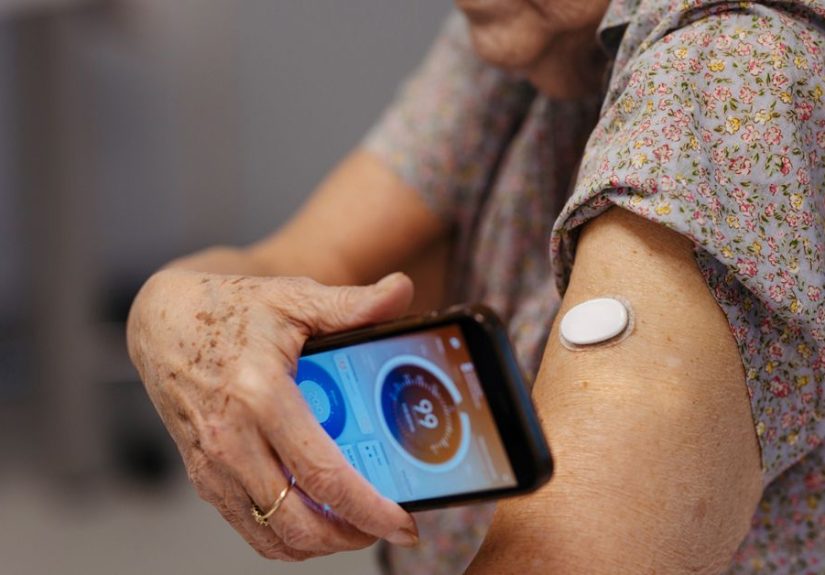
A continuous glucose monitor is a device that tracks glucose levels throughout the day and night using a small sensor worn on the body. Depending on the system, readings may appear on a dedicated receiver, smartphone, insulin pump, or a combination of devices. Instead of giving you a single snapshot like a fingerstick meter, a CGM shows trends, patterns, alerts, and the direction your glucose is moving.
That matters because diabetes management is rarely a one-number game. A glucose reading of 110 can mean “all is well” or “brace yourself, this number is dropping like a rock” depending on the trend arrow. For many older adults, especially those using insulin or dealing with low blood sugar episodes, that extra context can be a huge help.
CGMs can also make day-to-day life easier. They may help you spot overnight lows, understand how meals affect you, fine-tune medication timing, and give family members or caregivers more peace of mind. In other words, a CGM is not magic, but it can make diabetes management feel less like guesswork and more like informed decision-making.
Does Medicare Cover a CGM?
Yes, Medicare may cover a continuous glucose monitor and related supplies. Under Original Medicare, CGMs are generally covered under Part B as durable medical equipment, not as a casual over-the-counter purchase you toss into your cart with vitamins and paper towels.
That distinction matters. When a CGM is covered under Part B, Medicare may help pay for the device and related supplies if you meet the eligibility requirements. After you meet the Part B deductible, you typically pay 20% of the Medicare-approved amount unless you have other coverage that lowers your out-of-pocket costs.
If you’re in a Medicare Advantage plan, the plan must cover medically necessary items in the same category, but the details can differ. Your network, supplier options, prior authorization rules, and cost-sharing may not look exactly like Original Medicare. So yes, coverage exists, but the path can look a little different depending on which flavor of Medicare you have.
Who Qualifies for a CGM with Medicare?
This is the part people often overcomplicate. Medicare’s coverage rules are actually pretty straightforward when you strip away the billing language. In general, you may qualify if all of the following are true:
- You have diabetes.
- Your doctor or other qualified health care provider prescribes a CGM according to the device’s FDA-approved use.
- Your provider determines that you or your caregiver have enough training to use the CGM properly.
- You meet at least one of the two main clinical pathways: you use insulin, or you have a history of problematic hypoglycemia.
- You have a qualifying visit with your provider within the required timeframe before the CGM is ordered.
If You Use Insulin
This is the most common route. Medicare coverage is not limited only to people taking multiple daily injections. If you’re insulin-treated and the prescription is medically appropriate, you may qualify.
If You Don’t Use Insulin
You still may qualify if you have a documented history of problematic hypoglycemia. That usually means your record needs to show significant low blood sugar events, not just a vague statement that you “sometimes feel shaky before lunch.” Documentation matters here.
What Counts as Problematic Hypoglycemia?
In Medicare coverage language, problematic hypoglycemia generally includes either repeated level 2 low blood sugar events that continue despite treatment changes, or one level 3 hypoglycemic event that required help from another person. Translation: if lows are frequent, dangerous, or disruptive, that history may support coverage even if you are not using insulin.
How to Get a CGM with Medicare in 5 Steps
Step 1: Confirm What Kind of Medicare Coverage You Have
Before you do anything else, figure out whether you have Original Medicare or a Medicare Advantage plan. This sounds boring, but it can save you from the classic mistake of getting a prescription and then discovering it was sent to the wrong kind of supplier.
With Original Medicare, CGMs are usually handled through the Part B durable medical equipment benefit. That means you’ll often work with a Medicare-enrolled DME supplier.
With Medicare Advantage, you may still get coverage for a CGM, but the plan may require network suppliers, prior authorization, or a particular ordering process. Call the plan and ask these questions:
- Is a CGM covered under my plan?
- Do I need prior authorization?
- Which suppliers are in network?
- What will my copay or coinsurance be?
This one phone call can prevent a lot of administrative heartbreak.
Step 2: Schedule a Visit with Your Prescribing Provider
Medicare requires a visit with your doctor or other qualified health care provider before the CGM is prescribed. The visit can be in person, and in many cases a Medicare-approved telehealth visit can also work. During that appointment, your provider evaluates your diabetes control, confirms that you meet the coverage criteria, and decides whether a CGM is appropriate.
Come prepared. Bring your medication list, recent glucose logs if you have them, notes about low blood sugar episodes, and a short description of what’s making glucose management difficult. For example:
- overnight lows
- frequent swings after meals
- hypoglycemia unawareness
- difficulty checking often enough with fingersticks
- caregiver concerns about safety
The more specific you are, the easier it is for your provider to document medical need in a way Medicare understands.
Step 3: Make Sure the Documentation Is Strong Enough
This is where many delays begin. Medicare does not just want a prescription that says “CGM, please.” It wants documentation that supports why the device is medically necessary and why you meet the criteria.
Your chart should clearly reflect:
- your diabetes diagnosis
- whether you use insulin or have documented problematic hypoglycemia
- that the CGM is prescribed according to FDA indications
- that you or your caregiver can use the device safely
- that the required visit happened within the appropriate timeframe
If you are qualifying based on hypoglycemia, this documentation becomes even more important. A clean note from the provider can move the process forward. A vague note can send your order into paperwork purgatory.
Step 4: Use the Right Supplier and Choose a Covered System
Once the prescription is in place, the next step is getting the order to the right supplier. Under Original Medicare, that usually means a Medicare-enrolled DME supplier. Under Medicare Advantage, it may mean a plan-approved network supplier.
Many people run into delays here because they assume all CGMs are processed the same way. They are not. Some systems may be available through certain distributors or suppliers, and some plans have brand preferences or network rules. Examples of CGM brands commonly discussed in Medicare coverage include Dexcom systems, FreeStyle Libre systems, certain implantable CGMs, and some pump-integrated options that meet Medicare requirements.
One important detail: if your CGM system uses a durable receiver for Medicare coverage, don’t ignore it just because you prefer your smartphone. Plenty of people love using an app, but Medicare coverage rules still focus on durable equipment requirements in specific situations. The simplest move is to follow the supplier’s setup instructions exactly.
Step 5: Keep Coverage Going with Follow-Up Visits
Getting approved is not the finish line. Medicare also expects ongoing follow-up for continued coverage. In general, you need routine visits at least every six months so your provider can document that you’re using the CGM, benefiting from it, and still need the supplies.
This step is easy to overlook because once people start using a CGM, they’re busy living life, reading trend arrows, and getting mildly judged by their own breakfast choices. But skip the follow-up requirement, and refill problems can show up later.
Set a reminder as soon as your first order ships. Future You will be grateful.
What Medicare Usually Covers
Coverage generally includes the CGM system and related supplies, such as sensors and transmitters, when all Medicare requirements are met. Depending on the system, a receiver may also be part of the covered setup. Some people may still need a standard blood glucose meter and test strips in certain situations, especially if the provider documents why they are medically necessary.
Do not assume that every accessory, app feature, upgrade, or replacement outside the standard covered pathway will automatically be paid for. Ask the supplier exactly what is included, how often supplies can be shipped, and what you’ll owe out of pocket before the order is finalized.
How Much Does a CGM Cost with Medicare?
Under Original Medicare Part B, once you meet the deductible, you generally pay 20% of the Medicare-approved amount for covered CGM equipment and supplies. If your supplier accepts assignment, that helps keep billing aligned with Medicare’s approved amount.
If you have a Medicare Advantage plan, costs vary by plan. Some beneficiaries pay very little, while others may owe a copay, coinsurance, or need to meet plan-specific requirements first. This is why the smartest sentence in the whole CGM process may be: “Can you tell me my expected out-of-pocket cost before you ship anything?”
Common Reasons a CGM Order Gets Delayed
- The visit was outside the allowed timeframe. If the qualifying provider visit is too old, the order may need a new appointment.
- The chart note is too vague. “Patient would benefit from CGM” is nice, but it may not be enough.
- The wrong supplier was used. Especially common when switching between Original Medicare and Medicare Advantage.
- Hypoglycemia history was not documented clearly. If that is your qualifying path, details matter.
- Follow-up visits were missed. Continued coverage depends on ongoing documentation.
- The patient only wants to use a phone and skips the covered receiver requirements. In some setups, that can create problems.
What to Do If Medicare Says No
First, do not panic. A denial does not always mean you are ineligible. Sometimes it means the paperwork was incomplete, the wrong supplier billed the claim, or the documentation didn’t clearly state the facts Medicare needs.
Start by asking for the exact reason for the denial. Then work backward:
- Was the provider note missing key details?
- Was the order sent to the wrong place?
- Was there a timing problem with the qualifying visit?
- Did your plan require prior authorization?
In many cases, a corrected order or stronger chart note can fix the problem. If necessary, you can also pursue an appeal. The key is to get the denial reason in writing and address the specific gap instead of guessing.
The Real-World Experience of Getting a CGM with Medicare
On paper, the process sounds clinical and tidy: see doctor, get prescription, work with supplier, start CGM. In real life, it often feels more human than that. There is usually a mix of relief, annoyance, hope, confusion, and the sudden realization that a tiny sensor on your arm now knows more about your breakfast habits than some relatives do.
For many Medicare beneficiaries, the first emotional hurdle is deciding whether they “really need” a CGM. Some people have managed diabetes for years with a meter and routine, so switching to a device can feel unnecessary at first. Others want the extra safety immediately, especially if they live alone, use insulin, or have had frightening low blood sugar episodes. Caregivers often feel this just as strongly. A spouse or adult child may push for a CGM because they’ve seen the stress of overnight lows or sudden glucose swings.
Then comes the provider visit, which can feel like a turning point. People often describe that appointment as the moment the whole thing becomes real. Instead of vaguely “asking about technology,” they’re talking through actual patterns: missed lows, unpredictable mornings, stress over driving, trouble noticing symptoms, or the exhaustion of constant fingersticks. That conversation can be validating. It turns a general frustration into a documented medical need.
After that, the experience shifts into paperwork mode. This is not the glamorous part. There may be calls between the clinic and supplier, questions about insurance type, requests for chart notes, or confusion over where the order should go. Some people get approved quickly. Others spend a few weeks playing administrative ping-pong. The emotional trick is not taking delay as failure. Often, it just means one form, code, or signature is missing.
When the device finally arrives, the experience changes again. The first few days are often a blend of fascination and over-checking. People look at the numbers constantly. Then they look again five minutes later, just in case glucose has decided to stage a dramatic plot twist. This learning phase is normal. A CGM can reveal patterns that were invisible before, like a breakfast spike, an overnight drop, or an afternoon slump tied to medication timing.
There is also a practical adjustment period. Users learn where to place the sensor, how to avoid bumping it on door frames, how to sleep without rolling onto it awkwardly, and how to interpret alerts without feeling personally attacked by technology. Some people love alarms immediately. Others need a few days to stop muttering, “Yes, thank you, I heard you the first time.”
Longer term, many people say the biggest benefit is not just the numbers. It’s the confidence. They feel safer going to bed. They feel more informed before meals, exercise, or driving. Caregivers worry a little less. Office visits become more productive because the provider can see patterns instead of relying on scattered memory and a paper log that may or may not have coffee stains on it.
That said, a CGM is not a cure and not a personality transplant. It does not make diabetes disappear. It does not eliminate every fingerstick in every situation. It does not prevent insurance hiccups or sensor issues. But for many people on Medicare, it does make diabetes management more visible, more responsive, and less dependent on guesswork. And that is often the difference between barely managing and feeling genuinely supported.
Final Thoughts
If you want to get a CGM with Medicare, the basic playbook is simple: confirm your Medicare type, book the right visit, make sure your provider documents the medical need, use the correct supplier, and keep up with follow-up appointments. The process may involve a little administrative choreography, but the outcome can be worth it.
For many people, a CGM means more than convenience. It can mean more confidence, earlier warnings, better conversations with the care team, and fewer moments of flying blind. Medicare coverage has expanded access for more beneficiaries, including many people using insulin and some people with documented problematic hypoglycemia. So if you think a CGM could make diabetes management safer or easier, this is one of those times when asking is absolutely worth it.






 Close
Close