
Table of Contents >> Show >> Hide
- Acne 101: What’s Actually Happening on Your Skin
- Natural Home Remedies That Are Actually Worth Trying
- 1) Tea tree oil (diluted, pleaseyour skin is not a salad)
- 2) Aloe vera gel (calming support, not a solo superhero)
- 3) Green tea (topical, not just in your mug)
- 4) Honey (soothing, but keep your standards high)
- 5) Clay masks (oil control with a “don’t overdo it” warning)
- 6) Zinc (topical first; supplements only with common sense)
- 7) Niacinamide (Vitamin B3) for redness and oil balance
- Lifestyle Tips for Clearer Skin (Because Skincare Isn’t Just Bottles)
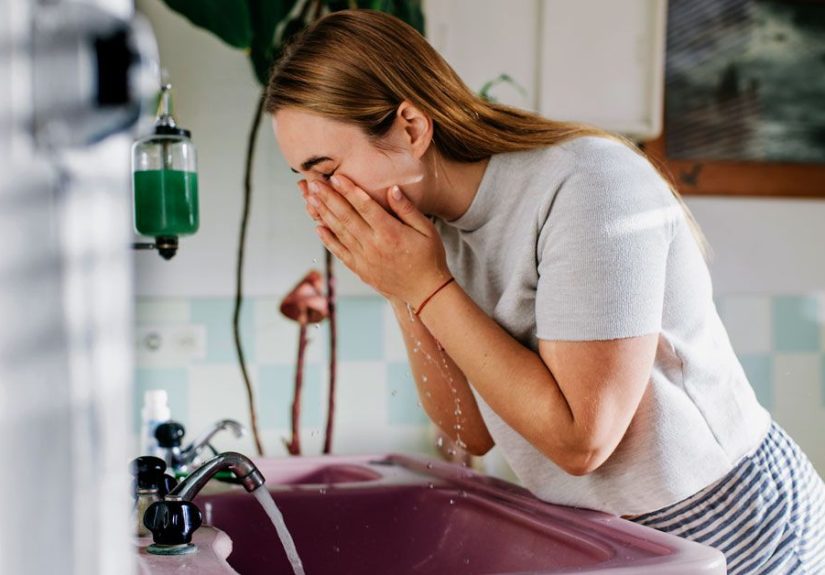
- Wash gently (yes, gentlyyour face is not a frying pan)
- Hands off: stop picking (your future self calledplease don’t)
- Hair, hats, helmets, and “stuff that touches your face”
- Post-workout rules (your sweat deserves a cooldown)
- Sleep and stress management (quietly powerful)
- Diet for acne: practical experiments that don’t ruin your joy
- Sun protection: the tanning myth needs to retire
- A Simple Natural-First Routine (Morning & Night)
- What to Avoid (Your Skin Is Not a DIY Chemistry Set)
- When Natural Isn’t Enough (and That’s Okay)
- Conclusion: Clearer Skin Is a System, Not a Single Hack
- Real-World Experiences (Extra ): What People Usually Notice When They Go Natural
- Experience #1: “I stopped attacking my face and my face stopped attacking me.”
- Experience #2: The tea tree oil learning curve (a.k.a. “dilution is not optional”)
- Experience #3: The lifestyle surprisesleep and stress show up on the skin
- Experience #4: Diet experiments work best when they’re… experiments
- Experience #5: Consistency beats chaos (and chaos is loud)
Acne has a special talent: it shows up exactly when you have plans, photos, or confidence. And while there’s no “one weird trick”
that works for everyone (sorry, internet), you can get calmer, clearer skin naturally by stacking small, evidence-informed habits
that reduce clogged pores and inflammation over time.
This guide focuses on realistic home remedies and lifestyle tips that support your skin barrier (translation: less irritation, fewer angry breakouts).
We’ll also talk about what to avoidbecause your face is not a middle-school science fair volcanoand when it’s smarter to call in a dermatologist.
Acne 101: What’s Actually Happening on Your Skin
Acne is basically a traffic jam in your pores. Oil (sebum) and dead skin cells clog a hair follicle, bacteria can thrive, and your immune system
responds with inflammation. The result: blackheads, whiteheads, pimples, and sometimes deeper, more painful bumps.
Important reminder: acne isn’t a “dirty skin” problem. Scrubbing harder usually makes things worse by irritating your skin barrierthink of it like
yelling at the traffic jam instead of clearing the road.
Common acne triggers (aka the usual suspects)
- Hormones: puberty, menstrual cycles, stress hormones, and shifts in androgen levels can increase oil production.
- Occlusion and friction: masks, helmets, tight hats, chin straps, and sweaty athletic gear.
- Products: heavy, pore-clogging makeup, greasy hair products, or overly harsh skincare that irritates your skin.
- Diet (for some people): high-glycemic patterns and certain dairy habits may be linked to breakouts in some individuals.
- Stress: not a direct cause, but it can worsen acne if you already have it.
Natural Home Remedies That Are Actually Worth Trying
“Natural” doesn’t automatically mean “safe” or “effective.” Poison ivy is natural. So is gravity. The goal is to use low-risk options with at least
some evidenceor a strong logic-to-irritation ratio.
1) Tea tree oil (diluted, pleaseyour skin is not a salad)
Tea tree oil has antimicrobial and anti-inflammatory properties and may help mild to moderate acne when used properly. The key phrase is
used properly.
- How to use: Choose a product formulated for the face (often around 5%) or dilute properly in a carrier (like jojoba) if you know what you’re doing.
- Patch test: Apply a small amount to your inner arm for 24 hours before using on your face.
- Don’t ingest it: Tea tree oil should never be swallowed.
- Best for: small inflamed pimples and spot treatmentnot your entire face if you’re sensitive.
2) Aloe vera gel (calming support, not a solo superhero)
Aloe vera can be soothing and may help acne when used in combination with other treatments. Think of aloe as the friend who brings you water
and snacks while you do the hard work.
- How to use: Use a simple aloe gel (fragrance-free if possible) as a light moisturizer layer, especially if acne products dry you out.
- Tip: If aloe stings or makes you itchy, stop“natural” allergies are still allergies.
3) Green tea (topical, not just in your mug)
Green tea extract has been studied for acne thanks to antioxidant and anti-inflammatory properties. Evidence isn’t huge, but it’s promising enough
to justify a low-drama experiment.
- How to use: Try a skincare product with green tea extract, or use cooled brewed green tea as a gentle toner (clean container, fresh batches).
- Realistic expectation: mild improvement in redness/oiliness, not overnight pore exorcism.
4) Honey (soothing, but keep your standards high)
Honey has antimicrobial properties and may feel calming. But evidence for acne is limited and results vary. If you try it, choose a clean product and
treat it as an optional add-on, not your entire plan.
- How to use: Apply a thin layer for 10–15 minutes, rinse gently. Avoid if you’re prone to irritation or have eczema-like sensitivity.
- Skip: DIY mixes with lemon juice (more on that later).
5) Clay masks (oil control with a “don’t overdo it” warning)
Kaolin or bentonite clay can absorb oil and temporarily reduce shine, which can help if your breakouts are driven by greasy skin. But overuse can dry
you out and trigger rebound oiliness.
- How to use: 1–2 times per week, max. Follow with a light, non-comedogenic moisturizer.
- Best for: oily skin and clogged pores (blackheads/whiteheads).
6) Zinc (topical first; supplements only with common sense)
Zinc may help inflammatory acne in some people. Topical zinc is generally the safer starting point. Oral zinc supplements can cause nausea and can
become an issue if overusedso treat supplements like medicine, not candy.
- How to use: Look for topical products that include zinc (often combined with soothing ingredients).
- Supplement caution: If you’re considering oral zinc, stay within safe limits and talk with a clinicianespecially if you’re pregnant,
on medications, or planning long-term use.
7) Niacinamide (Vitamin B3) for redness and oil balance
Niacinamide is a well-tolerated ingredient that may help reduce inflammation and support the skin barrier. It’s not a “natural remedy” in the garden-herb
sense, but it’s a gentle, science-friendly option that plays nicely with many routines.
- How to use: Try a 2–5% niacinamide serum or moisturizer once daily, then increase if your skin likes it.
- Good match for: sensitive, redness-prone, or combo skin that breaks out when over-dried.
Lifestyle Tips for Clearer Skin (Because Skincare Isn’t Just Bottles)
Wash gently (yes, gentlyyour face is not a frying pan)
A consistent, gentle cleanse helps remove oil, sweat, sunscreen, and makeup without wrecking your barrier. Over-washing and harsh scrubbing can
increase irritation and make acne look worse.
- Cleanse once or twice daily (and after heavy sweating).
- Use lukewarm water and your fingertips (not a rough washcloth).
- Avoid harsh toners, drying astringents, and aggressive exfoliation when breaking out.
Hands off: stop picking (your future self calledplease don’t)
Popping and picking can push inflammation deeper, increase infection risk, and make scarring more likely. If touching is your hobby (no judgment),
try hydrocolloid pimple patches as a “tiny sticker of self-control.”
Hair, hats, helmets, and “stuff that touches your face”
Oily hair products can contribute to breakouts around the forehead and hairline. Tight headbands, hats, and helmets trap sweat and friction.
- Keep hair off your face when possible, and shampoo regularly if your scalp is oily.
- Wash hats/helmet liners and wipe down straps that touch your skin.
- If you get “maskne,” switch to softer, breathable fabrics and wash reusable masks frequently.
Post-workout rules (your sweat deserves a cooldown)
Sweat isn’t the enemybut leaving sweat and friction on your skin for hours is basically sending clogged pores a fancy invitation.
- Shower or cleanse soon after exercise.
- Change out of sweaty clothes promptly (especially for body acne on chest/back).
- Use clean towels and don’t re-wear tight athletic gear without washing.
Sleep and stress management (quietly powerful)
Stress doesn’t magically create acne from thin air, but it can worsen breakouts if you’re already acne-prone. Sleep also affects inflammation and recovery.
The goal isn’t “never stress”it’s “recover like a pro.”
- Aim for consistent sleep (even a steady schedule helps).
- Try low-effort stress tools: short walks, breathing exercises, journaling, stretching, or a hobby that makes time disappear.
- If stress feels unmanageable, support from a professional can help your skin and your life.
Diet for acne: practical experiments that don’t ruin your joy
The diet-acne link is real for some people and irrelevant for others. Research suggests certain patterns (like high-glycemic diets) may be associated with
more acne, and dairy may play a role for some individualsbut there’s no one-size-fits-all rulebook.
- Try low-glycemic swaps for 6–8 weeks: more whole grains, beans, veggies, and less sugary/refined snacks.
- Consider a dairy “test” (not forever): reduce milk or whey-based protein for several weeks and track your skin.
- Don’t crash diet: extreme restriction can increase stress and backfire.
- Keep a simple log: breakout severity + sleep + stress + cycle timing + a few diet notes.
Sun protection: the tanning myth needs to retire
Sun exposure can temporarily “dry out” pimples, but it also increases irritation and can worsen hyperpigmentation and long-term skin damage. Use a
non-comedogenic sunscreen dailyespecially if you’re using actives that increase sun sensitivity.
A Simple Natural-First Routine (Morning & Night)
If your routine has 14 steps, your skin might revolt out of pure confusion. Keep it simple and consistent for at least 6–8 weeks before you declare
everything “doesn’t work.”
Morning
- Gentle cleanser (or just rinse if you’re very dry/sensitive).
- Optional calming step: niacinamide or green-tea-based serum.
- Light moisturizer (yes, even oily skin can need it).
- Non-comedogenic sunscreen (daily, even on “just errands” days).
Night
- Cleanse to remove sunscreen/makeup.
- Targeted treatment: tea tree oil product as a spot treatment or a gentle acne-active wash if your skin tolerates it.
- Moisturize (barrier support = less irritation = fewer “rage breakouts”).
If you’re using over-the-counter acne ingredients (like salicylic acid or benzoyl peroxide), start slowly (every other night) and moisturize well.
Many people quit right before results show up because irritation makes them panic. Don’t let dryness bully you into giving up.
What to Avoid (Your Skin Is Not a DIY Chemistry Set)
- Lemon juice on your face: acidic, irritating, and can increase photosensitivity.
- Toothpaste as spot treatment: often contains irritants and can cause redness/peeling.
- Harsh scrubs and over-exfoliation: can inflame skin and worsen acne.
- Undiluted essential oils: can cause burns or allergic reactions.
- Over-washing: stripping your skin can increase irritation and oil rebound.
- Picking/popping: increases inflammation and scarring risk.
When Natural Isn’t Enough (and That’s Okay)
If you have painful cysts, widespread acne, acne that’s scarring, or breakouts that won’t improve after consistent self-care, it’s time to talk to a clinician
or dermatologist. Early, effective treatment can reduce the risk of long-term scarring.
Consider professional help if you notice:
- Deep, tender nodules or cysts
- Scars forming or dark marks that linger
- Acne affecting your confidence, mood, or daily life
- No improvement after 8–12 weeks of a consistent routine
- Acne linked to irregular periods, sudden hair growth changes, or other hormone symptoms
Dermatology treatments can include topical retinoids, benzoyl peroxide combinations, prescription topicals, and other options depending on severity.
“Natural” and “medical” don’t have to be enemiesyou can use a gentle lifestyle foundation while getting targeted help when needed.
Conclusion: Clearer Skin Is a System, Not a Single Hack
If you want to get rid of acne naturally, focus on two big themes: reduce irritation and stay consistent. Gentle cleansing,
hands-off habits, smart product choices, sleep/stress support, and a few evidence-informed natural remedies can add up to real improvement.
Start small, track what you change, and give your skin time to respond. Acne is stubbornbut it’s not undefeated.
Real-World Experiences (Extra ): What People Usually Notice When They Go Natural
Let’s talk about what it often feels like to try natural acne remedies and lifestyle tipsbecause the emotional rollercoaster is real.
While everyone’s skin is different, a few patterns show up again and again when people commit to a calmer, more consistent approach.
Experience #1: “I stopped attacking my face and my face stopped attacking me.”
A super common turning point is realizing that irritation can look like “more acne.” People often start with good intentionsscrubs, drying toners,
harsh spot treatments, frequent washingthen wonder why their skin stays red and bumpy. When they switch to gentle cleansing once or twice a day,
add a simple moisturizer, and stop layering ten actives like they’re building a skincare lasagna, the first improvement is usually less stingy tightness.
Within a couple weeks, many notice fewer “mystery” bumps that were really irritation and barrier stress.
Experience #2: The tea tree oil learning curve (a.k.a. “dilution is not optional”)
Tea tree oil is one of the most talked-about natural acne remedies, and it can help some people with mild breakoutsespecially as a spot treatment.
But the most common mistake is using too much, too often, or applying undiluted oil. That’s when the “natural remedy” becomes a “why is my face itchy?”
situation. People who do best tend to patch test first, use a properly formulated product, and treat it like a supporting actornot the entire cast.
They also give it time: results are usually gradual, not overnight.
Experience #3: The lifestyle surprisesleep and stress show up on the skin
Plenty of people expect diet to matter, but they underestimate stress and sleep. When sleep gets inconsistent (late nights, doom scrolling, early mornings),
breakouts can feel more inflamed and slow to heal. When stress spikes, people often touch their face more, pick more, and crave high-sugar comfort snacks,
creating the perfect storm. A simple “stress reset” routineshort walks, a wind-down alarm, consistent bedtime, or even five minutes of breathingoften doesn’t
erase acne, but it can reduce the frequency of flares and help spots heal faster.
Experience #4: Diet experiments work best when they’re… experiments
The folks who get the most useful results from diet changes do it like a scientist, not a punishment plan. They pick one shiftlike swapping high-glycemic snacks
for protein-and-fiber options, or reducing milk/whey for several weeksand track their skin without trying to change everything at once. If their acne improves,
they’ve learned something. If nothing changes, they stop blaming themselves and move on. That mindset prevents burnout and keeps skin care sustainable.
Experience #5: Consistency beats chaos (and chaos is loud)
The biggest “aha” moment for many people is that acne responds to patterns. A routine done 80% consistently for 8 weeks usually beats a perfect routine done
for 6 days before switching products in frustration. Natural approaches tend to be gentle, so they can be slowerbut that gentleness is also what makes them
easier to stick with long enough to see results. If you want a natural strategy that actually has a chance, keep it boring on purpose. Your skin loves boring.







 Close
Close