
Table of Contents >> Show >> Hide
- Calendula at a Glance (So You Know What You’re Signing Up For)
- Choosing the Right Calendula Variety
- Where Calendula Grows Best
- When to Plant Calendula (Timing Is Half the Magic)
- How to Plant Calendula Seeds (Direct Sowing vs. Starting Indoors)
- Watering Calendula (Even Moisture, Not a Swamp)
- Fertilizing and Soil Care
- Deadheading and Pruning (More Blooms for Less Effort)
- Common Pests and Diseases (And What to Do Without Panic)
- Harvesting Calendula (Fresh Bouquets and Pantry Gold)
- Is Calendula Edible? YesWith Common-Sense Rules
- Calendula as a Companion Plant (Pollinator Magnet With a Side of Garden Mythology)
- Saving Seeds and Encouraging Self-Sowing
- Troubleshooting: Fix the Most Common Calendula Problems
- Calendula FAQ
- Conclusion: A Low-Stress Flower With High Payoff
- Gardener Experiences and Real-World Lessons (500+ Words)
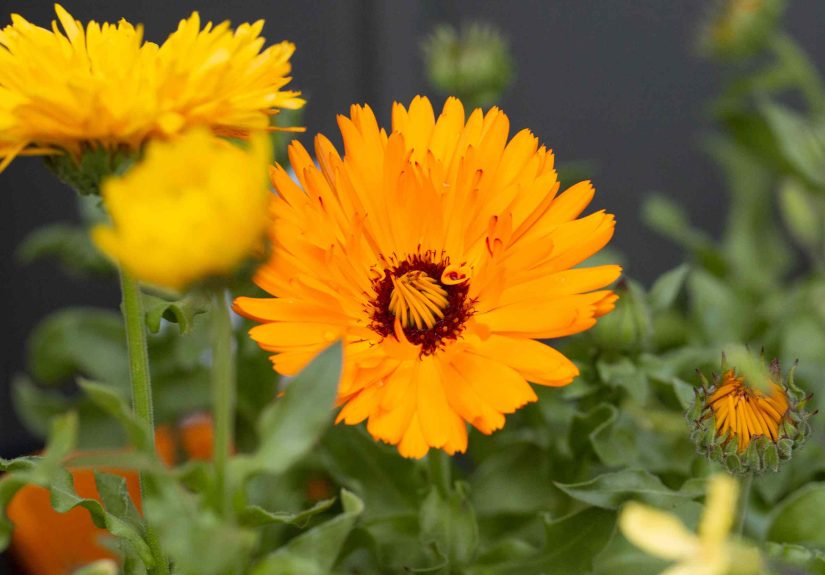
Calendula (Calendula officinalis), also called pot marigold, is the friend who shows up early, stays late, and never complains about the playlist.
It’s a cool-season annual with sunny orange and yellow blooms that can keep flowering right up to frost in many gardens. Bonus: the petals are edible,
the plants are beginner-friendly, and the flowers pull in pollinators like a backyard billboard.
If you want an easy plant that looks great in borders, containers, and veggie bedswhile also giving you cut flowers and “edible confetti” for saladscalendula
is a strong candidate for your garden hall of fame.
Calendula at a Glance (So You Know What You’re Signing Up For)
- Botanical name: Calendula officinalis (pot marigold)
- Type: Cool-season annual (sometimes behaves like a reseeding “returning guest”)
- Sun: Full sun to part shade (afternoon shade helps in hot climates)
- Soil: Well-drained, moderately fertile; compost helps
- Water: Even moisture for best blooms; avoid constantly soggy soil
- Height: Often 8–24 inches depending on variety and conditions
- Bloom time: Spring through fall in many areas; longer in cooler weather
Choosing the Right Calendula Variety
Calendula flowers can be single, semi-double, or double, with colors ranging from pale cream to deep orange. Missouri Botanical Garden notes the classic
“daisy or chrysanthemum-like” look and the wide cultivar range, including pastels and bicolors.
Pick a variety based on how you’ll use it
- For cutting gardens: Taller types with sturdy stems, lots of buds, and longer vase life.
- For containers: Compact or dwarf varieties that won’t flop when the wind gets dramatic.
- For edible petals: Any pesticide-free variety works, but choose one you like the flavor of (petals are often tangy/peppery).
- For long-season color: Plan for succession sowing (more on that soon).
Where Calendula Grows Best
Calendula is happiest when temperatures are on the cooler side. It can take sun, but in hotter regions it appreciates some afternoon shade to reduce stress and
keep flowers coming.
Light
Aim for full sun in mild climates. In warm or humid summers, part shade (especially afternoon shade) can prevent the plant from
quitting mid-season. Too much shade can make plants leggy and reduce blooms.
Soil
Calendula isn’t picky, but it’s not a fan of “wet feet.” Give it well-drained soil with moderate fertility. If your soil is heavy clay,
mixing in compost improves structure and drainage, which helps with both growth and disease prevention.
When to Plant Calendula (Timing Is Half the Magic)
Because calendula is a cool-season annual, it can be planted early. UNH Extension recommends direct sowing in early spring once soil temperatures are around
60°F and the risk of heavy frost has passed.
Two common planting windows
- Early spring: For a long bloom run into early summer (and sometimes beyond).
- Late summer to fall (mild-winter regions): For fall color and cool-weather performance.
If your summers are scorching, treat calendula like a spring-and-fall star rather than a July warrior. You’ll get better flowers with less drama.
How to Plant Calendula Seeds (Direct Sowing vs. Starting Indoors)
Option 1: Direct sow (the easiest route)
Calendula is famously easy from seed. Direct sow by sprinkling seeds, lightly covering them, and keeping the top layer of soil consistently moist until germination.
UNH Extension suggests covering seeds with about ¼ inch of soil.
- Seed depth: About ¼ inch
- Germination: Often around 10–15 days (depends on temperature and moisture)
- Thin seedlings: Space varies by guide and variety; common recommendations range from about 8–12 inches to 12–18 inches apart for airflow and fuller plants.
Spacing isn’t just about plant mannersit’s a real strategy to reduce powdery mildew by improving air circulation.
Option 2: Start indoors (for earlier blooms)
If you want earlier flowers (or if spring weather plays mind games), start seeds indoors several weeks before your last frost date, then transplant once
conditions are stable. The Spruce notes indoor starting can help you get earlier bloom, while successive sowings keep plants flowering longer.
Succession sowing (the “always have flowers” trick)
Instead of planting everything once, sow a small batch every 2–4 weeks during suitable weather. This keeps fresh, vigorous plants coming along as older ones slow down.
If you’ve ever watched a calendula patch peak all at once and then look tired, this is your solution.
Watering Calendula (Even Moisture, Not a Swamp)
Calendula grows best with evenly moist soil, especially while establishing and during heavy bloom. Both UNH Extension and Utah State University Extension
highlight regular moisture/irrigation for best performance.
Practical watering tips
- Water at the base to keep foliage drier (helpful for mildew prevention).
- Mulch lightly to reduce moisture swings and suppress weeds.
- In containers, check daily during warm spellspots dry out fast and calendula doesn’t love surprise droughts.
Fertilizing and Soil Care
Calendula doesn’t need heavy feeding. In fact, too much nitrogen can push lush leaves at the expense of flowers (a plant version of “all talk, no show”).
A simple approach is mixing compost into the bed at planting and using a light, balanced fertilizer only if growth is weak or your soil is very poor.
Deadheading and Pruning (More Blooms for Less Effort)
Want more flowers? Remove spent blooms. Deadheading encourages the plant to keep producing. Minnesota Extension specifically recommends deadheading to extend bloom,
and gardeners notice the difference quickly.
How to deadhead
- Pinch or snip off faded flower heads just above a leaf node.
- Do it a couple of times per week during peak bloom for best results.
- If you want the plant to self-seed, leave a few flowers to mature later in the season.
Common Pests and Diseases (And What to Do Without Panic)
Calendula is generally low-drama, but a few issues pop upespecially in humid weather or when plants are crowded.
Aphids, whiteflies, and other sap-suckers
Aphids and whiteflies can gather on tender growth. A strong spray of water can knock them off, and insecticidal soap is a common next step if they persist.
Slugs and snails
These pests may chew young plants, especially where conditions are damp. Reduce hiding spots (boards, thick debris), and use traps or barriers if needed.
The Spruce specifically notes slugs and snails can feed on young plants.
Powdery mildew
Powdery mildew is the classic “white dusting” that shows up when airflow is poor or nights are cool and damp. The best prevention is spacing, good air circulation,
and watering at the soil line. The Pacific Northwest Plant Disease Handbook includes calendula powdery mildew guidance and highlights that thorough coverage matters for treatments,
but most home gardeners can manage it primarily with cultural practices.
Simple disease-prevention checklist
- Give plants room (crowding is mildew’s favorite party invitation).
- Water early in the day at the base of the plant.
- Remove heavily infected leaves and dispose of them (don’t compost if disease is severe).
- Avoid heavy nitrogen feeding that produces soft, vulnerable growth.
Harvesting Calendula (Fresh Bouquets and Pantry Gold)
When to harvest
For best quality, harvest flower heads when they’re fully open and vibrant. Utah State University Extension recommends harvesting flower heads at full bloom
for fresh or dried use.
How to harvest for drying
- Pick on a dry morning after dew has evaporated.
- Snip flower heads and spread them in a single layer on a screen or paper towel in a warm, airy spot out of direct sun.
- When fully dry (petals feel papery), store in an airtight container away from heat and light.
Dried petals are often used as a natural colorant and garnishsometimes called “poor man’s saffron” for the golden hue they can add. (Not the same flavor as saffron, but still fun.)
Is Calendula Edible? YesWith Common-Sense Rules
Many gardening organizations note that calendula petals (and sometimes leaves) are edible and have a tangy, mildly peppery flavor.
UC Marin Master Gardeners mentions edible leaves and petals, and Minnesota Extension highlights culinary uses like salads and infusions.
Edible safety tips
- Only eat flowers you can positively identify and that have not been treated with pesticides or lawn chemicals.
- If you have plant allergies (especially to the daisy family), try a small amount first.
- Use petals as garnish, salad topping, or in oils/vinegars for color and mild flavor.
Calendula as a Companion Plant (Pollinator Magnet With a Side of Garden Mythology)
Calendula flowers attract pollinators and beneficial insects, which can support a healthier garden ecosystem. Wisconsin Extension notes this pollinator/beneficial
insect attraction, and Southern Living describes calendula as a cool-season annual that draws pollinators and can work well near vegetables.
You’ll also hear that calendula “repels pests.” Sometimes gardeners do observe fewer issues nearby, but Wisconsin Extension points out that some companion planting
claims aren’t scientifically verifiedso treat it as a helpful habit, not a magic force field.
Where to tuck calendula in a mixed garden
- Along the edges of vegetable beds (pretty border + beneficial insects)
- Near crops that need pollination (squash, cucumbers, tomatoesanything with flowers you want visited)
- Between rows as a “living bouquet” that you can also harvest
Saving Seeds and Encouraging Self-Sowing
Calendula often reseeds readily. UNH Extension notes that plants can self-sow, and Wisconsin Extension notes reseeding is common but not typically aggressive.
How to save calendula seed
- Let a few flower heads dry on the plant until they’re brown and crisp.
- Snip the head into a paper bag and crumble it to release the curved seeds.
- Store seeds in a labeled envelope in a cool, dry place.
If you like surprises, let a few seeds drop. If you like control, collect seeds and sow them exactly where you want next season (because “random calendula”
is charming until it’s in the one spot you needed for lettuce).
Troubleshooting: Fix the Most Common Calendula Problems
“My calendula is leggy”
- Likely cause: Not enough sun or plants are crowded.
- Fix: Move to brighter light, thin seedlings, and pinch back lightly early on to encourage branching.
“I have leaves but few flowers”
- Likely cause: Too much nitrogen, too much shade, or heat stress.
- Fix: Ease up on fertilizer, increase sun (or provide afternoon shade in very hot areas), and deadhead consistently.
“White powder on leaves”
- Likely cause: Powdery mildew.
- Fix: Improve airflow, water at the base, remove infected foliage, and avoid overhead watering.
“Holes in young plants”
- Likely cause: Slugs/snails.
- Fix: Reduce damp hiding spots, use traps/barriers, and protect seedlings during wet spells.
Calendula FAQ
Is calendula the same as “regular marigold”?
Not exactly. Calendula (Calendula officinalis) is pot marigold, while many “common marigolds” in garden centers are Tagetes species. They’re both cheerful and useful,
but they’re different plants with different habits and timing.
Does calendula come back every year?
It’s usually grown as an annual, but it often reseeds, which can make it feel perennial in the same garden bed.
Can I grow calendula in containers?
Yes. Use a pot with drainage, a quality potting mix, and consistent watering. Choose compact varieties if you want a tidy look. (Tall varieties can work toojust be ready
to stake them when they decide to lean dramatically toward the sun.)
Conclusion: A Low-Stress Flower With High Payoff
Calendula is the rare plant that checks a lot of boxes: easy from seed, generous with blooms, helpful to pollinators, friendly in beds and containers, and genuinely useful in the kitchen.
Give it sun (or afternoon shade where summers are intense), well-drained soil, even moisture, and regular deadheading. Do those basics, and calendula will reward you with a steady stream
of bright flowers that make your garden look like it’s permanently in a good mood.
Gardener Experiences and Real-World Lessons (500+ Words)
Calendula is one of those plants that teaches gardeners a lotmostly because it responds quickly to what you do (or forget to do). In many home gardens, the first “aha”
moment happens with timing. Plant calendula when the weather is mild, and it behaves like an overachiever: quick sprouting, sturdy growth, and blooms that seem to multiply overnight.
Plant it right as heat ramps up, and it may still grow, but it often shifts into survival modefewer flowers, more legginess, and a general vibe of “let’s revisit this in fall.”
That’s why experienced gardeners frequently treat calendula as a spring-and-fall specialty, especially in warmer regions.
Another common lesson: spacing matters more than people expect. When seedlings are tiny, it’s easy to think, “They can be cozylike roommates!”
But once plants size up, crowded calendula tends to trap humidity. That’s when powdery mildew can show up and make the leaves look dusted in flour.
Gardeners who thin seedlings early usually notice stronger branching, better airflow, and fewer disease headaches later. The surprising part is that fewer plants can produce
more flowers overall because each plant gets enough space to become a blooming machine.
Deadheading is where calendula really trains gardening habits. People who snip spent blooms regularly often describe it as a quick, satisfying routine:
step outside, cut a handful of flowers, and instantly the bed looks refreshed. The payoff is realplants keep sending up new buds when they aren’t busy making seed.
Many gardeners keep a small jar or bowl near the door just for the daily “calendula haul,” because once the habit forms, it’s easier to stay consistent.
Calendula also teaches the value of succession sowing. A single spring planting can look amazing for a stretch, then slow down as plants age or weather shifts.
Gardeners who sow a few seeds every couple of weeks often end up with a relay race of bloomsyoung plants stepping in just as older ones get tired.
This is especially noticeable in beds that do double duty: part ornamental, part edible. Fresh, vigorous plants tend to produce cleaner-looking petals, which matters if you like
using calendula as salad garnish or for drying.
Speaking of edible use, there’s an experience-based tip that comes up again and again: harvest on dry mornings. Petals picked after dew dries tend to keep their color better
and dry faster without turning mushy. Gardeners who dry calendula for tea blends or for bright “petal sprinkles” often spread flowers in a single layer with lots of airflow.
The flowers may look like they’re doing nothing for daysand then suddenly they’re crisp, lightweight, and ready for a jar. A label with the harvest date helps, because it’s easy to
forget how quickly a “small drying batch” can turn into “why do I have so many jars of sunshine?”
In vegetable beds, gardeners often notice calendula’s social skills. The flowers tend to pull in bees and other beneficial insects, which can make the garden feel more alive.
Many people like planting calendula along the edge of a bed so it acts like a bright border and a convenient cut-flower patch at the same time.
The biggest practical takeaway: even if calendula isn’t a guaranteed pest-repellent superhero, it’s rarely a bad neighbor, and it’s almost always worth the space for the color alone.
Finally, calendula teaches you to embrace a little chaosin a good way. If you let a few flowers go to seed, you might find volunteer seedlings popping up later.
Some gardeners love this “free plants” effect and simply transplant the volunteers where they want them. Others prefer a more organized approach and collect seed deliberately.
Either way, calendula tends to reward attention without punishing mistakes, which is exactly what you want from a plant you’ll probably end up recommending to every new gardener you meet.






 Close
Close